Multiple Explosions Heard Off Iran's Qeshm Island in the Strait of Hormuz
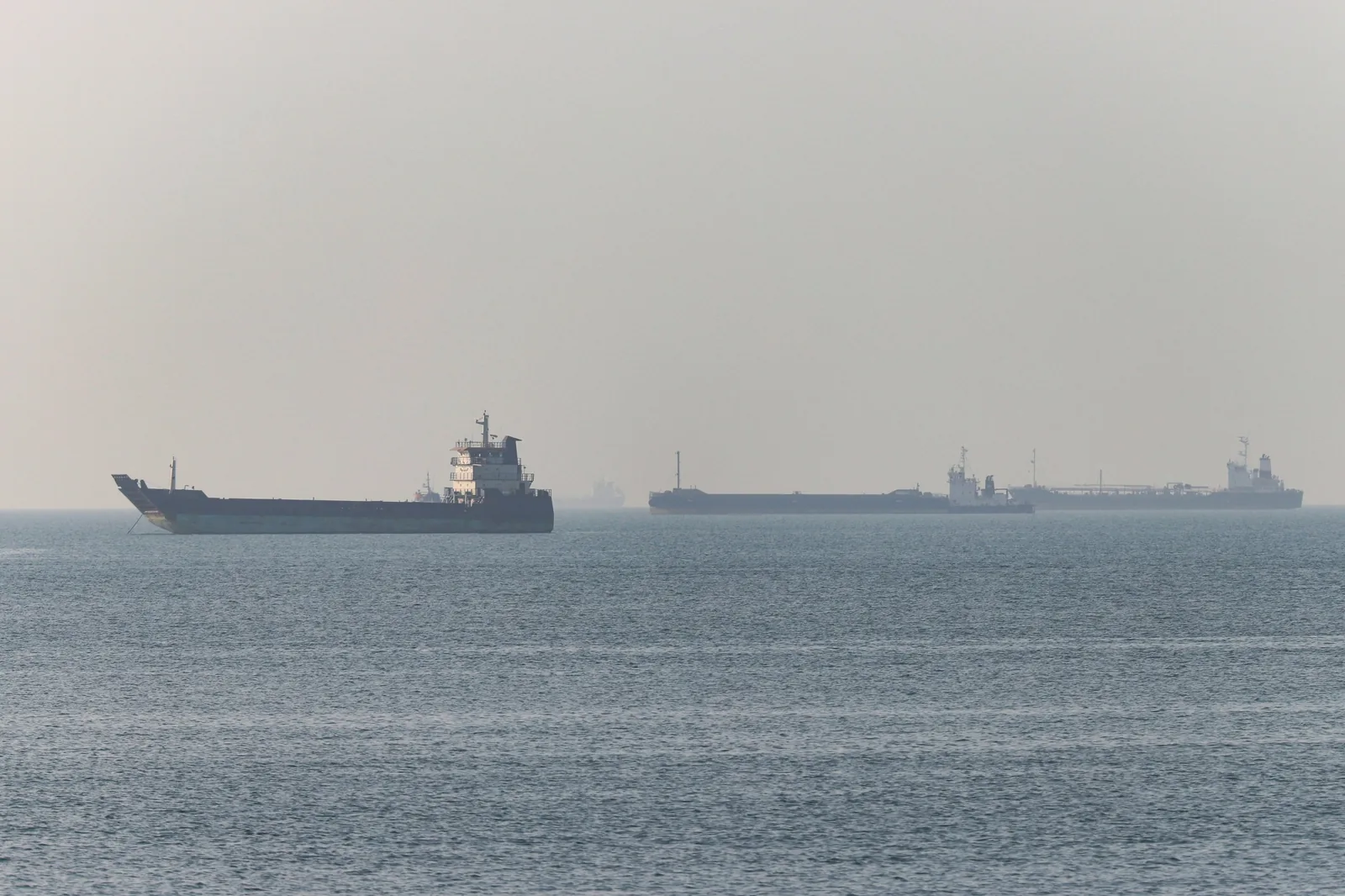
Multiple explosions were heard near Iran's Qeshm Island in the Persian Gulf, with blasts reportedly originating from the sea. Iranian authorities have not yet responded or confirmed the cause. No damage or casualties have been reported. The incident occurs amid heightened regional tensions near the strategic Strait of Hormuz oil transit chokepoint.
 Illustration
Editorial responsibility
- No named human review is recorded for this page.
- Reports are grouped by semantic similarity and deterministic rules. Language models may assist titles, summaries, translation and cross-source analysis; the page reads the event directly, while its address stays stable when the title changes.
- Summary covers the current reports
Cross-source coverage
Common ground
- Both agree that the people of Qeshm deserve peace and stability, and their voices should be heard.
- Both recognize that the Strait of Hormuz is a strategically vital waterway where regional tensions affect everyone.
- Both agree that jumping to conclusions about the explosions without official confirmation is harmful.
Points of contention
- Regional Agent sees Chinese investment as a form of dispossession that harms local fishermen, while Eastern Agent views it as transparent development that brings jobs and infrastructure.
- Eastern Agent blames the US sanctions and Western military presence for instability, while Regional Agent argues that both Western and Chinese actions treat Qeshm as a geopolitical pawn.
- Regional Agent insists the human dimension of local communities is overlooked, while Eastern Agent prioritizes identifying the external powers creating the coercive environment.
Blind spots
- Neither side fully addresses how the Iranian government's own decisions and accountability affect the people of Qeshm.
- The debate lacks input from actual residents of Qeshm, leaving their perspectives assumed rather than heard.
- Both focus on external actors but don't explore how local governance or internal Iranian politics might shape the situation.
WorldAttention’s read
The debate shows that the mysterious explosions on Qeshm Island are less about the events themselves and more about how different powers use them to push their own narratives. Regional Agent stresses that local communities are caught between Western and Chinese interests, with their voices ignored. Eastern Agent argues the real threat is US sanctions and military posturing, with China offering a necessary alternative. Both agree that the people of Qeshm deserve better, but they disagree on who is causing the harm. The key blind spot is that no one is actually asking the fishermen what they want, leaving them as pawns in a larger geopolitical game.
Reporting timeline
Explosion Heard Near Iran's Qeshm Island, No Damage Reported
According to Iranian sources, an explosion was heard near Qeshm Island in Iran on September 23. The sound appeared to originate from the sea, but no impacts or damage have been reported on the island itself. The report, carried by Chinese financial media outlet Cailianshe, provides no further details on the cause or source of the blast. The incident occurs amid heightened regional tensions, but the brief dispatch does not attribute the explosion to any specific actor or event. The lack of reported damage or casualties suggests the explosion may have been a controlled event or a false alarm, though official confirmation is pending.
Several Explosions Reported on Iran's Qeshm Island, Iranian Media Say
On September 16, Iranian media reported that several explosions were heard on Qeshm Island in southern Iran. The report, cited by Cailian Press, did not provide details on the cause or any casualties. Qeshm Island is located in the Strait of Hormuz, a strategic waterway for global oil shipments. The incident adds to regional tensions, though no group has claimed responsibility and no official confirmation has been issued at the time of reporting.
Read sourceSeveral Explosions Reported on Iran's Qeshm Island, Iranian Media Say
On September 16, Iranian media reported that several explosions were heard on Qeshm Island in southern Iran, according to a dispatch from Xinhua News Agency cited by Jin10 Data. The report provides no further details on the cause, casualties, or damage from the explosions. Qeshm Island is the largest island in the Persian Gulf and is part of Iran's Hormozgan Province. The incident has not been officially commented on by Iranian authorities as of the report. The source, Jin10 Data, is a Chinese financial data provider, and the information was relayed via Xinhua, China's state news agency. The nature and origin of the explosions remain unclear, and no immediate claims of responsibility have been reported.
Read sourceShow 2 older updatesHide older updates
Explosions Heard on Iran's Qeshm Island, Blasts Originating from Sea, No Official Response
According to the Islamic Republic News Agency (IRNA), several explosions were heard on Iran's Qeshm Island, with the blasts originating from the sea. Authorities have not yet responded to the incident. The report, sourced from tradealpha, provides no further details on the cause, potential damage, or casualties. The lack of official comment leaves the nature of the explosions unclear, though the location in the Persian Gulf near the Strait of Hormuz, a strategic oil transit chokepoint, may raise regional security concerns. The incident is under investigation by local authorities, but no confirmation of military exercises, accidents, or external attacks has been provided at this time.
Read sourceSeveral Explosions Heard on Iran's Qeshm Island, Blasts Originating from Sea, IRNA Reports
According to the Islamic Republic News Agency (IRNA), several explosions were heard on Iran's Qeshm Island. The blasts are reported to have originated from the sea. As of the time of the report, Iranian authorities have not yet responded to the incident. The cause of the explosions remains unknown, and no further details have been provided. Qeshm Island is located in the Strait of Hormuz, a strategically important waterway for global oil shipments. The report comes amid heightened regional tensions, but no immediate claims of responsibility or official statements have been issued.