China holds LPR steady for 16th month; analysts debate possible 2026 rate cut
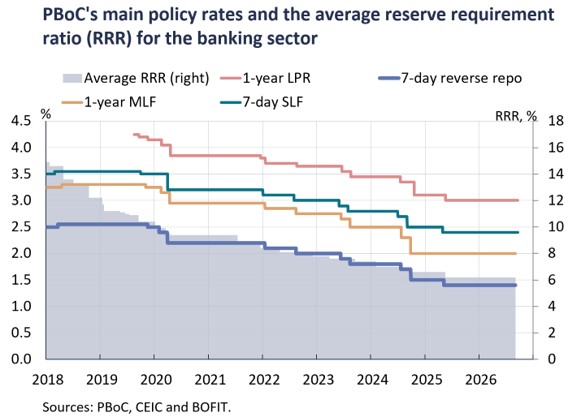
On September 20, 2026, the People's Bank of China kept the one-year Loan Prime Rate at 3.0% and the five-year-plus rate at 3.5% for the 16th consecutive month. Analysts cited a stable policy rate, low bank net interest margins, and resilient economic fundamentals. Some forecast a possible 10-basis-point rate cut and 0.5-percentage-point RRR cut later, while others saw low near-term necessity.
 Illustration
Editorial responsibility
- No named human review is recorded for this page.
- Reports are grouped by semantic similarity and deterministic rules. Language models may assist titles, summaries, translation and cross-source analysis; the page reads the event directly, while its address stays stable when the title changes.
- Summary covers the current reports
Cross-source coverage
Reporting timeline
China's September LPR Holds Steady as Analysts Cite Stable Policy Rate and Economic Resilience
On September 20, the People's Bank of China (PBOC) kept the one-year Loan Prime Rate (LPR) at 3.0% and the five-year-and-above LPR at 3.5%, unchanged from August, in line with market expectations. Analysts attributed the decision to a stable pricing basis, as the PBOC's seven-day reverse repo rate has remained at 1.40% since May 2025. Wang Qing of Dongfang Jincheng noted that quoting banks lack incentive to cut spreads due to rising interbank funding costs and a net interest margin near historic lows at 1.41%. Wen Bin of China Minsheng Bank highlighted economic resilience, with August exports growing over 20% year-on-year for a third consecutive month and industrial output accelerating. He added that new policy-based financial instruments rolling out in September support recovery, reducing the need for rate cuts. Dong Ximiao of Zhaolian Finance described the hold as a prudent choice under balanced internal and external conditions, noting GDP growth of 4.7% in H1 2026 within the target range. All analysts expect future policy adjustments to be determined by economic fundamentals, with China's monetary policy maintaining a moderately accommodative stance.
Read sourceChina's LPR Holds Steady for 16th Month; Experts See Low Need for Short-Term Rate Cut
China's Loan Prime Rate (LPR) remained unchanged for the 16th consecutive month in September, with the 1-year rate at 3.0% and the 5-year-plus rate at 3.5%. Multiple experts attributed the decision to a combination of factors: a stable pricing anchor (the 7-day reverse repo rate at 1.40%), persistent pressure on commercial banks' net interest margins (NIM), and the resilience of the macroeconomic fundamentals. Analysts from Dongfang Jincheng and China Minsheng Bank noted that the economy's performance, including 4.7% GDP growth in the first half and strong exports, reduces the urgency for a rate cut. The recent Fed rate hike, which widened the China-US interest rate differential and added pressure on the yuan, further constrained the space for domestic rate cuts. Experts forecast that the LPR is likely to remain stable in the short term, with future adjustments depending on domestic economic recovery, price trends, bank margins, and external conditions. The People's Bank of China is expected to maintain a prudent monetary policy, using liquidity tools rather than direct rate cuts for now.
Read sourceChina LPR holds steady for 16th month; analysts see low short-term rate cut need
China's Loan Prime Rate (LPR) remained unchanged for the 16th consecutive month in September 2025, with the one-year rate at 3.0% and the over-five-year rate at 3.5%. Multiple analysts attributed the hold to stable pricing anchors, pressure on commercial banks' net interest margins, and resilient macroeconomic fundamentals. Wang Qing of Dongfang Jincheng noted the seven-day reverse repo rate's stability at 1.40% since May 2025 signaled no change. Dong Ximiao of China Merchants Union Consumer Finance said banks lack willingness to cut spreads due to operational concerns. The Federal Reserve's 25-basis-point rate hike widened the inverted China-US interest rate differential, strengthening external constraints on LPR cuts. Wen Bin of China Minsheng Bank argued that China's monetary policy remains independent, with future adjustments depending on domestic economic recovery, price trends, and bank margins. Analysts concluded that short-term LPR cuts are unlikely but possible later if conditions shift.
Read sourceShow 17 older updatesHide older updates
China's LPR Holds Steady for 16th Month; Analysts See Low Near-Term Rate Cut Need
China's loan prime rate (LPR) remained unchanged for the 16th consecutive month on September 20, with the one-year LPR at 3.0% and the five-year-plus LPR at 3.5%. Analysts attribute the stability to multiple factors: the policy rate anchor (7-day reverse repo rate) has been steady at 1.40% since May 2025; commercial banks face compressed net interest margins near historic lows, reducing their willingness to cut lending rates; and the economy shows resilience, with Q2 GDP growth of 4.7% within the annual target range. A recent Federal Reserve rate hike has widened the China-US interest rate differential, adding external constraints on Chinese monetary easing. Experts from Dongfang Jincheng, China Merchants Bank, and others forecast that LPR will likely remain stable in the near term, with any future cuts depending on domestic economic recovery, inflation trends, bank margins, and external conditions. The People's Bank of China retains ample policy tools for potential future easing.
Read sourceChina LPR holds steady for 16 months; experts see limited need for short-term cut
China's Loan Prime Rate (LPR) remained unchanged for the 16th consecutive month in September 2025, with the one-year LPR at 3.0% and the five-year-and-above LPR at 3.5%, as published by the People's Bank of China. Multiple experts attributed the hold to a stable pricing anchor (seven-day reverse repo rate at 1.40%), pressure on commercial banks' net interest margins (NIMs) near historic lows at 1.41%, and resilient macroeconomic fundamentals including 4.7% GDP growth in H1 and strong August exports. The Federal Reserve's 25-basis-point rate hike widened the inverted China-US rate differential, strengthening external constraints against a cut. Analysts including Wang Qing (Dongfang Jincheng), Dong Ximiao (Zhaolian Finance), and Wen Bin (China Minsheng Bank) assessed that the LPR is highly likely to remain unchanged in the short term, with future cuts depending on domestic economic recovery, price trends, bank NIMs, and changes in the external environment. They noted that China's monetary policy toolkit remains rich, allowing for future adjustments based on domestic needs.
Read sourceChina LPR Holds Steady for 16 Months as Analysts See Low Need for Short-Term Rate Cut
China's Loan Prime Rate (LPR) remained unchanged for the 16th consecutive month in September 2025, with the one-year rate at 3.0% and the over-five-year rate at 3.5%. Analysts attribute the stability to the unchanged pricing anchor (seven-day reverse repo rate at 1.40%), commercial banks' narrow net interest margins (1.41% in Q2), and resilient macroeconomic fundamentals including 4.7% GDP growth in H1 and strong August exports. The Federal Reserve's 25-basis-point rate hike to 3.75%-4.00% widened the China-US rate differential, strengthening external constraints on rate cuts. Experts including Wang Qing (Dongfang Jincheng), Dong Ximiao (Zhaolian Finance), and Wen Bin (China Minsheng Bank) agree that short-term LPR cuts are unlikely, though future adjustments depend on domestic economic recovery, price trends, bank margins, and external conditions. China's monetary policy toolkit remains rich, leaving room for future easing if needed.
Read sourceChina LPR Holds Steady for 16th Month; Analysts See Limited Need for Near-Term Cut
China's Loan Prime Rate (LPR) remained unchanged for the 16th consecutive month in September 2025, with the one-year LPR at 3.0% and the five-year-and-above LPR at 3.5%, as published by the People's Bank of China. Multiple analysts attribute the hold to stable pricing anchors, pressure on commercial banks' net interest margins (which recovered slightly to 1.41% but remain near historic lows), and resilient macroeconomic fundamentals including 4.7% GDP growth in the first half of the year and strong export performance. The Federal Reserve's 25-basis-point rate hike widened the inverted US-China interest rate differential, strengthening external constraints on rate cuts. Analysts including Wang Qing, Dong Ximiao, and Wen Bin note that quoting banks lack incentive to lower spread add-ons due to rising wholesale financing costs and margin concerns. They expect monetary policy to remain in observation mode, with future LPR adjustments dependent on domestic economic recovery, price trends, bank margins, and external environment changes. China's monetary policy toolkit remains rich with room for further implementation.
Read sourceChina holds LPR steady for 16th month; analysts see low need for near-term rate cut
China's Loan Prime Rate (LPR) remained unchanged for the 16th consecutive month in September 2025, with the one-year rate at 3.0% and the over-five-year rate at 3.5%. Multiple analysts attributed the hold to stable pricing anchors, pressure on commercial banks' net interest margins, and resilient macroeconomic fundamentals. Wang Qing of Dongfang Jincheng noted that the seven-day reverse repo rate, the LPR's pricing anchor, has stayed at 1.40% since May 2025. Dong Ximiao of Zhaolian Finance said quoting banks lack willingness to cut spreads due to operational risk concerns. Wen Bin of China Minsheng Bank pointed to strong August exports and industrial output as reducing urgency for rate cuts. The Federal Reserve's 25-basis-point rate hike widened the inverted China-US interest rate differential, strengthening external constraints on LPR cuts. However, analysts noted Chinese bond yields and the RMB exchange rate have remained stable, supporting a 'China-centric' monetary policy. Future LPR adjustments will depend on domestic economic recovery, price trends, bank margins, and external conditions.
Read sourceChina LPR Holds Steady for 16 Months; Analysts See Low Short-Term Rate Cut Need
China's Loan Prime Rate (LPR) remained unchanged for the 16th consecutive month in September 2025, with the one-year rate at 3.0% and the over-five-year rate at 3.5%. Multiple analysts attributed the hold to stable pricing anchors, pressure on commercial banks' net interest margins (which recovered slightly to 1.41% but remain near historic lows), and resilient macroeconomic fundamentals. GDP growth of 4.7% in the first half fell within the annual target range, reducing urgency for a cut. External constraints strengthened after the Federal Reserve raised rates by 25 basis points to 3.75%-4.00%, widening the China-US interest rate differential. Analysts including Wang Qing, Dong Ximiao, and Wen Bin noted that quoting banks lack incentive to lower spreads due to rising wholesale funding costs and operational risk concerns. They forecast that future LPR adjustments will depend on domestic economic recovery, price trends, bank margins, and external conditions, with monetary policy likely to focus on liquidity support in the short term.
Read sourceChina keeps LPR unchanged for 16th month; analysts see limited need for short-term rate cuts
China's Loan Prime Rate (LPR) remained unchanged for the 16th consecutive month in September 2025, with the one-year rate at 3.0% and the over-five-year rate at 3.5%. Analysts attributed the hold to a stable pricing anchor linked to the seven-day reverse repo rate, pressure on commercial banks' net interest margins (which recovered slightly to 1.41% but remain near historic lows), and resilient macroeconomic fundamentals including 4.7% GDP growth in the first half of the year and strong export performance. The Federal Reserve's 25-basis-point rate hike widened the inverted China-US interest rate differential, strengthening external constraints against lowering the LPR in the short term. However, analysts noted that Chinese bond market yields and the renminbi exchange rate have remained stable, supporting the principle of independent monetary policy. Dong Ximiao of Zhaolian Finance said short-term LPR cuts are unlikely, while Wen Bin of China Minsheng Bank suggested future adjustments will depend on economic fundamentals and bank interest margins. Wang Qing of Dongfang Jincheng noted that monetary policy remains in an observation phase.
Read sourceChina LPR holds steady for 16th month; analysts see low short-term rate cut need
China's Loan Prime Rate (LPR) remained unchanged for the 16th consecutive month in September 2025, with the one-year rate at 3.0% and the five-year-and-above rate at 3.5%. Analysts attribute the hold to a stable pricing anchor (the seven-day reverse repo rate at 1.40%), pressure on commercial banks' net interest margins (1.41% in Q2, near historic lows), and resilient macroeconomic fundamentals including 4.7% first-half GDP growth and strong August exports. The Federal Reserve's 25-basis-point rate hike widened the inverted China-US rate differential, strengthening external constraints on a rate cut. Analysts Wang Qing, Dong Ximiao, and Wen Bin agree that short-term LPR reduction is unlikely, with future moves depending on domestic economic recovery, price trends, bank margins, and external conditions. They note China's monetary policy toolkit remains rich, and policy rates may still be adjusted based on fundamentals.
Read sourceChina LPR Unchanged for 16 Months; Analysts Predict Rate and RRR Cuts Soon
On September 20, China's Loan Prime Rate (LPR) remained unchanged for the 16th consecutive month, with the one-year LPR at 3.0% and the over-five-year LPR at 3.5%. Analysts from Dongfang Jincheng and China Minsheng Bank attributed the stability to an unchanged policy rate (PBOC seven-day reverse repo rate at 1.4%), rising interbank funding costs, and commercial banks' persistently low net interest margins near historic lows. Wang Qing, Chief Macro Analyst at Dongfang Jincheng, stated that the unchanged LPR aligned with market expectations and that quoting banks lack incentive to lower the LPR spread. Wen Bin of China Minsheng Bank noted that both asset and liability sides continue to squeeze net interest margins. The Dongfang Jincheng research team judged that the central bank may implement policy-driven rate cuts later, potentially including a 10-basis-point rate cut and a 0.5-percentage-point reserve requirement ratio (RRR) cut, which would drive LPR reductions to boost consumption and stabilize investment and the real estate market. Wang Qing added that despite tightening external financial conditions from Fed rate hikes, domestic monetary policy will maintain a moderately accommodative stance.
Read sourceChina LPR holds steady for 16th month; analysts expect future rate and RRR cuts
China's Loan Prime Rate (LPR) remained unchanged for the 16th consecutive month in September, with the one-year LPR at 3.0% and the over-five-year LPR at 3.5%. Analysts from Dongfang Jincheng and China Minsheng Bank attribute the stability to a steady policy rate, rising interbank funding costs, and persistent pressure on commercial banks' net interest margins, which remain near historic lows despite a slight recovery to 1.41% in Q2. Wang Qing, Chief Macro Analyst at Dongfang Jincheng, stated that the unchanged LPR aligned with market expectations, noting that quoting banks lack incentive to lower their LPR add-ons due to funding cost pressures. The Dongfang Jincheng research team believes the central bank may implement policy-driven rate cuts later, which would prompt a corresponding downward adjustment in LPR quotes. Wang Qing added that a new round of incremental policies is possible, including structural monetary tools and interest rate and reserve requirement ratio (RRR) cuts of 10 basis points and 0.5 percentage points respectively, to boost consumption and stabilize the real estate market. He noted that despite tightening external financial conditions from US Fed rate hikes, domestic monetary policy will maintain a moderately accommodative stance.
Read sourceChina's LPR Holds Steady for 16th Month; Analysts Expect Future Rate and RRR Cuts
On September 20, the People's Bank of China (PBOC) kept the one-year Loan Prime Rate (LPR) at 3.0% and the over-five-year LPR at 3.5%, marking the 16th consecutive month of unchanged rates. Analysts attribute the stability to an unchanged policy rate (7-day reverse repo rate at 1.4%) and a lack of incentive for commercial banks to lower LPR spreads due to rising money market funding costs and persistently low net interest margins (1.41% in Q2). Wang Qing, Chief Macro Analyst at Dongfang Jincheng, stated the decision aligned with market expectations. Wen Bin of China Minsheng Bank noted that both asset and liability sides continue to squeeze net interest margins, reducing banks' motivation to cut LPR. The Dongfang Jincheng research team judges that the central bank may implement a policy-driven rate cut later, potentially a 10-basis-point rate cut and a 0.5-percentage-point RRR cut, which would drive LPR lower. Wang Qing added that such moves could boost consumption and stabilize the real estate market before year-end, while domestic monetary policy will maintain a moderately accommodative stance despite tightening external financial conditions.
Read sourceChina LPR holds steady for 16th month; analysts expect future rate and RRR cuts
On September 20, China's Loan Prime Rate (LPR) remained unchanged for the 16th consecutive month, with the one-year LPR at 3.0% and the over-five-year LPR at 3.5%. Analysts from Dongfang Jincheng and China Minsheng Bank attributed the stability to an unchanged policy rate (PBOC's seven-day reverse repo rate at 1.4%), rising interbank funding costs, and commercial banks' persistently low net interest margins near historic lows. Wang Qing, Chief Macro Analyst at Dongfang Jincheng, stated that the unchanged LPR largely aligned with market expectations. Wen Bin, Chief Economist at China Minsheng Bank, noted that commercial banks lack sufficient motivation to proactively cut the LPR quote due to asset-liability side pressures. The Dongfang Jincheng research team judged that the central bank may implement a policy-driven rate cut later, which would prompt the LPR to follow. Wang Qing added that a new round of incremental policies is possible, including structural monetary tools, an estimated 10-basis-point rate cut, and a 0.5-percentage-point reserve requirement ratio (RRR) cut, to boost consumption and stabilize the real estate market before year-end.
Read sourceChina's LPR holds steady for 16th month; analysts see possible rate cut ahead
China's loan prime rates (LPR) remained unchanged for the 16th consecutive month in September, with the 1-year LPR at 3.0% and the 5-year-plus LPR at 3.5%, according to the People's Bank of China. Analysts from Dongfang Jincheng and China Minsheng Bank attributed the stability to a steady policy rate (7-day reverse repo rate at 1.4%), rising interbank funding costs, and persistently low net interest margins at commercial banks. Dongfang Jincheng's chief macro analyst Wang Qing noted that the economy grew 4.7% in the first half, within the target range, allowing the central bank to maintain a wait-and-see stance. However, both Wang Qing and Wen Bin of China Minsheng Bank forecast possible policy easing later this year, including a 10-basis-point rate cut and a 50-basis-point reserve requirement ratio (RRR) cut, which would drive LPR lower. They argued that despite tightening external financial conditions, China's monetary policy will maintain a moderately accommodative bias to support consumption, investment, and the property market.
Read sourceChina's LPR Holds Steady for 16th Month; Analysts Predict Future Rate and RRR Cuts
On September 20, the People's Bank of China (PBOC) kept the Loan Prime Rate (LPR) unchanged for the 16th consecutive month, with the one-year LPR at 3.0% and the over-five-year LPR at 3.5%. Analysts from Dongfang Jincheng and China Minsheng Bank attribute the stability to a stable policy rate and commercial banks' lack of incentive to lower the LPR spread due to rising funding costs and persistent pressure on net interest margins. Wang Qing, Chief Macro Analyst at Dongfang Jincheng, stated that the unchanged LPR aligned with market expectations. The Dongfang Jincheng research team judges that the central bank may implement policy-driven rate cuts later, which would prompt a corresponding downward adjustment in the LPR quote. Wang Qing also noted the possibility of a new round of incremental policies, including structural monetary tools and cuts to interest rates (10 basis points) and the reserve requirement ratio (0.5 percentage points), to boost consumption and stabilize investment. Despite a tightening external financial environment, domestic monetary policy is expected to maintain a moderately accommodative stance.
Read sourceChina LPR Steady for 16 Months; Analysts See Rate, RRR Cuts Ahead
On September 20, the People's Bank of China (PBOC) kept the one-year Loan Prime Rate (LPR) at 3.0% and the over-five-year LPR at 3.5%, marking the 16th consecutive month of unchanged rates. Analysts attribute the stability to a steady policy rate (PBOC's seven-day reverse repo rate at 1.4%) and commercial banks' lack of incentive to lower the LPR spread due to rising interbank funding costs and persistent net interest margin pressure near historic lows (1.41% in Q2). Wang Qing of Dongfang Jincheng noted that the unchanged LPR aligned with market expectations, citing stable pricing basis and banks' reluctance to cut spreads. Wen Bin of China Minsheng Bank added that asset and liability sides continue to squeeze net interest margins. The Dongfang Jincheng research team judges that the central bank may implement policy-driven rate cuts later, potentially including a 10-basis-point rate cut and a 0.5-percentage-point reserve requirement ratio (RRR) cut, which would drive a corresponding downward adjustment in the LPR quote. Wang Qing also noted that despite a tightening external financial environment due to rate hikes by the Federal Reserve, ECB, and Bank of Japan, domestic monetary policy will maintain a moderately accommodative stance.
Read sourceChina LPR Unchanged for 16 Months; Analysts Expect Rate and RRR Cuts Soon
On September 20, China's Loan Prime Rate (LPR) remained unchanged for the 16th consecutive month, with the one-year LPR at 3.0% and the over-five-year LPR at 3.5%. Analysts from Dongfang Jincheng and China Minsheng Bank attributed the stability to an unchanged policy rate (7-day reverse repo at 1.4%), rising interbank funding costs, and commercial banks' persistently low net interest margins (1.41% in Q2). Wang Qing, Chief Macro Analyst at Dongfang Jincheng, stated that the unchanged LPR aligned with market expectations and that quoting banks lack incentive to lower the spread. Wen Bin of China Minsheng Bank noted that both asset and liability sides continue to squeeze net interest margins. The Dongfang Jincheng research team judged that the central bank may implement a policy-driven rate cut later, which would prompt LPR to follow. Wang Qing estimated a potential 10-basis-point rate cut and a 0.5-percentage-point reserve requirement ratio (RRR) cut, which would boost consumption and stabilize the real estate market. He added that despite tightening external financial conditions, domestic monetary policy will maintain a moderately accommodative stance.
Read sourceChina LPR Unchanged for 16 Months; Analysts Predict Rate and RRR Cuts Soon
On September 20, China's Loan Prime Rate (LPR) remained unchanged for the 16th consecutive month, with the one-year LPR at 3.0% and the over-five-year LPR at 3.5%. Analysts cited stable policy rates and commercial banks' squeezed net interest margins as reasons for the hold. Wang Qing, Chief Macro Analyst at Dongfang Jincheng, stated the unchanged LPR aligned with market expectations, noting the seven-day reverse repo rate stayed at 1.4% and banks lacked incentive to lower the LPR spread. Wen Bin, Chief Economist at China Minsheng Bank, added that asset and liability sides continue to pressure net interest margins. The Dongfang Jincheng research team judged that the central bank may implement policy-driven interest rate cuts later, which would prompt a corresponding LPR adjustment. Wang Qing estimated potential cuts of 10 basis points for interest rates and 0.5 percentage points for the reserve requirement ratio, which could boost consumption and stabilize the real estate market. He noted that despite tightening external financial conditions, domestic monetary policy will maintain its moderately accommodative stance.
Read source