IMF warns AI investment boom could trigger market corrections and layoffs
The International Monetary Fund (IMF) released its annual report citing external estimates that global private-sector AI investment could exceed $2 trillion by 2026, contributing 0.5 percentage points to US GDP growth in 2025. The report warns that rising debt financing for AI infrastructure, combined with potential lower-than-expected returns, could trigger asset valuation corrections, wealth losses, and layoffs. It also notes rising wages for AI-skilled workers and automation risks for mid-skilled jobs.
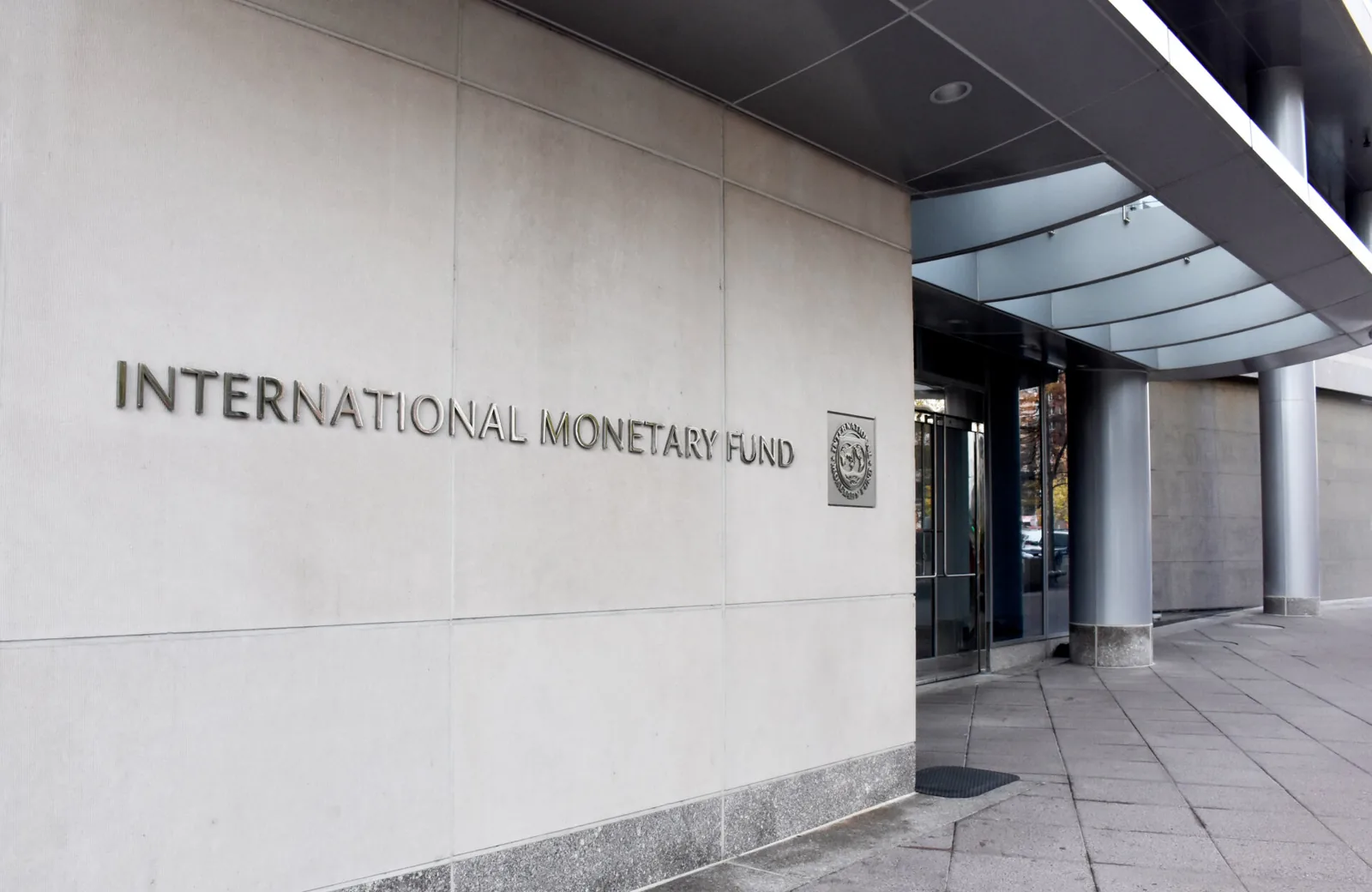 Reference image
Editorial responsibility
- No named human review is recorded for this page.
- Reports are grouped by semantic similarity and deterministic rules. Language models may assist titles, summaries, translation and cross-source analysis; the page reads the event directly, while its address stays stable when the title changes.
- Summary covers the current reports
Cross-source coverage
Reporting timeline
IMF Report: AI to Boost Productivity and Investment but Risks Labor Market and Financial Stability
The International Monetary Fund (IMF) has released an annual report stating that artificial intelligence could become a major driver of global productivity and investment growth, but also warns of increased labor market pressures and financial risks. The IMF forecasts that AI-related investments will contribute approximately 0.5 percentage points to U.S. GDP growth in 2025, and global private-sector AI investment could exceed $2 trillion by 2026. The report notes that workers with AI skills are seeing rising incomes, while some medium-skilled jobs face the risk of automation. Additionally, the IMF cautions that if high levels of AI investment yield lower-than-expected returns, it could trigger stock market valuation corrections, wealth losses, and layoffs. The report also highlights that cross-investments and financing relationships among companies in the AI supply chain could amplify risk transmission.
Read sourceIMF: Global AI Investment May Exceed $2 Trillion by 2026, Driving Growth
The International Monetary Fund (IMF) released its annual report stating that artificial intelligence could become a major driver of global productivity and investment growth. The IMF estimates that AI-related investment will contribute approximately 0.5 percentage points to US GDP growth in 2025, and global private-sector AI investment could surpass $2 trillion by 2026. However, the report warns that AI may also increase labor market pressures, as workers with AI skills see rising incomes while some mid-skilled jobs face automation risks. Additionally, the IMF cautions that if high AI investment yields lower-than-expected returns, it could trigger stock market valuation corrections, wealth losses, and layoffs. The report also notes that cross-investments and financing relationships among companies in the AI supply chain could amplify risk transmission.
Read sourceIMF: Global AI Investment May Exceed $2 Trillion by 2026, Debt Financing Risks Grow
The International Monetary Fund (IMF), in its latest annual report, cites external estimates that global private-sector artificial intelligence (AI) investment could surpass $2 trillion in 2026, making it one of the strongest drivers of economic growth in recent years. The report notes that AI-related technology investment is estimated to boost US GDP growth by 0.5 percentage points in 2025, and that the acceleration of US productivity growth partly reflects early positive impacts of AI adoption. However, the IMF warns of hidden risks behind the AI investment boom. As related infrastructure and project scales expand, some high-cost investments are increasingly reliant on debt financing. If future returns fall short of expectations, it could trigger significant asset valuation corrections, wealth shrinkage, and corporate layoffs.
Read sourceShow 2 older updatesHide older updates
IMF: Global AI Investment May Exceed $2 Trillion in 2026, Debt Financing Risks Grow
The International Monetary Fund (IMF), in its latest annual report, cited external estimates that global private-sector artificial intelligence (AI) investment could surpass $2 trillion in 2026, making it one of the strongest drivers of economic growth in recent years. The report stated that AI-related technology investment is estimated to boost U.S. GDP growth by 0.5 percentage points in 2025, and that faster U.S. productivity growth partly reflects early positive impacts of AI adoption. It also noted that Asia plays a key role in the AI investment wave, with East Asia as a hub for chip manufacturing and design, and Southeast Asia leveraging its manufacturing advantages to move up global value chains. However, the IMF warned that as large-scale AI infrastructure projects increasingly rely on debt financing, if future returns fall short of expectations, it could trigger significant asset valuation corrections, wealth erosion, and corporate layoffs.
Read sourceIMF: Global AI Investment May Exceed $2 Trillion by 2026, Debt Risks Grow
The International Monetary Fund (IMF), in its latest annual report, cited external estimates that global private-sector artificial intelligence (AI) investment could surpass $2 trillion in 2026, making it one of the strongest drivers of economic growth in recent years. The report states that AI-related technology investment is estimated to boost US GDP growth by 0.5 percentage points in 2025, and that faster US productivity growth partly reflects early positive effects of AI adoption. It also highlights Asia's role, with East Asia as a hub for chip manufacturing and design, and Southeast Asia leveraging its manufacturing strengths to move up the global value chain. However, the IMF warns that as AI infrastructure and project scales expand, some high-cost investments are increasingly reliant on debt financing. If future returns fall short of expectations, it could trigger significant asset valuation corrections, wealth erosion, and corporate layoffs.
Read source