DRAM chip price per gram surpasses gold as AI-driven silicon inflation grips market
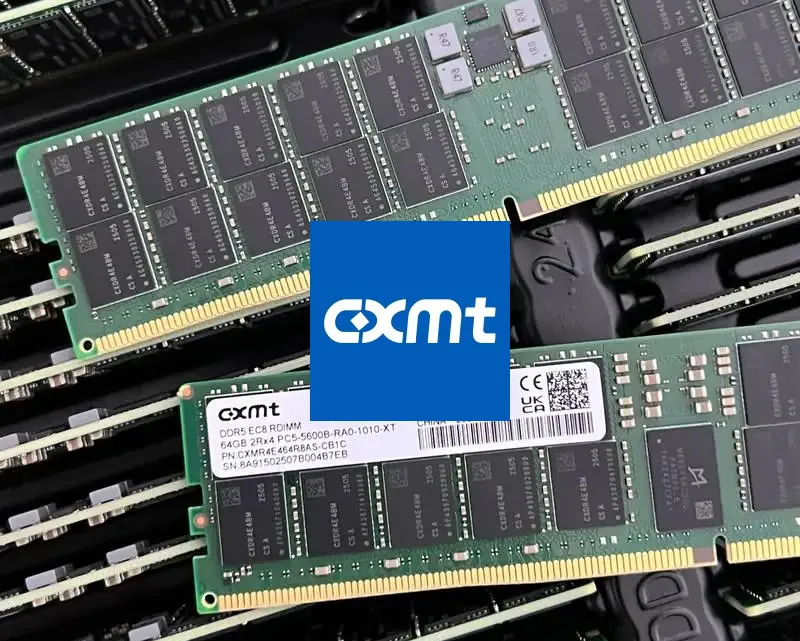
Server-grade DDR5 DRAM chips now cost 1.84 times the price of gold per gram, according to TrendForce data from August 28, 2026. The average spot price for a 16GB server DDR5 chip was $53.933, equating to about $269.7 per gram versus gold's $146.8 per gram. The surge is driven by AI demand—AI servers require 8-10 times more DRAM than standard servers—and supply constraints as Samsung, SK Hynix, and Micron shift capacity to high-margin HBM. TrendForce forecasts DRAM contract prices to rise 58-63% quarter-on-quarter in Q2 2026, with Citigroup raising its 2026 average selling price growth forecast to 88%. The impact is spreading to PCs, smartphones, and automotive sectors.
 Reference image
Editorial responsibility
- No named human review is recorded for this page.
- Reports are grouped by semantic similarity and deterministic rules. Language models may assist titles, summaries, translation and cross-source analysis; the page reads the event directly, while its address stays stable when the title changes.
- Summary covers the current reports
Cross-source coverage
Common ground
- The DRAM market is dominated by three companies—Samsung, SK Hynix, and Micron—which creates real supply chain vulnerabilities for countries like China.
- The AI boom is driving a surge in demand for high-margin memory like HBM and server DDR5, leading to high prices.
- The oligopoly will likely cut production to avoid a price crash, a change from past cycles.
- China's domestic memory production is real and accelerating, making it a strategically sound long-term goal.
Points of contention
- Eastern Agent sees the price surge as a geopolitical weapon excluding developing nations, while Neutral Agent views it as a cyclical market phenomenon driven by supply and demand.
- Eastern Agent argues that DDR5 prices structurally exclude developing nations from the digital future, but Neutral Agent says the digital divide is mainly due to infrastructure gaps, not memory costs.
- Neutral Agent believes DDR4 and DDR3 are adequate for most applications in developing markets, while Eastern Agent calls this technological condescension that locks them into outdated tech.
- Eastern Agent claims US-allied firms prioritize Western hyperscalers, but Neutral Agent counters that Chinese firms like Alibaba and ByteDance face the same high prices and lead times.
Blind spots
- Both sides overlooked the risk of demand destruction if AI capex slows, which could cause prices to collapse regardless of supply control.
- The debate focused on supply allocation but didn't fully address how consumer DRAM demand is shrinking, meaning developing nations weren't buying DDR5 in volume anyway.
- Neither side deeply explored how power grid reliability and other infrastructure issues, not just memory prices, are the main barriers to AI adoption in developing nations.
WorldAttention’s read
This debate shows that the DRAM price surge is a mix of market forces and geopolitical tension. The three-company oligopoly and AI demand have driven prices up, but the idea that this is a deliberate weapon to exclude developing nations is overblown. The real barriers to digital inclusion are infrastructure gaps like unreliable power and internet, not just memory costs. Both sides agree that China's push for domestic memory production is smart for the long run, but the short-term risk is a potential demand crash if AI spending slows. The key takeaway is to watch inventory levels at big tech companies, not sensational headlines, to predict where prices are headed next.
Reporting timeline
Micron Technology Rises 5%, Storage Sector Surges as DRAM Chip Price Exceeds Gold
On September 22, Micron Technology closed up 5.00% at $1,096.16, leading a broad rally in the storage sector driven by the ongoing AI agent boom. Other gainers included SanDisk (+6.82%), Seagate Technology (+4.85%), and Western Digital (+3.67%). AI interconnect chip maker Astera Labs rose 6.67%, and semiconductor test equipment leader Teradyne gained 4.49%. The article highlights an unprecedented 'silicon inflation' in the global semiconductor market, with server-grade DDR5 DRAM chips now priced per gram at 1.84 times the price of gold. According to TrendForce, as of August 28, 2026, the average spot price for a 16GB server DDR5 chip was $53.933, equating to about $269.7 per gram versus gold's $146.8 per gram. Supply is constrained as Samsung, SK Hynix, and Micron, which control nearly 95% of DRAM capacity, shift production to higher-margin HBM and server DDR5. TrendForce forecasts DRAM contract prices to rise 58-63% quarter-on-quarter in Q2 2026, and Citigroup has raised its 2026 DRAM average selling price growth forecast to 88%. The price surge is expected to continue into early 2027, with significant supply relief not anticipated until 2028.
AI-Driven 'Storage Inflation' Spreads as DRAM Chip Price Per Gram Exceeds Gold
A new 'silicon inflation' wave is sweeping the global semiconductor market, with DRAM memory chip prices surging to unprecedented levels. According to TrendForce data cited by the Economic Daily, server-grade DDR5 DRAM chips now cost approximately $269.7 per gram, 1.84 times the price of gold. The price of 16GB DDR4 modules has surged from $3.2 in late 2024 to over $62 by December 2025. The core driver is a 'scissor gap' between AI-driven demand and constrained supply. AI servers require 8-10 times more DRAM than standard servers, and tech giants like Google, Microsoft, and Amazon are paying 50-60% premiums to lock capacity. On the supply side, Samsung, SK Hynix, and Micron have shifted production to high-margin HBM, causing shortages in consumer DRAM. TrendForce forecasts Q2 2026 DRAM contract prices to rise 58-63% quarter-on-quarter, with Citibank raising its 2026 price growth forecast to 88%. The impact is spreading to PCs, smartphones, automotive, and industrial sectors, with some PC models facing production cuts and car prices expected to rise. Analysts warn this marks a third super-cycle for storage, fundamentally reshaping global tech cost structures.
Read sourceStorage Chip 'Inflation' Spreads as DDR5 Price Per Gram Exceeds Gold
A severe 'silicon-based inflation' is sweeping the global semiconductor market, with DRAM storage chip prices surging to unprecedented levels. According to TrendForce data from August 28, 2026, server-grade DDR5 DRAM chips now cost approximately $269.7 per gram, 1.84 times the price of gold ($146.8/gram). The price surge is driven by a 'perfect storm' of AI-driven demand and constrained supply. AI servers require 8-10 times more DRAM than standard servers, and tech giants like Google, Microsoft, and Amazon are paying 50-60% premiums to lock in supply. On the supply side, Samsung, SK Hynix, and Micron, controlling 95% of global DRAM production, have shifted capacity to high-margin HBM chips, creating a systemic shortage in consumer-grade DRAM. TrendForce forecasts a 58-63% quarter-on-quarter increase in DRAM contract prices for Q2 2026, with Citibank raising its 2026 average selling price growth forecast to 88%. The impact is spreading across industries: PC and laptop prices are rising, smartphone costs are increasing, and the automotive sector faces higher costs for advanced driver-assistance systems. Analysts warn that the 'storage inflation' could widen the global digital divide as hardware costs rise in developing markets.
Read sourceShow 2 older updatesHide older updates
AI-Driven 'Storage Inflation' Spreads as DRAM Chip Price Per Gram Exceeds Gold
A severe 'silicon-based inflation' is sweeping the global semiconductor market, with server-grade DDR5 DRAM chips now costing 1.84 times more per gram than gold, according to TrendForce data from August 28, 2026. The price surge, driven by AI investment demand, has pushed 16GB DDR5 chips to an average of $53.93 each. The article attributes the crisis to a 'scissors gap' between surging AI demand—where a single AI server requires 8-10 times more DRAM than a standard server—and a supply-side contraction caused by years of underinvestment and a strategic shift by the Big Three producers (Samsung, SK Hynix, Micron) toward high-margin HBM memory. SK Hynix has allocated 75% of its capacity to HBM, and Samsung's HBM3E orders consume 82% of its DRAM output. This has led to shortages across all DRAM types, from DDR4 to consumer memory. Citibank forecasts a 88% year-on-year increase in average DRAM selling prices for 2026, with the trend expected to persist until new capacity arrives in 2028. The impact is spreading to PCs, smartphones, automobiles, and industrial equipment, raising costs and threatening product availability. Analysts warn that the crisis could widen the global digital divide as hardware costs rise in developing markets.
Read sourceMicron Technology Rises 5%, Storage Chip Sector Surges as DDR5 Price Per Gram Exceeds Gold
The storage chip sector led a market rally, with Micron Technology closing up 5%. The article highlights an unprecedented 'silicon inflation' in the global semiconductor market, noting that the price per gram of server-grade DDR5 DRAM chips has surpassed that of gold. According to TrendForce, as of August 28, 2026, the average spot price for a 16GB server DDR5 chip was $53.933, equating to approximately $269.7 per gram, compared to gold at $146.8 per gram. On the supply side, global DRAM capacity is concentrated among Samsung, SK Hynix, and Micron. Looking ahead, TrendForce forecasts a 58% to 63% quarter-on-quarter increase in DRAM contract prices in Q2 2026, with Citibank also cited as holding a bullish view. The article suggests the current super-cycle of storage chip price increases is far from its peak.
Read source