Galaxy Microelectronics Invests 1.078 Billion Yuan in High-End Semiconductor Project
Galaxy Microelectronics (688689.SH) announced on September 21 a 1.078 billion yuan investment in a "High-End Core Device Industrialization and Innovation Capability Construction" project. The project, a continuation of a previously disclosed Phase I plant, involves renovating existing facilities and procuring equipment to produce advanced power discrete and third-generation semiconductor devices for new energy vehicles, energy storage, and industrial applications. The company warned of potential delays if equipment delivery or customer onboarding falls short.
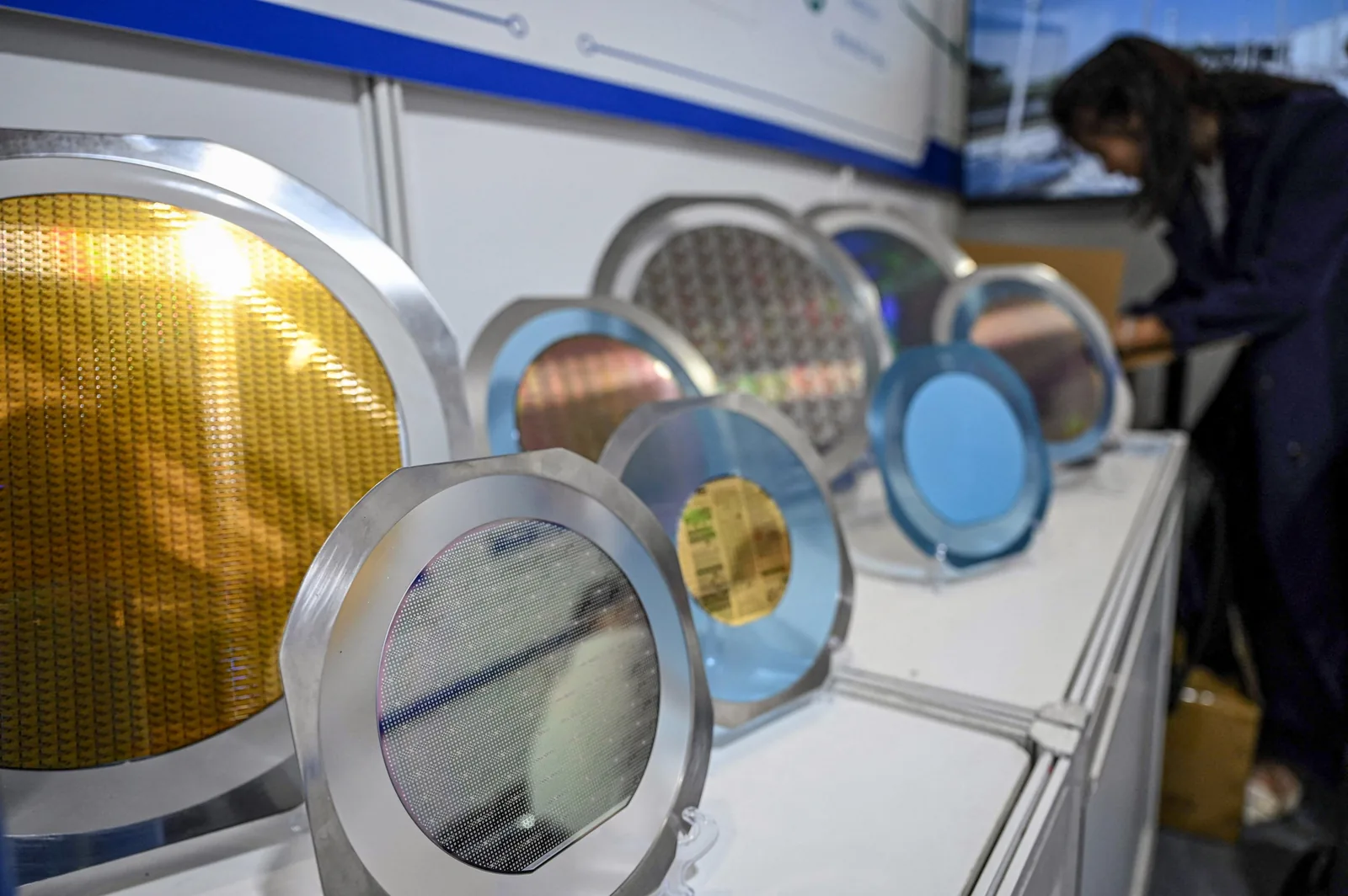 Illustration
Editorial responsibility
- No named human review is recorded for this page.
- Reports are grouped by semantic similarity and deterministic rules. Language models may assist titles, summaries, translation and cross-source analysis; the page reads the event directly, while its address stays stable when the title changes.
- Summary covers the current reports
Cross-source coverage
Common ground
- China's domestic demand for SiC devices is real and growing, driven by its dominant EV market.
- Galaxy Microelectronics has existing experience in power discretes and relationships with Chinese EV supply chains.
- The project faces significant execution risks, including equipment export controls and long qualification cycles.
- China's broader goal of semiconductor self-sufficiency adds strategic weight to this investment.
Points of contention
- Whether the retrofit approach is a smart capital move or a red flag for hidden risks.
- Whether Galaxy can capture domestic SiC demand without committed customer contracts or proven process maturity.
- Whether the depreciation math makes this a viable business or a value trap that will destroy shareholder value.
- Whether government support and strategic necessity justify the financial risks, or if Galaxy is the wrong vehicle for this goal.
Blind spots
- Neither side fully addresses how Galaxy will source specialized SiC equipment under strict US-Japan export controls.
- The debate overlooks the potential for domestic Chinese equipment alternatives and their current yield limitations.
- There's little discussion of how Galaxy's existing customer relationships might shorten qualification cycles for SiC devices.
- The long-term impact on global SiC pricing and supply chain dynamics if China succeeds is not explored.
WorldAttention’s read
Galaxy Microelectronics' 1.078 billion yuan SiC investment is a high-stakes bet that reflects China's push for semiconductor self-sufficiency. The project has real potential given strong domestic demand and Galaxy's existing foothold in power discretes, but it also carries serious risks: heavy depreciation costs, uncertain customer commitments, and tight export controls on key equipment. While the strategic necessity argument is compelling, the financial viability remains questionable without clearer details on equipment sourcing, customer pre-orders, and technical milestones. Ultimately, this investment may succeed in building some SiC capacity, but it could also strain Galaxy's balance sheet and take years to pay off, making it a gamble that blends national ambition with corporate risk.
Reporting timeline
Galaxy Microelectronics to Invest 10.78 Billion Yuan in High-End Core Device Project
Galaxy Microelectronics (银河微电) announced in an evening filing that it plans to invest 10.78 billion yuan of its own or self-raised funds in a project called 'High-End Core Device Industrialization and Innovation Capability Building.' The project aims to enhance the company's manufacturing capabilities for integrated circuit discrete devices and expand production scale. Products under the project include power discrete devices and third-generation semiconductor devices using advanced chip structures such as SGT/SJ, IGBT, and SiC/GaN, which are designed to meet high-reliability standards like AEC-Q101 for applications in new energy vehicles, energy storage, and industrial sectors. Specific products include SGT MOS, super-junction MOS, IGBT and modules, SiC devices, IPM modules, and automotive-grade TVS/ESD, moving beyond traditional consumer-grade small-signal diodes and low-voltage planar devices. The company stated that the project aligns with its overall development strategy, will enrich its product portfolio, expand market coverage, create new revenue growth, improve profitability and competitiveness, enhance supply and system solution capabilities, deepen cooperation with upstream and downstream partners, and consolidate its market position for long-term stable development.
Read sourceGalaxy Microelectronics Plans 1.078 Billion Yuan Investment in High-End Core Device Project
Galaxy Microelectronics (银河微电) announced on September 21 that it plans to invest 1.078 billion yuan of its own or self-raised funds to implement the 'High-End Core Device Industrialization and Innovation Capability Construction Project.' This project is a continuation and industrialization phase of the previously disclosed 'High-End Integrated Circuit Discrete Device Industrialization Base Phase I Plant Construction Project.' The project does not involve new civil construction but requires factory renovation, equipment procurement and installation, production line commissioning, and customer verification. The company warned that if equipment delivery, commissioning progress, customer introduction, phased investment arrangements, or funding arrangements fall short of expectations, the project may be delayed or fail to reach production capacity on schedule, and the resulting new depreciation and amortization may pressure the company's operating performance.
Read sourceGalaxy Microelectronics to Invest 1.078 Billion Yuan in High-End Core Device Project
Galaxy Microelectronics (银河微电) announced on September 21 via Jin10 that it plans to invest 1.078 billion yuan (approximately 10.78 billion yuan) from its own or self-raised funds to implement the 'High-End Core Device Industrialization and Innovation Capability Construction Project.' The project is a continuation and industrialization phase of the previously disclosed 'High-End Integrated Circuit Discrete Device Industrialization Base Phase I Plant Construction Project.' It does not involve new civil construction but requires factory renovation, equipment procurement and installation, production line commissioning, and customer validation. The company warned that if equipment delivery, commissioning progress, customer onboarding, phased investment arrangements, or funding fall short of expectations, the project may be delayed or fail to reach production targets on schedule, and additional depreciation and amortization could pressure the company's operating performance.
Read sourceShow 4 older updatesHide older updates
Galaxy Microelectronics Plans 1.078 Billion Yuan Investment in High-End Core Device Project
Galaxy Microelectronics (688689.SH) announced on September 21 that it plans to invest 10.78 billion yuan of its own or self-raised funds in a project called 'High-End Core Device Industrialization and Innovation Capability Construction.' The project is a continuation of the previously disclosed 'High-End Integrated Circuit Discrete Device Industrialization Base Phase I Plant Construction Project.' It will involve renovation, equipment procurement and installation, production line commissioning, and customer verification based on the Phase I plant. The products are aimed at high-barrier application scenarios including new energy vehicles, energy storage, and industrial sectors. Key products include SGT MOSFETs, super-junction MOSFETs, IGBTs and modules, SiC devices, IPM modules, and automotive-grade TVS/ESD components.
Read sourceGalaxy Microelectronics Plans 1.078 Billion Yuan Investment in High-End Core Device Project
Galaxy Microelectronics (688689.SH) announced on September 21 that it plans to invest 1.078 billion yuan in a project titled 'High-End Core Device Industrialization and Innovation Capability Construction.' The project is a continuation of the previously disclosed 'High-End Integrated Circuit Discrete Device Industrialization Base Phase I Plant Construction Project.' It involves renovation, equipment procurement and installation, production line commissioning, and customer verification based on the Phase I plant. The products covered by this project include power discrete devices and third-generation semiconductor devices using advanced chip structures such as SGT/SJ, IGBT, and SiC/GaN. These products are designed to meet high-reliability certifications like AEC-Q101 and target high-barrier applications including new energy vehicles, energy storage, and industrial sectors. They feature low power loss, high ESD/avalanche resistance, and long lifespan. Specific products include SGT MOSFETs, super-junction MOSFETs, IGBTs and modules, SiC devices, IPM modules, and automotive-grade TVS/ESD devices, distinguishing them from traditional consumer-grade small-signal diodes and ordinary low-voltage planar devices.
Galaxy Microelectronics Plans 1.08 Billion Yuan Investment in High-End Core Device Project
Galaxy Microelectronics (stock code: 688689) announced on September 21 that it plans to invest 10.78 billion yuan (approximately $1.08 billion) in a project called 'High-End Core Device Industrialization and Innovation Capability Construction.' The investment, funded by the company's own or self-raised capital, aims to enhance its manufacturing and processing capabilities for integrated circuit discrete devices and expand production scale. The project has a construction period of three years, with an expected start date of January 1, 2027. The announcement was reported by People's Financial Information on September 21 and sourced from Stockstar Securities News.
Read sourceGalaxy Microelectronics Plans 1.078 Billion Yuan Investment in High-End Core Device Project
According to a report from Securities Times, relayed by East Money on September 21, Galaxy Microelectronics (银河微电) announced plans to invest 10.78 billion yuan (approximately 1.078 billion yuan) in a project titled 'High-End Core Device Industrialization and Innovation Capability Construction.' The funds will come from the company's own or self-raised capital. The project has a construction period of three years, with an expected start date of January 1, 2027. The investment aims to expand the company's production scale for discrete semiconductor devices. No further details on the specific products or capacity targets were provided in the announcement.
Read source