CXMT mass-produces fifth-generation DRAM platform, boosting die yield by 50%
ChangXin Memory Technologies (CXMT) announced at the World Manufacturing Conference on September 20 that its fifth-generation DRAM technology platform (G5) has entered mass production. The platform achieves an 11.95nm half-pitch, increasing dies per wafer by at least 50% over the previous generation. CXMT also unveiled 24Gb LPDDR5X products based on G5 and confirmed its LPDDR6 chip has debuted in Xiaomi’s 18 Fold smartphone. The company reported first-half 2026 revenue of RMB 150.31 billion, up 8.7 times year-on-year.
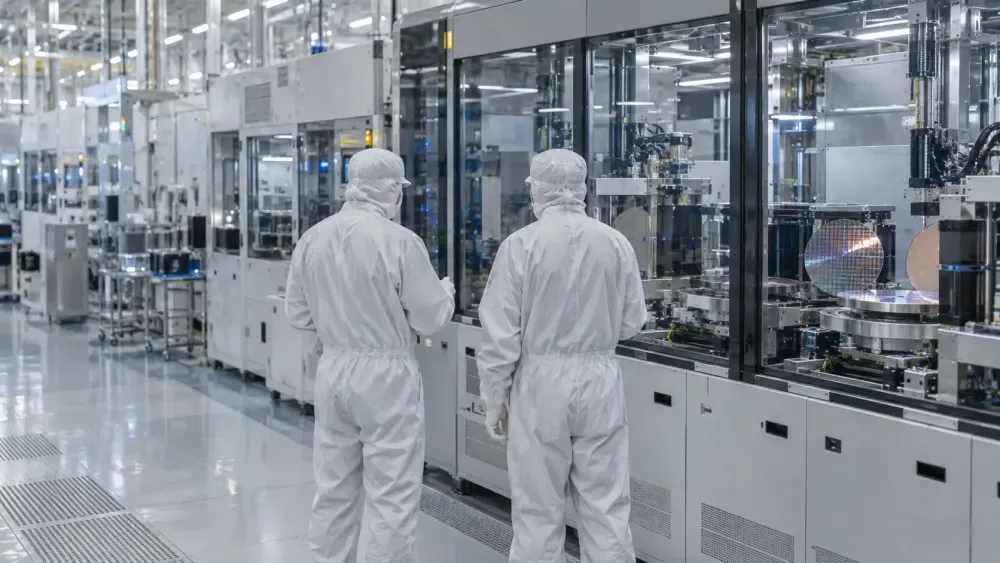 Reference image
Editorial responsibility
- No named human review is recorded for this page.
- Reports are grouped by semantic similarity and deterministic rules. Language models may assist titles, summaries, translation and cross-source analysis; the page reads the event directly, while its address stays stable when the title changes.
- Summary covers the current reports
Cross-source coverage
Reporting timeline
CXMT Begins Mass Production of Fifth-Generation DRAM Technology Platform
On September 20, 2026, at the World Manufacturing Conference, ChangXin Memory Technologies (CXMT) announced that its fifth-generation DRAM technology platform (G5) has entered mass production. The G5 platform features a miniaturized active area half-pitch of 11.95 nanometers, a storage capacitor aspect ratio of 45:1, and a core functional area height of 6762 nanometers, achieved through innovations in quadruple-patterning, high-k metal gate (HKMG) processes, and a digital twin system. Compared to the fourth-generation platform, the G5 platform increases dies per wafer by at least 50%. CXMT also showcased two mass-produced LPDDR5X products based on this platform, each with a capacity of 24Gb, a 50% increase over previous-generation products. These products are available in 496-ball and 245-ball packages for smartphones and portable electronics. CXMT stated it will continue technology iterations to meet global market demands.
Read sourceChangxin Technology Debuts LPDDR6, Announces G5 Platform Mass Production at World Manufacturing Convention
At the 2024 World Manufacturing Convention in Hefei on September 20, Changxin Technology (CXMT) announced that its G5 platform has entered mass production and is being used in flagship smartphones from domestic brands. Vice President Luo Xiaodong stated that the G5 platform uses innovative quadruple patterning technology to shrink the memory array active area half-pitch to 11.95 nanometers, approaching the world's most advanced DRAM mass production process. The platform yields at least 50% more die per wafer than the previous generation. The company also showcased its newly mass-produced LPDDR6 memory, which achieves a maximum data rate of 12,800 Mbps, 20% faster than LPDDR5X with 20% lower power consumption. This marks the first time a Chinese memory company has achieved global first mass production of a high-end memory standard. The LPDDR6 will first be used in Xiaomi's 18 Fold foldable flagship phone. Additionally, two LPDDR5X products based on the G5 platform were exhibited, each with 24Gb single-die capacity, a 50% increase over the previous generation. Luo Xiaodong noted that Changxin has progressed from its first-generation DDR4 memory chip in 2019 to the current fifth-generation platform, breaking the long-standing foreign monopoly on DRAM memory chips.
Read sourceCXMT Announces Mass Production of Fifth-Generation DRAM Technology Platform
ChangXin Memory Technologies (CXMT) has officially announced mass production of its fifth-generation (G5) DRAM technology platform, according to a report from East Money. The G5 platform achieves a half-pitch of 11.95 nanometers using quadruple-patterning lithography, approaching industry-leading nodes. Storage density has improved significantly, with the number of dies per wafer increasing by at least 50% compared to the fourth-generation platform, which analysts say could substantially reduce unit manufacturing costs pending yield rates. CXMT also showcased two LPDDR5X mass-produced products based on the G5 platform, each with 24Gb capacity, and announced that its LPDDR6 chips have entered commercial deployment in Xiaomi's 18 Fold smartphone. The company reported operating revenue of RMB 150.31 billion in the first half of 2026, an 8.7-fold year-on-year increase, with net profit of RMB 77.605 billion. Industry analysts cited in the article note that global DRAM supply remains tight as manufacturers shift capacity to HBM and server DDR5, creating structural opportunities for CXMT. Market forecasts suggest DRAM prices may continue rising in Q3 2026, though at a slower pace.
Read sourceShow 4 older updatesHide older updates
ChangXin Memory Technologies Announces G5 DRAM Platform Mass Production and LPDDR5X Launch
ChangXin Memory Technologies (CXMT), a leading domestic memory manufacturer, announced a major breakthrough at the World Manufacturing Conference on September 20: its fifth-generation DRAM technology platform (G5) has entered mass production. The company stated that the number of dies per wafer has increased by at least 50% compared to the previous generation, and it unveiled new high-capacity LPDDR5X products based on this platform. CXMT's subsidiary, Changxin Storage, disclosed that the G5 platform's process level rivals industry top-tier nodes, achieving a half-pitch of 11.95 nanometers in the memory array active area. The company also showcased two mass-produced LPDDR5X products with 24Gb single-chip capacity, a 50% increase over previous-generation products, targeting mid-to-high-end smartphones and portable electronics. Separately, Changxin Storage's independently developed LPDDR6 chip entered mass production and debuted in the Xiaomi 18 Fold flagship smartphone, marking the first global commercial deployment of LPDDR6 in a flagship phone. The company forecasts growing demand for high-performance, low-power memory, with LPDDR6 future deployment scenarios including smartphones, computers, intelligent vehicles, wearables, and robots. CXMT's semi-annual report showed operating revenue of RMB 150.31 billion in the first half of 2026, up approximately 8.7 times year-on-year, with net profit of RMB 77.605 billion and core business gross margin surging to 84.84%.
Read sourceCXMT Mass Produces 24GB LPDDR5X; Memory Chip Market Forecast to 2030
An article from East Money reports that ChangXin Memory Technologies (CXMT) has mass-produced 24GB LPDDR5X memory chips based on its fifth-generation process platform, which increases wafer output by over 50% compared to the previous generation. These chips are now widely used in domestic flagship smartphones. The article cites LeadLeo Research Institute, which forecasts that AI server and data center memory chip prices will remain high through the first half of 2026-2027, then stabilize and slightly decline after new global capacity comes online from late 2027 to 2028, but will not return to previous trough levels due to long-term AI demand. LeadLeo also notes that YMTC's global market share in 3D NAND has exceeded 13%, and CXMT is now the world's fourth-largest DRAM manufacturer, breaking the overseas monopoly. The China memory chip market is projected to grow from RMB 328.4 billion in 2025 to a peak of RMB 1,961.4 billion in 2028, before declining to RMB 1,442.3 billion in 2030. Midstream activities (design and manufacturing) account for 40-45% of the industrial chain value.
Read sourceCXMT Announces Mass Production of Fifth-Generation DRAM Platform with 50% Die Yield Increase
Changxin Memory Technologies (CXMT), China's leading domestic memory manufacturer, announced at the World Manufacturing Conference on September 20 that its fifth-generation DRAM technology platform (G5) has achieved mass production. The G5 platform features an active area half-pitch of 11.95 nanometers, approaching the world's most advanced nodes, and increases the number of dies per wafer by at least 50% compared to the previous generation. CXMT also unveiled new high-capacity LPDDR5X products based on this platform, with single-chip capacities of 24Gb, a 50% increase over previous-generation products. The company stated it will continue technology iterations in response to global market demand. Separately, CXMT's self-developed LPDDR6 chip has entered mass production and commercial use, debuting in the Xiaomi 18 Fold flagship smartphone. The company's semi-annual report shows revenue of RMB 150.31 billion in the first half of 2026, up approximately 8.7 times year-on-year, with net profit of RMB 77.605 billion. According to CFM Flash Market data, CXMT's global DRAM market share approached 10% in Q2 2026, ranking fourth.
Read sourceCXMT Achieves Breakthrough with Fifth-Generation DRAM Technology Platform
On September 20, ChangXin Memory Technologies (CXMT) announced at the World Manufacturing Conference that its fifth-generation DRAM technology platform (G5) has entered mass production. The company also showcased new large-capacity LPDDR5X products built on this platform. According to CXMT, the G5 platform achieves multiple industry-leading technical breakthroughs, including shrinking the active area half-pitch of the memory array to 11.95 nanometers using innovative quadruple patterning technology, approaching the world's most advanced DRAM mass production process nodes. The breakthrough in G5 miniaturization technology has significantly improved storage density, with the number of die per wafer increasing by at least 50% compared to the fourth-generation platform (based on 8Gb equivalent particles). This provides advantages in product energy efficiency and cost control. CXMT also displayed two LPDDR5X mass-produced products based on the G5 platform, each with a capacity of 24Gb, a 50% increase over the previous generation. These products are available in 496Ball and 245Ball packaging specifications, suitable for mid-to-high-end smartphones and portable consumer electronics. The company noted that the world's first AI agent AI smartphone has made substantial progress in adopting its memory. CXMT stated that the G5 platform's process level is comparable to the industry's top mass production process nodes, marking a milestone breakthrough in high-end storage technology.
Read source