China protests US Typhon missile deployment in Japan, warns of remilitarization
On September 21, Chinese Foreign Ministry spokesperson Guo Jiakun confirmed that China has formally protested to Japan over the planned US deployment of the Typhon intermediate-range missile system in Kyushu. Guo described the system as a strategic offensive weapon, warning that Japan's introduction accelerates its "remilitarization," heightens military confrontation risks, and threatens regional stability. Russia had also sent a diplomatic note to Japan on September 18 opposing the deployment.
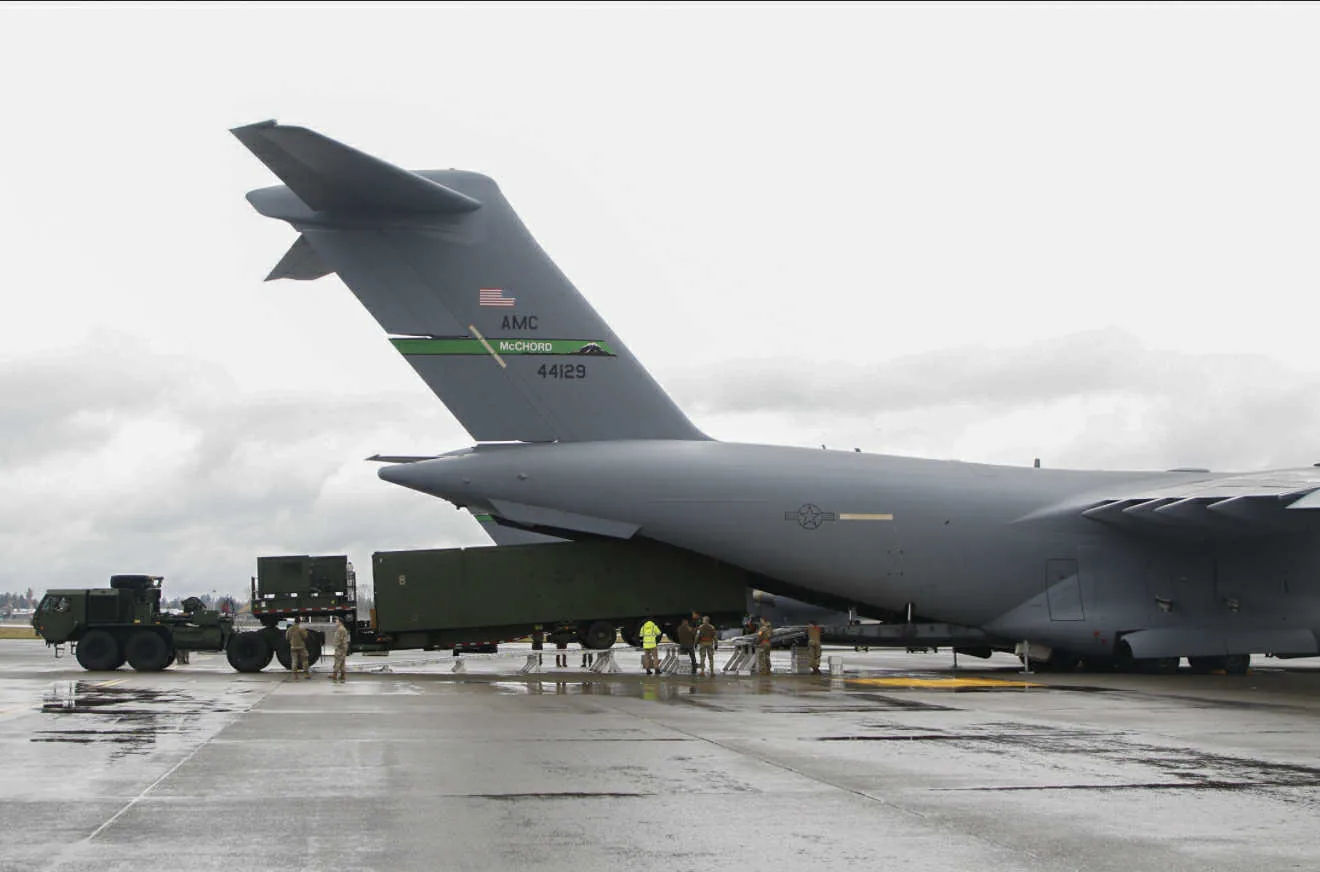 Reference image
Editorial responsibility
- No named human review is recorded for this page.
- Reports are grouped by semantic similarity and deterministic rules. Language models may assist titles, summaries, translation and cross-source analysis; the page reads the event directly, while its address stays stable when the title changes.
- Summary covers the current reports
Cross-source coverage
Reporting timeline
China Urges Japan to Halt Militarization Over US Missile Deployment
On September 21, Chinese Foreign Ministry spokesperson Guo Jiakun addressed a reporter's question regarding Russia's recent diplomatic note to Japan protesting the deployment of the US 'Typhon' intermediate-range missile system in Kyushu. Guo confirmed that China has also formally expressed its concerns to Japan through diplomatic channels. He stated that the 'Typhon' system is a strategic offensive weapon, and Japan's introduction of it is further evidence of its accelerated 're-militarization.' This move, he argued, heightens the risk of military confrontation and an arms race, threatens strategic balance and regional stability, and undermines the legitimate security interests of neighboring countries. Guo noted that the international community is highly vigilant, and many Asian citizens have voiced opposition. He reiterated that China has lodged strong protests with Japan multiple times and recently sent a note reaffirming its stern position. Marking the 80th anniversary of the Tokyo Trials, Guo urged Japan to deeply reflect on its history of aggression, heed regional concerns, and stop pursuing any 're-militarization' plans.
Read sourceChina Urges Japan to Reflect on Aggression History, Stop 'Remilitarization' Over US Missile Deployment
On September 21, Chinese Foreign Ministry spokesperson Guo Jiakun held a regular press conference. Responding to a question about Russia's recent démarche to Japan regarding the US deployment of 'Typhon' intermediate-range missile systems in Kyushu, Guo confirmed that China has also formally protested to Japan through diplomatic channels. He stated that the 'Typhon' system is a strategic offensive weapon, and Japan's introduction of it is further evidence of its accelerated 'remilitarization.' This move increases the risk of military confrontation and an arms race, threatens strategic balance and regional stability, and harms the legitimate security interests of neighboring countries. Guo noted that the international community is highly vigilant, and many Asian citizens oppose it. He reiterated China's strong protest and stern position, noting that this year marks the 80th anniversary of the Tokyo Trials. He urged Japan to deeply reflect on its history of aggression, heed the calls of regional countries, and cease any 'remilitarization' schemes.
Read sourceChina Says Japan's Introduction of Typhon Missile System Accelerates Remilitarization
On September 21, Chinese Foreign Ministry spokesperson Guo Jiakun stated at a regular press conference that Japan's introduction of the US 'Typhon' intermediate-range missile system is evidence of its accelerated 'remilitarization.' Responding to a journalist's query about Russia's recent diplomatic note to Japan on the same issue, Guo confirmed that China has also formally expressed its concerns to Japan via diplomatic channels. He described the Typhon system as a strategic offensive weapon, warning that its deployment in Japan increases the risk of military confrontation and an arms race, threatens strategic balance and regional stability, and harms the legitimate security interests of neighboring countries. Guo added that the international community is highly vigilant about this development and that many Asian people have voiced opposition. China has repeatedly lodged strong protests with Japan through diplomatic channels and recently reiterated its stern position in a formal note.
Show 2 older updatesHide older updates
China: Japan's Typhoon Missile System Deployment Accelerates Remilitarization
On September 21, Chinese Foreign Ministry spokesperson Guo Jiakun stated at a regular press conference that Japan's introduction of the 'Typhoon' medium-range missile system is further evidence of its accelerated 'remilitarization.' He described the system as a strategic offensive weapon that increases the risk of military confrontation and an arms race, threatening strategic balance and regional stability while harming the legitimate security interests of neighboring countries. Guo noted that the international community is highly vigilant, and many Asian citizens have voiced opposition. China has repeatedly lodged strong protests through diplomatic channels and recently sent a formal note to Japan reiterating its stern position. The spokesperson also urged Japan to deeply reflect on its history of aggression, heed regional concerns, and stop pursuing any 'remilitarization' plans, especially as this year marks the 80th anniversary of the Tokyo Trials. The remarks came in response to a reporter's question about a Russian Foreign Ministry statement on September 18 that had also protested the deployment of the Typhoon system in Japan's Kyushu region.
China Says Japan's Introduction of Typhon Missile System Accelerates Remilitarization
On September 21, Chinese Foreign Ministry spokesperson Guo Jiakun stated at a regular press conference that Japan's introduction of the US-made Typhon (Tifeng) intermediate-range missile system is evidence of Japan accelerating its 're-militarization.' Guo described the Typhon system as a strategic offensive weapon, warning that its deployment increases the risk of military confrontation and an arms race, threatens strategic balance and regional stability, and harms the legitimate security interests of neighboring countries. He noted that the international community is highly vigilant and that many Asian citizens have voiced opposition. Guo confirmed that China has repeatedly lodged strong protests through diplomatic channels and recently sent a formal note to Japan reiterating its stern position. The remarks came in response to a reporter's question about a Russian Foreign Ministry statement on September 18, which also protested the planned deployment of the Typhon system on Japan's Kyushu island and urged Japan to fully recognize the outcomes of World War II and stop re-militarization.