China Assures Food Security as Super El Niño and Conflicts Raise Global Grain Risks
On September 21, China's National Food and Strategic Reserves Administration stated that the country's food security is reliably guaranteed despite a "super El Niño" and geopolitical conflicts disrupting global grain supply chains. Officials cited stable domestic production, with annual grain output reaching 715 million tons in 2025, a comprehensive reserve system with a stock-to-consumption ratio well above the 17-18% international safety threshold, and a robust processing industry with 24,000 enterprises. The NDRC later outlined four response measures.
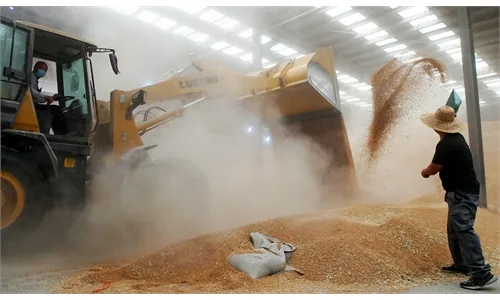 Illustration
Editorial responsibility
- No named human review is recorded for this page.
- Reports are grouped by semantic similarity and deterministic rules. Language models may assist titles, summaries, translation and cross-source analysis; the page reads the event directly, while its address stays stable when the title changes.
- Summary covers the current reports
Cross-source coverage
Reporting timeline
China's Food Security Reliably Guaranteed Amid Rising Global Grain Prices, Official Says
Amid forecasts of rising international grain prices due to El Niño and geopolitical conflicts, China's National Food and Strategic Reserves Administration head Liu Huanxin stated at a September 21 press conference that China's food market remains stable and its food security is reliably guaranteed. Liu noted that global food security uncertainty is increasing due to El Niño intensifying and transport disruptions from conflicts raising costs. He emphasized the need for calm observation and proactive response. China's grain output has exceeded 650 million tons annually since 2015, reaching 715 million tons in 2025, with per capita grain possession over 500 kg. The country has a comprehensive grain reserve system with a stock-to-consumption ratio well above the 17-18% international safety line. China has 24,000 grain processing enterprises with annual industrial output over 4 trillion yuan, sufficient to meet national consumption. The government has established a four-tier emergency response system and seven regional emergency support centers, with daily processing capacity exceeding 180 million tons. Deputy Director Qian Yi outlined plans to improve five systems during the 15th Five-Year Plan period.
Read sourceEl Nino Raises Global Grain Prices, China Confirms Food Security Is Reliable
China's National Food and Strategic Reserves Administration Director Liu Huanxin stated at a September 21 press conference that while international grain markets are experiencing volatility due to El Nino and geopolitical conflicts, China's food market remains stable and its food security is reliably guaranteed. Liu noted that China's grain output exceeded 7 billion tons in 2024 and reached 7.15 billion tons in 2025, with per capita grain possession above 500 kg. He emphasized that the country's grain inventory-to-consumption ratio is well above the 17-18% international safety threshold. Separately, Renmin University professor Cheng Guoqiang attributed the global food security crisis to ongoing conflicts affecting 19 countries and 147.4 million people, and called for stopping conflicts, maintaining trade openness, investing in climate-resilient agriculture, and closing funding gaps for low-income nations.
China's NDRC Reassures Food Supply Amid Super El Nino Threat to Global Crops
China's National Development and Reform Commission (NDRC) spokesperson Li Chao stated on October 22 that a super El Nino event is expected this autumn and winter, peaking by year-end, with effects lasting into next summer, creating significant uncertainty for global grain production. Li emphasized that China's agricultural sector is well-prepared, citing over 1 billion mu of high-standard farmland, a 96% crop seed coverage rate, and a record grain output of 1.43 trillion jin in 2025. The NDRC outlined four response measures: enhancing disaster monitoring and early warning, upgrading irrigation and drainage infrastructure, boosting seed technology for cold and drought resistance, and stabilizing markets through reserve adjustments and minimum purchase price policies. Separately, National Food and Strategic Reserves Administration head Liu Huanxin noted that El Nino and geopolitical conflicts are increasing global food insecurity, but China's food market remains stable. Data from FAO and Goldman Sachs highlight rising global food prices and fertilizer costs, with the World Bank forecasting a 31% increase in global fertilizer prices by 2026. Analysts from CICC and the State Council's Development Research Center warn that extreme weather and geopolitical tensions pose systemic risks, though China's comprehensive supply chain safeguards provide resilience.
Show 17 older updatesHide older updates
China's Grain Market Remains Stable, Food Security Reliably Guaranteed, Official Says
At a September 21 press conference for the '15th Five-Year Plan' series, Liu Huanxin, head of China's National Food and Strategic Reserves Administration, stated that while global food security uncertainty is rising due to the intensifying El Niño phenomenon and geopolitical conflicts affecting transport and fertilizer costs, China's grain market remains broadly stable. He attributed this stability to robust domestic production, with annual grain output exceeding 650 million tons since 2015, reaching 715 million tons in 2025, and per capita grain possession above 500 kg. China has a comprehensive reserve system with a stock-to-consumption ratio well above the international safety line of 17-18%, enabling market regulation through reserve releases. The country also has a strong processing sector with 24,000 enterprises and an annual industrial output value exceeding 4 trillion yuan, ensuring sufficient supply of finished grain and oil products.
Read sourceChina's Grain Market Remains Stable Amid Global Food Security Uncertainties, Official Says
In a press conference on September 21, Liu Huanxin, head of China's National Food and Strategic Reserves Administration, stated that China's grain market remains generally stable and food security is reliably guaranteed, despite global market fluctuations. He noted that the World Meteorological Organization predicts a strengthening El Niño phenomenon that could impact global grain production, while geopolitical conflicts are disrupting transport routes and raising fertilizer costs, increasing global food security uncertainties. Liu emphasized that China's grain production is resilient and stable, with annual output exceeding 650 million tons since 2015, reaching 715 million tons in 2025, and per capita grain possession exceeding 500 kilograms—above the world average. He also highlighted China's comprehensive grain reserve system, including government and enterprise reserves, with a grain stock-to-consumption ratio far above the international food security warning line of 17-18%. Liu stated that if market anomalies occur, China can use reserve releases to adjust supply and demand and stabilize the market.
Read sourceChina's Grain Market Stable Amid Global Volatility, Official Says at Press Conference
At a State Council Information Office press conference on the '15th Five-Year Plan', Liu Huanxin, head of the National Food and Strategic Reserves Administration, stated that China's grain market remains stable despite global volatility. He cited strong domestic production, with annual output exceeding 6.5 billion tonnes since 2015, reaching 7.15 billion tonnes in 2025, and per capita grain possession over 500 kg. Liu noted that the country's grain reserve system is robust, with a stock-to-consumption ratio well above the 17-18% international safety line, enabling market stabilization through reserve releases. He also highlighted a comprehensive processing industry with 24,000 enterprises and annual industrial output over 4 trillion yuan, ensuring sufficient supply of flour, rice, and cooking oil. The remarks come amid warnings from the World Meteorological Organization about intensifying El Niño effects on global production, and geopolitical disruptions to transport and fertilizer costs.
Read sourceChina's Grain Market Stable Despite Global Volatility, Official Says at Press Conference
At a State Council Information Office press conference on the '15th Five-Year Plan,' Liu Huanxin, head of China's National Food and Strategic Reserves Administration, stated that while international grain markets are experiencing volatility, China's grain market remains generally stable and food security is reliably guaranteed. He noted that the World Meteorological Organization predicts a strengthening El Niño phenomenon will impact global grain production, and geopolitical conflicts are disrupting transport routes and raising fertilizer costs, increasing global food security uncertainty. Liu emphasized China's strong grain production resilience, with annual output stable above 650 million tonnes since 2015, reaching 715 million tonnes in 2025, and per capita grain possession exceeding 500 kg. He highlighted China's comprehensive grain reserve system, with a stock-to-consumption ratio well above the 17-18% international security threshold, enabling market stabilization through reserve releases. Additionally, China's grain processing sector includes 24,000 enterprises with annual industrial output exceeding 4 trillion yuan, fully capable of meeting domestic demand for flour, rice, and cooking oil.
Read sourceChina's Grain Market Remains Stable, Food Security Reliably Guaranteed, Official Says
In a press conference on September 21, Liu Huanxin, head of China's National Food and Strategic Reserves Administration, stated that despite international grain market fluctuations due to El Niño and geopolitical conflicts, China's grain market remains generally stable and food security is reliably guaranteed. Liu attributed this stability to strong domestic production resilience, with annual grain output exceeding 650 million tons since 2015, reaching 715 million tons in 2025. Per capita grain possession exceeds 500 kilograms, above the global average. He highlighted a comprehensive reserve system including government and enterprise reserves, with a stock-to-consumption ratio well above the 17-18% international security threshold, allowing for market intervention if needed. Additionally, China's grain processing industry comprises 24,000 enterprises with annual industrial output over 4 trillion yuan, ensuring sufficient capacity for flour, rice, and cooking oil to meet consumer demand.
Read sourceChina's grain market remains stable despite global uncertainties, official says
Liu Huanxin, head of China's National Food and Strategic Reserves Administration, stated on September 21 that China's grain market remains generally stable despite rising global food security uncertainties. Speaking at a State Council Information Office press conference on the '15th Five-Year Plan' period, Liu noted that the World Meteorological Organization predicts strengthening El Niño conditions will impact global food production, while geopolitical conflicts disrupt transport routes and raise fertilizer costs. He emphasized that China's food security is reliably guaranteed. Liu highlighted that China's annual grain output has exceeded 650 million tonnes since 2015, surpassed 700 million tonnes in 2024, and reached 715 million tonnes in 2025, with per capita grain possession exceeding 500 kilograms—above the world average. He also stated that China has built a comprehensive grain reserve system including government and enterprise reserves, with the ratio of total grain stocks to consumption far exceeding the international food security warning line of 17-18%. Additionally, China has 24,000 grain processing enterprises with sufficient capacity to meet consumer demand. Liu stressed that ensuring national food security requires both confidence and vigilance, urging continuous monitoring and proactive responses to changing conditions.
Read sourceChina's Grain Administrator Responds to Rising Global Food Prices, Says Domestic Supply Secure
Amid forecasts of continued international food price increases driven by the El Niño weather phenomenon and geopolitical conflicts, China's National Food and Strategic Reserves Administration head Liu Huanxin addressed the issue at a September 21 State Council press conference. Liu acknowledged that the El Niño pattern is intensifying and that geopolitical tensions are disrupting transport routes and raising fertilizer costs, increasing global food security uncertainty. However, he emphasized that China's grain market remains stable and its food security is reliably guaranteed. He cited China's annual grain output exceeding 6.5 billion tonnes since 2015, reaching 7.15 billion tonnes in 2025, and a per capita grain possession above 500 kilograms. Liu highlighted a robust reserve system with a stock-to-consumption ratio well above the international safety threshold of 17-18%, and a strong processing industry with 24,000 enterprises capable of meeting domestic demand. Deputy Director Qian Yi outlined plans for the 15th Five-Year Plan period to enhance emergency response systems, including improved command, reserve, processing, monitoring, and coordination mechanisms.
Read sourceChina Says Grain Market Stable, Food Security Assured Despite El Nino and Geopolitical Risks
On September 21, China's State Council Information Office held a press conference on safeguarding national food security. Liu Huanxin, head of the National Food and Strategic Reserves Administration, addressed concerns that international food prices may rise due to El Nino and geopolitical conflicts. He noted that while international wheat, corn, and soybean futures rose in August, China's grain market remains stable and its food security is reliably guaranteed. Liu cited three pillars: production resilience with annual output exceeding 6.5 billion tons since 2015 and reaching 7.15 billion tons in 2025; a comprehensive reserve system with a stock-to-consumption ratio well above the 17-18% international safety line; and a robust processing industry with 24,000 enterprises capable of meeting domestic demand. He emphasized the need to monitor global uncertainties, including the World Meteorological Organization's forecast of a strengthening El Nino and supply chain disruptions from conflicts, while maintaining confidence and preparedness.
Read sourceChina's Grain Market Remains Stable, Food Security Reliably Guaranteed, Official Says
At a September 21 press conference held by the State Council Information Office as part of the '15th Five-Year Plan' series, Liu Huanxin, head of the National Food and Strategic Reserves Administration, stated that while global food security uncertainty is rising due to the intensifying El Niño phenomenon and geopolitical conflicts affecting transport and fertilizer costs, China's grain market remains broadly stable and its food security is reliably guaranteed. Liu cited strong production resilience, with annual grain output exceeding 6.5 billion tons since 2015, reaching 7.15 billion tons in 2025, and per capita grain possession above 500 kg. He noted a well-established reserve system with a grain stock-to-consumption ratio well above the 17-18% international security threshold, and a robust processing industry with 24,000 enterprises capable of meeting domestic demand for finished grain and oil products.
Read sourceChina's Food Security Reliably Guaranteed Despite Global Price Risks, Official Says
In a September 21 press conference, Liu Huanxin, head of China's National Food and Strategic Reserves Administration, addressed concerns over global food price increases driven by El Niño and geopolitical conflicts. He stated that while international wheat, corn, and soybean futures rose in August, China's food market remains stable and its food security is reliably guaranteed. Liu cited three pillars: stable domestic production, with annual output exceeding 650 million tons since 2015 and reaching 715 million tons in 2025; a comprehensive reserve system with a stock-to-consumption ratio well above the 17-18% international safety threshold; and a robust processing industry with 24,000 enterprises capable of meeting all domestic demand for flour, rice, and cooking oil. He emphasized the need for vigilance and proactive measures to address potential risks, including El Niño's impact on global production and supply chain disruptions from conflicts.
Read sourceChina's Grain Reserves Chief Responds to Rising Global Food Prices, Cites El Nino and Conflicts
Amid international forecasts of rising grain prices due to El Nino and geopolitical conflicts, China's National Food and Strategic Reserves Administration Director Liu Huanxin responded at a September 21 press conference. He acknowledged increased global food security uncertainty from the intensifying El Nino and disrupted transport routes and fertilizer costs from conflicts. However, he emphasized that China's grain market remains stable and its food security is reliably guaranteed. Liu cited China's grain output exceeding 7 billion tons in 2024 and 7.15 billion tons in 2025, with per capita grain possession over 500 kg. He highlighted a robust reserve system with a stock-to-consumption ratio well above the 17-18% international safety line, and a strong processing industry with 24,000 enterprises capable of meeting national demand. Deputy Director Qian Yi outlined plans for the '15th Five-Year Plan' period to enhance emergency response systems, including improved command, reserve, processing, monitoring, and coordination systems.
Read sourceChina's grain official says food market stable despite El Nino and global uncertainty
At a September 21 press conference, Liu Huanxin, head of China's National Food and Strategic Reserves Administration, stated that while international grain markets have experienced fluctuations due to factors including the intensifying El Nino phenomenon, geopolitical conflicts disrupting transport routes, and rising fertilizer costs, China's domestic grain market remains generally stable and its food security is reliably guaranteed. Liu attributed this stability to three pillars: robust and stable production, with annual grain output exceeding 650 million tonnes since 2015, reaching 715 million tonnes in 2025 and per capita grain possession above 500 kg; a comprehensive reserve system with a government and enterprise reserve structure and a stock-to-consumption ratio well above the international safety threshold of 17-18%; and a strong processing industry with 24,000 enterprises capable of meeting all domestic demand for flour, rice, and cooking oil. Liu emphasized the need for continued vigilance and proactive measures to strengthen national food security capabilities.
Read sourceChina's Grain Market Remains Stable Amid Global Uncertainty, Official Says
On September 21, China's State Council Information Office held a press conference on safeguarding national food security. National Food and Strategic Reserves Administration Director Liu Huanxin stated that while the World Meteorological Organization predicts the El Niño phenomenon will intensify, affecting global grain production, and geopolitical conflicts disrupt transport routes and raise fertilizer costs, China's grain market remains generally stable. Liu attributed this stability to three factors: robust production with annual output exceeding 6.5 billion tonnes since 2015, reaching 7.15 billion tonnes in 2025 and per capita grain possession above 500 kg; a comprehensive reserve system with a stock-to-consumption ratio well above the 17-18% international safety line; and a complete processing industry with 24,000 enterprises capable of meeting all domestic demand for flour, rice, and cooking oil.
Read sourceChina's Grain Market Remains Stable, Food Security Reliable, Says National Food and Strategic Reserves Bureau
In a press conference held by the State Council Information Office on September 21, Liu Huanxin, head of the National Food and Strategic Reserves Administration, stated that while global food security uncertainty is increasing due to the intensifying El Niño phenomenon and geopolitical conflicts affecting transport and fertilizer costs, China's grain market remains generally stable and its food security is reliably guaranteed. Liu highlighted three pillars of this stability: production resilience, with annual grain output exceeding 6.5 billion tons since 2015, reaching 7.15 billion tons in 2025 and per capita grain possession above 500 kg; a comprehensive reserve system with government and enterprise reserves, where the stock-to-consumption ratio far exceeds the international safety threshold of 17-18%; and a robust processing industry with 24,000 enterprises covering all categories, capable of fully meeting domestic demand for flour, rice, and edible oil.
Read sourceChina Confident in Food Security Amid Global Market Volatility, Official Says
In a press conference on September 21, Liu Huanxin, head of China's National Food and Strategic Reserves Administration, stated that while global food markets are experiencing volatility due to the El Niño phenomenon and geopolitical conflicts, China's food security is reliably guaranteed. He attributed this to three pillars: stable production, with annual grain output exceeding 6.5 billion tons since 2015 and reaching 7.15 billion tons in 2025; a comprehensive reserve system with a stock-to-consumption ratio well above the international safety threshold of 17-18%; and a robust processing industry with 24,000 enterprises capable of meeting domestic demand. Liu emphasized the need for continued vigilance and proactive measures to address potential risks.
Read sourceChina's Grain Official Says Food Market Stable Despite El Nino and Geopolitical Risks
At a September 21 press conference held by the State Council Information Office, Liu Huanxin, head of China's National Food and Strategic Reserves Administration, stated that while international grain markets have experienced fluctuations, China's food market remains generally stable and its food security is reliably guaranteed. Liu acknowledged that the World Meteorological Organization predicts a strengthening El Nino phenomenon, which will impact global grain production, and that geopolitical conflicts are disrupting transport routes and raising fertilizer costs, increasing global food security uncertainty. He emphasized that China's grain output has been stable at over 650 million tonnes annually since 2015, reaching 715 million tonnes in 2025, with per capita grain possession exceeding 500 kilograms. The country has a comprehensive reserve system with a stock-to-consumption ratio well above the 17-18% international safety threshold, and a robust processing industry with 24,000 enterprises capable of meeting domestic demand. Liu called for continued vigilance and proactive measures to strengthen national food security.
Read sourceChina Says Global Food Security Uncertainty Rising, Domestic Market Stable
At a September 21 press conference on the '15th Five-Year Plan,' Liu Huanxin, head of China's National Food and Strategic Reserves Administration, stated that global food security uncertainty is increasing due to the intensifying El Niño phenomenon and geopolitical conflicts disrupting transport and raising fertilizer costs. He emphasized that China's food market remains stable and its food security is reliably guaranteed. Liu noted that China's grain production has shown strong resilience, with annual output stabilizing above 650 million tons since 2015, reaching 715 million tons in 2025, and per capita grain possession exceeding 500 kilograms. He highlighted a comprehensive reserve system with a grain stock-to-consumption ratio well above the 17-18% international security threshold, allowing for market stabilization through reserve releases. Additionally, China's grain processing industry, with 24,000 enterprises and an annual industrial output value exceeding 4 trillion yuan, is fully capable of meeting domestic consumption needs for flour, rice, and edible oil.
Read source