China overtakes Czech Republic as Germany's top car import source for first time
In the first seven months of 2026, China became Germany's largest source of imported passenger cars for the first time, with 175,000 vehicles imported, a 120.9% year-on-year increase, accounting for 13.8% of Germany's total car imports. The surge was driven by new energy vehicles (NEVs), with Chinese NEV exports to Germany rising 211.2% to 65,235 units from January to May. Meanwhile, German passenger car exports fell 4% to about 2 million units, and production declined 4% year-on-year. The German Association of the Automotive Industry (VDA) forecasts only 2% growth in new car registrations for 2026, still about one-fifth below pre-crisis 2019 levels.
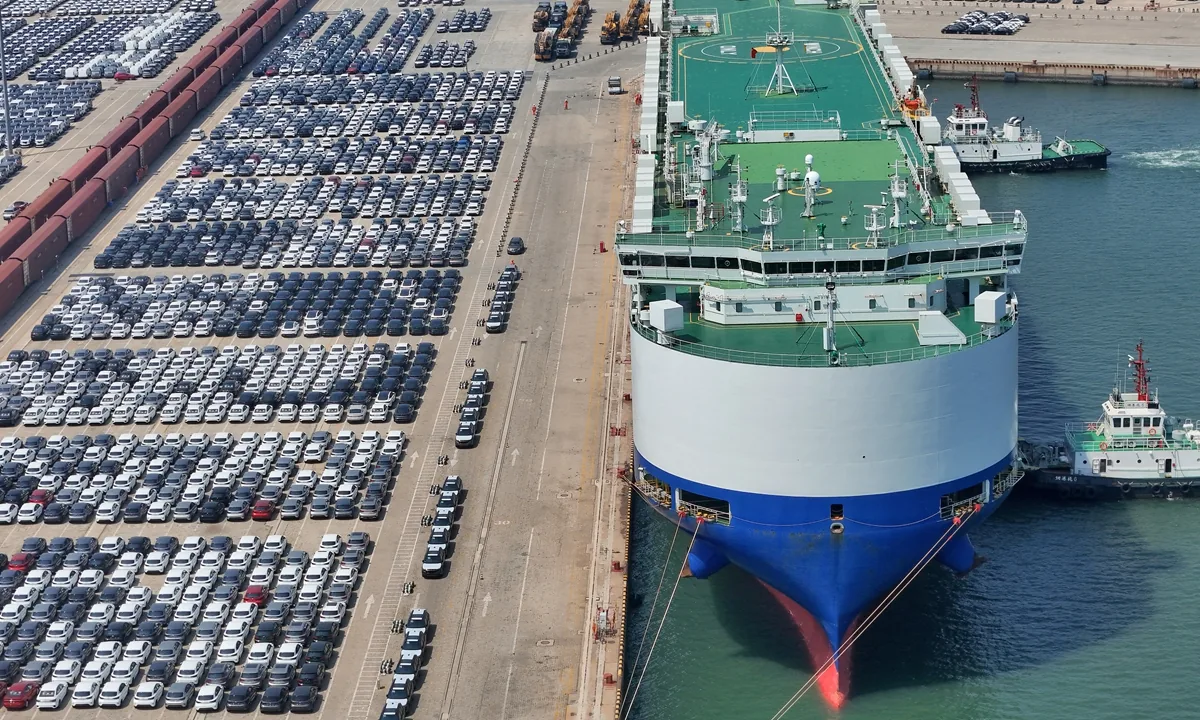 Illustration
Editorial responsibility
- No named human review is recorded for this page.
- Reports are grouped by semantic similarity and deterministic rules. Language models may assist titles, summaries, translation and cross-source analysis; the page reads the event directly, while its address stays stable when the title changes.
- Summary covers the current reports
Cross-source coverage
Reporting timeline
China Overtakes Czech Republic as Germany's Top Car Import Source for First Time
According to data from the German Federal Statistical Office, China has become Germany's largest source of imported passenger cars for the first time in the first seven months of 2026. Germany imported approximately 175,000 passenger cars from China during this period, a year-on-year increase of 120.9%, giving China a 13.8% share of Germany's total car imports. This surge was driven primarily by new energy vehicles (NEVs), with Chinese NEV exports to Germany rising 211.2% year-on-year to 65,235 units from January to May 2026. Meanwhile, German passenger car exports fell 4% to about 2 million units in the same period, and production declined 4% year-on-year. The German Association of the Automotive Industry (VDA) forecasts only 2% growth in new car registrations in Germany for 2026, still about one-fifth below pre-crisis 2019 levels. The article notes that China has long been the largest overseas market for German automakers like Audi and BMW, but the reversal in trade flows indicates a structural shift in the automotive industry narrative.
Read sourceChina becomes Germany's largest car import source for first time in 2026
According to data from the German Federal Statistical Office, China became Germany's largest source of automobile imports for the first time in the first seven months of 2026. Germany imported approximately 175,000 passenger cars from China during this period, a 120.9% year-on-year increase, accounting for 13.8% of Germany's total new car imports. This leapfrogged China from fourth place the previous year, surpassing the Czech Republic (173,000 vehicles) and Spain (157,000 vehicles). The surge was driven by new energy vehicles: pure electric vehicle imports from China rose 66.3%, and hybrid imports rose 36.0%, while fuel vehicle imports fell 9.0%. Combined, pure electric and hybrid vehicles now account for over 56% of Germany's imported car energy mix, though fuel vehicles still hold a 43.7% share. Meanwhile, German auto exports declined 4.0% in volume and 8.9% in value to 73.5 billion euros. Exports to the US saw a 17.1% drop in value despite only a 2.6% volume decline, as fuel vehicle exports to the US rose 31.7% while electric and hybrid exports plunged over 50%.
Read sourceChina becomes Germany's top car import source as NEVs reshape auto industry
According to German Federal Statistical Office data for January-July 2026, China became Germany's largest passenger car import source, with 175,000 vehicles imported, up 120.9% year-on-year, accounting for 13.8% of total imports. This marks the first time China surpassed the Czech Republic. The shift is driven by Chinese new energy vehicles (NEVs), with 65,235 NEVs exported to Germany in January-May 2026, up 211% year-on-year. Meanwhile, German auto exports fell 4% to about 2 million vehicles, and domestic production declined 4% in the first eight months. The German Association of the Automotive Industry (VDA) forecasts only 2% growth in new car registrations for 2026, still about one-fifth below pre-pandemic levels. The article notes that China remains the most important overseas market for German automakers like Audi and BMW.
Read sourceShow 2 older updatesHide older updates
China becomes Germany's top car import source for first time, driven by EVs
According to data released by Germany's Federal Statistical Office on September 21 and reported by financial media on September 23, China became Germany's largest source of automobile imports for the first time in the first seven months of 2026. Germany imported approximately 175,000 passenger cars from China during this period, a surge of 120.9% year-on-year, accounting for 13.8% of total German new car imports. This growth was primarily driven by new energy vehicles: imports of battery electric vehicles (BEVs) from China rose 66.3%, and hybrid vehicles increased 36.0%, while gasoline car imports fell 9.0%. Overall, German car imports rose 16.0% to about 1.3 million vehicles, while exports fell 4.0% to about 2 million vehicles. German car exports to the US declined 2.6% in volume but dropped 17.1% in value, with BEV and hybrid exports plummeting over 50% while gasoline car exports grew 31.7%.
Read sourceChina Becomes Germany's Largest Car Import Source for First Time, Driven by EVs
According to data from the German Federal Statistics Office, China has become Germany's largest source of imported passenger cars for the first time in the first seven months of 2026. Germany imported approximately 175,000 passenger cars from China during this period, a year-on-year increase of 120.9%, surpassing the Czech Republic. China's share of Germany's total car imports reached 13.8%. The surge is primarily driven by new energy vehicles, with 65,235 such vehicles exported from China to Germany from January to May 2026, up 211.2% year-on-year. Meanwhile, German passenger car exports fell 4% to about 2 million units, and production dropped 4% in the same period. The VDA (German Association of the Automotive Industry) forecasts that new car registrations in Germany will grow only 2% to 2.9 million units in 2026, still about one-fifth below pre-crisis 2019 levels. The article notes that this marks a structural turning point for the German auto industry, as Chinese automakers increasingly reshape the automotive narrative.