China rejects EU request for voluntary hybrid vehicle export limits, warns of retaliation
On September 18, China’s Foreign Ministry and Ministry of Commerce firmly opposed the European Union’s reported request for China to voluntarily cap hybrid vehicle exports to Europe or face higher tariffs. Beijing called the demand a violation of WTO rules and market principles, vowing to monitor EU actions and protect Chinese enterprises’ rights. The dispute escalates trade tensions over China’s automotive exports.
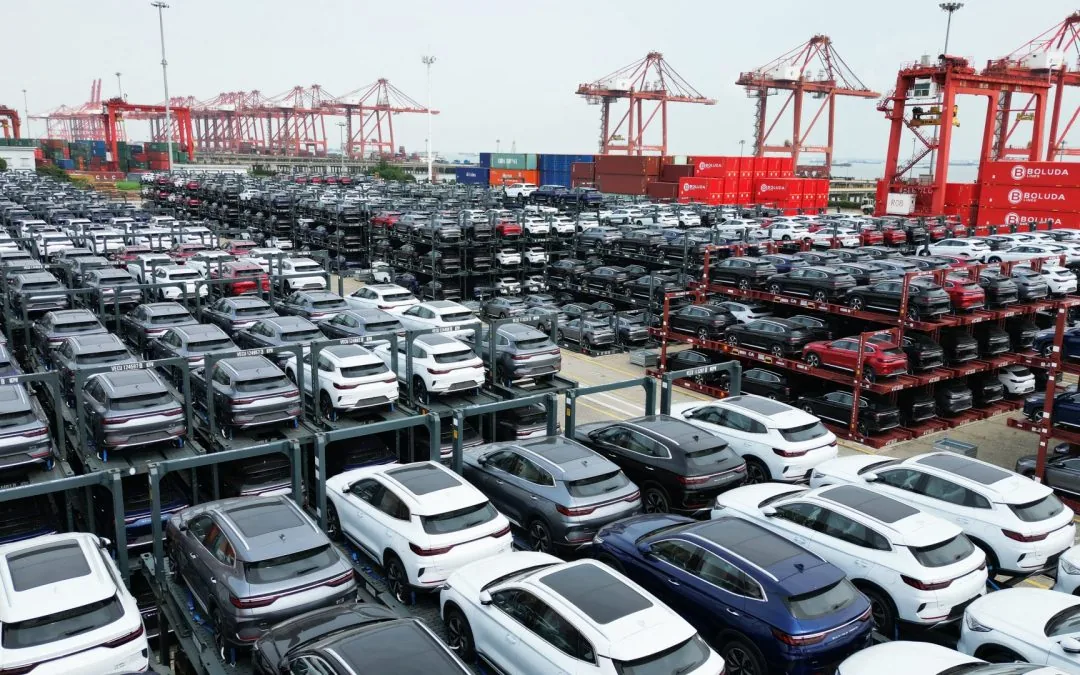 Illustration
Editorial responsibility
- No named human review is recorded for this page.
- Reports are grouped by semantic similarity and deterministic rules. Language models may assist titles, summaries, translation and cross-source analysis; the page reads the event directly, while its address stays stable when the title changes.
- Summary covers the current reports
Cross-source coverage
Common ground
- The EU's request for voluntary export limits on Chinese hybrids is a protectionist move, not a genuine negotiation.
- Chinese automakers are building factories in Europe, making export limits less relevant over time.
- The EU's auto industry lost its first-mover advantage in hybrids and EVs due to underinvestment.
- Both sides should focus on a negotiated investment framework rather than trade barriers.
Points of contention
- Whether the EU's actions are part of a coordinated Western strategy to contain China or just self-interested panic.
- Whether China's industrial policy and subsidies are transparent and WTO-compliant or opaque and unfair.
- Whether the core issue is trade volumes or control of the battery supply chain.
- Whether the EU is negotiating as an equal partner or demanding unilateral concessions.
Blind spots
- The debate largely ignored the role of intellectual property and technology transfer in the negotiations.
- Neither side fully addressed how Chinese factories in Europe change the long-term dynamics of the dispute.
- The power asymmetry in the negotiation—where the EU demands limits while restricting Chinese investment—was underplayed.
- The potential for a black market or consumer shift if supply is capped was not explored.
WorldAttention’s read
The EU's request for voluntary export limits on Chinese hybrids is protectionism that tries to solve a competitiveness problem with trade barriers instead of innovation. While the EU has legitimate concerns about market distortion from China's opaque subsidies, its approach is flawed because Chinese automakers are already becoming European manufacturers through local factories. The real tension is about who controls the battery supply chain, not export volumes. Both sides need to drop the posturing and negotiate reciprocal market access and technology-sharing agreements, or they'll keep fighting a battle that will be irrelevant within a few years.
Reporting timeline
China Vows Firm Opposition to EU Calls for Voluntary Limits on Auto Exports
China's Ministry of Commerce has firmly opposed the European Union's reported request for China to voluntarily restrict exports of hybrid vehicles to the EU, stating that such measures violate WTO rules and the principles of fair competition. The EU is considering expanding trade restrictions from pure electric vehicles to hybrids, steel, and downstream products, including import quotas and minimum price measures. A spokesperson for China's Ministry of Commerce emphasized that any solution must ensure a balance of interests and comply with WTO rules. In contrast, the UK has decided not to impose additional anti-subsidy tariffs on Chinese-made electric vehicles, with Business and Trade Secretary Jonathan Reynolds citing the risk of Chinese retaliation harming British exports. Meanwhile, Chinese Minister of Commerce Wang Wentao held a video meeting with European Commissioner Valdis Dombrovskis to discuss trade issues. Expert Jian Junbo from Fudan University noted that European industry faces structural problems like high energy costs and slow transformation, and that trade protectionism cannot resolve these deep-seated issues.
EU Asks China to Voluntarily Limit Hybrid Vehicle Exports; Beijing Firmly Opposes
According to a report from trade intelligence source TradeAlpha, the European Union has requested that China voluntarily limit its exports of hybrid vehicles. In response, China's Ministry of Commerce issued a statement firmly opposing this request. The development highlights growing trade tensions between the EU and China in the automotive sector, particularly regarding hybrid vehicles, which are a key area of Chinese export growth. The EU's request appears to be a preemptive measure to protect its domestic auto industry from a surge of competitively priced Chinese hybrids. China's firm opposition signals its intent to defend its export markets and industrial policy. The outcome of this dispute could have significant implications for global trade in hybrid vehicles and EU-China economic relations.
Read sourceChina Firmly Opposes EU Proposal for Voluntary Hybrid Vehicle Export Restrictions
On September 18, China's Ministry of Commerce (MOFCOM) issued a statement responding to media reports that the European Union hopes China will voluntarily restrict exports of hybrid vehicles to Europe, or else face higher tariffs. A MOFCOM spokesperson stated that China has noted the reports and firmly opposes so-called voluntary export restrictions, arguing they seriously violate WTO rules and run counter to market economy principles and fair competition. The spokesperson reiterated China's consistent position that any solution between China and the EU must ensure a balance of interests, comply with WTO rules and respective domestic laws, and fully take into account the interests of industries on both sides. The statement underscores escalating trade tensions between the EU and China over electric and hybrid vehicle exports, with the EU considering tariff measures to protect its domestic auto industry.
Read sourceShow 9 older updatesHide older updates
China's MOFCOM Opposes EU's Reported Request for Voluntary Hybrid Vehicle Export Limits
On September 18, China's Ministry of Commerce (MOFCOM) responded to media reports that the European Union hopes China will voluntarily restrict exports of hybrid vehicles to Europe, or else face higher tariffs. A MOFCOM spokesperson stated that China has noted the reports and firmly opposes so-called voluntary export restrictions, which they argue seriously violate World Trade Organization (WTO) rules and run counter to market economy principles and fair competition. The spokesperson reiterated China's consistent position: any solution between China and the EU must ensure a balance of interests, comply with WTO rules and respective domestic laws, and fully take into account the interests of industries in both regions. The response underscores ongoing trade tensions between China and the EU over automotive exports.
Read sourceChina Opposes EU Request for Voluntary Export Limits on Hybrid Vehicles
China's Ministry of Commerce spokesperson responded to media reports that the European Union hopes China will voluntarily restrict exports of hybrid vehicles to Europe, warning that failure to do so could result in higher tariffs. The spokesperson stated that China has noted the reports and considers such demands serious violations that contravene market economy principles and fair competition rules. China firmly opposes such actions. The spokesperson reiterated China's consistent position that any solution between China and the EU must ensure a balance of interests, comply with World Trade Organization rules and respective domestic laws, and fully take into account the interests of businesses on both sides. The statement was published on Tencent News, reflecting China's official stance amid ongoing trade tensions with the EU over electric vehicle exports.
Read sourceChina Opposes EU Request for Voluntary Export Restrictions on Hybrid Vehicles
On September 18, China's Ministry of Commerce (MOFCOM) responded to media reports that the European Union hopes China will voluntarily restrict exports of hybrid vehicles to Europe, or face higher tariffs. A MOFCOM spokesperson stated that China has taken note of the reports and firmly opposes such so-called voluntary export restrictions, arguing they seriously violate World Trade Organization (WTO) rules and contravene the principles of market economy and fair competition. The spokesperson reiterated China's consistent position that any solution between China and Europe must ensure a balance of interests, comply with WTO rules and respective domestic laws, and fully accommodate the interests of industries in both regions. The statement underscores escalating trade tensions between China and the EU over electric vehicle exports.
Read sourceEU Urges China to Voluntarily Cap Hybrid Car Exports; Beijing Vows to Monitor
On September 18, Chinese Foreign Ministry spokesperson Guo Jiakun responded to a reporter's question about the European Union's call for China to voluntarily limit the supply of hybrid vehicles to the European market to within 15%. Guo declined to comment on specifics, directing inquiries to relevant Chinese authorities. He emphasized that China-EU economic and trade relations are based on mutual benefit and win-win cooperation, not zero-sum competition. Guo stated that China's electric vehicle industry has provided global consumers with high-quality, cost-effective products and contributed to the global green transition. He urged the EU to honor its commitments to market openness and free trade, abide by WTO rules, and provide a fair business environment. Guo concluded that China will closely monitor EU developments and take necessary measures to safeguard the legitimate rights and interests of Chinese enterprises.
Read sourceChina Says EU Trade Relations Are Win-Win Amid Reported Hybrid Car Import Restrictions
On September 18, Chinese Foreign Ministry spokesperson Guo Jiakun addressed reports that the European Union is seeking to restrict imports of Chinese hybrid cars. During a regular press conference, Guo declined to comment on the specific issue, directing inquiries to relevant Chinese authorities. He emphasized that the essence of China-EU economic and trade relations is mutual benefit and win-win cooperation, not zero-sum competition. Guo stated that upholding openness and cooperation, and resolving economic and trade differences through equal dialogue and consultation, serves the common interests of both sides. He also highlighted that the development of China's electric vehicle industry has provided global consumers with high-quality, cost-effective products and contributed positively to the global green and low-carbon transition. The remarks come amid growing trade tensions between China and the EU over electric vehicle subsidies and market access.
Read sourceChina Says EU Hybrid Vehicle Import Restrictions Undermine Mutual Benefit Cooperation
On September 18, Chinese Foreign Ministry spokesperson Guo Jiakun responded to reports that the European Union seeks to restrict imports of Chinese hybrid vehicles. During a regular press conference, Guo stated that the essence of China-EU economic and trade relations is mutual benefit and win-win cooperation, not zero-sum competition. He advocated for upholding open cooperation and resolving economic and trade differences through equal dialogue and consultation, which serves the common interests of both sides. Guo also highlighted that the development of China's electric vehicle industry has provided global consumers with high-quality, cost-effective products and contributed positively to the global green and low-carbon transition. The spokesperson directed specific inquiries to relevant Chinese authorities. The statement comes amid ongoing trade tensions between China and the EU over electric vehicle subsidies and market access.
Read sourceChina warns EU on trade, vows to protect EV industry rights
On September 18, Chinese Foreign Ministry spokesperson Guo Jiakun stated at a regular press conference that China-EU economic and trade relations are fundamentally mutually beneficial and win-win, not zero-sum. He emphasized that resolving differences through equal dialogue serves both sides' interests. Guo defended China's electric vehicle industry, saying it provides high-quality, cost-effective products globally and contributes to green transition. He urged the European side to uphold market openness, free trade commitments, and WTO rules, providing a fair and non-discriminatory business environment. Guo warned that China will closely monitor European developments and take necessary measures to safeguard Chinese enterprises' legitimate rights and interests. The statement reflects China's defensive posture amid potential EU trade actions against Chinese EVs.
Read sourceChina Opposes EU Request for Voluntary Hybrid Vehicle Export Limits
China's Ministry of Commerce (MOFCOM) has firmly rejected media reports that the European Union hopes China will voluntarily restrict exports of hybrid vehicles to Europe. In a statement published on the East Money platform, a MOFCOM spokesperson said the Chinese side has taken note of the relevant reports and considers so-called voluntary export restrictions to be a serious violation of World Trade Organization (WTO) rules. The spokesperson argued that such measures contradict the principles of a market economy and fair competition. China's position is consistent: any solution between China and Europe must ensure a balance of interests, comply with WTO rules and respective domestic laws, and fully take into account the interests of industries on both sides. The statement was sourced from the Ministry of Commerce website and reflects Beijing's official stance against what it views as an unfair trade practice by the EU.
Read sourceEU Asks China to Voluntarily Limit Hybrid Car Exports; Beijing Vows to Monitor
On September 18, Chinese Foreign Ministry spokesperson Guo Jiakun addressed a reporter's question regarding the European Union's call for China to voluntarily restrict exports of hybrid vehicles to Europe. Guo Jiakun emphasized that China-EU economic relations are mutually beneficial, not zero-sum, and urged the EU to uphold market openness, free trade, and WTO rules. He stated that China will closely monitor EU developments and take necessary measures to protect the legitimate rights of Chinese enterprises. The spokesperson also highlighted that China's electric vehicle industry provides high-quality, cost-effective products globally and contributes to the green transition. The response underscores Beijing's stance of resolving trade differences through equal dialogue while warning of potential countermeasures.
Read source