Reporting on this entity comes from multiple media camps.
48%
43%
Western15 · 3%
Regional23 · 5%
Neutral / independent211 · 48%
Eastern191 · 43%
Latest Stories
Periodic recap
What changed for this subject in each tracking window — generated from matched events, delta-first.
· 1 event in window
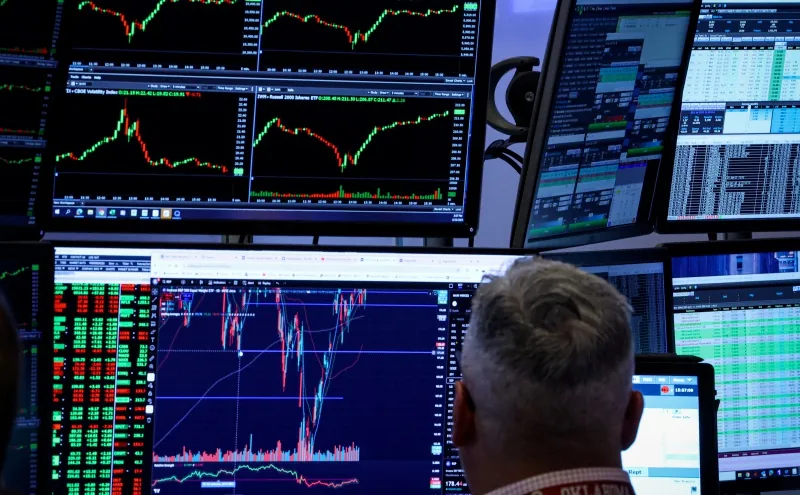
No direct TSMC developments occurred this period; the only matched event was a broad selloff in semiconductor and AI-related stocks. South Korea's Kospi closed down 5.5%, Samsung Electronics and SK Hynix fell about 7% and 10% respectively, the Philadelphia Semiconductor Index dropped over 7% from its monthly high, and Taiwan's Taiex and Japan's Nikkei 225 each fell nearly 2%. The trigger was China's CXMT announcing a chip technology breakthrough, compounded by Broadcom CEO Hock Tan's warning about AI financing constraints and investor anxiety over AI spending returns. Reported by 2 sources, the news does not mention TSMC, and its relevance is limited to sector-wide sentiment affecting TSMC as a semiconductor foundry. Compared with the previous period, this window remained thin, containing only indirect market movement.
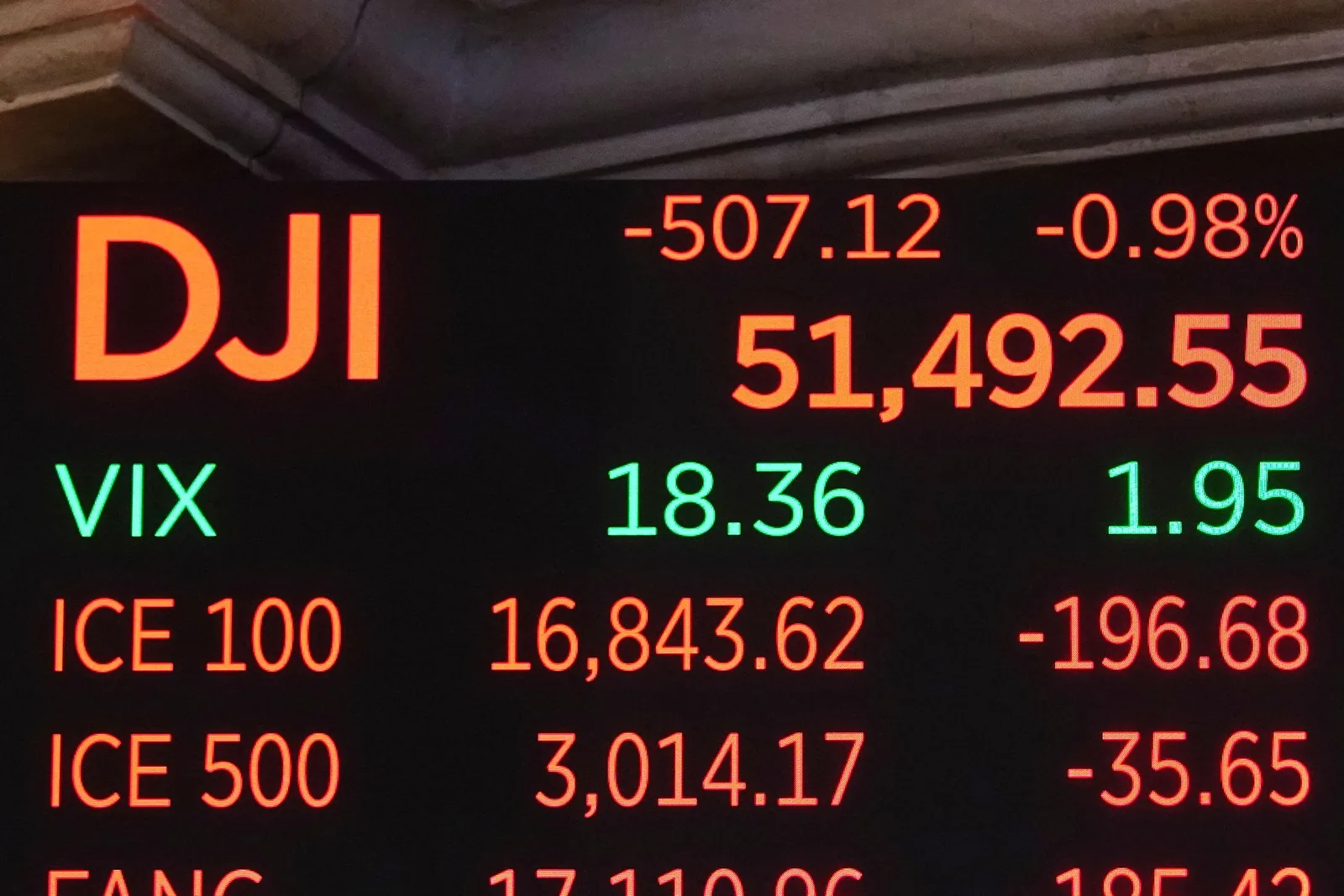
A broad selloff hit semiconductor stocks, with South Korea's Kospi closing down 5.5% after briefly falling more than 7%.
Samsung Electronics and SK Hynix fell about 7% and 10% respectively, while the Philadelphia Semiconductor Index dropped over 7% from its monthly high.
Taiwan's Taiex and Japan's Nikkei 225 each fell nearly 2%, affecting markets where TSMC operates.
The selloff was triggered by China's CXMT announcing a chip technology breakthrough, compounded by Broadcom CEO Hock Tan's warning about AI financing constraints.
Earlier recaps
· 1 event in window
No direct TSMC developments occurred this period; the only matched event was indirect: Microsoft unveiled its in-house Maia 300 AI chip and plans to make Maia its primary inference system for its own products and services starting in 2027, aiming to reduce reliance on Nvidia and AMD. Reported by 7 sources, the news does not mention TSMC, and its relevance is limited to potential long-term demand shifts for TSMC as an AI chip foundry. Compared with the previous period's direct reporting on a possible Texas fab plan, this window was thin, containing only indirect market movement.
· 1 event in window
This period saw one direct TSMC development: according to multiple reports, the company is evaluating a multi-billion-dollar investment in Texas, possibly in Dallas, to build several advanced wafer fabs, contingent on the US Congress extending the advanced manufacturing tax credit expiring this year. The plan, still in early stages with no official confirmation, would add to TSMC's $265 billion Arizona facility and aims to boost AI chip production amid strong demand from Nvidia, Apple, and AMD. Compared with the previous period's only indirect market news, this report directly concerns TSMC's expansion, though the plan remains unconfirmed.
· 1 event in window
This period saw only one TSMC-related item, and it was indirect: US stocks fell on September 24 and 29, with tech, semiconductor, and optical communication sectors leading the decline—ARM plunged over 8%, Qualcomm dropped over 7%, and Oracle fell over 5%. The report does not directly mention TSMC's stock price or operations, making this a sector-wide market move with limited specific implications for the company.
· 1 event in window
This period, TSMC-related coverage centered on customer Nvidia's push into advanced packaging materials. Nvidia is advancing glass substrate technology for next-generation AI GPU packaging, targeting commercialization by 2028, and urging manufacturers in South Korea, Japan, and Taiwan to complete development within two years. The news has indirect implications for TSMC's advanced packaging supply chain, which may face a shift in material technology routes, though the report does not directly mention TSMC's involvement or response.
· 5 events in window
This period, the narrative around TSMC shifted from customer dynamics to its own pricing strategy and capacity status. TSMC reportedly plans to raise wafer foundry prices by 3-6% starting January 2027, with higher increases for advanced nodes, reflecting its bargaining power amid full capacity utilization. Meanwhile, customers like Qualcomm and Xiaomi continued to launch new products built on TSMC's 2nm process, further cementing its central role in the advanced node supply chain.
Tracked events
Events matched to this subject by the tracking pipeline, with signal scores.
Taiwan Semiconductor Manufacturing Company reported third-quarter net profit of NT$763.1 billion, up 69% year-on-year and above market estimates, marking a record high and a sixth consecutive quarter of record profit. Revenue reached NT$1.49 trillion, operating income was NT$876.45 billion, and earnings per share were NT$29.43. The company attributed the results to booming global demand for AI processors and advanced CoWoS packaging capacity.
A broad selloff in semiconductor and AI-related stocks intensified, with South Korea's Kospi closing down 5.5% after briefly falling more than 7%. Samsung Electronics and SK Hynix fell about 7% and 10% respectively, while the Philadelphia Semiconductor Index dropped over 7% from its monthly high and Taiwan's Taiex and Japan's Nikkei 225 each fell nearly 2%. The trigger was China's CXMT announcing a chip technology breakthrough, compounded by Broadcom CEO Hock Tan's warning about AI financing constraints and investor anxiety over AI spending returns.
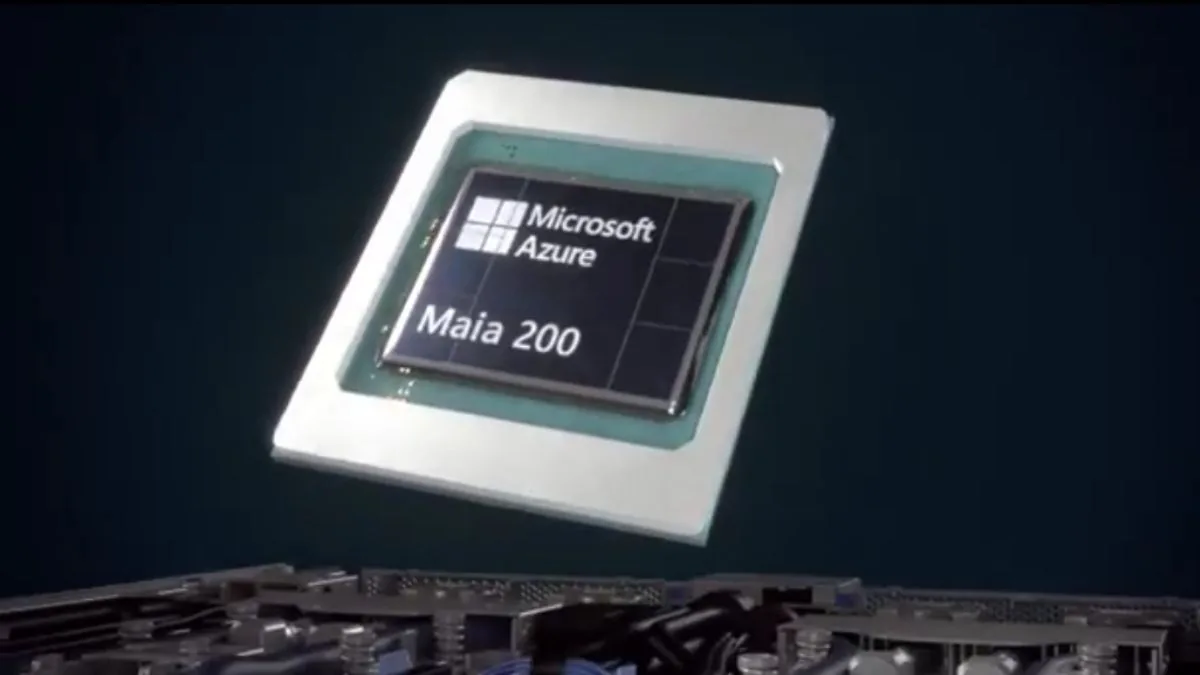
Microsoft announced the Maia 300 AI chip and plans to scale its Maia silicon family to multi-gigawatt deployments, positioning Maia as the primary inference system for its own products and services starting in 2027. Maia 200 is already serving production workloads including Microsoft Copilot, with GitHub Copilot and Microsoft Foundry to follow. Microsoft claims Maia 300 delivers 40% more tokens per megawatt than leading GPU-based systems, part of a push to reduce reliance on Nvidia and AMD and cut costs.
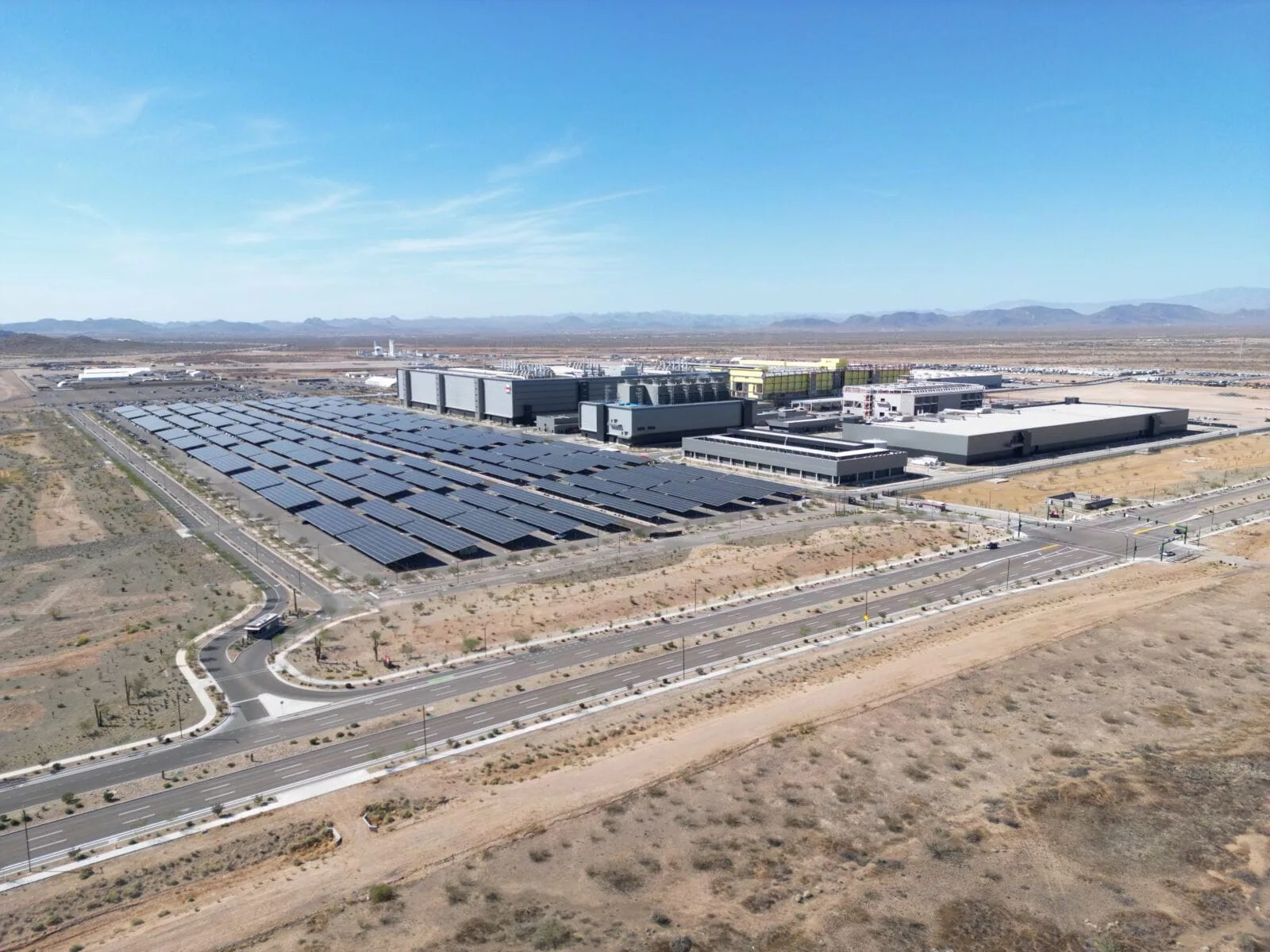
TSMC is evaluating a potential multi-billion-dollar investment in Texas to build multiple advanced wafer fabrication plants, possibly in Dallas, contingent on the US Congress extending the advanced manufacturing tax credit expiring this year. The plan, still in early stages with no official confirmation, would add to TSMC's $265 billion Arizona facility and aims to boost AI chip production capacity amid strong demand from Nvidia, Apple, and AMD.
US stock markets fell on September 24 and 29, 2024, with the Nasdaq dropping 0.75% and 0.92%, the S&P 500 declining 0.51% and 0.77%, and the Dow falling 0.19% and 0.67% respectively. Technology and semiconductor stocks led the declines, with Oracle falling over 5%, ARM plunging over 8%, and Qualcomm dropping over 7%. Memory chip and optical communication sectors were among the worst performers.
VSMC, a joint venture between TSMC affiliate Vanguard International Semiconductor (VIS) and NXP Semiconductors, inaugurated its first advanced chip manufacturing plant in Singapore on Monday. The facility's production capacity is fully sold out due to AI infrastructure demand. VIS is already considering building a second, more advanced factory. The first plant began trial production in June, achieving 99% yield, with mass production scheduled for early 2027.
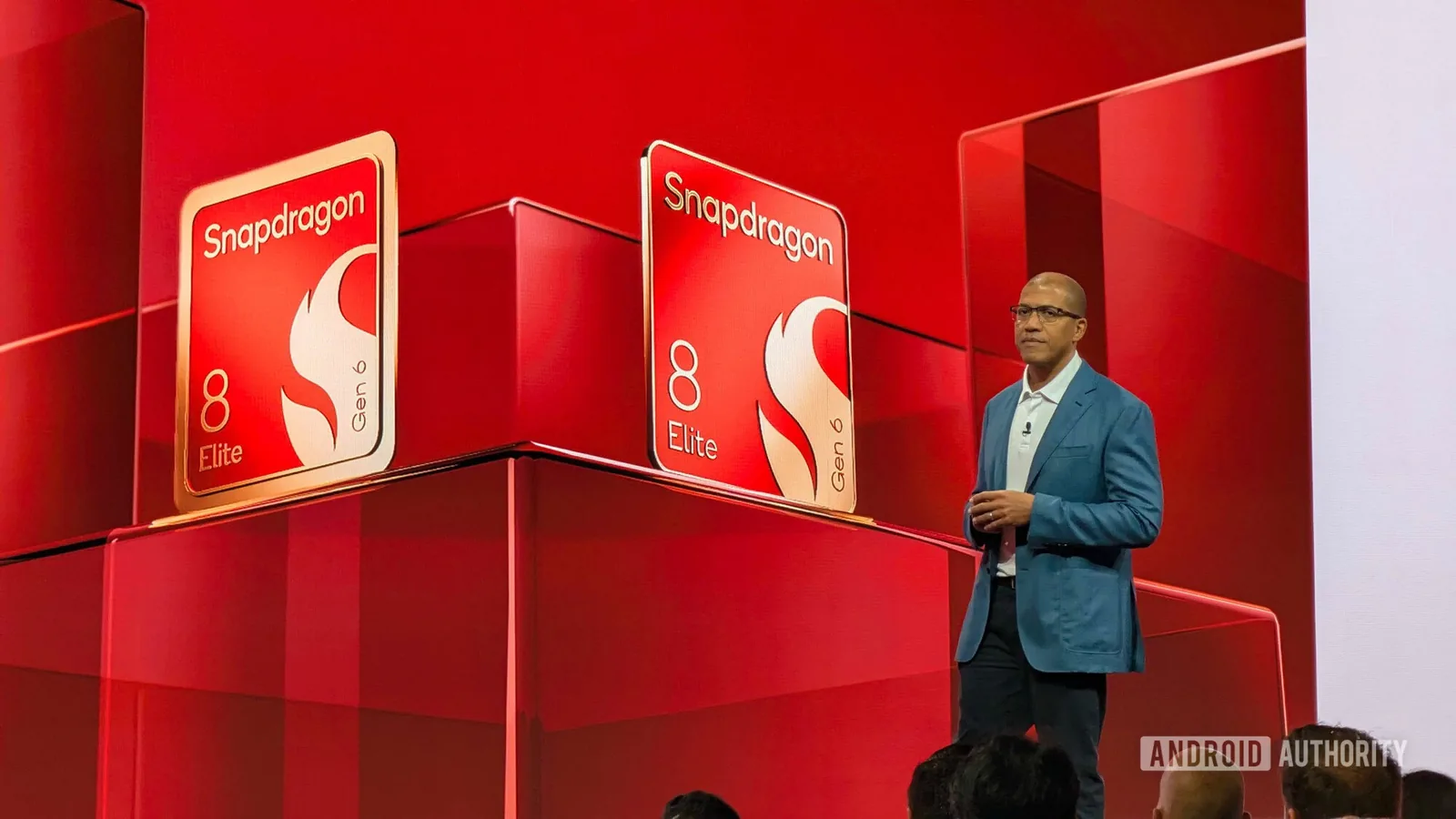
At the 2026 Snapdragon Summit in Maui, Hawaii, Qualcomm launched its first-ever dual flagship mobile platform strategy, unveiling the sixth-generation Snapdragon 8 Super Elite and Snapdragon 8 Elite. Both chips are built on a 2nm process and feature a custom Oryon CPU reaching 5GHz, the first mobile CPU to exceed that threshold. Qualcomm CEO Cristiano Amon declared a shift from phone-centric to agent-centric mobile experiences, with AI agents understanding user intent and executing tasks across devices. The company demonstrated a 30-billion-parameter MoE model running entirely on-device, partnering with Chinese firms StepFun, Wulianghuo, and Jiangbo Long. Xiaomi announced its 18 Pro series will be the global first to adopt the new platforms.
TSMC is accelerating its 2-nanometer chip production expansion, targeting a monthly capacity of 120,000 wafers by the end of 2025, surpassing earlier estimates of 90,000-100,000 wafers and achieving a 2027 target two years early. Major clients including Apple, Nvidia, AMD, Qualcomm, and MediaTek have increased orders by 10% to 20%. TSMC Senior Vice President Hou Yung-ching confirmed five 2nm fabs will ramp simultaneously this year, with first-year output 45% higher than the 3nm ramp in 2023.
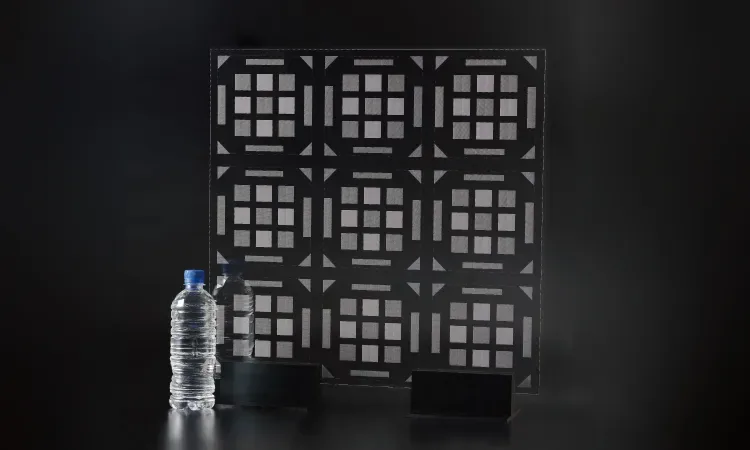
Nvidia is evaluating glass substrate technology for advanced chip packaging, urging manufacturers in South Korea, Japan, and Taiwan to complete development within two years, with potential deployment by 2028. The company is collaborating with German equipment maker SCHMID and has invested up to $2.7 billion in Corning. Technical challenges remain in through-glass via metallization, and customer certification is incomplete. Industry players including Intel, AMD, and TSMC are also involved.
Li Auto executives outlined a battery strategy distinguishing self-research from in-house manufacturing. The company will self-develop and manufacture battery packs while designing cells but outsourcing mass production to partners like Sunwoda, in which it invested 2.65 billion yuan. The core goal is full data sovereignty across the battery value chain for safety, performance, and unified after-sales service. Li Auto is also developing 15C ultra-fast charging technology, with test vehicles on the road, and solid-state batteries, targeting small-scale production by 2027-2028.
On September 23, Xiaomi held its autumn product launch in Beijing, unveiling the Xiaomi 18 Pro and 18 Pro Max smartphones, alongside tablets, wearables, and AI-enhanced home appliances. The series features Qualcomm's 2nm Snapdragon 8 Gen 6 chips, Leica dual 200MP cameras, hardware-level privacy screens, and the Super Xiao Ai 2.0 assistant powered by Xiaomi's MiMo large model. Pricing starts at 5,999 yuan for the Pro and 6,999 yuan for the Pro Max, a 1,000 yuan increase over the previous generation. Xiaomi President Lu Weibing stated the series marks the beginning of the company's comprehensive AI transformation of smartphones.
On September 25, AI hardware stocks saw broad gains in US pre-market trading, with nearly all major semiconductor and AI-related companies posting positive movements. Arm Holdings led with a 2.85% rise, followed by Coherent at 2.17% and AMD at 1.94%. The Direxion Daily Semiconductor Bull 3X Shares ETF rose 3.34%. No specific catalyst was cited.
At its 2026 Global Innovation Partner Conference on September 22, BOE Chairman Chen Yanshun announced a new corporate positioning as a "globally leading technology innovation enterprise" using photoelectric fusion. The company plans to invest over 80 billion yuan in R&D and over 800 billion yuan in procurement over five years. Within one year, BOE will finalize investment plans for mass production lines of glass-based perovskite devices and glass-based packaging substrates. The company has already produced 24-layer glass-based packaging substrate samples and aims for a mass production investment decision by early 2027.
Stronger-than-expected US September PMI data, with the composite index rising to 58.4 (highest since July 2021), triggered a sharp sell-off in US Treasuries, pushing the 10-year yield above 5% for the first time since 2007. This, combined with hawkish comments from Fed Governor Michael Barr, drove market expectations for an October rate hike to around 70%. US stocks fell sharply (Nasdaq -1.13%), European indices declined, and Asian markets also dropped. Oil prices surged, while gold and cryptocurrencies fell.
Qualcomm launched two flagship mobile platforms, the Snapdragon 8 Elite Gen 6 and Snapdragon 8 Elite Extreme Gen 6, at its Snapdragon Summit in Maui, Hawaii. Both chips are built on TSMC's 2nm process and feature Qualcomm's custom Oryon CPU with clock speeds up to 5GHz. The chips are designed for on-device agentic AI, with the Extreme version capable of running over 30-billion-parameter AI models locally. Xiaomi, Motorola, and other Android manufacturers are confirmed partners.
TSMC plans to raise wafer-out prices by 3% to 6% starting January 2027, with higher increases for advanced 2nm and 3nm nodes, according to supply chain sources cited by Digitimes. The company's 8-inch fab utilization exceeds 100% and sub-45nm nodes are fully loaded, with order visibility extending to 2030. AI data center demand is driving the surge, spilling over into mature-node chips. Other foundries including UMC, Powerchip, and Vanguard have also announced price hikes. TSMC has not commented on the market rumors.
On September 23, 2026, US stocks fell sharply as the 10-year Treasury yield surged to 5.133%, its highest since 2007, following stronger-than-expected PMI data. Fed Governor Michael Barr signaled further rate hikes may be needed, pushing market odds of an October rate hike to about 75%. Brent crude rose nearly 4% to $103.08/barrel amid Iran-US talks over the Strait of Hormuz. European stocks also declined. The OECD raised its 2026 global growth forecast to 2.9%.
TSMC plans to raise wafer foundry prices by 3% to 6% starting January 2027, with higher increases for advanced nodes like 2nm and 3nm. The move is driven by capacity constraints, with 8-inch fab utilization exceeding 100% and order visibility extending to 2030. TSMC declined to comment on the market rumors.
Advanced Micro Devices (AMD) saw its market capitalization surpass $1 trillion for the first time on September 21, 2026, as shares surged nearly 10% to a record high of $615.52. The milestone makes AMD the fourth US chipmaker to reach a trillion-dollar valuation, following Nvidia, Broadcom, and Micron. The rally was driven by strong AI chip demand, with AMD's data center revenue more than doubling year-over-year to $6.7 billion in Q2. CEO Lisa Su targets doubling data center revenue by 2027.
The Philadelphia Semiconductor Index (SOX) surged 4% to 12,398.17 points on September 22, driven by broad gains in major chip stocks. Intel jumped 11.97%, AMD rose 8.82%, and Arm Holdings climbed 15.91%. The rally extended a multi-day advance that began September 17, with the index reaching its highest level in over a month. The Nasdaq Composite rose over 2%, while the Dow and S&P 500 also gained.
Multiple Taiwanese semiconductor foundries, including UMC and Powerchip (PSMC), are planning significant price increases for mature-node wafer foundry services as AI-driven demand and TSMC's capacity reduction tighten supply. UMC has signaled price adjustments, with 2027 increases expected to be more substantial than those in the second half of this year. PSMC is reportedly considering a 40% price hike. TrendForce predicts the price rally for mature-node foundry services will extend into 2027, driven by structural AI infrastructure demand.
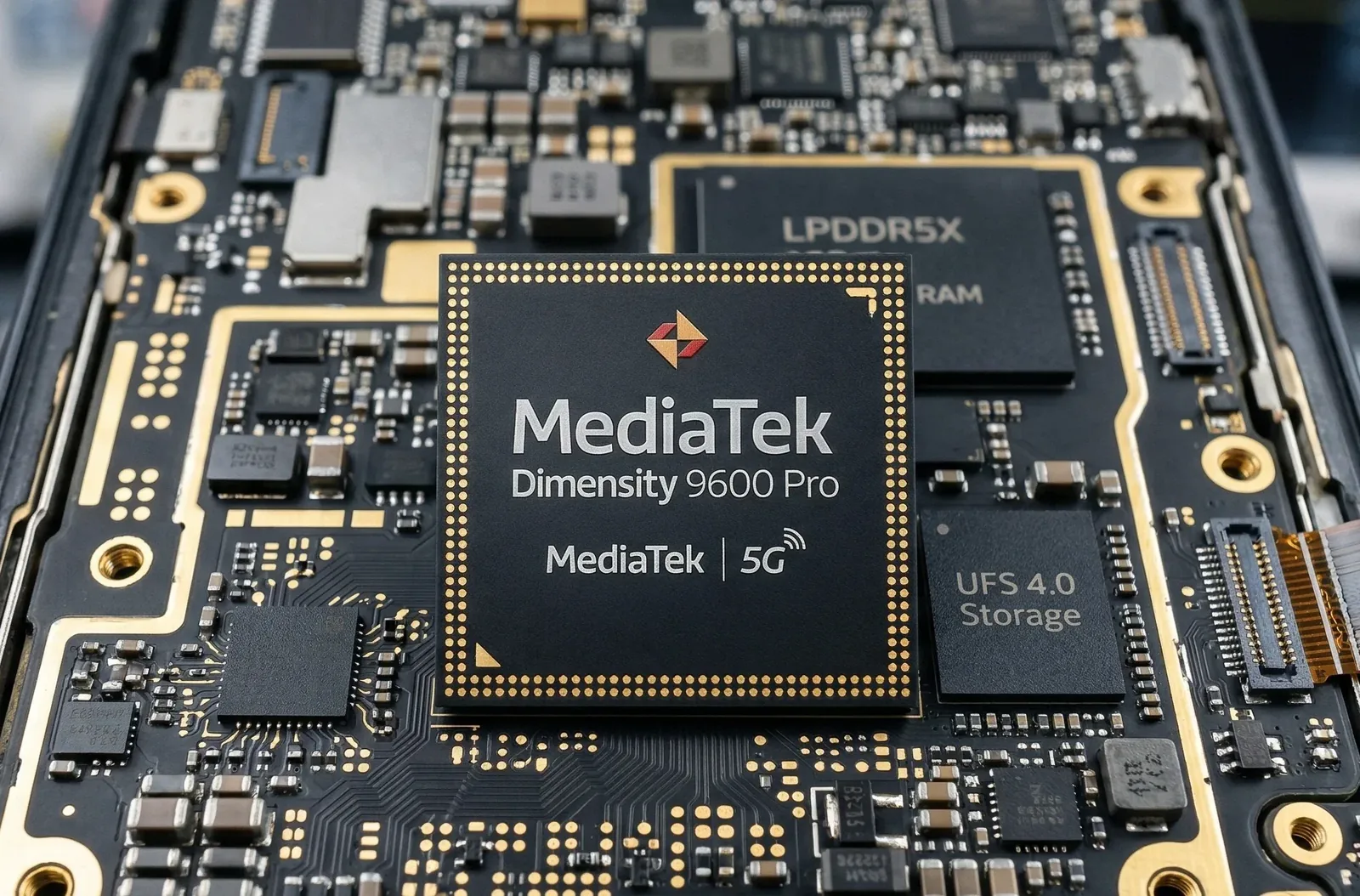
On September 15, 2026, MediaTek unveiled the Dimensity 9600 Pro, its first flagship mobile system-on-chip manufactured on TSMC's 2nm process. The chip delivers a 14% performance boost and 23% lower power consumption versus the prior 3nm generation, with an AI-native architecture integrating CPU, GPU, NPU, and ISP. The launch marks MediaTek's entry into the premium Android market, challenging Qualcomm's dominance.
Driven by robust AI demand, the global AI chip market is forecast to reach $48 billion in 2025 and $280 billion by 2030, per IDC. In China, domestic players are gaining share, with Huawei's Ascend 960 chip ready ahead of schedule. MediaTek launched its Dimensity 9600 series, and Meta plans to deploy its own AI chips by early 2027. Leveraged funds have bought into several AI chip stocks since August.
The global semiconductor equipment industry is experiencing a confirmed upcycle driven by severe supply shortages. Delivery lead times for key components in South Korea have doubled, prompting international manufacturers to consider Chinese suppliers. Global equipment sales rose 22.6% year-on-year to $40.53 billion in Q2 2026. Analysts note a rare full-chain price surge, with pricing power shifting from chip end-products to equipment and components. Domestic Chinese component supply is also tight.