Reporting on this entity comes from multiple media camps.
16%
40%
41%
Western3 · 3%
Regional15 · 16%
Neutral / independent36 · 40%
Eastern37 · 41%
Latest Stories
Periodic recap
What changed for this subject in each tracking window — generated from matched events, delta-first.
· 1 event in window
This period's developments concerning Sanae Takaichi center on the arrest of a U.S. Marine in Okinawa on suspicion of murdering a Japanese woman. Japan formally protested to the United States and summoned the U.S. envoy, reigniting tensions over the American military presence in Okinawa. The incident is separate from Takaichi's previously implemented permanent residency reform and represents an independent development.
A U.S. Marine was arrested in Okinawa on suspicion of murdering a Japanese woman in an incident described as brutal and heinous.
Japan formally protested to the United States and summoned the U.S. envoy over the case.
The incident has reignited tensions over the U.S. military presence in Okinawa, where a large American base is located.
Earlier recaps
· 1 event in window
The permanent residency overhaul backed by Prime Minister Sanae Takaichi took effect on October 1, raising application fees 20-fold to 200,000 yen and introducing stricter income, pension, and Japanese-language requirements. The policy aims to manage Japan's foreign population, which surpassed 4.12 million in 2025, and long queues formed at immigration offices as applicants rushed to beat the fee increase.
· 2 events in window
The Japan-U.S. summit that Sanae Takaichi had been coordinating was carried out by Prime Minister Shigeru Ishiba, but the focus shifted to the yen's exchange rate. Donald Trump directly expressed concern about the yen's weakness during the New York meeting, and Ishiba acknowledged the undervaluation. In parallel, Ishiba's call at the UN to delete the 'enemy clause' drew a sharp rebuke from China.
· 1 event in window
Sanae Takaichi is coordinating plans for a summit meeting with Donald Trump, aiming to hold their first face-to-face talks on the sidelines of the UN General Assembly. No final decision has been made, but Japanese sources indicate a target date of September 22. The engagement is intended to establish a working relationship between the two leaders.
· 1 event in window
Prime Minister Sanae Takaichi and Finance Minister Satsuki Katayama jointly ruled out issuing deficit-financing bonds for tax cuts, pledging instead to rely on higher non-tax revenue and subsidy cuts to maintain fiscal discipline. Katayama projected tax revenues would significantly exceed forecasts, with the budget process aimed at reducing the debt-to-GDP ratio. Takaichi committed to controlling annual debt issuance, and both stressed the importance of preserving market credibility.
· 1 event in window
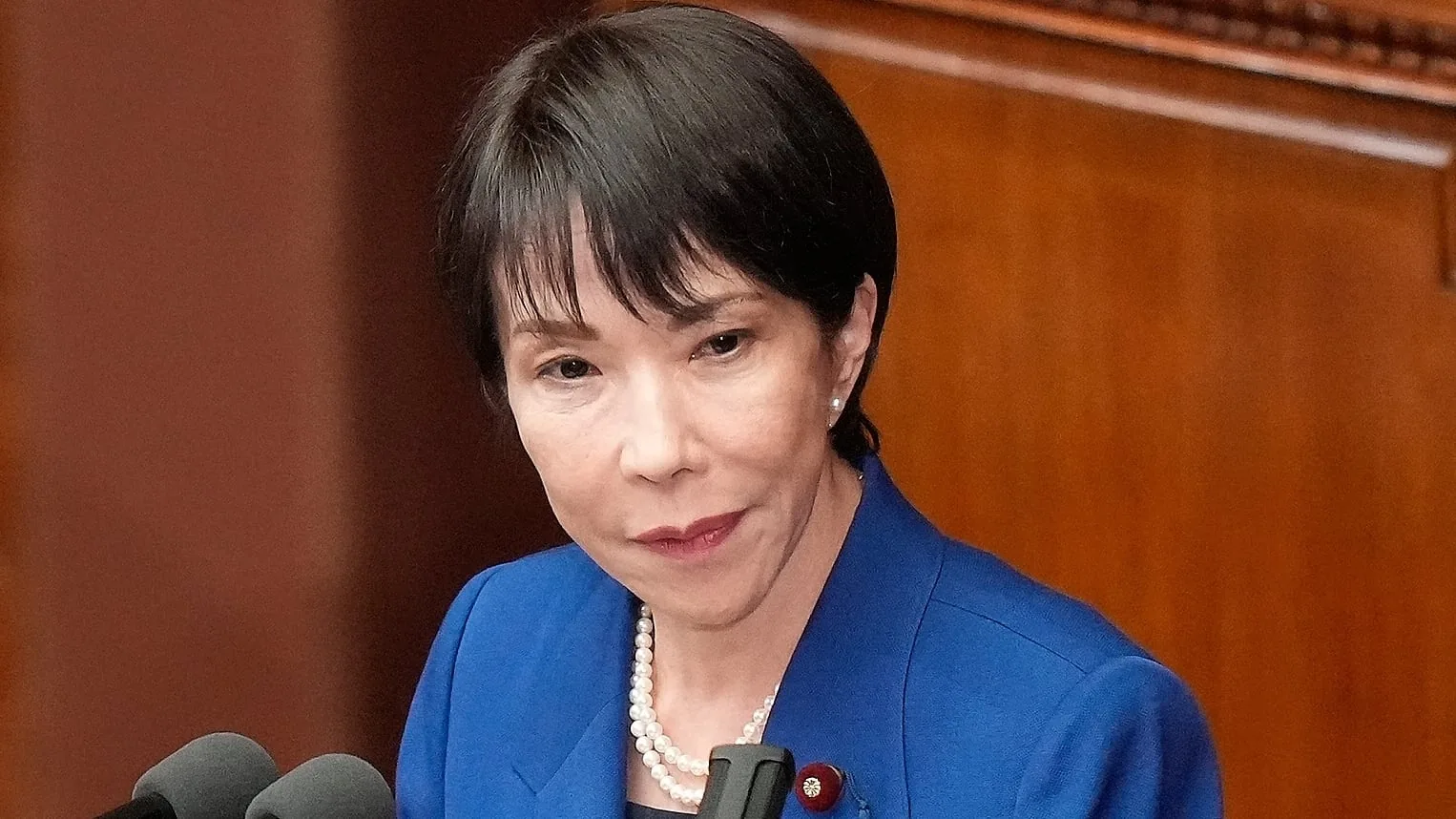
Sanae Takaichi, in her capacity as Prime Minister, reshuffled the LDP's senior leadership this period, retaining most incumbents, and scheduled a cabinet reshuffle for the following day. This marks the first substantive, directly attributable development since the previous digest, indicating forward movement in her administration's agenda.
Tracked events
Events matched to this subject by the tracking pipeline, with signal scores.
· Signal 89.2
Japan Protests After U.S. Marine Arrested for Murder of Woman in Okinawa
A U.S. Marine was arrested in Okinawa, Japan, on suspicion of murdering a Japanese woman in an incident officials described as "brutal and heinous." Japan formally protested to the United States, summoning the U.S. envoy. The case has reignited tensions over the U.S. military presence in Okinawa, where a large American base is located. The Marine remains in custody as investigations continue.
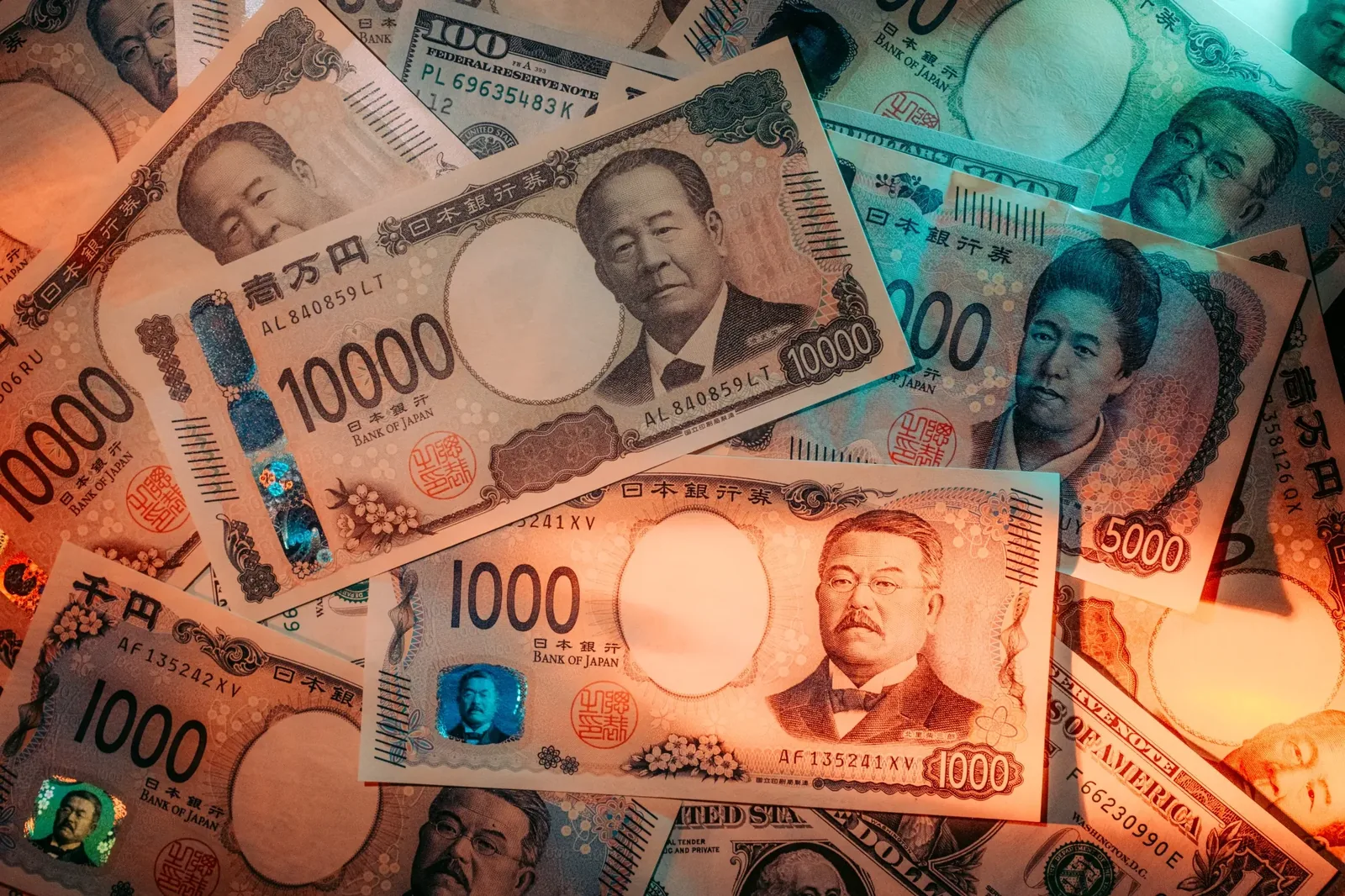
US Treasury Secretary Scott Bessent and Japanese Finance Minister Katsunobu Kato discussed the desirability of a strong yen, following reports that President Donald Trump expressed concern about yen weakness to Prime Minister Shigeru Ishiba. The yen surged 1.2% to 156.94 per dollar. Japan's top currency diplomat Atsushi Mimura warned markets to heed the "very clear" signals, while Finance Minister Kato said Japan will not hesitate to take bold action on yen movements.
Japan has increased the permanent residency application fee for foreign nationals by 20 times to 200,000 yen ($1,270), effective October 1, 2026. The overhaul, backed by Prime Minister Sanae Takaichi, also introduces stricter income, pension, and language requirements. The government cites public anxiety over the foreign population, which surpassed 4.12 million in 2025. Long queues formed at immigration offices as applicants rushed to beat the fee increase.
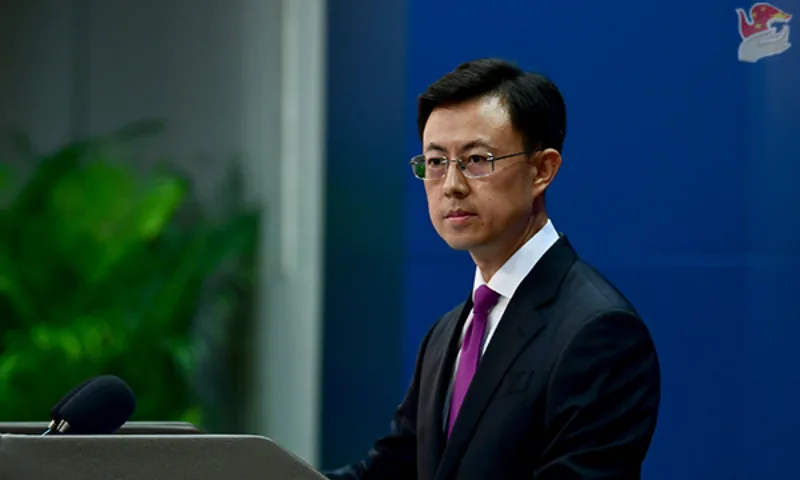
Japanese Prime Minister Shigeru Ishiba called on September 22 at the UN General Assembly for the deletion of the ‘enemy clause’ from the UN Charter, a post-WWII provision targeting former Axis powers. China’s Foreign Ministry spokesperson Guo Jiakun responded on September 23, defending the clause as a vital safeguard against fascism and militarism. Guo accused Japan of denying its aggression history, glorifying war crimes, and accelerating re-militarization, urging Japan to take concrete actions to earn regional trust.
Japanese Prime Minister Sanae Takaichi met with U.S. President Donald Trump in New York on September 22, where they agreed to strengthen economic security cooperation. Takaichi also stated she had a timely exchange of views with Trump on China ahead of a U.S.-China summit. The meeting focused on Japan's $550 billion investment commitment to the U.S., including in AI and semiconductors, and concerns about China's export controls on rare earths and Taiwan.
Japanese Prime Minister Sanae Takaichi reshuffled the Liberal Democratic Party’s senior leadership on September 16 and the cabinet on September 17. Most incumbents retained their posts, including key ministers for foreign affairs, defense, and finance. For the first time, a member of the Japan Innovation Party joined the cabinet, and lawmakers previously disciplined over a party slush fund scandal were appointed. The reshuffle is the first since Takaichi took office in October 2024.
Japan’s Finance Minister Satsuki Katayama and Prime Minister Sanae Takaichi announced they will not issue deficit-financing bonds for tax cuts, instead boosting non-tax revenue and cutting redundant subsidies. Katayama stated tax revenues will significantly exceed forecasts and that the budget process will aim to reduce the debt-to-GDP ratio. Takaichi pledged to control annual debt issuance. Both emphasized maintaining market credibility and fiscal discipline.