US, Japan Officials Signal Support for Stronger Yen, Sparking Currency Rally
US Treasury Secretary Scott Bessent and Japanese Finance Minister Katsunobu Kato discussed the desirability of a strong yen, following reports that President Donald Trump expressed concern about yen weakness to Prime Minister Shigeru Ishiba. The yen surged 1.2% to 156.94 per dollar. Japan's top currency diplomat Atsushi Mimura warned markets to heed the "very clear" signals, while Finance Minister Kato said Japan will not hesitate to take bold action on yen movements.
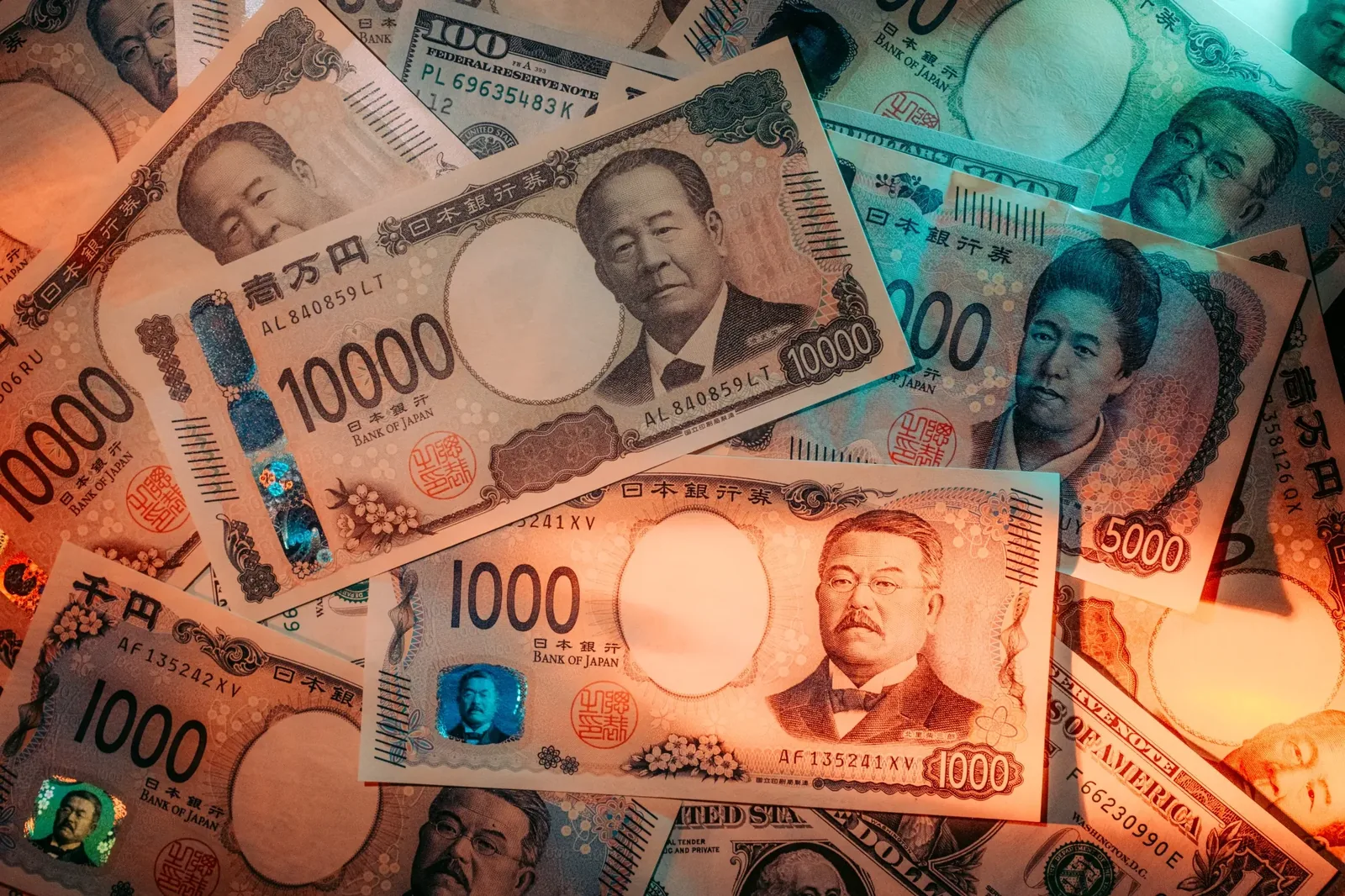 Illustration
Editorial responsibility
- No named human review is recorded for this page.
- Reports are grouped by semantic similarity and deterministic rules. Language models may assist titles, summaries, translation and cross-source analysis; the page reads the event directly, while its address stays stable when the title changes.
- Summary covers the current reports
Cross-source coverage
Common ground
- All agree that the US-Japan currency coordination is driven by political power dynamics, not just economic fundamentals.
- There is agreement that Japan's response to US pressure sends a strong signal to other Asian economies about the limits of monetary sovereignty.
- All recognize that the weak yen has real domestic costs for Japanese consumers and small businesses, not just benefits for exporters.
- There is consensus that the US Treasury's support for a strong yen marks a shift from its historical opposition to currency manipulation.
Points of contention
- The Regional and Eastern Agents argue Japan lacks genuine sovereignty and acts under US domination, while the Neutral Agent insists Japan makes independent, strategic choices.
- The Regional Agent frames Japan's actions as submission and humiliation, while the Neutral Agent sees them as a calculated use of US cover for domestic policy goals.
- The Eastern Agent claims Japan's diversification through RCEP and energy ties is meaningful hedging, while the Regional Agent dismisses it as cosmetic.
- The Neutral Agent argues the BOJ's rate hikes before Trump's call prove independence, while others say those moves were timid and within US-approved limits.
Blind spots
- All three overlook the human cost of the weak yen on Japanese workers and small businesses, focusing instead on abstract power dynamics.
- The debate ignores the role of financial markets and speculators in driving yen volatility, treating it as purely a government-to-government issue.
- None address how Japan's massive $1 trillion in US Treasury holdings could be used as leverage, or why Tokyo chooses not to use it.
- The discussion misses the possibility that Japan's leadership genuinely agrees with US policy goals, rather than being coerced or strategically aligned.
WorldAttention’s read
This debate reveals that the yen's weakness is not just an economic issue but a window into the power structure of global finance. The Regional and Eastern Agents see Japan as a managed state within an American-led system, where even the world's third-largest economy must seek Washington's blessing for major currency moves. The Neutral Agent counters that Japan acts with real agency, using US trade concerns as cover for domestic policies like fighting inflation. All agree that the public coordination sends a chilling message to other Asian economies about the limits of monetary sovereignty. Yet the debate overlooks the human cost on Japanese consumers and the potential leverage Japan holds through its Treasury holdings. Ultimately, the truth lies somewhere between submission and strategy: Japan operates within clear American parameters, but it also makes calculated choices that serve its own interests. The real tragedy may not be Japan's lack of independence, but that its elite has internalized this cage so completely that they defend it as strategic alignment.
Reporting timeline
Japanese PM Ishiba Tells US President Trump That Yen Undervaluation Is a Problem
Japanese Prime Minister Shigeru Ishiba stated that he has informed U.S. President Donald Trump that the undervaluation of the Japanese yen is a problem. The remark, reported by tradealpha, highlights a direct communication between the two leaders on currency policy. Ishiba's comment suggests that Japan is raising concerns about the yen's weakness relative to the dollar, which could impact trade dynamics and economic relations between the two countries. The statement comes amid ongoing discussions about exchange rate policies and their effects on global trade balances.
Yen Breaks Above 157 as Japan Warnings and Quarter-End Flows Boost Currency
On Wednesday, the Japanese yen strengthened past the 157 level against the US dollar, rising as much as 0.6% to 156.38 in Asian morning trading, making it the best-performing G10 currency. The move was attributed to a combination of repeated verbal warnings from Japanese authorities and quarter-end fund flows. Japan's top currency official, Atsushi Mimura, stated on Monday that the prime minister, finance minister, and US officials had all sent 'very clear' signals regarding currency depreciation. Prime Minister Shigeru Ishiba noted that during a meeting with US President Donald Trump the previous week, Trump expressed concern over the yen's weakness. Analysts offered differing views: Moh Siong Sim of OCBC Bank said the market is gradually accepting that policy may be shifting toward a more yen-supportive direction, while Shinya Koike of Sumitomo Mitsui Trust Bank highlighted quarter-end flows as a potential factor. The report originates from tradealpha, a domestic financial news source.
Japan's Verbal Intervention Escalates, Yen Strengthens as Officials Warn on Weakness
On September 28, Japan's top currency official, Atsushi Mimura, issued another warning against yen weakness, causing the yen to strengthen 0.4% against the US dollar to 156.51, its strongest level since September 18. Mimura stated that Japan's Prime Minister, Finance Minister, and the United States have recently sent 'very clear' signals regarding yen depreciation. This follows Japanese Prime Minister Sanae Takaichi's report that US President Donald Trump expressed concern about yen weakness during their meeting last week. Japan's Finance Minister Satsuki Katayama also spoke by phone with US Treasury Secretary Scott Bessent on Friday evening, with both sides reiterating their view that the yen is undervalued and agreeing to strengthen bilateral cooperation. Yusuke Miyairi, a foreign exchange strategist at Nomura, commented that this should heighten market tension regarding potential actual intervention by Japan's Ministry of Finance, noting that Mimura had previously hinted at maintaining silence to keep markets guessing but has now joined the verbal intervention campaign.
Read sourceShow 17 older updatesHide older updates
Japan's Verbal Intervention Escalates as Yen Strengthens on Official Warnings
Japan's top currency diplomat, Atsushi Mimura, issued another warning against the yen's weakness, causing the yen to strengthen 0.4% against the US dollar to 156.51, its strongest level since September 18. Mimura stated that Prime Minister Shigeru Ishiba, Finance Minister Katsunobu Kato, and the United States have all sent 'very clear' signals regarding the yen's depreciation. Prime Minister Ishiba noted that former US President Donald Trump expressed concern about the weak yen during their meeting last week. Finance Minister Kato spoke with US Treasury Secretary Scott Bessent on Friday evening, and both reaffirmed their view that the yen is undervalued, agreeing to strengthen bilateral cooperation. Nomura FX strategist Yusuke Miyairi commented that this should create sufficient market tension regarding potential actual intervention by Japan's Ministry of Finance, noting that Mimura had previously signaled a silent approach but has now joined the verbal intervention campaign.
Japan's Top Forex Official Warns Market Not to Ignore US-Japan Yen Signals
Japan's top foreign exchange official, Atsushi Mimura, warned on Monday that the market should heed the 'very clear' signals sent by Japan and the United States regarding the yen's weakness. Mimura's comments follow an unusually detailed disclosure by Finance Minister Kozu Katayama on Friday, who stated that U.S. President Donald Trump expressed concern about the yen's depreciation during a summit with Japanese Prime Minister Sanae Takaichi. Mimura emphasized that the Prime Minister, the Finance Minister, and the U.S. side have all delivered a clear message, and he will closely monitor whether the market takes it seriously. While declining to comment on whether Japan might intervene again to support the yen, Mimura stated he is neither satisfied nor reassured by recent yen movements, indicating the government remains vigilant against further depreciation risks.
Read sourceUSD/JPY Drops 50 Pips Below 157 After Japan FX Chief Warns on Yen
The dollar-yen exchange rate (USD/JPY) fell sharply by 50 pips in short trading, dipping below the 157 level and posting a 0.20% decline on the day. The move followed a statement from Japan's top foreign exchange official, Atsushi Mimura, who urged market participants to pay attention to warnings issued regarding the yen. The official's remarks signaled continued vigilance by Japanese authorities over the currency's weakness, reinforcing expectations of possible intervention. The brief report from Jin10 data captures the immediate market reaction to the official's verbal intervention, highlighting the sensitivity of yen trading to official commentary.
Read sourceJapan's Top Currency Official Warns Market Not to Ignore US-Japan Yen Signals
Japan's top foreign exchange official, Atsushi Mimura, warned on Monday that the market should heed the 'very clear' signals issued by Japan and the United States last week regarding the yen's weakness. Mimura, the Vice Finance Minister for International Affairs, stated that both Japanese Prime Minister Shigeru Ishiba and Finance Minister Katsunobu Kato, along with the US side, have sent a clear message that the market must take seriously. He added that he would closely monitor whether the market continues to treat this information with the required seriousness. The warning follows an unusually detailed statement from Finance Minister Kato on Friday, who said that US President Donald Trump expressed concern about the yen's weakness during a summit with Prime Minister Ishiba. While Mimura declined to comment on the possibility of another currency intervention to support the yen, he expressed dissatisfaction and unease with recent yen movements, indicating that the government remains vigilant against the risk of further yen depreciation.
Read sourceYen Rises, USD/JPY Drops 30 Pips; Japan's Top FX Official Expresses Unease
The Japanese yen strengthened against the US dollar, causing the USD/JPY pair to fall 30 pips in short-term trading. Japan's top foreign exchange official, Atsushi Mimura, commented on the situation, stating that he is neither satisfied nor comfortable with the current basic conditions of the yen's movement. This remark signals ongoing vigilance from Japanese authorities regarding currency volatility, though no immediate intervention was announced. The statement reflects official concern over the pace and nature of the yen's fluctuations, which could influence future policy actions.
Read sourceJapan's Top FX Official Says Not Satisfied or Comfortable with Yen's Current Situation
Japan's top foreign exchange official, Atsushi Mimura, stated that Japan is neither satisfied nor comfortable with the basic situation of the yen's recent movements. The comment, reported by financial news outlet Jin10, signals ongoing concern from Tokyo over the yen's weakness and potential intervention readiness. Mimura's remarks come amid persistent pressure on the yen against the US dollar, with markets watching for possible official action to stabilize the currency. The statement underscores the government's vigilance and dissatisfaction with current exchange rate levels, though no specific policy measures were announced.
Read sourceYen Surges as Japan Finance Minister Says Trump Expressed Concern Over Yen Weakness
The yen strengthened sharply on September 25 after Japanese Finance Minister Katayama Satsuki revealed that US President Donald Trump expressed concern about the yen's depreciation during a meeting with Japanese Prime Minister Takaichi Sanae. Katayama stated that Takaichi responded by calling the yen's undervaluation a problem. The minister confirmed that Japan will maintain close communication with US Treasury Secretary Bessent on foreign exchange and other issues. She emphasized that the government will not hesitate to take bold action on yen movements, while noting that specific monetary policy tools are decided by the Bank of Japan. Separately, Minister for Growth Strategy Minoru Kiuchi declared that the era of 'Abenomics-style' aggressive monetary easing is over, as Japan enters a phase of gradual price increases and rising interest rates. The yen rose 1.1% to 156.98 per dollar following the remarks. However, Saxo Markets strategist Charu Chanana cautioned that the impact may be limited without actual intervention or clearer BOJ tightening signals. The US-Japan interest rate differential remains a key constraint, with markets pricing a 71% chance of another Fed rate hike by October 28.
Read sourceUS, Japan Officials Signal Support for Stronger Yen, Sparking Currency Rally
The Japanese yen staged a sharp rebound after five consecutive days of decline, following coordinated signals from US and Japanese officials expressing concern over yen weakness. US Treasury Secretary Scott Bessent stated on social media that he had a productive call with Japanese Finance Minister Katsunobu Kato, discussing the desirability of a strong yen reflecting Japan's robust economic fundamentals and the importance of close communication on foreign exchange markets. This followed earlier reports that former President Donald Trump raised yen weakness with Japanese Prime Minister Shigeru Ishiba during their meeting, and that Finance Minister Kato told Trump a weak yen was problematic. The yen rose 1.2% to 156.94 per dollar after these statements. Market analysts suggest intervention risk may cap further yen depreciation, with the 160 level seen as a trigger point for potential joint US-Japan action. However, some strategists caution that the rally's sustainability depends on narrowing US-Japan interest rate differentials and clearer signals from the Bank of Japan on rate hikes. The article notes no new intervention has been confirmed, but the policy communication signals increased market attention on currency stability.
Read sourceBessent Backs Strong Yen After Japanese Officials Flag Weakness Concerns
US Treasury Secretary Scott Bessent stated on social media that he had a productive call with Japanese Finance Minister Katayama, discussing the desirability of a strong yen reflecting Japan's robust economic fundamentals and the importance of close communication on foreign exchange markets. This followed reports that President Trump and Japanese Prime Minister Ishiba discussed yen weakness during their meeting, with Ishiba reportedly saying a weak yen is problematic. The yen rebounded sharply after five consecutive days of losses, with USD/JPY falling to 156.94, a 1.2% daily decline. Analysts at OCBC suggest intervention risk may cap further yen weakness, while a Bloomberg strategist argues the rebound's sustainability is uncertain due to persistent interest rate differentials and structural carry trade demand. The article notes no joint intervention occurred, but market attention is on potential future action if the yen depreciates rapidly again.
Read sourceUS Treasury Secretary Bessent Backs Strong Yen After Japanese Officials Voice Concerns
The Japanese yen rebounded sharply after five consecutive days of decline, following coordinated signals from US and Japanese officials. US Treasury Secretary Scott Bessent stated on social media that he had a productive call with Japanese Finance Minister Kazuyuki Katayama, discussing the desirability of a strong yen reflecting Japan's robust economic fundamentals and the importance of close communication on foreign exchange markets. This followed reports that former US President Donald Trump and Japanese Prime Minister Sanae Takaichi discussed yen weakness during their meeting, with Takaichi stating that a weak yen is problematic. The dollar-yen rate fell to 156.94, a 1.2% daily decline. Analysts at OCBC noted that intervention risk should cap further yen weakness, while Bloomberg macro strategist Brendan Fagan cautioned that the yen's strength may not be sustainable due to Japan's lagging monetary policy and structural carry trade demand. The article highlights that market focus remains on US interest rate expectations, Bank of Japan policy signals, and potential joint intervention if the yen weakens further.
Read sourceBessent Backs Strong Yen After Japanese Officials Voice Concerns to Trump
The Japanese yen staged a strong rebound on Friday after five consecutive days of losses, driven by coordinated signals from US and Japanese officials. US Treasury Secretary Scott Bessent stated on social media that he had a productive call with Japanese Finance Minister Kazuyuki Katayama, during which they discussed the desirability of a strong yen reflecting Japan's robust economic fundamentals. This followed reports that Japanese Prime Minister Shigeru Ishiba told President Donald Trump that a weak yen is problematic, and Trump expressed concern over yen depreciation. The dollar-yen rate fell to 156.94, a 1.2% daily decline. Analysts at OCBC suggest intervention risk may cap further yen weakness, while some strategists caution that the rally's sustainability depends on US-Japan interest rate differentials and the Bank of Japan's policy path. The market is now watching for potential joint intervention if the yen weakens further.
Read sourceUS Treasury Secretary Bessent Discusses Desirability of Strong Yen with Japan Finance Minister Katayama
US Treasury Secretary Scott Bessent stated that he discussed the 'desirability' of a strong yen with Japan's Finance Minister Katsunobu Katayama, arguing it reflects strong Japanese economic fundamentals. Bessent made the remarks in a post on X, following a readout from Japan's Finance Ministry that reiterated both officials' concern over the yen being undervalued and their willingness to strengthen cooperation. The yen maintained its gains after Bessent's post. Earlier that day, Katayama told reporters that US President Donald Trump had expressed concern about the weak yen during a meeting with Japanese Prime Minister Sanae Takaichi in New York. Bessent characterized his call with Katayama as a continuation of the Trump-Takaichi talks, underscoring the strength of the US-Japan partnership, and noted the two agreed on the importance of maintaining close communication on foreign exchange markets.
Read sourceUS Treasury Secretary Bessent Says He Discussed Need for Strong Yen in Call with Japanese Finance Minister
US Treasury Secretary Scott Bessent stated that he held a productive phone call with Japanese Finance Minister Katayama Satsuki. During the call, the two officials discussed the necessity of a strong yen. The statement, released via the tradealpha news service, attributes the discussion directly to Secretary Bessent. The brief announcement does not provide further details on specific policy measures or timelines, but it signals a potential shift in US-Japan currency coordination, as the yen has been historically weak against the dollar. The discussion reflects ongoing diplomatic engagement between the two major economies on foreign exchange matters.
Read sourceJapan Finance Minister: Trump voiced concern over yen weakness; yen surges
Japan's Finance Minister, Katsunobu Kato (referred to as 片山皋月 in the text, likely a translation variant), stated that U.S. President Donald Trump expressed concern about the yen's depreciation during a meeting with Japanese Prime Minister Sanae Takaichi. Takaichi responded that the yen's undervaluation is a problem. Kato said Japan will maintain close communication with U.S. Treasury Secretary Bessent on foreign exchange and other issues. Separately, Japan's Minister for Economic Revitalization, Minoru Kiuchi, declared that the era of 'Abenomics-style' aggressive monetary easing and flexible fiscal policy is over, and Japan has entered a new phase of gradual price increases and rising interest rates. Following these statements, the yen strengthened by 1.1% to 156.98 per dollar. Analysts at Saxo Markets noted that these are largely verbal interventions, and their impact on the yen may be limited without actual policy coordination or clearer tightening signals from the Bank of Japan. The article also notes that the U.S. Federal Reserve's rate path continues to support the dollar, with markets pricing a 71% chance of another rate hike by October 28, keeping U.S.-Japan interest rate differentials a key constraint on the yen.
Read sourceYen Surges 1% as Japan Finance Minister Says Market Misunderstood Weak Yen, Warns of Correction
The Japanese yen strengthened sharply on the day, with the USD/JPY pair falling 1.00% to 157.25. The move followed comments from Japan's Finance Minister Satsuki Katayama, who stated that the market has 'misunderstood' the weak yen. He suggested that the excessive selling of the yen could be corrected, signaling potential official concern over the currency's recent depreciation. The remarks and the subsequent price action indicate heightened sensitivity in the foreign exchange market to Japanese authorities' verbal intervention regarding the yen's value.
Read sourceJapan Finance Minister Katayama Satsuki Says Excessive Yen Selling May Be Corrected
Japanese Finance Minister Katayama Satsuki stated that excessive yen selling may be subject to correction. The comment, reported by financial news outlet Jin10, suggests official concern over the yen's recent weakness and hints at potential market intervention or policy adjustment. The statement is attributed directly to the minister and reflects a view on currency market dynamics rather than a confirmed policy action. The remark comes amid ongoing volatility in foreign exchange markets, where the yen has faced sustained selling pressure. No specific measures or timelines were mentioned, and the conditional language ('may be corrected') leaves room for interpretation. The statement is a typical form of verbal intervention by Japanese authorities to influence market expectations.
Read sourceJapanese and US Officials Reiterate View That Yen Is Undervalued
According to a report from Japan's Kyodo News, Japanese Finance Minister Katsunobu Kato and U.S. Treasury Secretary Scott Bessent have reaffirmed their shared view that the Japanese yen is undervalued. The statement, reported by financial news outlet Jin10, indicates that both officials consider the yen's current exchange rate level to be a problem. This joint position suggests ongoing coordination between Japan and the United States on currency matters, potentially signaling continued attention to foreign exchange markets. The reaffirmation comes amid persistent weakness in the yen against the U.S. dollar, which has been a concern for Japanese policymakers due to its impact on import costs and the broader economy. The exact context or timing of their discussion was not detailed in the brief report.
Read source