Reporting on this entity comes from multiple media camps.
49%
41%
Western68 · 49%
Regional5 · 4%
Neutral / independent56 · 41%
Eastern9 · 7%
Latest Stories
Reader quick takes
0 takes
Loading reader quick takes…
Periodic recap
What changed for this subject in each tracking window — generated from matched events, delta-first.
· 1 event in window
Only one NASA-related development occurred this period, and unlike last period's Perseverance rover milestone on Mars, the focus shifted to low-Earth orbit activity. SpaceX launched a Falcon 9 rocket on the CRS-35 commercial resupply mission, carrying NASA science and cargo to the International Space Station. The pre-dawn launch produced a striking "space jellyfish" visual effect visible across the US East Coast as sunlight illuminated the high-altitude exhaust plume, accompanied by sonic booms, with no anomalies reported.
SpaceX launched a Falcon 9 on the CRS-35 mission, sending NASA science and cargo to the International Space Station on the 35th commercial resupply flight.
The pre-dawn launch created a "space jellyfish" effect, with the exhaust plume visible across Florida, the US East Coast, the Southeast, and as far as Indiana.
Sonic booms were heard along Florida's Space Coast; no injuries, damage, or anomalies were reported.
Earlier recaps
· 1 event in window
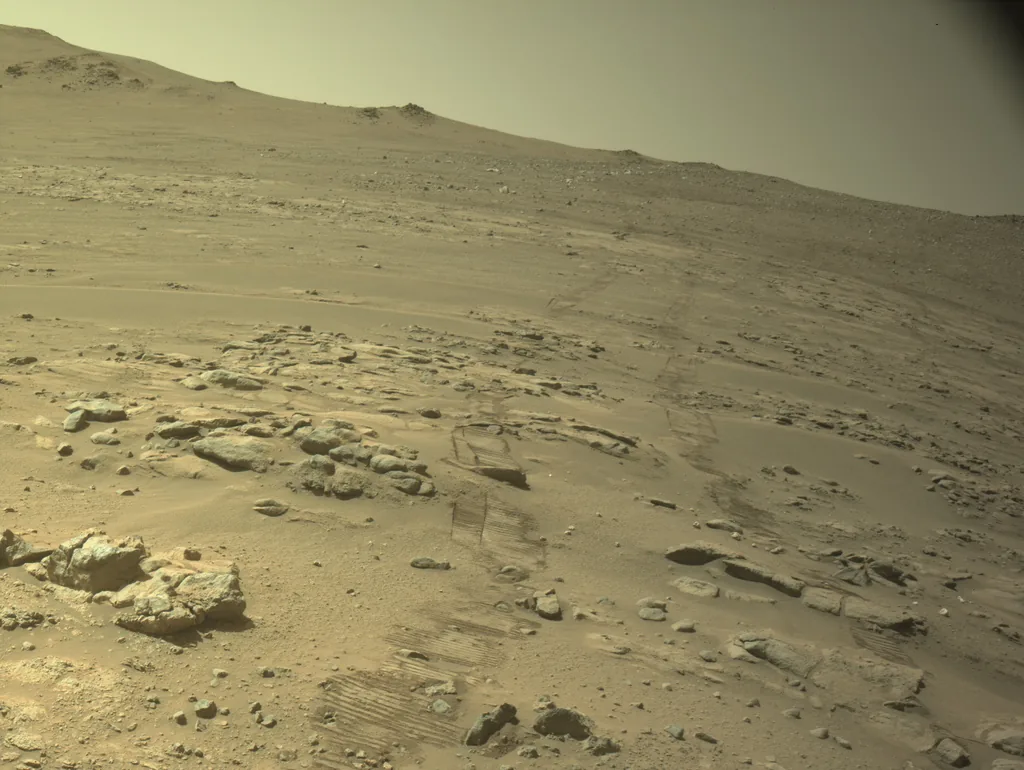
Only one NASA-related development occurred this period, a milestone achievement rather than a scientific discovery. Compared to last period's Webb telescope pinpointing the most distant fast radio burst, the focus this time shifted to Mars exploration: the Perseverance rover surpassed 28 miles of cumulative driving on Mars, setting a new off-world driving record and exceeding the mark held by the Opportunity rover since 2018. Multiple outlets reported the achievement, with NASA JPL confirming it as the off-world record for total distance driven, and the mission continues.
· 1 event in window
Only one NASA-related development occurred this period, but it is a major scientific discovery rather than promotional content. Astronomers using the James Webb Space Telescope pinpointed the most distant fast radio burst ever observed, a signal that traveled more than 10 billion light-years from a galaxy at redshift 2, roughly 3 billion years after the Big Bang. While the event count matches the previous period's single Curiosity rover promotional image, the scientific significance is substantially higher. The source galaxy, described as compact and actively forming stars, challenges existing models of how these enigmatic bursts are produced.
· 1 event in window
Only one NASA-related development occurred this period, and it is promotional content rather than a major mission milestone. The Curiosity rover captured a rare, high-detail dawn image of Mars, revealing ancient cliffs and billion-year-old rock formations at Vera Rubin Ridge; the image was selected as photo of the day by both Space.com and NASA. The rover also recently passed 5,000 Martian days and one kilometer of travel. Compared with the previous period's astronaut return and Margaret Hamilton's death, this period is notably quieter.
· 2 events in window
Two NASA-related developments occurred this period, both directly tied to NASA missions. The four astronauts of the SpaceX Crew-12 mission returned to Earth after nearly 10 months in space, with their Crew Dragon capsule splashing down in the Pacific Ocean off the coast of California; NASA has scheduled a briefing to discuss the mission. Additionally, Margaret Hamilton, the computer scientist who led the development of the Apollo 11 onboard flight software, has died at age 90, with MIT confirming her death on 30 September.
· 1 event in window
Only one NASA-related development occurred this period, and it is not directly tied to NASA missions. Multiple outlets report that Saturn reaches opposition on the night of October 3-4, offering the best viewing of the planet all year; it is visible to the naked eye, with a telescope revealing its rings. The event coincides with other October skywatching highlights, including meteor showers and potential Northern Lights.
Tracked events
Events matched to this subject by the tracking pipeline, with signal scores.
· Signal 102.2
SpaceX CRS-35 Falcon 9 launch creates 'space jellyfish' visible along US East Coast
SpaceX launched a Falcon 9 rocket carrying NASA science and cargo to the International Space Station on the CRS-35 mission, the 35th commercial resupply services flight. The pre-dawn launch produced a luminous "space jellyfish" effect — sunlight illuminating the rocket's exhaust plume at high altitude against a darker sky — visible across Florida, the US East Coast, the Southeast, and as far away as Indiana. Sonic booms were heard along Florida's Space Coast. No injuries, damage, or anomalies were reported.
James Webb Telescope Pinpoints Most Distant Fast Radio Burst Over 10 Billion Light-Years Away
Astronomers using the James Webb Space Telescope have pinpointed the most distant fast radio burst ever observed, a millisecond-long signal that traveled more than 10 billion light-years to reach Earth. The burst originated from a galaxy at redshift 2, roughly 3 billion years after the Big Bang, when the universe was about 3 billion years old. Scientists were surprised by the source galaxy, described as compact and actively forming stars, which challenges existing models of how these enigmatic bursts are produced.
6 reports · 1 sources
· Signal 76.4
NASA’s Curiosity rover captures unprecedented dawn image of ancient Martian cliffs
NASA’s Curiosity rover has captured a rare, high-detail image of dawn on Mars, revealing ancient cliffs and billion-year-old rock formations. The photograph, taken as morning light illuminated the landscape, shows the rugged terrain of Vera Rubin Ridge and distant Martian mountains. The image was featured as Space.com’s photo of the day for October 8, 2026, and as NASA’s Astronomy Picture of the Day. The rover also recently passed 5,000 Martian days and one kilometer of travel.
Saturn reaches opposition on October 3-4, offering best viewing of the year
Saturn reaches opposition on the night of October 3-4, 2026, making it the best time to view the planet all year. During opposition, Saturn is directly opposite the Sun from Earth, appearing brighter and larger. Multiple outlets report it is visible to the naked eye, though a telescope reveals its rings. The event coincides with other October skywatching highlights including three meteor showers, potential Northern Lights, and a final opportunity to view the Milky Way.
NASA's Perseverance rover has set a new record for the longest distance driven by a human-made vehicle on another planet, reaching 45.22 kilometers since landing on Mars in 2021 and surpassing the 45.16 kilometers logged by the Opportunity rover between 2004 and 2018. NASA had planned only about 20 kilometers of driving. The roughly $2.5 billion rover is expected to continue exploring until at least the end of 2028.
Margaret Hamilton, the computer scientist who led MIT's development of onboard flight software for NASA's Apollo missions, has died at 90, MIT confirmed on 30 September. Her priority-driven software helped prevent a computer overload from aborting the Apollo 11 lunar landing in 1969. She coined the term "software engineering," later founded Hamilton Technologies, and received the Presidential Medal of Freedom in 2016. Major outlets reported her death.
Four astronauts from NASA's SpaceX Crew-12 mission returned to Earth after roughly eight months aboard the International Space Station, splashing down in the Pacific Ocean aboard a SpaceX Crew Dragon capsule. NASA confirmed the splashdown at 11:34 a.m. EDT and scheduled a briefing on the mission. The crew included ESA astronaut Sophie Adenot, reported to have spent 237 days in space. Coverage described the landing as picture-perfect or flawless, though reports varied on duration and splashdown location.
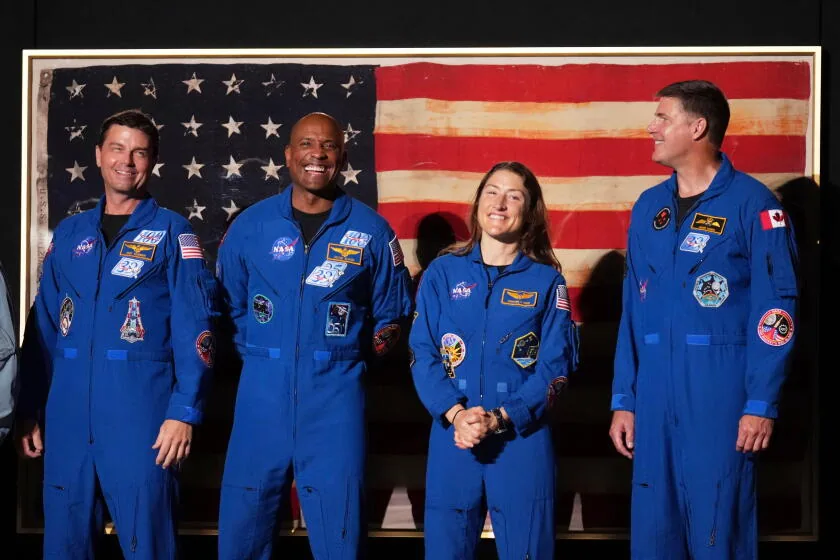
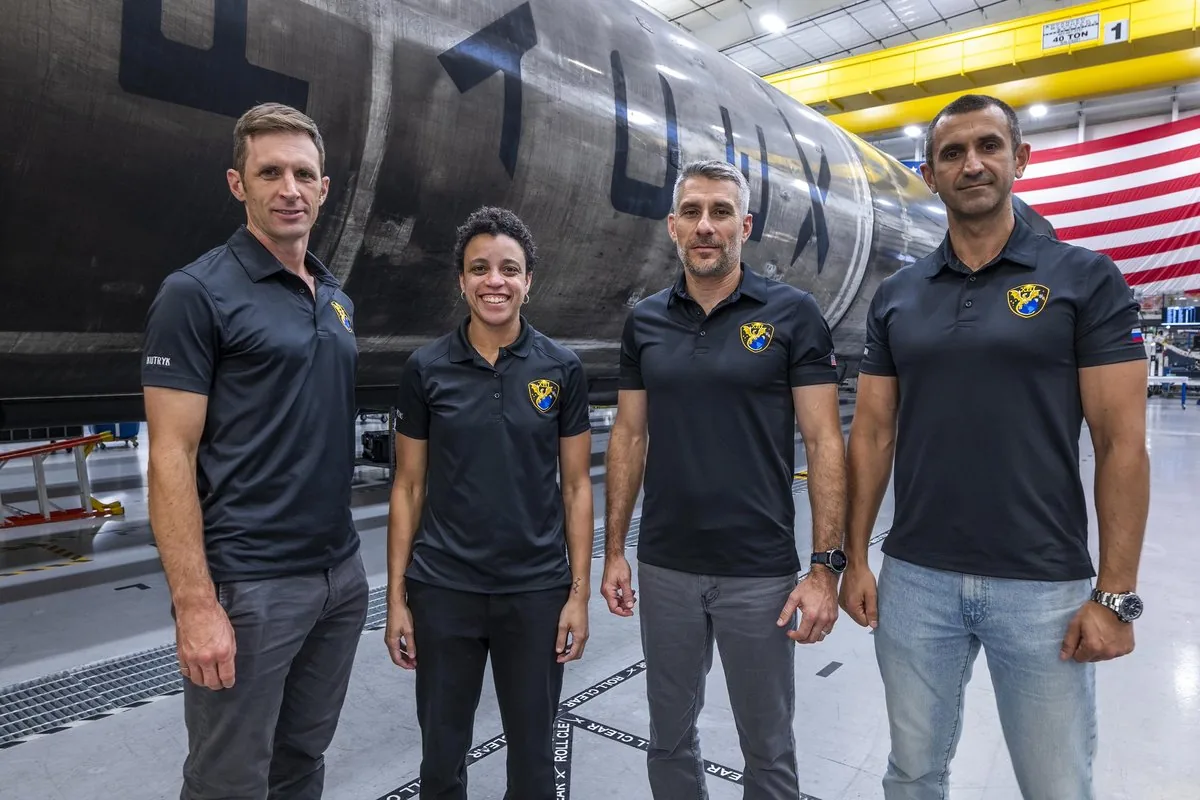
SpaceX launched three rockets within 13 hours on October 1, 2026, including the Crew-13 mission for NASA. The Crew-13 astronauts docked at the International Space Station in less than eight hours, setting the fastest American crewed flight record. The mission was commanded by the first Black female spacecraft commander. The multinational crew includes two NASA astronauts, a Russian cosmonaut, and a Canadian astronaut. One astronaut will miss the birth of his third child during the six-month mission.
NASA announced a revised plan for Boeing's troubled Starliner spacecraft, delaying its first crewed mission to 2028 and scheduling an uncrewed test flight for late 2024 or early 2025. The spacecraft may require a new rocket, and NASA named a commander for the future mission. Boeing expressed excitement about becoming the sole U.S. astronaut transportation provider. The delays follow technical failures that left astronauts stranded at the ISS in 2024.
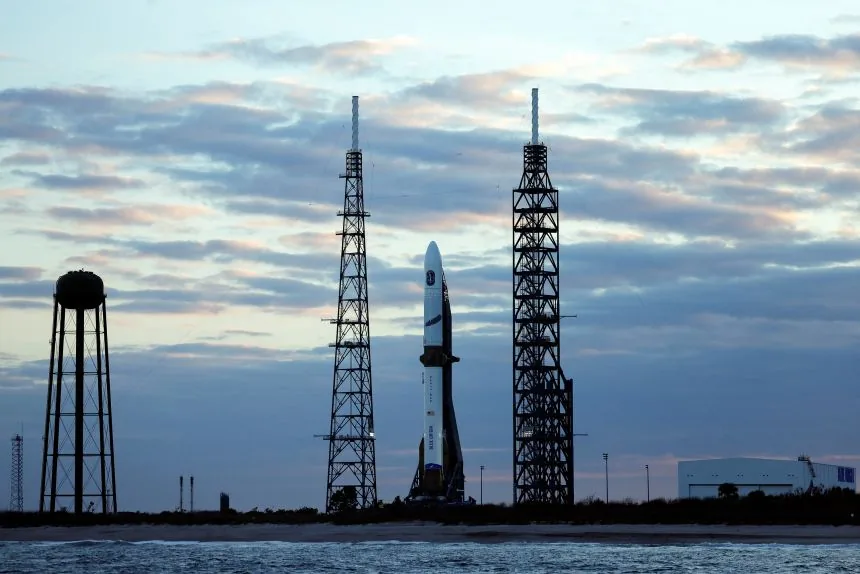
Blue Origin, Jeff Bezos' space company, has raised $10 billion in its first-ever external funding round, achieving a $140 billion valuation. The round is oversubscribed, with Bezos personally contributing $2 billion, bringing his total investment to $30 billion since 2000. The company projects revenue growth from $800 million in 2025 to over $30 billion by 2030, driven by rocket launches, satellite communications, and AI satellite services. The funding marks a shift from sole reliance on Bezos to broader market financing.
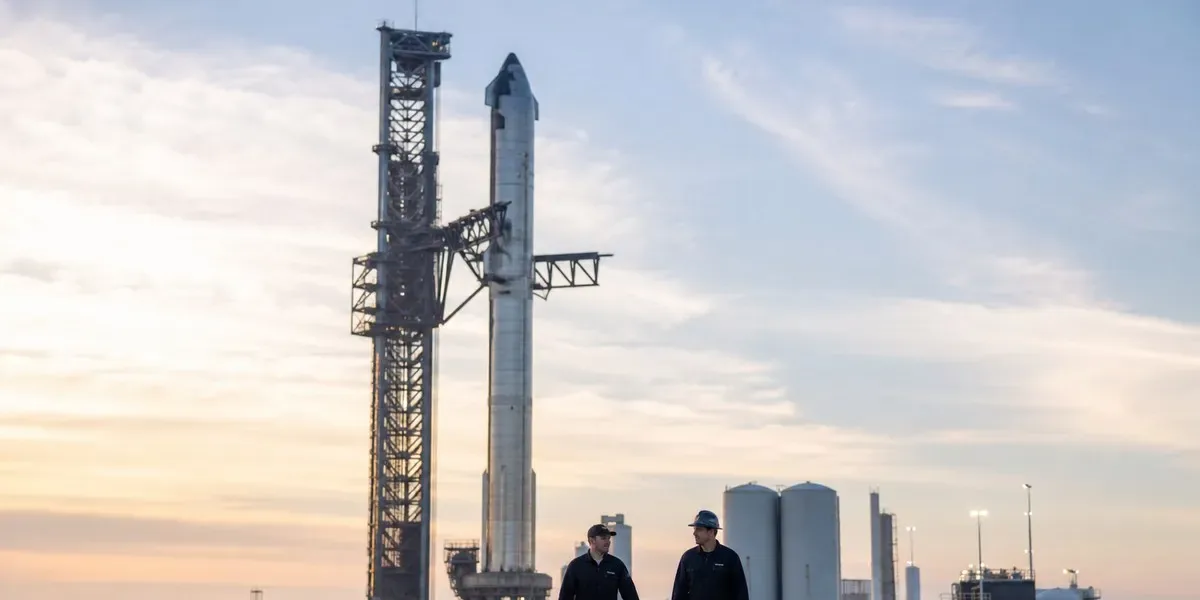
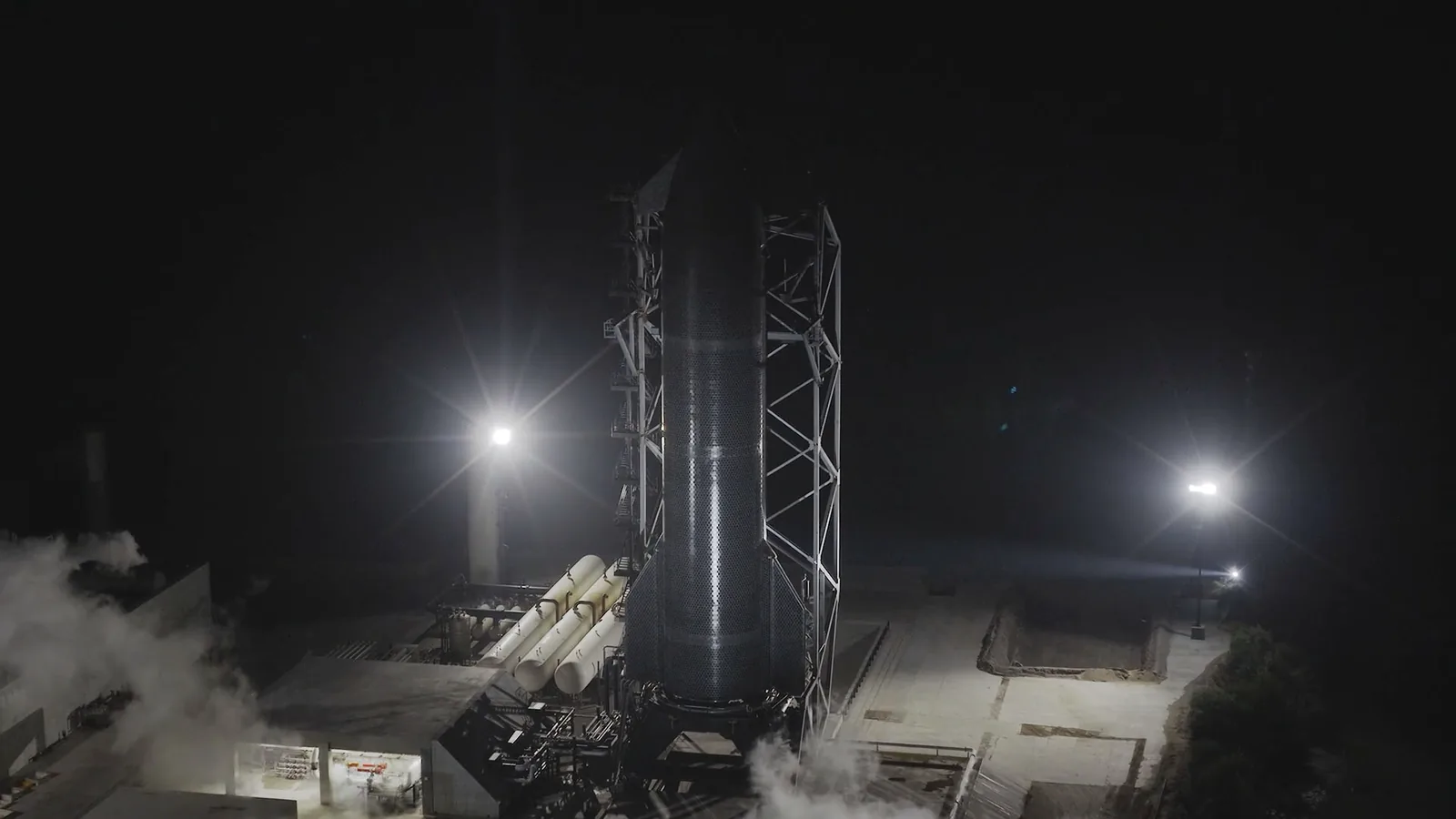
On September 28, 2026, SpaceX's Starship achieved its first orbital flight, launching 26 next-generation Starlink V3 satellites from Starbase, Texas. The Super Heavy booster splashed down in the Gulf of Mexico. One upper-stage engine failed prematurely, but the mission continued. Originally planned for ten hours and six orbits, the flight was cut to about three hours and less than two orbits. Starship deployed all satellites before splashing down north of Hawaii, where it tipped over and caught fire. SpaceX and NASA called the mission a milestone.
SpaceX's Starship, the largest rocket ever built, successfully reached Earth orbit for the first time during its 14th test flight on September 29, 2026, launching from Texas. The mission deployed 26 Starlink V3 satellites but was cut short after an engine failure, ending with a controlled splashdown in the Pacific Ocean after about three hours instead of the planned ten. NASA Administrator Jared Isaacman congratulated SpaceX, while Reuters reported the engine issue could affect NASA's lunar mission timeline.
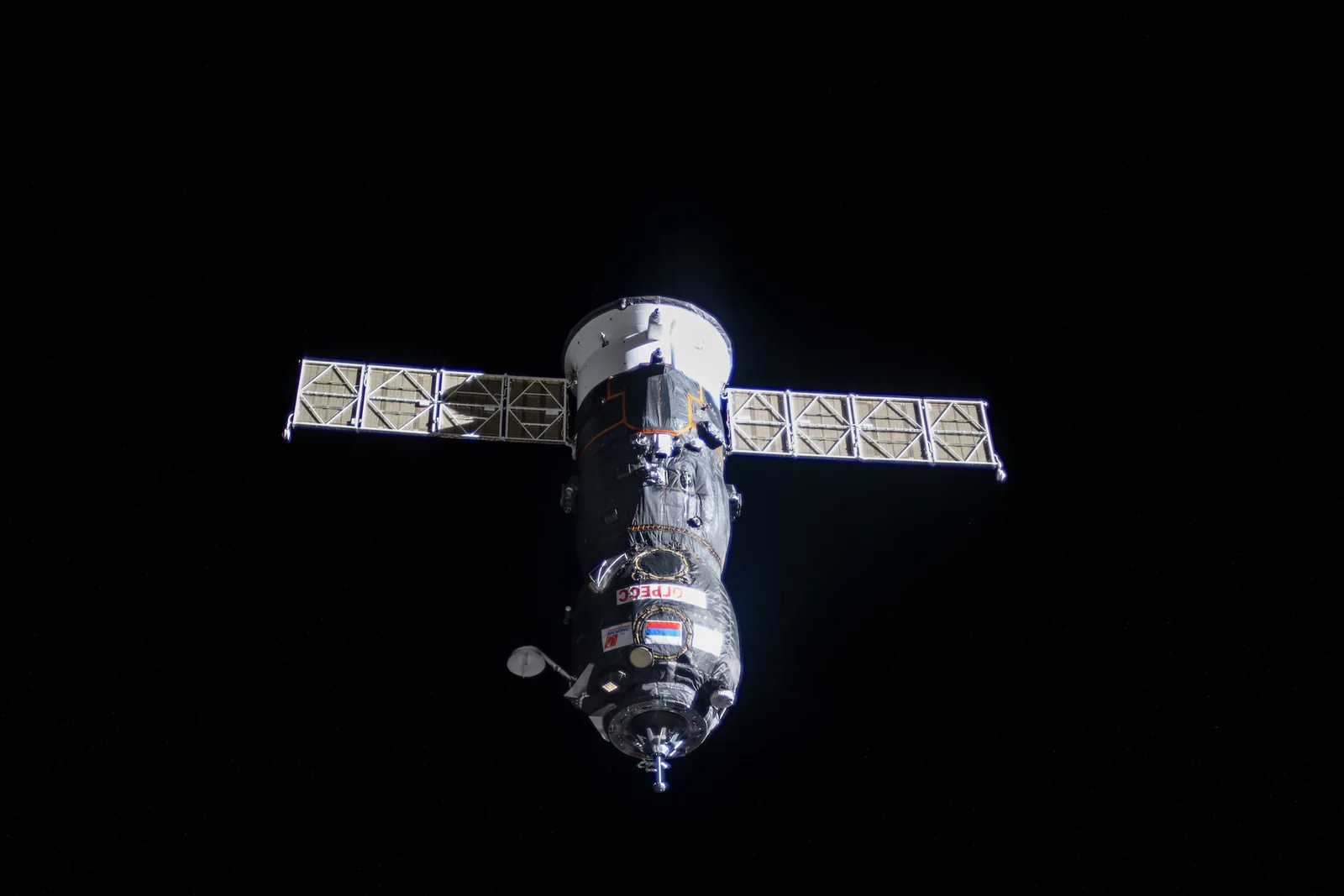
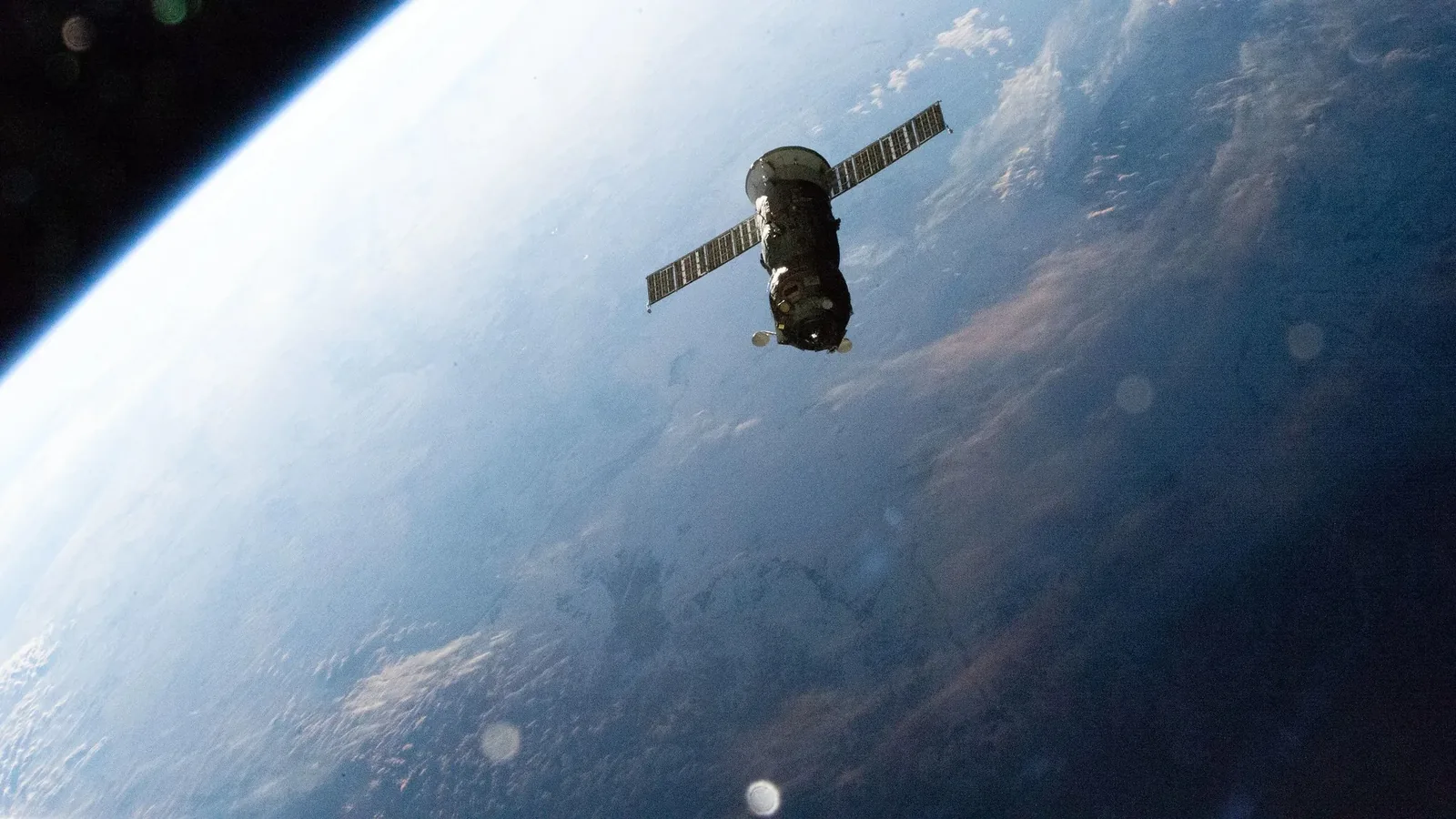
Russia launched the Progress MS-35 (Progress 96) cargo spacecraft from the Baikonur Cosmodrome on September 16, 2024, carrying over 2.4 tons of supplies, fuel, and equipment to the International Space Station. The spacecraft docked manually with the Rassvet module on September 19, supporting the seven-person crew with food, water, and essential cargo.
NASA has awarded SpaceX approximately $946 million for three additional crewed missions to the International Space Station under the Commercial Crew Program. The contract modification, covering Crew-10, Crew-11, and Crew-12 (or Crew-11 through Crew-13 per some reports), brings the total contract value to $5.92 billion. This ensures continued U.S. access to the ISS for crew rotation and research, reinforcing SpaceX’s role as the sole provider of crew transportation for NASA amid Boeing Starliner delays.