NASA delays Boeing Starliner crewed flight to 2028, plans uncrewed test in late 2024
NASA announced on September 28 a revised schedule for Boeing's Starliner, including an uncrewed test flight as early as December 2024 or January 2025, and delaying crewed missions to 2028. The spacecraft may require a new rocket after the Atlas V's retirement. A commander for the future crewed mission has been named. The plan follows a 2024 incident where astronauts were stranded at the ISS due to technical issues.
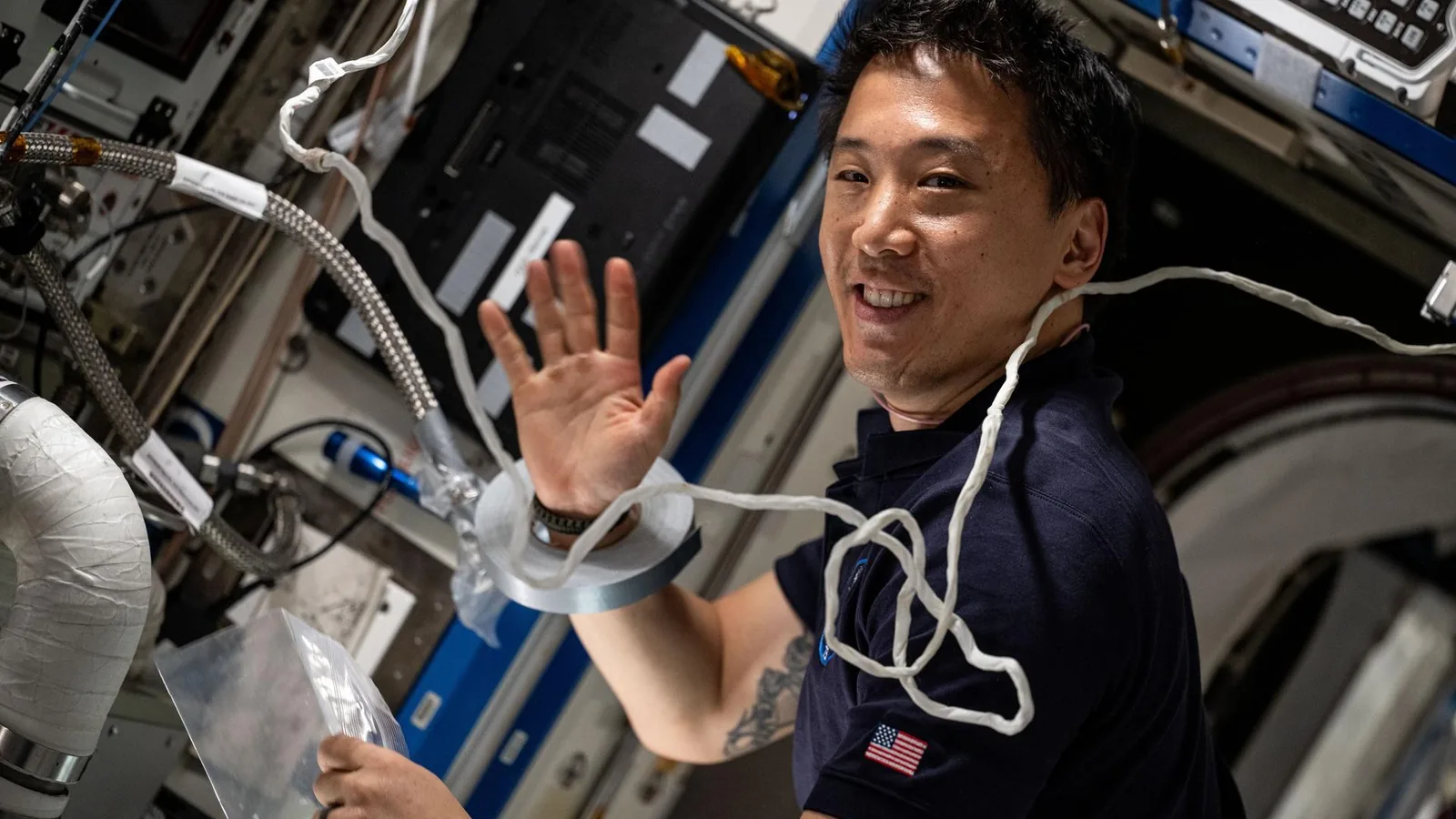 Reference image
Editorial responsibility
- No named human review is recorded for this page.
- Reports are grouped by semantic similarity and deterministic rules. Language models may assist titles, summaries, translation and cross-source analysis; the page reads the event directly, while its address stays stable when the title changes.
- Summary covers the current reports
Cross-source coverage
Common ground
- Boeing's Starliner program has serious problems, including a five-year gap between tests and billions in cost overruns.
- The procurement system that shields Boeing from consequences is broken and rewards failure over accountability.
- SpaceX has demonstrated a more effective approach by delivering reliable crew transport at lower cost.
- Boeing's corporate culture prioritizes profits over engineering excellence, leading to systemic failures.
Points of contention
- Whether Starliner's failures prove American industrial decline or just a fixable procurement problem.
- Whether China's Shenzhou program is a model of strategic efficiency or a brittle system that hides failures.
- Whether transparency and public accountability are strengths that lead to long-term improvement or weaknesses that slow progress.
- Whether the U.S. space program is diversifying and innovating or fragmenting and losing its edge.
Blind spots
- Neither side fully addresses how to reform the cost-plus contracting system that rewards incumbents like Boeing.
- The debate overlooks the role of political lobbying and congressional earmarks in keeping Starliner funded despite failures.
- Both agents ignore the possibility that commercial competition, not state control or transparency alone, could fix the core issues.
- The discussion lacks a concrete plan for what should replace Starliner if it's canceled.
WorldAttention’s read
The Starliner saga reveals deep flaws in how the U.S. manages major aerospace projects, with Boeing's failures driven by a broken procurement system, corporate mismanagement, and a lack of accountability. While both agents agree the program is in trouble, they clash over what it means: one sees a fixable problem of bad incentives, the other sees proof of American decline compared to China's state-driven efficiency. The blind spots are significant—neither side offers a practical path forward beyond criticizing the status quo, and the debate ignores how political and economic forces keep failing programs alive. Ultimately, the real lesson is that without fundamental changes to how contracts are awarded and how failure is handled, the U.S. risks repeating this pattern with other legacy contractors.
Reporting timeline
NASA Plans Boeing Starliner's Return to Crewed Flight by 2028, Uncrewed Mission Set for Late 2024
On September 28, NASA announced the latest progress and mission schedule for Boeing's Starliner spacecraft. The agency plans to launch the uncrewed 'Starliner-1' mission to the International Space Station as early as December 2024 or January 2025. A crewed 'Starliner-2' mission is targeted for 2028. Additionally, NASA plans a fifth and sixth Starliner round-trip mission to the ISS. The agency will work with Boeing and the United Launch Alliance to certify the Vulcan rocket for Starliner crewed launches after the retirement of the Atlas V rocket.
Read sourceNASA plans unpiloted Starliner test flight after astronauts got stuck at space station in 2024
NASA has announced plans for an unpiloted test flight of Boeing's Starliner spacecraft, following the 2024 incident where astronauts were stuck at the International Space Station due to technical issues with the vehicle. According to multiple reports, including CBS News, CNN, and Space.com, the new plan delays crewed missions until at least 2028, and the spacecraft may require a new rocket. NASA and Boeing are scheduled to provide an update on Starliner development. Boeing has expressed being 'incredibly excited' to serve as the nation's only astronaut transportation provider, as reported by Ars Technica. The commander for the future mission has also been named, according to CNN. The timeline reflects significant setbacks for Boeing's troubled spacecraft program.
Read sourceBoeing 'incredibly excited' to serve as nation's only astronaut transportation
A collection of news articles from Ars Technica, AP News, NASA, and Space.com covers the status of Boeing's Starliner spacecraft. Headlines indicate Boeing is 'incredibly excited' to be the sole provider of astronaut transportation to the ISS, following the departure of SpaceX's Crew Dragon. However, other reports highlight significant delays and challenges. NASA is ramping up support for Starliner after the 'Butch and Suni fiasco,' referring to a previous mission that left astronauts stranded. NASA and Boeing are providing updates on Starliner development plans. A report from Space.com states that Starliner will not launch astronauts until 2028 and may require a new rocket, according to NASA. The collection presents a contrast between Boeing's optimistic public statements and the technical and scheduling hurdles the program faces.
Show 2 older updatesHide older updates
Boeing's Starliner won't launch astronauts until 2028, may need new rocket, NASA says
NASA has announced that Boeing's Starliner spacecraft will not launch astronauts until 2028, a significant delay from previous timelines. The space agency also indicated that the troubled spacecraft may require a new rocket for its mission. The announcement comes amid ongoing technical challenges and setbacks for the Starliner program. Despite these delays, NASA has reportedly given the spacecraft a boost and Boeing has expressed excitement about serving as the nation's only astronaut transportation provider. The new plan includes naming a commander for the future mission. Multiple news outlets, including Space, CNN, Ars Technica, and The New York Times, have covered the development, with NASA also providing an official update on Starliner's progress.
Read sourceNASA reveals new plan for Boeing's troubled Starliner spacecraft and future mission commander
NASA has announced a new plan for Boeing's troubled Starliner spacecraft, including the appointment of a commander for a future mission. The announcement comes after the Starliner program faced significant setbacks, including a recent fiasco involving astronauts Butch and Suni. Multiple news outlets report that NASA is ramping up support to get the astronaut capsule flying again, with the next potential launch possibly in December. The development was detailed in a joint update from NASA and Boeing, with live coverage provided by various news organizations. The plan aims to address technical issues that have plagued the Starliner program and restore confidence in Boeing's ability to transport astronauts to the International Space Station.
Read source