Reporting on this entity comes from multiple media camps.
55%
35%
Western168 · 55%
Regional4 · 1%
Neutral / independent106 · 35%
Eastern29 · 9%
Latest Stories
Periodic recap
What changed for this subject in each tracking window — generated from matched events, delta-first.
· 1 event in window
Canada-related activity this period again centered on a single event, but unlike the previous period's unverifiable item, this one is concrete: a mother and daughter were found dead after a suspected grizzly bear attack near Bella Coola, British Columbia. The incident is unrelated to the trade issues around the Section 338 tariff lawsuit and exemption adjustments that dominated the prior period, and is a public-safety matter. Overall information volume was limited, with no new trade or policy developments.
Jennifer Balcarras, 48, and her 20-year-old daughter Selah Reed were found dead after a suspected grizzly bear attack near Bella Coola; the two were reported missing on 1 November after failing to return from a walk on the Snooka West Trail.
The BC Conservation Officer Service and the Royal Canadian Mounted Police found the remains on Monday and Tuesday during searches.
Officials said it was unclear whether more than one bear was involved, and conservation officers are working to trap any bears responsible.
Earlier recaps
· 1 event in window
Canada-related developments were sparse this period, with only one event matched and that event carrying no title or summary, so no specific development can be confirmed. Compared with the previous period's dense activity around the Section 338 tariff lawsuit and exemption adjustments, no verifiable new change appeared.
· 2 events in window
This period's Canada-related developments center on the tariff dispute entering the courts. The Liberty Justice Center filed suit on behalf of New Jersey cheese importer Gellert Global Group against Trump's 50% Section 338 tariffs on roughly $20bn of Canadian goods, the first legal challenge to those levies; three days after filing, Trump exempted some Canadian products while adding others, effective October 30. A separate item on Apple's foldable iPhone launch, unrelated to Canada, was matched into the feed and is noise rather than a substantive change for Canada.
· 2 events in window
This period shifts from Alberta's secession referendum to deteriorating US-Canada relations. The US Embassy in Ottawa accused Canadian officials of election meddling ahead of the midterms, which Prime Minister Mark Carney dismissed, noting the US initiated trade actions first. Meanwhile, the Trump administration announced it will lift some 50% tariffs on Canadian goods starting October 30, a move linked to lobbying by Republican Senator Susan Collins, while imposing new tariffs on carpets and waste products.
· 1 event in window
This period shifts from the previous military tragedy to Alberta's secession referendum question. On October 19, Alberta residents voted on whether to initiate the legal process toward a binding secession referendum, after Premier Danielle Smith called the vote following a grassroots petition that gathered about 300,000 signatures, though a court blocked the pro-separation petition over failure to consult First Nations. Polls suggested roughly 70 percent favored remaining in Canada, with Prime Minister Mark Carney and both major federal parties opposing separation, while US President Donald Trump's administration backed the movement. If approved, a binding referendum could occur as soon as 2027.
· 1 event in window
This period marks a sharp shift from the previous space-cooperation focus to a domestic military tragedy. A major fire at Canadian Forces Base Wainwright in Alberta on October 17, during high-intensity combat training with live munitions, killed four service members and injured dozens, with at least 19 of 39 hospitalized in critical condition. Officials said the cause remains under investigation and does not appear tied to terrorism, oil and gas infrastructure, or outside interference. Prime Minister Mark Carney called it one of the worst peacetime tragedies for the forces on Canadian soil.
Tracked events
Events matched to this subject by the tracking pipeline, with signal scores.
A mother and her 20-year-old daughter were found dead in a suspected grizzly bear attack near Bella Coola, British Columbia, after being reported missing on 1 November. Jennifer Balcarras, 48, and Selah Reed, 20, had set out on a walk near their home. Balcarras's remains were found Monday and Reed's Tuesday. The BC Conservation Officer Service says it is unclear whether more than one bear was involved and is working to trap any responsible animals.
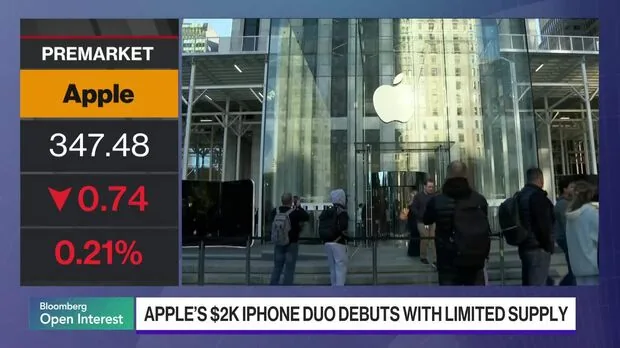
Apple launched its first foldable iPhone, the iPhone Duo, on October 23, 2026, priced from $2,000 in the U.S. and €2,300 in Europe, with top models reaching €3,800. All models sold out on day one across Apple's website and major retail channels, with some China orders estimated for delivery as late as January 2027. Long queues formed at stores including Fifth Avenue in New York and in Berlin, while scalper premiums in Beijing shrank from 2,000–2,500 yuan to roughly 800–1,000 yuan within a day. Supply chain sources, unconfirmed, say Apple added 30% to supplier orders.
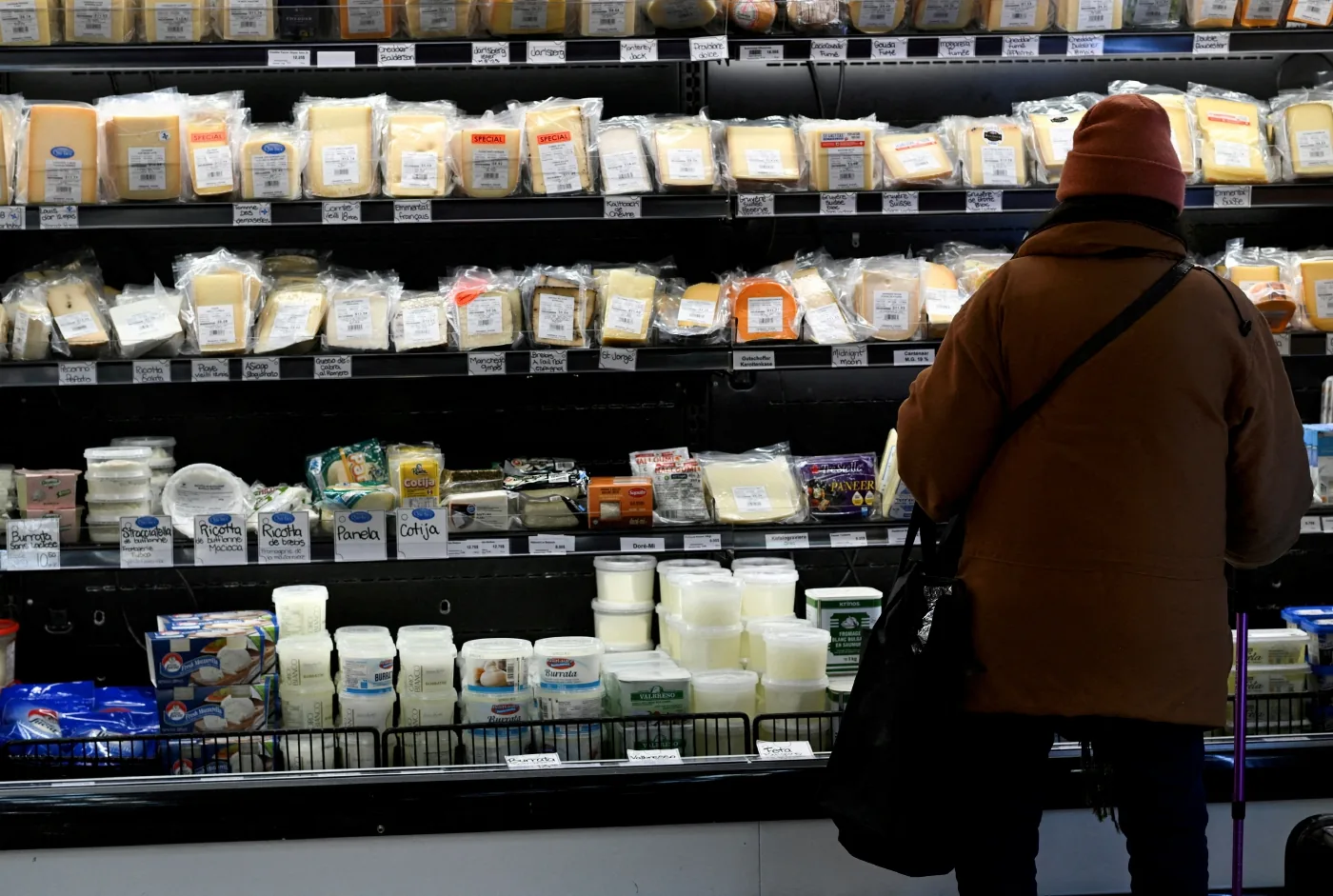
The Liberty Justice Center filed Gellert Global Group Corp. v. Trump in the US Court of International Trade, the first lawsuit challenging President Trump's 50% Section 338 tariffs on roughly $20bn of Canadian goods imposed after US-Canada trade talks broke down in August. The suit, brought for New Jersey cheese importer Gellert Global Group, seeks a ruling that the levies are unlawful, refunds with interest and a preliminary injunction, and asks for class certification covering all affected importers. It argues Section 338 of the 1930 Tariff Act was superseded by Section 301 of the 1974 Trade Act, that the tariffs exceed the statute's discrimination and offset requirements, that a required 30-day waiting period was violated, and that the administration's reading breaches the major questions and nondelegation doctrines. Days later, Trump signed a proclamation exempting some Canadian products while adding others, effective October 30.
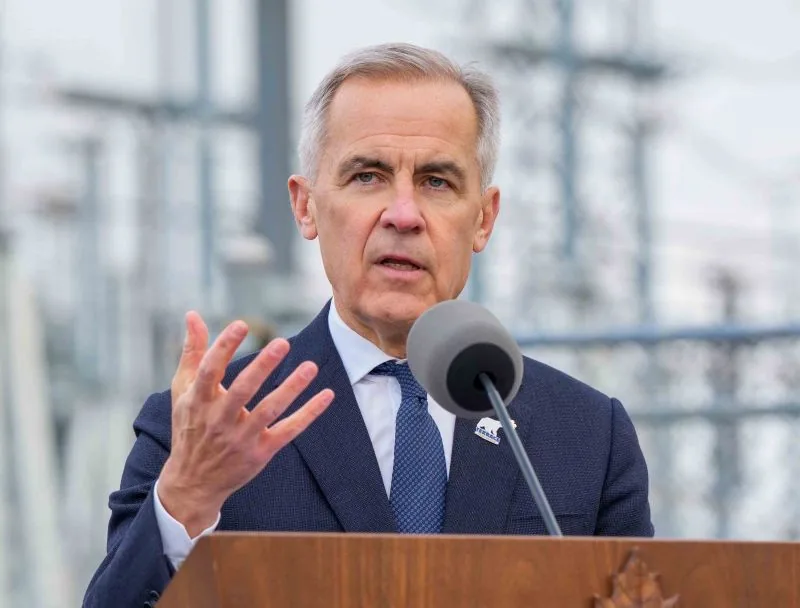
The Trump administration announced it will ease some 50% tariffs on Canadian goods from 30 October, two weeks before US midterm elections, after Republican Senator Susan Collins of Maine said she lobbied for the change. Exemptions cover plywood sheets, some paper products, certain machinery, refrigeration equipment and packing crates, while new tariffs will be placed on carpets and waste products. The US imposed the 50% levy on $20bn of Canadian goods after trade talks collapsed in August, prompting Canada to match tariffs dollar for dollar. Collins said the relief helps Maine's blueberry, potato, apple and seaweed producers; Democratic challenger Troy Jackson criticized her. Prime Minister Mark Carney said Canada remains open to a mutually beneficial deal but is willing to wait.
The US Embassy in Ottawa accused Canadian officials of election meddling ahead of November's US midterms, citing meetings with US Democrats and calls for retaliatory tariffs. Prime Minister Mark Carney dismissed the claims, noting the US initiated trade actions first. Ontario Premier Doug Ford denied any interest in interfering. Canada advised its diplomats to avoid appearing with midterm candidates. The dispute follows months of tariff tensions and marks a deterioration in US-Canada relations.
Alberta voters rejected a referendum on separation from Canada, with preliminary results showing more than two-thirds chose to remain part of the country. The vote, called by Premier Danielle Smith after a petition gathered about 300,000 signatures, delivered a decisive defeat to the province's separatist movement and a political boost to Prime Minister Mark Carney. The result came amid a trade war with the United States and repeated suggestions by US President Donald Trump that Canada become the 51st state. Results on nine other referendum questions were still being tallied.
A fast-moving fire at Canadian Forces Base Wainwright in Alberta on Saturday killed four Canadian service members and injured dozens, with at least 19 of 39 hospitalized in critical condition. Maj-Gen Wade Rutland said the blaze covered a kilometre in 30 to 60 seconds after a wind shift. The dead were Sgt Morgan Wong, Pte Shaun Farrell, Pte Aidan Goulding and Pte Hayden Lykkemark, who were training for deployment to Latvia. Prime Minister Mark Carney called it one of the worst peacetime tragedies for the forces on Canadian soil; officials ruled out terrorist activity and said the cause remains under investigation.
The European Union plans to dramatically increase satellite launches over the next eight years, aiming for nearly 630 government satellites, 1,000 commercial satellites, and nearly 300 defense satellites. EU Commissioner for Defense and Space Andrius Kubilius stated the bloc will require 62 rocket launches per year by 2034, six times the current rate. To support this, the EU is seeking new launch sites in Norway, Scotland, and Canada, while expanding capacity at its existing spaceport in French Guiana.
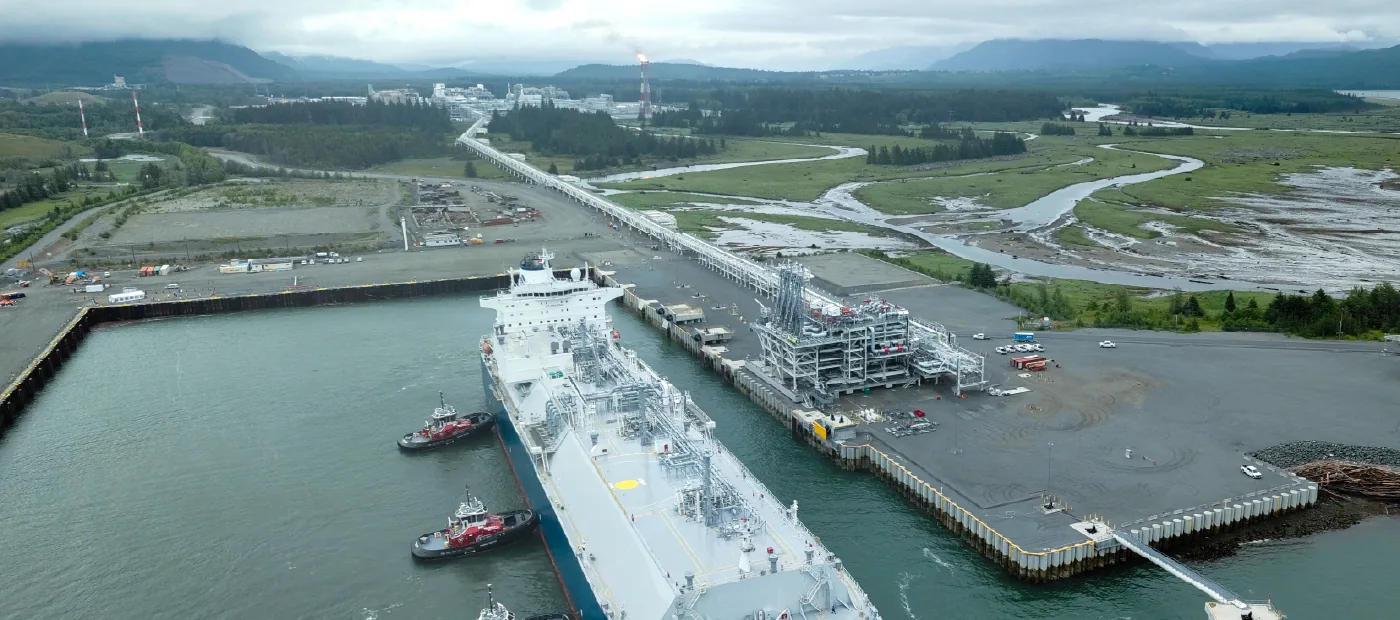
Canadian Foreign Minister Anita Anand stated on September 21 that Canada is open to cooperating with France on exporting liquefied natural gas (LNG) from its Pacific coast, calling France a suitable partner. The remarks followed a September 20 meeting between Canadian and French leaders. French President Emmanuel Macron confirmed bilateral negotiations have been launched, saying Canadian LNG can play an important role in Europe's energy mix. No formal agreement has been announced.
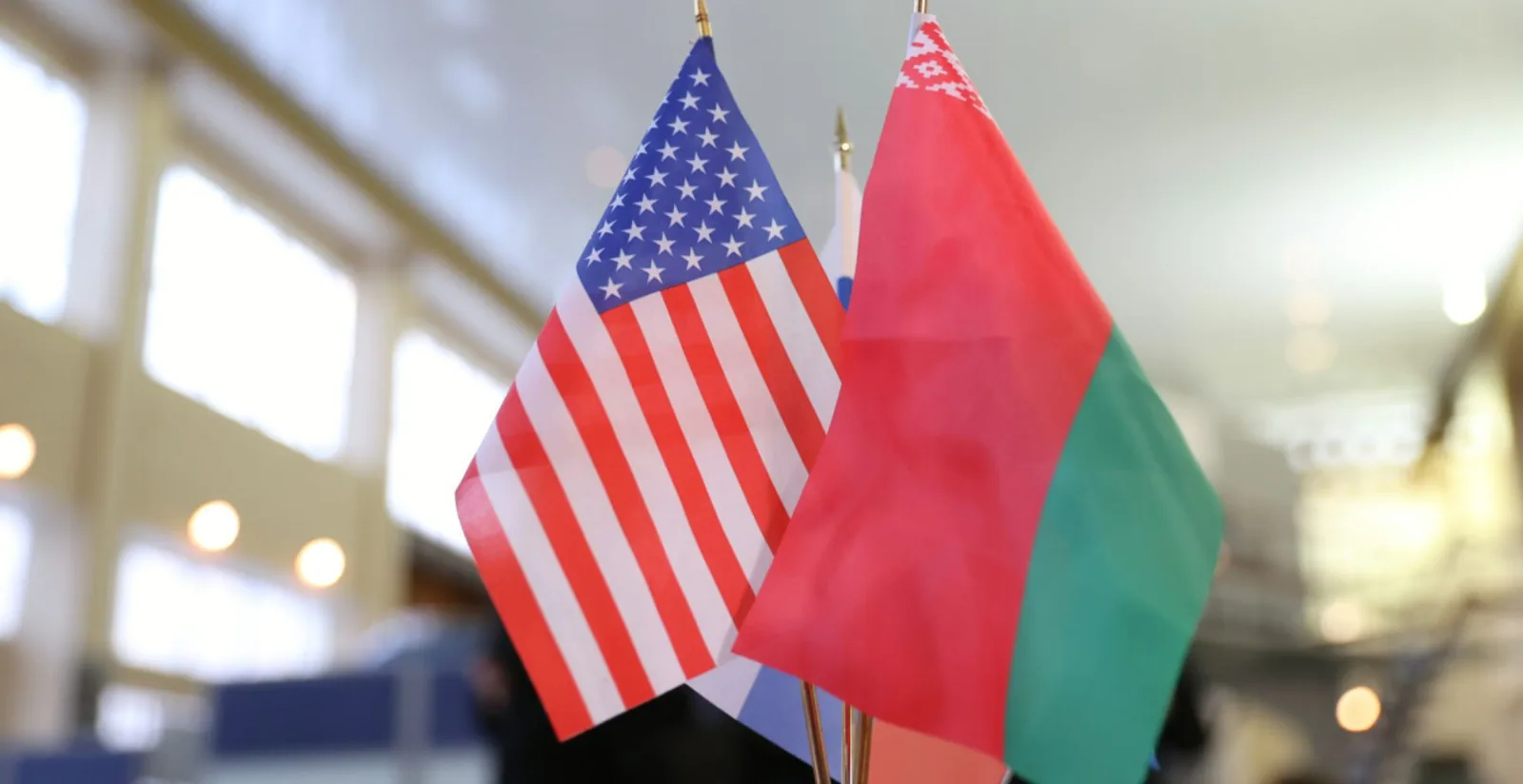
U.S. President Donald Trump announced the U.S. is working on a large-scale deal to buy potash from Belarus at prices substantially lower than from Canada, amid an escalating trade dispute. However, Belarusian President Alexander Lukashenko stated on September 21 that Belarus cannot supply large quantities, as all 2026 potash output is already booked. The announcement caused shares of major fertilizer producers like Nutrien and CF Industries to fall. Analysts note U.S. potash supply is currently adequate and logistical challenges remain.
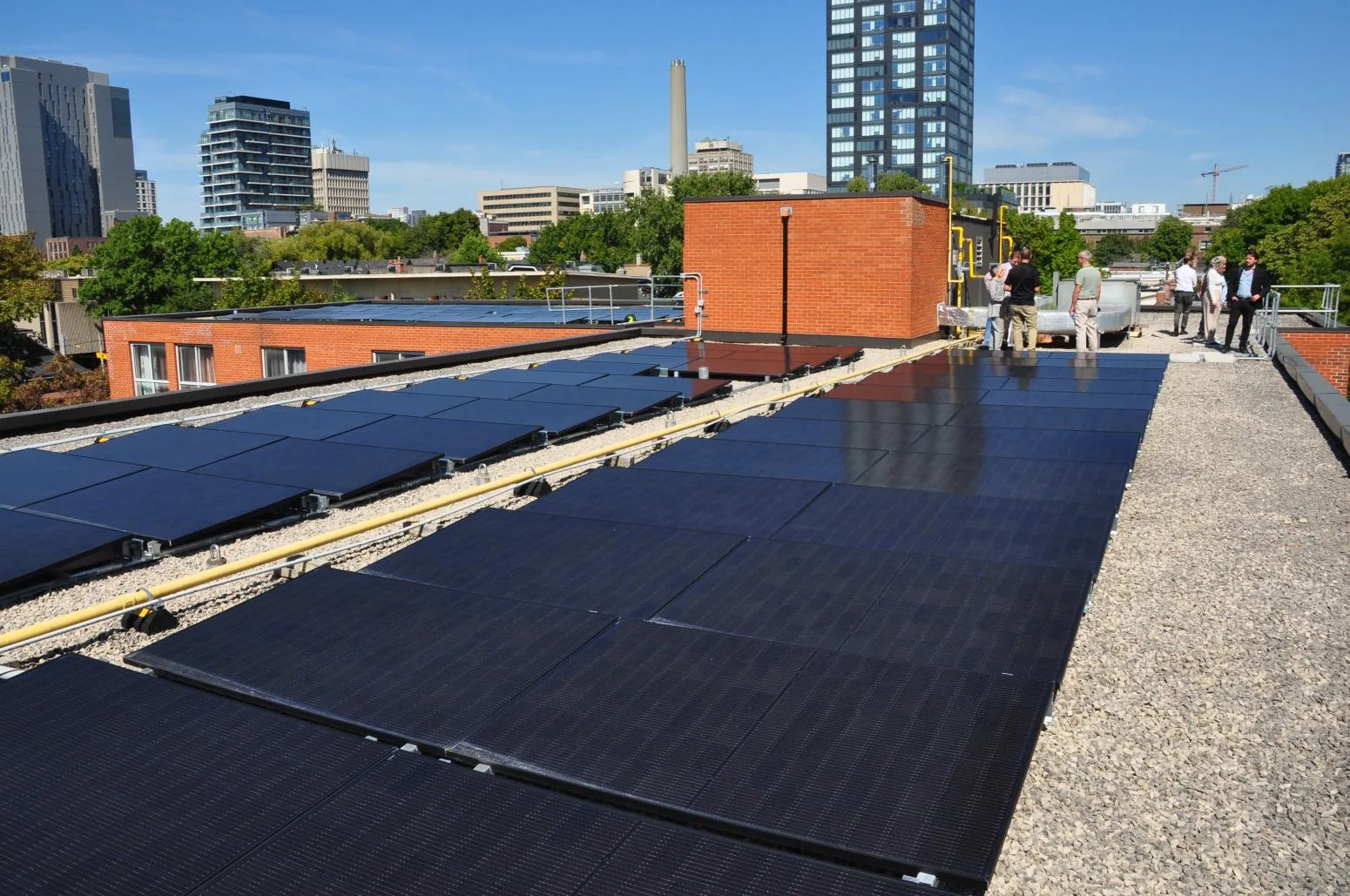
On September 17, 2026, the Canadian International Trade Tribunal terminated the second sunset review of anti-dumping and countervailing duties on Chinese crystalline silicon photovoltaic modules and laminates, revoking the orders. The Canada Border Services Agency will cease collecting these duties. The termination was procedural after the only domestic producer, Heliene, stopped production in Canada. No importers, Chinese exporters, or the Chinese government participated. The decision ends over 11 years of trade measures first imposed in 2014.
French President Emmanuel Macron and Canadian Prime Minister Mark Carney met on September 20 in Saint-Pierre-et-Miquelon, announcing a deepening of bilateral ties in fisheries, security, and energy. Macron backed Canada's bid to become an EU "associate member," following European Commission President Ursula von der Leyen's earlier support. The rapprochement comes amid escalating US-Canada trade tensions and US President Donald Trump's expansionist rhetoric, including a map depicting the region under the US flag. Carney also proposed Canada join the UK-led Joint Expeditionary Force.
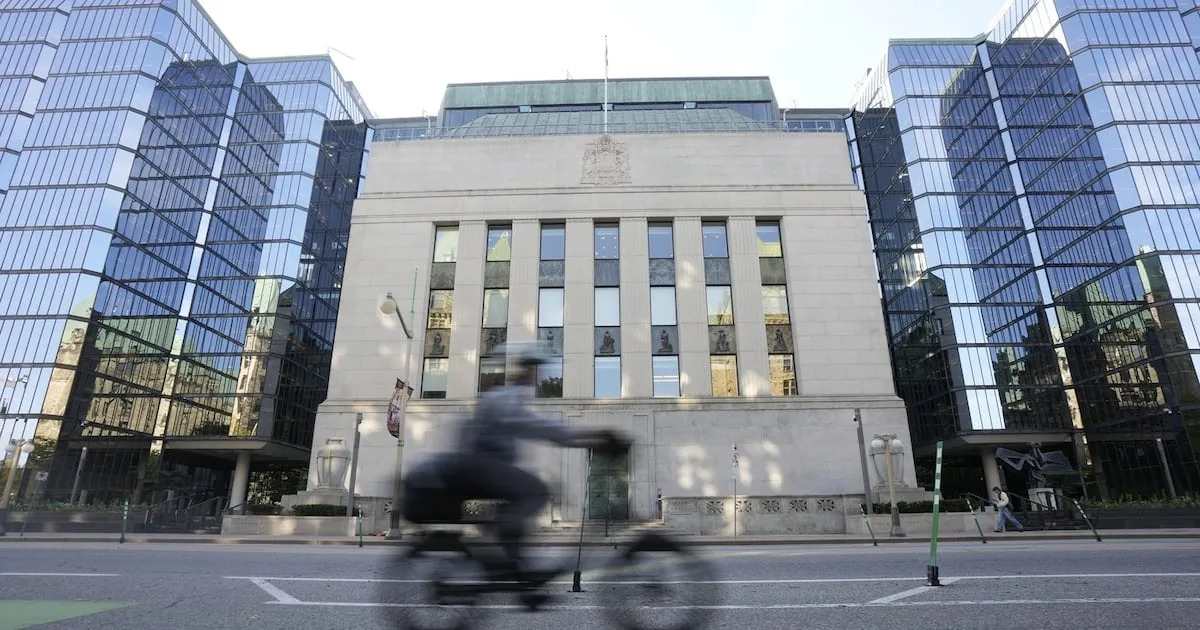
Bank of Canada Governor Tiff Macklem warned that new U.S. tariffs could cut Canada's fourth-quarter economic growth to below 1%, roughly half the previous pace, while annual inflation remains at 3%, above the 2% target. He stated that if oil prices stay near $100 per barrel, inflation could rise further, though there is no evidence yet of broader price spillovers. Macklem indicated the central bank faces a narrowing policy space, avoiding rate hikes if inflation remains controllable but ready to act if price pressures persist.
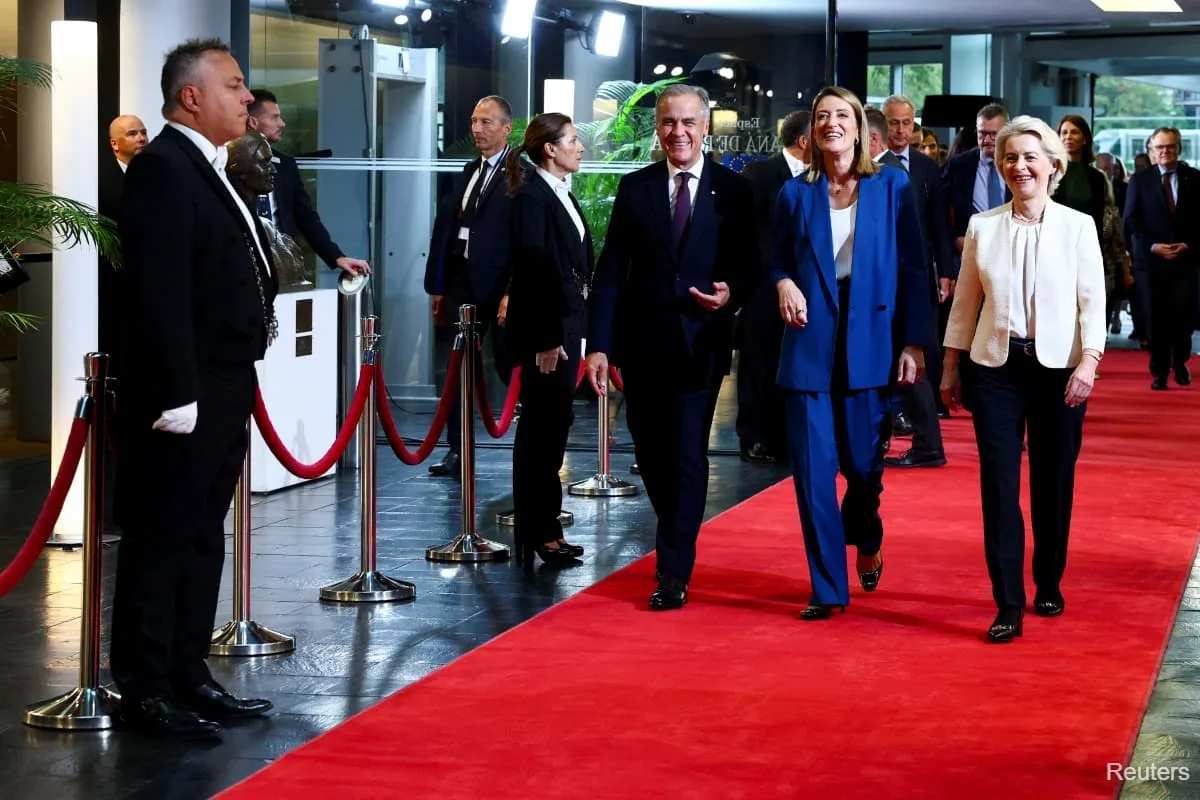
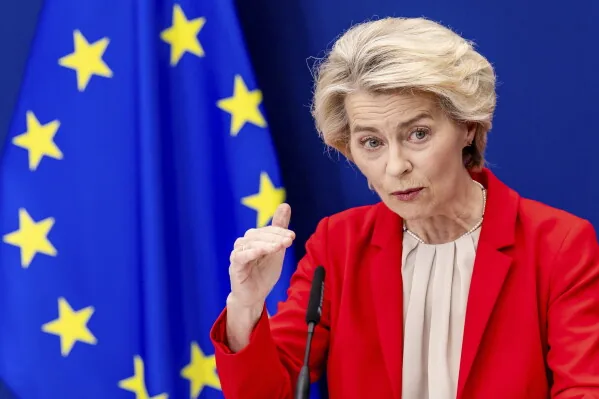
European Commission President Ursula von der Leyen proposed making Canada the first "associate member" of the EU during her September 16, 2026 State of the Union address. Canadian Prime Minister Mark Carney welcomed the proposal, seeking a "unique alliance" covering defense, energy, AI, critical minerals, and Arctic cooperation. The move follows escalating US-Canada trade tensions and Trump's tariff threats. US President Donald Trump dismissed the idea as "laughable" and warned of severe tariffs if implemented. The undefined status faces EU legal hurdles and requires unanimous member state approval.
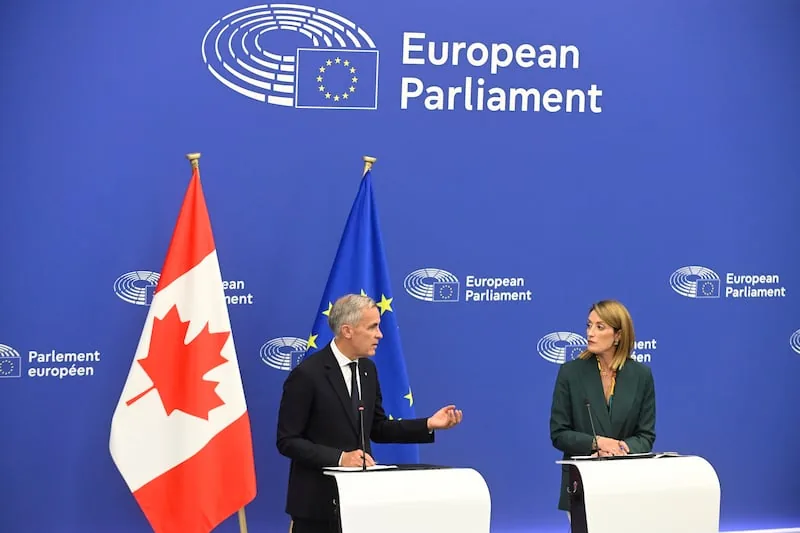
Former U.S. President Donald Trump threatened to impose heavy tariffs on the European Union or halt trade if the EU grants Canada associate member status, calling the idea “ridiculous” and Canada a “terrible trading partner.” The threat follows EU plans to deepen ties with Canada, including potential quasi-membership. Canadian PM Mark Carney is set to address the EU Parliament. The EU stated the partnership is not aimed at any country.
Canadian Prime Minister Carney stated that a mutually beneficial agreement with the United States is possible and that he is prepared to negotiate, but only if the U.S. respects Canada's sovereignty and traditions. He characterized President Trump's remarks as a positive initiative and argued that a stronger, more resilient Canada will be a more effective partner for the U.S. The statements signal a conditional, forward-looking diplomatic posture amid ongoing trade tensions.
European Commission President Ursula von der Leyen, in her September 16 State of the Union address to the European Parliament, proposed establishing a European Security Council including non-EU members Ukraine, the United Kingdom, Norway, and Canada. She also called for a new EU security alarm mechanism modeled on NATO Article 4, allowing member states to trigger coordinated responses to hybrid threats. Additional proposals included offering Canada associated EU membership and restricting social media access for children under 13.
Canada’s annual inflation rate remained at 3.0% in August, matching forecasts, as gasoline price growth slowed to 22.8% year-over-year from 25.7% in July. Core CPI rose to 2.4% year-over-year from 2.3%, while month-over-month CPI fell 0.1%, below expectations. Underlying price pressures remained contained, though the Bank of Canada warned that Middle East conflict and trade tensions could fuel future inflation.
Canadian Prime Minister Carney announced a C$350 million agreement to provide Ukraine with air defense interceptors, alongside a landmark 100-year defense partnership signed between the two nations. The partnership focuses on joint production of drones, counter-drone systems, and munitions, with the deal set to expire in 2126. The specific type and delivery timeline of the interceptors were not detailed.
Canada imposed retaliatory tariffs of up to 50% on $27.6 billion worth of U.S. goods, including steel, aluminum, dairy, and consumer products, after trade talks collapsed. In response, President Trump signed orders banning Canadian dairy, alcoholic beverages, and motorcycle imports, effective September 29, and directed removal of Canadian products from U.S. government procurement programs. The escalating dispute marks a severe deterioration in bilateral relations, with both sides accusing each other of unfair practices and no negotiations scheduled.