V V black sesame paste found with mold up to 27 times safety limit in Shanghai
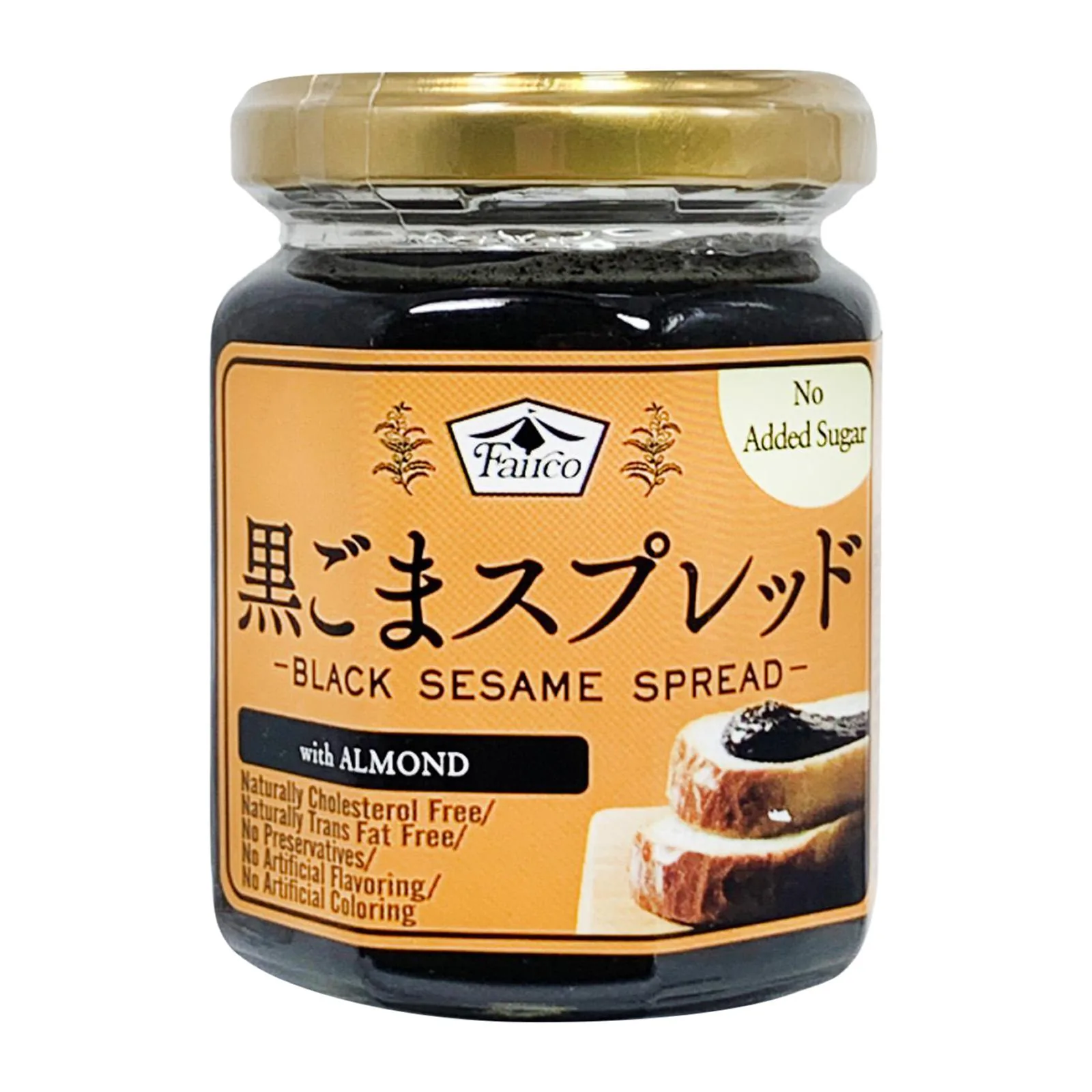
Shanghai's market regulator found a batch of V V brand sugar-free black sesame paste, produced by a wholly owned subsidiary of V V Food & Beverage Co., to have mold levels up to 2,800 CFU/g, 27 times the national safety limit. All five samples exceeded the maximum. Industry analyst Zhu Danpeng attributed the contamination to systemic quality control failures. The company, facing declining revenues and a separate regulatory probe into improper revenue recognition, did not respond to requests for comment.
 Illustration
Editorial responsibility
- No named human review is recorded for this page.
- Reports are grouped by semantic similarity and deterministic rules. Language models may assist titles, summaries, translation and cross-source analysis; the page reads the event directly, while its address stays stable when the title changes.
- Summary covers the current reports
Cross-source coverage
Common ground
- The 27x aflatoxin violation and the grain trading fraud are both symptoms of the same root cause: cost-cutting pressure from a 33% revenue decline between 2019 and 2025.
- V V's board has not issued a single public statement, apology, or recall details, which is a clear governance failure.
- The Shanghai market regulator did its job transparently by catching the violation and making it public.
- The new management team installed in 2025 discovered the grain trading fraud internally, showing some internal reform is underway.
Points of contention
- Eastern Agent argues the mold issue is an isolated batch and proof the system works, while Neutral and Regional Agents say it shows a broken internal quality control system.
- Regional Agent frames the silence as a cultural or colonial legacy issue, while Neutral and Eastern Agents say corporate arrogance is universal, not unique to China.
- Eastern Agent sees the new management's discovery of fraud as evidence of reform, while Neutral and Regional Agents say it's the bare minimum and doesn't excuse the failure to prevent the mold.
Blind spots
- No one addressed why V V's internal quality control failed to catch the 27x aflatoxin level before shipping, focusing instead on the regulator's response.
- The debate ignored whether this was a chronic contamination pattern across multiple batches, not just one, and the potential long-term health impact from cumulative aflatoxin exposure.
- No one discussed the specific role of the board or institutional investors in oversight, or why no executives have been held accountable.
WorldAttention’s read
The core issue is that V V's 27x aflatoxin violation and grain trading fraud both stem from cost-cutting pressure due to a 33% revenue drop, revealing broken internal controls. While the Shanghai regulator caught the mold transparently, the company's silence—no apology, recall, or CEO statement—shows a governance failure that cuts across all arguments. The new management's internal discovery of fraud is a step, but it doesn't excuse the failure to prevent the contamination. Until V V's board takes public responsibility and explains why quality checks failed, the debate over systemic reform, geopolitical framing, or cultural accountability is just noise. The people of Shanghai deserve a company that prioritizes their health over revenue.
Reporting timeline
V V brand black sesame paste found with mold up to 27 times safety limit in Shanghai inspection
Shanghai's market regulator found a batch of V V brand sugar-free black sesame paste, produced by a wholly owned subsidiary of V V Food & Beverage Co., to have mold levels up to 27 times the national safety limit. Five samples from the batch showed mold counts ranging from 330 to 2,800 CFU/g, far exceeding the 102 CFU/g maximum. The product, manufactured on August 13, 2025, was sold by a Shanghai distributor. Industry analyst Zhu Danpeng attributed the severe contamination to systemic failures in the company's quality control across multiple production and storage stages. V V Food & Beverage, a 30-year-old Chinese staple brand known for soy milk powder, has faced declining revenues from 2019 to 2025, though its first-half 2026 results showed a 9.54% revenue increase. The company was also recently cited by regulators for improper revenue recognition in its grain trading business. V V did not respond to requests for comment.
Read sourceV V Black Sesame Paste Found With Mold Up to 27 Times Legal Limit in Shanghai
Shanghai's market regulator found that a batch of 'V V' brand sugar-free black sesame paste, produced by a wholly owned subsidiary of V V Food & Beverage Co., contained mold levels up to 2,800 CFU/g, exceeding China's national safety standard by 27 times. All five samples from the batch failed the mold limit. The product, manufactured in August 2025, was sold by a Shanghai distributor. Industry analyst Zhu Danpeng attributed the severe contamination to systemic failures in V V's quality control across raw materials, production, and storage. V V Food & Beverage, a 30-year-old Chinese staple brand known for soy milk powder, has faced declining revenues from 5.04 billion yuan in 2019 to 3.35 billion yuan in 2025, though first-half 2026 showed a 9.5% revenue increase. The company was also recently cited by regulators for improper revenue recognition in its grain trading business from 2022 to 2024. V V did not respond to requests for comment.
Read sourceV V Food's Black Sesame Paste Found with Mold 27 Times Over Limit; Company Silent
A batch of 'V V' brand sugar-free black sesame paste, produced by a wholly-owned subsidiary of V V Food & Beverage Co., Ltd., was found to have mold levels up to 27 times the Chinese national standard, according to a Shanghai market regulator announcement. Five samples from the batch showed mold counts ranging from 330 to 2,800 CFU/g, far exceeding the 100 CFU/g maximum. The product, manufactured on August 13, 2025, was sold in Shanghai. Industry analyst Zhu Danpeng stated the severe contamination indicates major flaws in the company's quality control system. V V Food, a 30-year-old Chinese brand known for soy milk powder, has not responded to inquiries from 21st Century Business Herald. The incident comes as the company shows signs of financial recovery, with first-half 2026 revenue up 9.54% year-on-year, but it also faces regulatory scrutiny over improper revenue recognition in its grain trading business from 2022 to 2024.
Read sourceShow 2 older updatesHide older updates
Vivi black sesame paste fails Shanghai food safety test with mold up to 27 times legal limit
Shanghai's market regulator found that a batch of 'Vivi' brand sugar-free black sesame paste, produced by a wholly-owned subsidiary of Vivi Stock, had mold levels up to 27 times the national safety standard. Five samples from the batch all exceeded the maximum limit of 100 CFU/g, with the highest reading at 2,800 CFU/g. The product is a core item for the 30-year-old Chinese food company, which has seen declining revenues since 2019. Food industry analyst Zhu Danpeng attributed the severe contamination to systemic failures in Vivi's quality control across multiple production and storage stages. The company, which also faces a regulatory probe into improper revenue recognition in its grain trade business, did not respond to requests for comment. The Shanghai市场监管 authority said it will investigate and penalize the responsible parties.
Read sourceV V Black Sesame Paste Recalled for Mold 27 Times Above Safety Limit
Shanghai's market regulator found that a batch of V V brand sugar-free black sesame paste, produced by a wholly-owned subsidiary of V V Food & Beverage Co., had mold levels up to 2,800 CFU/g, 27 times the national safety limit of 100 CFU/g. All five samples from the batch exceeded the maximum allowable level. The product, manufactured on August 13, 2025, was sold by a Shanghai distributor. Industry analyst Zhu Danpeng stated the severe contamination indicates systemic failures in V V's quality control system, from raw materials to storage. V V Food & Beverage, a 30-year-old Chinese brand known for soy milk powder, has faced declining revenues from 5.04 billion yuan in 2019 to 3.35 billion yuan in 2025, though first-half 2026 revenue rose 9.54% to 1.67 billion yuan. The company was also recently cited by regulators for improper revenue recognition in its grain trading business. The company did not respond to requests for comment.