US Treasury yields surge to 2007 highs in perfect storm selloff
A severe selloff in US Treasury bonds pushed the 10-year yield above 5.1% and the 30-year yield above 5.4%, both reaching levels not seen since 2007. The rout was driven by a confluence of factors: rising oil prices above $100 per barrel after hawkish Iranian comments, stronger-than-expected US PMI data, hawkish Federal Reserve commentary, and a poorly received $70 billion 5-year Treasury auction. Swap markets now price in 75 basis points of rate hikes over the next year.
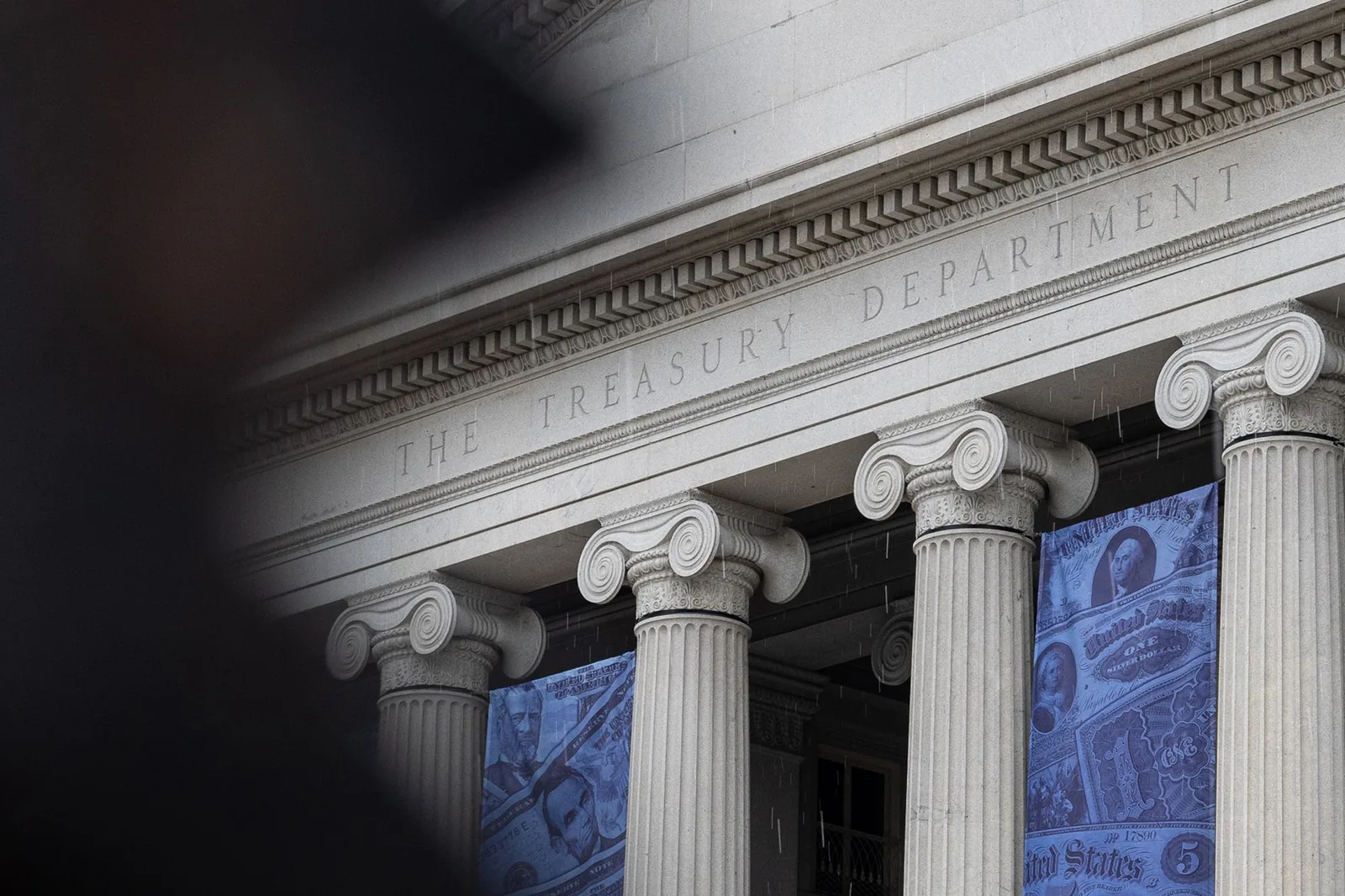 Reference image
Editorial responsibility
- No named human review is recorded for this page.
- Reports are grouped by semantic similarity and deterministic rules. Language models may assist titles, summaries, translation and cross-source analysis; the page reads the event directly, while its address stays stable when the title changes.
- Summary covers the current reports
Cross-source coverage
Common ground
- The US Treasury market is experiencing a significant structural repricing, not just a temporary blip.
- The era of negative term premiums, where investors paid to hold long-term Treasuries, is over.
- US fiscal policy is unsustainable, with trillion-dollar deficits and rising debt service costs.
- The Federal Reserve is constrained from intervening due to persistent inflation.
- Global demand for US debt is shifting, with sovereign buyers diversifying into gold and other assets.
Points of contention
- Whether the selloff is primarily driven by geopolitical loss of trust in US leadership or by domestic fiscal arithmetic.
- Whether the dollar's reserve status is in terminal decline or remains dominant despite challenges.
- Whether the 15.8% dealer absorption at auctions signals systemic collapse or is a normal market function.
- Whether the frozen Russian reserves have fundamentally broken trust in the US financial system or were a justified response to aggression.
- Whether the 2024 election is a key driver of the term premium expansion or a secondary factor.
Blind spots
- All participants downplay the possibility that the US could use financial repression or inflation to erode debt, rather than defaulting.
- The debate lacks a detailed discussion of how higher yields will impact Main Street, including housing, jobs, and small businesses.
- No one addresses the role of algorithmic trading and market structure in amplifying the selloff.
- The potential for a coordinated global response, like a new Bretton Woods agreement, is not explored.
- The impact of climate change and energy transition costs on long-term fiscal sustainability is ignored.
WorldAttention’s read
The roundtable agrees that the Treasury selloff marks a structural shift where the US must pay a real risk premium to borrow, ending the era of cheap debt. The Eastern Agent sees this as a multipolar revolution driven by geopolitical distrust, while the Western Agent blames domestic political dysfunction and fiscal recklessness. The Neutral Agent argues it's simply arithmetic—the market pricing in unsustainable debt levels and persistent inflation. All three overlook the human impact of higher rates and the possibility of covert debt restructuring. The core takeaway is that the US can no longer rely on automatic global demand for its bonds, and the cost of this adjustment will reshape economic policy for years to come.
Reporting timeline
US 30-Year Treasury Yield Hits 5.595%, Highest Since 2002, as Selloff Continues
The US Treasury market is experiencing a sustained selloff, with the 30-year bond yield rising for a sixth consecutive day to 5.595%, its highest level since 2002. This latest surge is attributed to high energy prices exacerbating inflation pressures and an increase in new corporate bond issuance weighing on the market. The move marks another key milestone in a months-long rout of the $32 trillion US government bond market. Global government bond markets are under broad pressure as the Middle East conflict pushes oil prices higher, leading investors to bet that major central banks, including the Federal Reserve, may raise interest rates further. In the US, a surge in business activity and concerns over government debt levels are fueling the selloff, which analysts at Citi describe as a market adjustment. Yardeni Research notes that the unwinding of yen carry trades is also exacerbating the selloff.
Read sourceSelloff in US and European Government Bonds Deepens, Yields Hit Multiyear Highs
A selloff in U.S. and European government bonds is deepening, pushing yields to multiyear highs. According to reports from WSJ, CNBC, Bloomberg, and Yahoo Finance, the move is driven by a combination of factors including geopolitical tensions, specifically President Trump spurning an offer from Iran, and investor expectations that the Federal Reserve will maintain a higher-for-longer interest rate path. The rise in yields, with the 10-year U.S. Treasury note approaching 5%, is prompting investors to reassess their stock holdings, as noted by Seeking Alpha. The selloff reflects a broad reassessment of global risks and monetary policy outlook.
Read sourceTao Dong: 'Higher for Longer' Rate Hike Expectations Heat Up, Bond Market Turmoil Erupts
In a commentary published on September 28, 2026, economist Tao Dong warns that the US Treasury bond market, valued at $32 trillion, is facing severe turmoil as expectations for 'higher for longer' interest rates intensify. The 10-year US Treasury yield surged past 5.2%, and the 30-year yield hit 5.5%, the highest since 2004. The selloff was triggered by strong US consumer confidence and PMI data, suggesting the economy remains expansionary, leading markets to price in up to three additional rate hikes over the next year. Tao notes that while economic activity remains robust, inflation is falling slower than expected, and liquidity conditions are tightening as central banks shift from quantitative easing to tightening. He highlights that the bond market selloff is global, affecting French, British, German, Italian, and Japanese bonds. Additionally, he warns of a potential oil product crisis, with US diesel prices at record highs and significant damage to refining capacity in the Middle East and Russia due to ongoing conflicts. Tao attributes these views to his role as president and chief economist at Spring Capital (Hong Kong) and states they are personal opinions.
Read sourceShow 17 older updatesHide older updates
US 10-Year Yield Returns Above 5%, Stocks Fall, Gold Drops Below $4,300
According to an analysis by Jerry Chen of GAIN Capital, U.S. Treasury yields surged, with the 10-year note returning above 5% for the first time since 2007, driven by rising oil prices and stronger-than-expected U.S. PMI data that intensified inflation concerns. The sell-off was exacerbated by weak demand at a five-year Treasury auction. Higher yields and a stronger U.S. dollar pressured risk assets, leading to declines in U.S. and European stock markets, with the Nasdaq retreating from recent highs. Gold prices fell below $4,300, with technical indicators showing a bearish trend. The dollar index rose above 101, hitting a two-month high, while the euro fell to its lowest since late July. Market pricing indicates a 68% probability of a Fed rate hike in October and 94% by year-end, according to the report.
US 10-Year Yield Breaks 5.18%, a 17-Year High, Pressuring Crypto Assets
According to a report by Woofun AI, the bond market is experiencing a severe sell-off, with the 10-year US Treasury yield surging to 5.18%, the highest since 2007. This sharp move in a key macro indicator is diverting funds away from risk assets like Bitcoin. The core drivers are a resurgence of inflation expectations and an energy crisis. The US 30-year mortgage rate has climbed to 7.45%, up 150 basis points in six months. The yield rose about 30 basis points in two days, with the single-day gain being the largest since April 9, 2025. The article notes that before the US and Israeli strikes on Iran, the yield was 3.97%, but the resulting oil price surge changed the landscape. Brent crude has broken above $105 per barrel. The Federal Reserve, under new Chair Kevin Warsh, unanimously voted to raise interest rates by 25 basis points, breaking a prior trend of internal debate and dovish bias. Traders now expect an additional 100 basis points of hikes by next summer. The report forecasts that inflation could reach 3% to 4% or higher by mid-2027, and that the bond market is demanding higher returns due to persistent deficits and inflation.
US 10-Year Treasury Yield Hits 5.1685%, Highest Since July 2007
US Treasury yields continued to surge, with the 10-year note yield reaching 5.1685% during trading on Wednesday, marking its highest level since July 2007. The yield on the benchmark note was last up 5.24 basis points at 5.166%, according to data from Jin10. The move extends a sustained selloff in US government bonds, driven by expectations of prolonged higher interest rates from the Federal Reserve and concerns over rising fiscal deficits. The yield has now surpassed levels not seen in over 16 years, reflecting a significant repricing in the bond market. Analysts attribute the latest leg higher to stronger-than-expected economic data and hawkish commentary from Fed officials, which have dampened hopes for imminent rate cuts. The surge in yields has implications for global borrowing costs, equity valuations, and currency markets, as investors adjust to a higher-for-longer rate environment.
Read sourceGlobal Bond Sell-Off Intensifies; 10-Year US Yield Hits 5.14%, Highest Since 2007
A global bond sell-off intensified on Thursday, driven by strong US economic data and weak demand at a $70 billion five-year Treasury auction, which repriced expectations for Federal Reserve interest rate hikes. The 10-year US Treasury yield rose 2 basis points to 5.14%, the highest since 2007, while the 30-year yield reached its highest level since 2004. The sell-off spread to Asia, with Japan's 10-year government bond yield surging 10 basis points to 3.075%, a 28-year high, as markets reacted to the Bank of Japan's recent rate hike and uncertainty over its future tightening pace. Risk assets came under pressure, with Nasdaq futures falling 1% and European and Asian stock indices declining. Brent crude oil rose 2.48%, breaching $100 per barrel, amid heightened geopolitical tensions after an Iranian official warned that conflict with the US could expand to the Indian Ocean. Gold edged lower by 0.2% as higher yields reduced its appeal. Wells Fargo Investment Institute analyst Tony Miano commented that the market is signaling a 'real re-tightening cycle,' raising discount rates and borrowing costs for mortgages and corporations, thereby increasing the bar for risk assets.
Read sourceUS Treasury Yields Surge to Multi-Year Highs on Fiscal and Inflation Concerns
US Treasury bonds experienced a significant sell-off, pushing long-term yields to their highest levels in nearly two decades. The 30-year yield briefly approached 5.45%, its highest since 2004, while the 10-year yield rose to 5.14%, a level not seen since 2007. The article attributes the move to investors demanding higher risk compensation for persistent US fiscal deficits, rising government debt, and the potential for inflation to remain elevated. Market participants are re-evaluating the outlook for long-term interest rates, moving beyond a focus on short-term Federal Reserve policy. Strong economic data, including a five-year high in the composite PMI, and hawkish comments from Fed officials like New York Fed President Williams and Boston Fed President Collins, have tempered expectations for imminent rate cuts. The report notes that the global debt burden exceeding $365 trillion adds to the pressure on sovereign bond markets, with US yields serving as a key benchmark for global asset pricing.
Read sourceUS Treasury Yields Surge to Multi-Year Highs on Fiscal and Inflation Concerns
US Treasury bonds experienced a sharp sell-off, pushing the 30-year yield above 5.45%, its highest level since 2004, and the 10-year yield to 5.14%, a peak since 2007. The move reflects investors demanding higher risk compensation for persistent fiscal deficits, rising government debt, and potential inflation resurgence. The article attributes the sell-off to a global repricing of long-term yields, driven by post-pandemic fiscal expansion and energy price shocks. Strong US economic data, including a five-year high in the composite PMI, has reduced expectations for rapid Federal Reserve rate cuts. Fed officials, including New York Fed President Williams and Boston Fed President Collins, have signaled a hawkish stance, with Williams stating that another rate hike by year-end is reasonable. The report notes that the Fed raised rates to 3.75%-4.00% in September 2023, its first hike that year, and that long-term yields now reflect broader fiscal and inflation outlooks rather than just short-term policy rates.
Read sourceUS Treasury selloff deepens, 30-year yield hits highest since 2004, 10-year since 2007
US Treasury bonds experienced a sharp selloff on Thursday, pushing the 30-year yield above 5.45%, its highest level since 2004, and the 10-year yield to 5.14%, a 2007 high. The move reflects investors demanding higher risk compensation for persistent US fiscal deficits, rising government debt, and potential inflation resurgence. The article attributes the selloff to a global repricing of long-term yields amid post-pandemic fiscal expansion and energy shocks. It notes that strong US economic data, including a five-year high in the composite PMI, reduces the urgency for Federal Reserve rate cuts. Fed officials, including New York Fed President Williams and Boston Fed President Collins, have signaled a hawkish stance, with Williams calling a rate hike before year-end reasonable. The Fed raised rates to 3.75%-4.00% in September. The report warns that maturing low-rate debt will need refinancing at higher yields, potentially further pressuring long-term rates.
Read sourceUS Treasury Yields Surge to Multi-Year Highs on Fiscal and Inflation Concerns
US Treasury bonds experienced a sharp sell-off on Thursday, pushing the 30-year yield to its highest level since 2004, near 5.45%, and the 10-year yield to a 2007 high of 5.14%. The move reflects investors demanding higher risk compensation for persistent US fiscal deficits, rising government debt, and the potential for inflation to remain elevated. The article attributes the sell-off to a global trend of rising long-term bond yields, driven by post-pandemic fiscal expansion and energy price shocks. Market focus has shifted from short-term Fed policy to long-term fiscal sustainability. The report notes that strong economic data, including a five-year high in the composite PMI, and hawkish signals from Fed officials like New York Fed President Williams and Boston Fed President Collins, have reduced expectations for rapid rate cuts. The article also highlights that the Fed raised rates to 3.75%-4.00% in September, its first hike of 2023, and that future policy will depend on inflation and employment data.
Read sourceUS Treasury yields surge in 'perfect storm' as five catalysts hit bond market
On Wednesday, the US Treasury market experienced a severe sell-off driven by a confluence of five negative catalysts, pushing the 10-year yield to 5.112%, its highest since 2007. The sell-off began with hawkish Iranian comments at the UN that pushed oil above $103, followed by a stronger-than-expected US PMI report showing robust economic activity and persistent inflation. Fed Governor Michael Barr's hawkish remarks on inflation further fueled selling pressure. Disappointment over the Treasury's bond buyback cap of $60 billion added to the gloom. The final blow came from a poorly received $70 billion 5-year note auction, which saw weak demand and the highest yield since 2006. Analysts attributed the move to a repricing of real interest rates and expectations that the Fed will keep rates 'higher for longer.' The sell-off was described as a 4-standard-deviation event, with spillover effects hitting equities and corporate bonds.
Read sourceUS Treasury yields surge in 'perfect storm' as five catalysts trigger worst selloff in 18 months
On Wednesday, US Treasury bonds experienced a severe selloff driven by five consecutive negative catalysts, pushing the 10-year yield to 5.112%, its highest since 2007, and the 5-year yield above 5% for the first time since 2007. The selloff began with hawkish Iranian comments at the UN pushing oil above $103, followed by a stronger-than-expected US composite PMI reading of 58.4, indicating robust economic activity and persistent inflation. Federal Reserve Governor Michael Barr's hawkish remarks on inflation risks further pressured bonds. Disappointment over the Treasury's $6 billion buyback cap, deemed insufficient to stabilize the $30 trillion market, added to the gloom. Finally, a weak 5-year note auction with a high yield of 5.033% and low bid-to-cover ratio confirmed lack of demand. Analysts attributed the move to a repricing of real interest rates and expectations that the Fed will keep rates 'higher for longer,' with rate swaps pricing in 75 basis points of hikes over the next year. The selloff was described as a 4-standard-deviation event, with spillover effects hitting equities and mortgage markets.
Read sourceUS Treasury Bond Rout Intensifies After 'Five Lightning Strikes' Push 10-Year Yield to 2007 Highs
On Wednesday, the US Treasury market experienced a severe selloff, described as a 'perfect storm' of five consecutive negative catalysts. The rout began with hawkish Iranian comments at the UN pushing Brent crude above $100, followed by a stronger-than-expected US PMI report indicating robust economic activity and persistent inflation. Federal Reserve Governor Michael Barr's hawkish remarks further fueled rate hike fears. Disappointment over the Treasury's decision to maintain its buyback cap at $6 billion added pressure. The final blow came from a poorly received $70 billion 5-year note auction, which saw weak demand and the highest yield since 2006. The 10-year yield surged 15.08 basis points to 5.112%, its highest since 2007, while the 5-year yield breached 5% for the first time since 2007. Analysts attributed the move to a repricing of real interest rates and expectations that the Fed will need to keep rates 'higher for longer' to combat inflation, with rate swaps now pricing in 75 basis points of rate hikes over the next year. The selloff impacted corporate bonds, mortgages, and equities, with the S&P 500 falling 0.8%.
Read sourceUS Treasury 'Black Wednesday': Perfect Storm Drives Yields to 2007 Highs, October Rate Hike Bets Surge
US Treasury bonds suffered their worst single-day selloff in 18 months on Wednesday, with the 10-year yield surging 14 basis points to 5.113%, the highest since 2007. The rout, described as a 'perfect storm,' was triggered by four simultaneous shocks: a spike in oil prices after Iran dashed diplomatic hopes, stronger-than-expected US PMI data showing the fastest business activity expansion in over five years, hawkish comments from Federal Reserve Governor Michael Barr signaling further rate hikes, and a poorly received $70 billion 5-year Treasury auction. Market pricing for a Fed rate hike in October jumped to 68%, and swaps now fully price in three quarter-point hikes over the next year. Analysts attribute 80-85% of the selloff to rising real interest rates, not inflation expectations. The 30-year mortgage rate has breached 7%, and the Treasury's bond buyback program has failed to stem the selloff. Equities fell modestly, with the S&P 500 down 0.8%.
Read sourceUS Treasury rout: strong data, hawkish Fed, weak auction push 10-year yield to 2007 high
US Treasury bonds suffered their worst sell-off in 18 months on Wednesday, pushing the 10-year yield to 5.113%, the highest since 2007. The rout was triggered by a confluence of factors: rising oil prices after Iran's president said it would not fully open the Strait of Hormuz under sanctions; a stronger-than-expected S&P Global US Composite PMI showing the fastest business activity expansion in over five years; hawkish comments from Fed Governor Barr, who said inflation risks had risen; and a poorly received $70 billion 5-year Treasury auction that saw the highest yield since 2006. The sell-off accelerated after yields broke key levels, with the 5-year yield breaching the 2023 peak of 4.99%. Swap markets now fully price in three 25-basis-point rate hikes over the next year, with hedging for a fourth. Analysts described the day as a 'perfect storm' of strong growth, sticky inflation, energy uncertainty, and a hawkish Fed. The Treasury's expanded buyback program, announced at $6 billion, failed to stem the losses. The 30-year yield rose to about 5.4%, also a 2007 high.
Read sourceUS Treasury Selloff Deepens: 30-Year Yield Hits 2007 High Despite $6B Buyback Plan
A sharp selloff in US Treasuries intensified on Wednesday, September 23, pushing the 30-year yield to 5.40%, its highest since 2007, and the 10-year yield above 5.13%. The move was driven by stronger-than-expected US September PMI data, a rebound in international crude oil above $100 per barrel, and hawkish comments from Federal Reserve Governor Michael Barr, who signaled further rate hikes may be needed. A poorly received $70 billion 5-year Treasury auction, with a yield of 5.033% (the highest since 2006), exacerbated the selloff. The US Treasury announced it will purchase up to $6 billion in 20- to 30-year bonds on Thursday, triple the initially planned amount, but the move failed to stem the decline. Analysts from BlueBay Asset Management, JPMorgan, Invesco, and Premier Miton offered varying views on whether 5% is a psychological threshold or a new normal, with some discussing 6% as a potential new ceiling. The article notes that fiscal and supply pressures, not just Fed rate expectations, are now driving long-end yields higher.
Read sourceMultiple Factors Drive US Treasury Selloff; 5-Year Yield Breaks 5% for First Time Since 2007
A sharp selloff in US Treasuries on Wednesday pushed the 10-year yield above 5.1%, its highest since July 2007, and the 5-year yield above 5% for the first time since 2007. The selloff was driven by a combination of stronger-than-expected US economic data (S&P Global PMI), a rebound in oil prices above $100 per barrel, and hawkish comments from Federal Reserve Governor Michael Barr, who signaled the need for further rate hikes. A poorly received $70 billion auction of 5-year notes, which saw the highest yield since 2006 and weak demand, exacerbated the selloff. Analysts quoted by Reuters and other outlets noted that the 5% yield level is losing its significance as a psychological ceiling, with some market participants now discussing 6% as a potential new stress point. The article attributes views to strategists at BlueBay Asset Management, JPMorgan, Invesco, and Premier Miton, who debate the impact on equities and the role of fiscal and supply pressures beyond just Fed rate expectations.
Read sourceMultiple Factors Drive U.S. Treasury Sell-Off; 5-Year Yield Breaks 5% for First Time Since 2007
On Wednesday, a sharp sell-off in U.S. Treasuries pushed the 10-year yield above 5.1%, a level not seen since July 2007, and the 5-year yield breached 5% for the first time since 2007. The move was driven by a combination of stronger-than-expected U.S. economic data (S&P Global PMI), a rebound in oil prices above $100 per barrel, and hawkish comments from Federal Reserve Governor Michael Barr, who signaled further rate hikes may be needed. A poorly received $70 billion auction of 5-year notes, with a high yield of 5.033% and weak bid-to-cover ratio, exacerbated the sell-off. Analysts quoted in the article, including those from BlueBay Asset Management, Morgan Stanley, Invesco, and Premier Miton, debated whether the 5% yield level is a psychological threshold or a trigger for market stress, with some suggesting the real tipping point for equities may be in the 5.5% to 6% range. The article also highlights growing concerns over U.S. fiscal sustainability and supply pressures as contributing factors to rising long-term yields.
Read sourceMultiple Factors Intensify US Treasury Selloff; 5-Year Yield Breaks 5% for First Time Since 2007
On Wednesday, a sharp selloff in US Treasuries pushed the 10-year yield above 5.1%, the highest since July 2007, and the 5-year yield breached 5% for the first time since 2007. The move was driven by a confluence of factors: stronger-than-expected US economic data (S&P Global US Composite PMI rose to 58.4), a rebound in international crude oil above $100 per barrel, and hawkish comments from Federal Reserve Governor Michael Barr, who signaled further rate hikes may be needed. These factors collectively forced a market repricing of a 'higher for longer' interest rate path. The selloff accelerated after a poorly received $70 billion auction of 5-year notes, which saw a high yield of 5.033%, the highest since 2006, and weak demand. Analysts from BlueBay Asset Management, JPMorgan, and Invesco offered varying views on whether the 5% yield level is a psychological threshold or a trigger for broader market stress, with some discussing 6% as a potential new pressure point. The article also highlights that the selloff is not solely a 'Fed tightening trade,' but also reflects growing concerns over US fiscal sustainability and supply pressure from new debt issuance.
Read source