Trump administration prepares sweeping sanctions against International Criminal Court
The Trump administration is preparing to impose broad sanctions on the International Criminal Court (ICC), targeting its officials and financial transactions. Proposed measures could prohibit most transactions with the ICC after a grace period and restrict its use of dollar-denominated transactions. The move escalates longstanding US opposition to the ICC’s jurisdiction over American and allied personnel, following the court’s 2024 arrest warrants for Israeli leaders. A final decision and announcement timing remain undetermined.
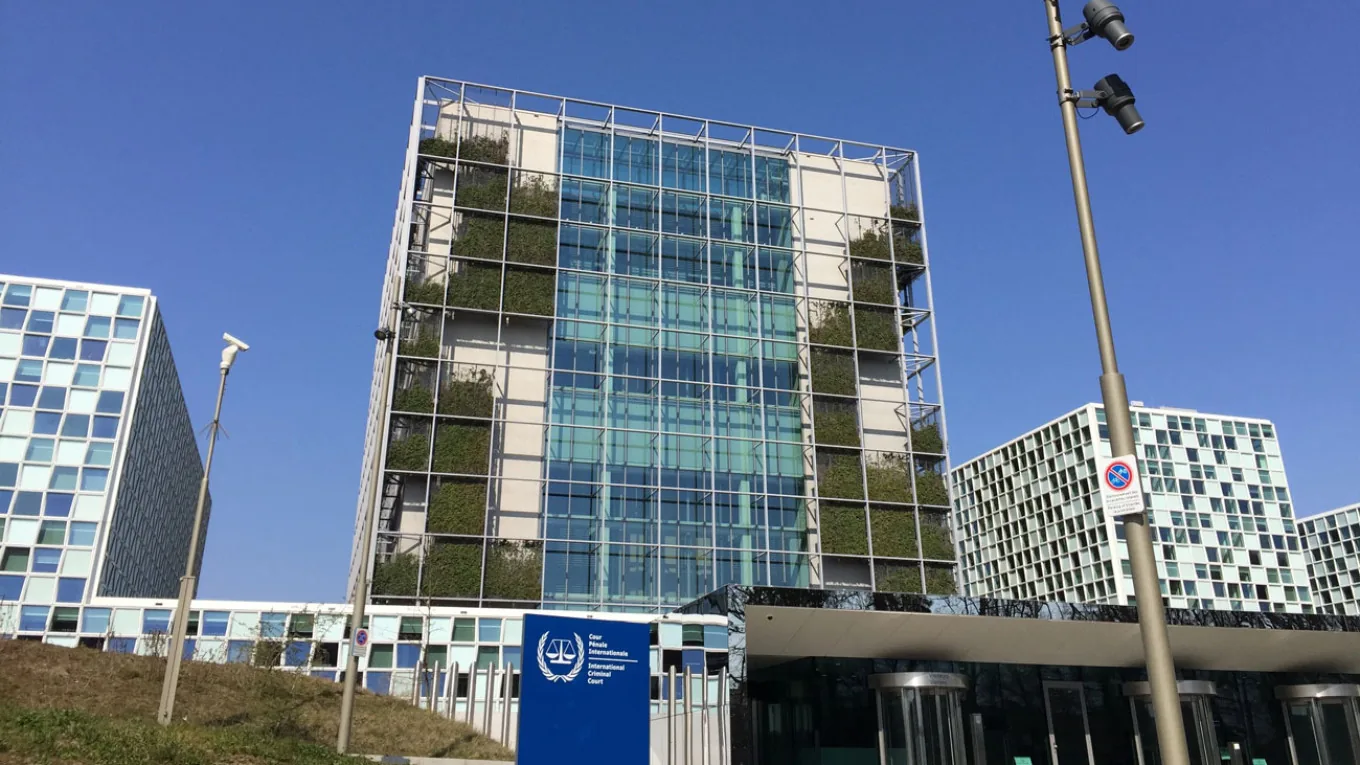 Reference image
Editorial responsibility
- No named human review is recorded for this page.
- Reports are grouped by semantic similarity and deterministic rules. Language models may assist titles, summaries, translation and cross-source analysis; the page reads the event directly, while its address stays stable when the title changes.
- Summary covers the current reports
Cross-source coverage
Common ground
- All agree that the U.S. sanctions against the ICC are about power, not legal principle, and that the U.S. selectively supports international law only when it serves its interests.
- Everyone acknowledges the ICC has serious flaws, especially its long history of focusing on African leaders while ignoring major powers.
- All three agree that no major power—the U.S., China, or Europe—truly wants a court that could hold them accountable.
- There is consensus that victims in places like Gaza, Ukraine, Myanmar, and Darfur are left without real accountability because of this hypocrisy.
Points of contention
- Western Agent argues that a flawed ICC is still worth defending as the only existing accountability mechanism, while Neutral Agent and Eastern Agent see it as too biased to be trusted.
- Eastern Agent claims China is building alternative justice systems through the Global South, but Neutral Agent and Western Agent say China has never proposed concrete reforms or held its allies accountable.
- Western Agent believes the ICC can be reformed from within through engagement, while Neutral Agent argues it's fundamentally compromised and Eastern Agent says the system is rigged against the developing world.
- Eastern Agent frames the issue as U.S. hegemony vs. multipolarity, but Neutral Agent and Western Agent see China's non-membership as the same selective immunity it criticizes in the U.S.
Blind spots
- All three overlook the possibility of grassroots or non-state-led accountability mechanisms that could bypass great power politics.
- The debate ignores the role of smaller nations and civil society in pushing for justice outside of the ICC or great power frameworks.
- No one addresses how economic sanctions or financial control could be reformed to prevent their use as political weapons against international institutions.
WorldAttention’s read
This debate reveals a deep crisis in international justice: the U.S. uses financial warfare to protect allies from accountability, the ICC has a long record of bias toward Africa and against powerful states, and China critiques U.S. hypocrisy while staying outside the court and shielding its own allies. All major powers treat international law as a tool to use against enemies and ignore when it applies to them. The result is that victims of war crimes in Gaza, Ukraine, Myanmar, and Darfur get no real justice—only arguments about who is more hypocritical. The path forward requires admitting that no current power wants a truly impartial court, and building accountability must involve more than defending broken institutions or critiquing rivals.
Reporting timeline
US Plans Sanctions Against International Criminal Court, Sources Say
According to sources familiar with the matter, the United States government is preparing to impose sanctions on the International Criminal Court (ICC). The sanctions package is reportedly being finalized, though the exact timing of the announcement has not been determined. Multiple officials indicated that a decision on the sanctions could be reached as early as the coming week. The U.S. State Department has not yet responded to requests for comment on the reported plan. The news was first reported by CCTV News and relayed by financial news outlet Cailianshe on September 21. The move would mark a significant escalation in U.S. pressure on the international tribunal, which has faced criticism from Washington over its investigations into U.S. and allied personnel.
Read sourceUS Government Plans Sanctions Against International Criminal Court, Sources Say
According to sources cited by Reuters and The Wall Street Journal, the US government is preparing a sanctions package targeting the entire International Criminal Court (ICC). The sanctions plan is reportedly in the works, though the exact announcement date has not been determined. The Wall Street Journal, citing multiple officials, reported that a decision on the sanctions could be finalized as early as the coming week. The report, originally published by Xinhua, indicates that the sanctions are a response to the ICC's actions, though specific triggers or measures are not detailed in this summary. The development underscores ongoing tensions between the US and the ICC, with the US government viewing the court's jurisdiction as a threat to its sovereignty and interests.
Read sourceTrump Administration Prepares Sweeping Sanctions Against International Criminal Court
Multiple news outlets report that the Trump administration is preparing to impose sweeping sanctions against the International Criminal Court (ICC). This action follows President Trump's vow to defend Israeli Prime Minister Benjamin Netanyahu. The Wall Street Journal, Reuters, and other sources report that the administration is ramping up efforts to dismantle the ICC, with sanctions expected to target the court's officials and operations. The move is seen as a response to the ICC's investigations into Israeli actions in Palestinian territories. Mediaite reports the sanctions are 'sweeping' in nature, while the WSJ describes the effort as a bid to 'dismantle' the court. The reports cite anonymous sources familiar with the planning. The South China Morning Post also confirms the preparation of sanctions against the ICC.
Read sourceShow 4 older updatesHide older updates
Trump administration reportedly preparing to sanction International Criminal Court
According to a report on Polymarket, the Trump administration is reportedly preparing to impose sanctions on the International Criminal Court (ICC). The post, attributed to an unnamed source, indicates a potential policy action targeting the ICC, though no specific details on the nature or timing of the sanctions are provided. This development follows previous tensions between the Trump administration and the ICC, particularly over investigations into alleged war crimes by US personnel and allies. The report is based on a single source and has not been independently confirmed.
Read sourceTrump Administration Plans Broader Sanctions Against International Criminal Court, WSJ Reports
According to a report by The Wall Street Journal cited by Jin10 Data on September 21, the Trump administration is preparing to impose broader sanctions on the International Criminal Court (ICC), expanding its previous pressure campaign. Documents indicate new measures could prohibit most transactions with the ICC after a six- to seven-month grace period and potentially restrict its use of dollar-denominated transactions, affecting its participation in the global financial system. Citing officials, the report noted that while the final decision and announcement timing remain undetermined, they could come as early as this week during the United Nations General Assembly or in the following days. A U.S. State Department spokesperson did not disclose specific details but stated that Secretary of State Rubio views the ICC as a threat to U.S. sovereignty. Previously, the U.S. sanctioned several ICC officials, including former Chief Prosecutor Karim Khan, ICC President Tomoko Akane, and multiple judges and prosecutors. The proposed measures would expand from targeting individuals to targeting the court’s overall transactions. The deterioration in relations stems from the ICC's 2024 arrest warrants for Israeli Prime Minister Benjamin Netanyahu and former Defense Minister Yoav Gallant.
Read sourceTrump Administration Preparing to Impose Sanctions on International Criminal Court: WSJ
According to a report by the Wall Street Journal, the Trump administration is preparing to impose sanctions on the International Criminal Court (ICC). The report, cited by the news intelligence source tradealpha, indicates that the administration is moving forward with punitive measures against the international tribunal. The specific nature and scope of the sanctions have not been detailed in the available summary, but the action represents a significant escalation in the U.S. government's longstanding opposition to the ICC's jurisdiction over American personnel and allies. The report attributes the preparation to the Trump administration, suggesting an imminent policy announcement. This development follows previous U.S. threats and actions against the ICC, including visa bans and asset freezes imposed during the first Trump term, over investigations into alleged war crimes by U.S. forces and Israeli officials in Palestine.
Trump Administration Prepares to Impose Sanctions on International Criminal Court
According to a report by the Wall Street Journal, as cited by financial news platform Jin10, the Trump administration is preparing to impose sanctions on the International Criminal Court (ICC). The report indicates that the administration is taking steps to penalize the court, though specific details of the sanctions, such as the legal basis or targeted individuals, are not provided in this summary. This action would represent a significant escalation in the U.S. government's longstanding opposition to the ICC's jurisdiction over American citizens and allies. The move is attributed to the Trump administration, suggesting it is a planned policy initiative rather than a finalized decision.
Read source