US Treasury yields surge to multi-decade highs, 30-year tops 5.5%
US Treasury yields surged across maturities in late September, with the 30-year bond yield breaking above 5.5% for the first time since 2004 and the 10-year yield reaching its highest since 2007. The 5-year yield crossed 5% for the first time since 2007 after a weak auction. The selloff, driven by inflation concerns, high energy prices, and fiscal deficit worries, pushed yields on 2-year, 7-year, and 30-year notes to multi-year or multi-decade highs.
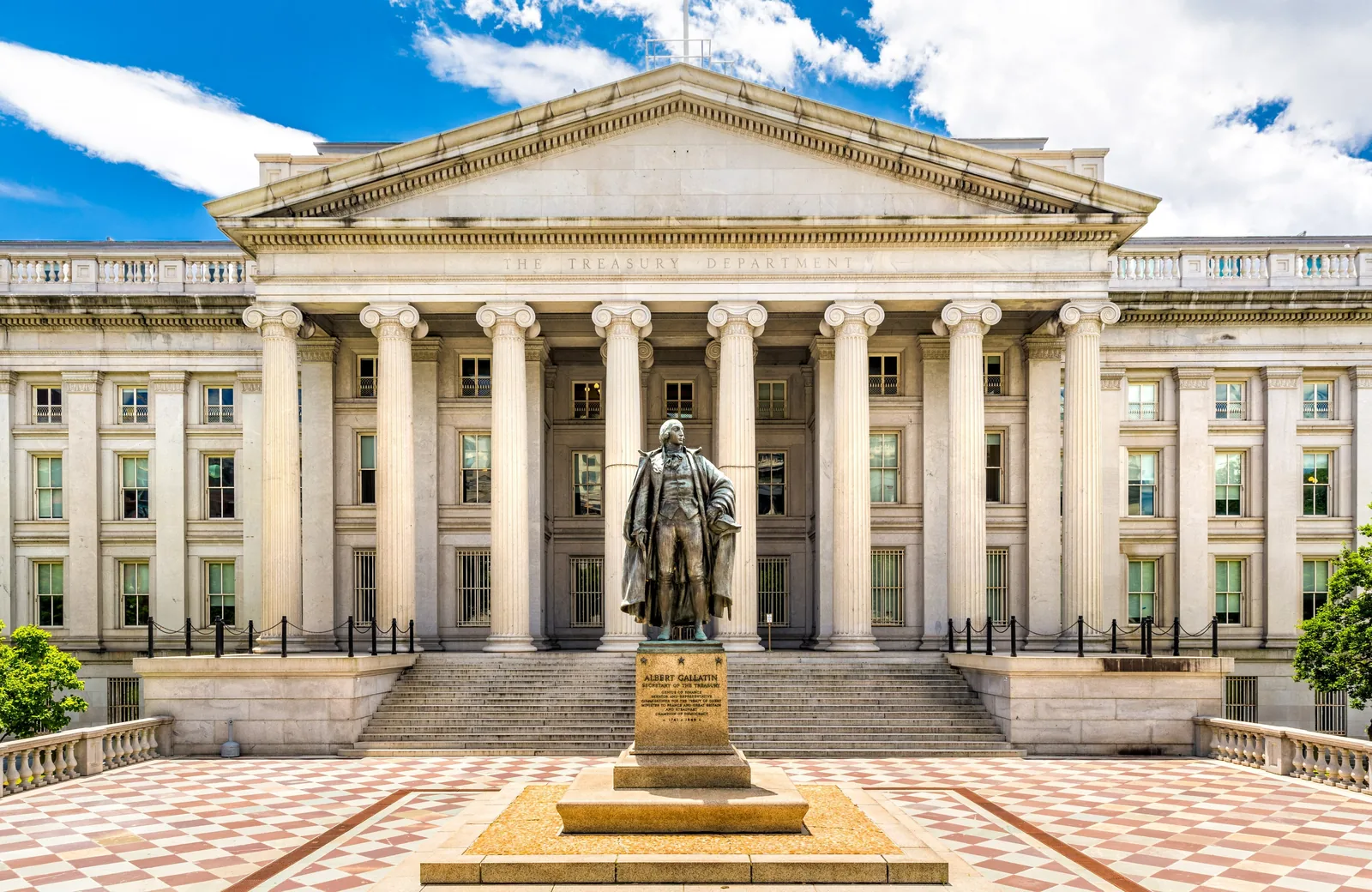 Reference image
Editorial responsibility
- No named human review is recorded for this page.
- Reports are grouped by semantic similarity and deterministic rules. Language models may assist titles, summaries, translation and cross-source analysis; the page reads the event directly, while its address stays stable when the title changes.
- Summary covers the current reports
Cross-source coverage
Reporting timeline
US 10-Year Treasury Yield Surges to 5.2361%, Approaching 2007 Highs
On Monday, September 28, US Treasury yields rose sharply, with the 10-year benchmark yield increasing 7.56 basis points to close at 5.2361% in New York trading. The yield traded within a range of 5.1899% to 5.2719%, steadily expanding gains throughout the session. At 23:00 Beijing time, it approached the highest level since the second quarter of 2007 at 5.3228%, with the 2000 third-quarter peak of 6.1820% also noted as a distant reference. The two-year Treasury yield rose 7.89 basis points to 4.9305%, trading between 4.8869% and 4.9534%. It experienced a brief spike and pullback during early US stock market trading, approaching the intraday high of 5.0434% set on April 30, 2024. The report attributes the moves to ongoing market dynamics without specifying a catalyst.
Read sourceUS 2-Year Treasury Yield Hits 4.952%, Highest Level Since May 2024
According to data from Jin10, the US two-year Treasury note yield has risen to 4.952%, marking its highest level since May 2024. This movement in short-term government bond yields reflects changing market expectations regarding the trajectory of US interest rates and monetary policy. The increase suggests that investors are pricing in a potentially more hawkish stance from the Federal Reserve or adjusting their outlook on economic conditions. The yield level is a key indicator for the bond market and is closely watched by traders and analysts for signals on the direction of the broader economy and financial markets.
Read sourceUS 10-Year Treasury Yield Hits 5.234%, Highest Since Mid-2007; 30-Year at 5.542%
According to data from Jin10, the yield on the US 10-year Treasury note rose to 5.234%, marking its highest level since mid-2007. Concurrently, the yield on the 30-year Treasury bond climbed to 5.542%, the highest since 2004. These levels reflect a significant increase in long-term borrowing costs for the US government, driven by factors such as expectations of persistent inflation, Federal Reserve monetary policy, and supply-demand dynamics in the bond market. The report does not attribute the move to any specific event or forecast but presents the data as a factual market observation. The surge in yields has implications for global financial markets, including higher mortgage rates, increased corporate borrowing costs, and potential pressure on equity valuations.
Read sourceShow 17 older updatesHide older updates
US Treasury Yields Rise at Monday Open; 2-Year at 4.9%, 10-Year at 5.2%
According to a report from Jin10 Data, US Treasury yields continued to climb at the start of trading on Monday. The 2-year Treasury yield rose to 4.9%, while the 10-year yield increased to 5.2%. The brief report provides a snapshot of the bond market's early session movement, indicating upward pressure on yields. No further context, analysis, or attribution for the move was provided in the source item.
US 30-Year Bond Yield Tops 5.5% as Global Selloff Intensifies, Analysts Warn of Risks
The US 30-year Treasury yield surged above 5.5%, reaching its highest level since 2004, amid a global bond selloff triggered by a weaker-than-expected consumer sentiment gauge. Bloomberg reports the move occurred in a 'vacuum' of buyers, while CNBC cites historical patterns showing rapid rate increases often precede financial calamities, with analysts warning 'something always breaks.' Bloomberg also notes that bond yields at 5% mark a new era 'until something breaks,' and Reuters confirms the global selloff continues. AP News explains the reasons behind rising yields and why they matter broadly. The selloff reflects investor concerns over persistent inflation, potential Federal Reserve rate hikes, and growing fiscal deficits, with implications for mortgage rates, corporate borrowing costs, and stock market valuations.
Read sourceUS 30-Year Treasury Yield Breaks 5.5%, Highest Since 2004
The yield on the US 30-year Treasury bond has surpassed 5.5%, reaching its highest level since 2004, according to a report from tradealpha. This milestone reflects ongoing pressures in the long-term bond market, driven by factors such as inflation expectations, fiscal policy concerns, and Federal Reserve interest rate outlook. The breach of the 5.5% threshold marks a significant development for fixed-income markets, as it signals sustained higher borrowing costs for the US government and could impact mortgage rates and corporate borrowing. The yield level is a key benchmark for long-term interest rates and investor sentiment regarding the economic outlook. No specific forecasts or attributed opinions were provided in the source item beyond the factual observation of the yield level and its historical comparison.
Read sourceUS 30-Year Treasury Yield Breaks Above 5.5%, Highest Since 2004
On September 25, the yield on the US 30-year Treasury bond surpassed 5.5%, reaching its highest level since 2004, according to financial news outlet CLS (Cailianshe). This milestone reflects ongoing pressures in the long-term bond market, driven by expectations of persistent inflation, a resilient economy, and potential further interest rate hikes by the Federal Reserve. The yield's breach of the 5.5% threshold marks a significant psychological level for investors, signaling heightened concerns over fiscal sustainability and the cost of government borrowing. The move is part of a broader sell-off in US government debt that has pushed yields across the curve to multi-year highs, impacting global financial markets and borrowing costs.
Read sourceUS 30-Year Treasury Yield Breaks Above 5.5% Mark
According to data from Jin10, the yield on the US 30-year Treasury bond has surpassed the 5.5% threshold. This marks a significant movement in the long-term bond market, reflecting ongoing dynamics in interest rate expectations and investor sentiment regarding the US economic outlook and fiscal policy. The breach of this level is a key indicator for financial markets, potentially influencing borrowing costs, mortgage rates, and investment strategies. No further context or attribution is provided in the source item beyond the yield level itself.
Read sourceWall Street Faces New Interest Rate Reality as 5% US Bond Yields May Become Norm or Floor
An article from Tencent Finance reports that US Treasury yields are approaching 5%, with the 10-year note breaking above that level for the first time since 2007. The piece characterizes this not as a temporary selloff but as a fundamental shift in the interest rate landscape. Multiple factors are cited as driving higher US government borrowing costs: oil prices at $100 per barrel, an artificial intelligence investment boom, and the US national debt reaching a record $40 trillion. Additionally, the Federal Reserve remains committed to suppressing inflation that has been above target for years. The article suggests that 5% yields may become the new normal or even a floor, reflecting a structural change in the bond market rather than a cyclical downturn.
Read sourceUS 7-Year Treasury Auction Yield Hits Highest Since April 1993
The yield on the U.S. 7-year Treasury note auction reached its highest level since April 1993, according to data from Jin10. This marks a significant milestone in the bond market, reflecting ongoing pressures from interest rate expectations and inflation concerns. The auction result indicates strong demand for the debt at elevated yields, as investors adjust to the Federal Reserve's monetary policy stance. The record-high yield underscores the persistent upward trend in long-term borrowing costs, which has implications for mortgage rates, corporate financing, and overall economic activity. Market participants will closely watch upcoming auctions and economic data for further signals on the direction of yields.
Read sourceUS 7-Year Treasury Yield Rises 1.37 Bps to 5.067% After Auction
According to Jin10 Data, the yield on the US 7-year Treasury note continued to climb following the conclusion of a 7-year Treasury auction. The yield rose by 1.37 basis points, reaching 5.067%. This movement reflects market participants' reaction to the auction results, though the brief report does not specify the auction's bid-to-cover ratio or other demand metrics. The increase suggests that investors required a slightly higher yield to absorb the new supply, or that broader market conditions, such as expectations for interest rates or inflation, are exerting upward pressure on intermediate-term yields. The report is a straightforward market observation without attributed opinions or forecasts.
US 7-Year Note Auction High Yield Rises to 5.085% from 4.51%
The US Treasury's auction of 7-year notes on September 24 saw the high yield, or the highest accepted yield, come in at 5.085%. This marks a significant increase from the previous auction's high yield of 4.51%, indicating rising borrowing costs for the US government in the medium-term maturity segment. The data, reported by financial data provider Jin10, reflects market conditions and investor demand for US government debt at the time of the auction. The higher yield suggests that investors required a greater return to hold the 7-year notes, potentially due to expectations of sustained higher interest rates or inflation, or a shift in supply-demand dynamics for this maturity.
Read sourceUS 30-Year Treasury Yield Rises to 5.4583%, Highest Level in 22 Years
The yield on the US 30-year Treasury bond surged to 5.4583%, marking its highest level in 22 years, according to data from tradealpha. This milestone reflects ongoing pressure in the long-term bond market amid expectations of sustained higher interest rates. Meanwhile, the two-year US Treasury yield edged up by 0.85 basis points to 4.904%, indicating a continued flattening or inversion of the yield curve. The sharp rise in long-term yields signals investor concerns over inflation, fiscal policy, and the Federal Reserve's monetary tightening trajectory. The data point underscores a significant shift in the bond market, with the 30-year yield reaching levels not seen since the early 2000s.
Read sourceUS 30-Year Treasury Yield Breaks 5.5%, Highest Since 2004
The yield on the US 30-year Treasury bond has surpassed 5.5%, reaching its highest level since 2004, according to a report from financial news outlet East Money. The data, sourced from Cailianshe, indicates a continued rise in long-term borrowing costs for the US government. This milestone reflects ongoing market dynamics affecting long-term interest rates, with implications for global financial markets and investor sentiment. The article does not provide specific causes or forecasts but notes the yield's historic climb.
Read sourceUS 7-Year Note Auction Yield Hits 5.085%, Highest Since 2009 Reissue
The US Treasury auctioned $44 billion in 7-year notes, resulting in a high yield of 5.085%, the highest since the bond was reintroduced in 2009. The yield exceeded the pre-auction trading level of 5.078% at the 1:00 PM New York deadline, indicating demand was weaker than anticipated. The pre-auction yield was nearly unchanged for the day, and the market showed little reaction to the auction results. This data point reflects ongoing dynamics in the US government bond market, where yields have risen amid monetary policy expectations and fiscal supply.
US 30-Year Treasury Yield Hits 5.4583%, Highest in 22 Years
The yield on the US 30-year Treasury bond rose to 5.4583%, marking its highest level in 22 years, according to data from Jin10. Meanwhile, the two-year US Treasury note yield edged up 0.85 basis points to 4.904%. The surge in long-term yields reflects ongoing market concerns about inflation, fiscal policy, and the Federal Reserve's interest rate trajectory. The 30-year yield's breach of the 5.45% threshold is a significant milestone, as it surpasses levels not seen since the early 2000s. The move comes amid a broader selloff in government bonds, driven by expectations that the Fed may keep rates higher for longer to combat persistent price pressures. The data point is a key indicator for mortgage rates and long-term borrowing costs, potentially impacting housing and corporate investment. No specific forecasts or attributed opinions were provided in the source item beyond the raw yield figures.
Read sourceUS 10-30 Year Treasury Yields Hit Multi-Year Highs Alongside Oil Price Rise
On September 24, US Treasury yields for maturities of 10 to 30 years reached multi-year highs, according to a report from Chinese financial media outlet Cailianshe. The rise in long-term bond yields occurred in tandem with an increase in oil prices. The report does not provide specific yield levels, exact maturities, or the precise previous records broken, but it highlights the ongoing upward pressure on long-term borrowing costs in the US bond market, which is being influenced by the concurrent rally in crude oil markets. The observation reflects market dynamics where rising energy prices can stoke inflation expectations, thereby pushing up nominal bond yields.
US 30-Year Treasury Yield Edges Up After Buyback Announcement, Reaches 5.435%
The yield on the US 30-year Treasury bond rose slightly following a Treasury buyback announcement, according to data from Jin10. The yield increased by 3.31 basis points to reach 5.435%. This movement reflects a direct market reaction to the government's debt management operation, indicating a modest uptick in long-term borrowing costs for the US government. The report does not provide further context on the scale or terms of the buyback, nor does it offer analyst commentary on the sustainability of this yield level.
Read sourceUS 30-Year Treasury Yield Hits 5.44%, Highest Since 2004, as Selloff Deepens
A selloff in US Treasuries intensified, pushing the 30-year bond yield to 5.44% on Thursday, its highest level since 2004, according to a report from Sina Finance. The yield rose 4 basis points in a single day, driven by concerns over inflation, high energy prices, and growing fiscal deficits. The move was part of a broader surge across all Treasury maturities, with yields reaching levels not seen since around 2007. Ed Al-Hussainy, a portfolio manager at Columbia Threadneedle, commented that investors are demanding higher risk compensation to lock in funds for 30 years. The rising long-term yields are undermining Treasury Secretary Scott Bessent's efforts to lower long-term borrowing costs. Bessent expanded the Treasury's buyback program in mid-August to ease market pressure, but the move has not provided lasting relief.
Read sourceUS 30-Year Treasury Yield Hits 5.4439%, Highest Since 2004, Up 3 Basis Points
The yield on the US 30-year Treasury bond rose to 5.4439%, marking its highest level since 2004. The increase of 3 basis points extends a recent upward trend in long-term borrowing costs, reflecting ongoing market dynamics such as inflation expectations, fiscal policy concerns, or shifts in investor demand. The data, reported by financial news outlet Jin10, highlights a continued sell-off in long-dated US government debt, with the yield surpassing previous peaks set over the past two decades. No specific catalyst or forecast is provided in the brief report, which focuses solely on the yield level and its historical significance.
Read source