SpaceX halts Falcon 9 bookings beyond 2028, sparking industry launch capacity scramble
SpaceX has stopped accepting new Falcon 9 launch bookings for missions scheduled after 2028, signaling a transition to its Starship rocket. The move has triggered industry concerns about a launch capacity shortage before 2030, as Falcon 9 handles nearly half of global orbital launches. Competitors like Avio are increasing launch rates, while some companies are developing their own rockets or considering acquisitions to secure launch slots.
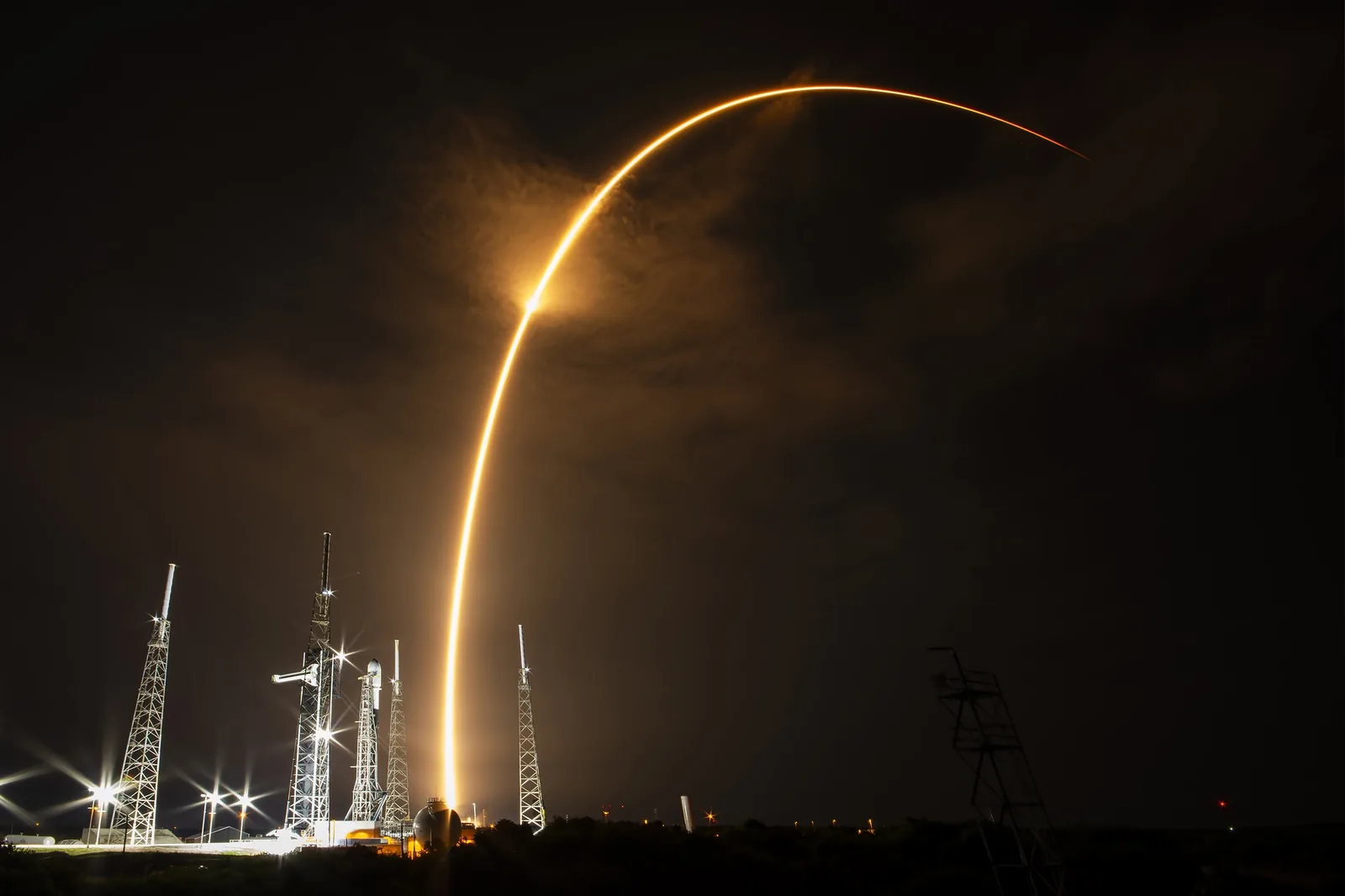 Reference image
Editorial responsibility
- No named human review is recorded for this page.
- Reports are grouped by semantic similarity and deterministic rules. Language models may assist titles, summaries, translation and cross-source analysis; the page reads the event directly, while its address stays stable when the title changes.
- Summary awaiting refresh
Summary awaiting refresh
Cross-source coverage
Reporting timeline
SpaceX halts Falcon 9 rideshare sales as rocket shortage sparks industry scramble
SpaceX has stopped selling rideshare launches on its Falcon 9 rocket, according to sources cited by Zhitong Finance. Some companies can no longer secure launch slots beyond 2028 as SpaceX phases out the Falcon 9 and rivals struggle to ramp up production. The resulting rocket supply shortage is triggering a scramble across the space industry, with firms seeking alternative ways to deploy satellites and spacecraft. Many in-development rockets are behind schedule. Executives are adopting costly strategies such as developing their own rockets or acquiring rocket companies to secure launch capacity. Launch prices are rising as demand for satellite and spacecraft launches continues to grow while new rocket production and development fail to keep pace. The shortage risks higher costs and delays for satellite operators' deployment plans.
Read sourceSpaceX Halts Falcon 9 Bookings Beyond 2028, Industry Scrambles for Launch Capacity
According to sources cited by financial media outlet 财联社 on September 23, SpaceX has stopped accepting new reservations for its Falcon 9 rocket for launches scheduled after 2028. Government officials and industry insiders warn that as the Falcon 9 is phased out, rocket launch capacity could face a supply shortage before 2030. In response, some companies are developing their own rockets or considering acquiring a rocket company to secure their launch schedules. Existing launch providers are also accelerating investment to absorb the overflow of orders from SpaceX. The report highlights a growing scramble for launch capacity in the space industry as the dominant Falcon 9 rocket approaches its retirement.
SpaceX Halts Falcon 9 Bookings Beyond 2028 as Launch Capacity Rush Intensifies
According to sources cited by financial media outlet CLS, SpaceX has stopped accepting new reservations for its Falcon 9 rocket for launches scheduled after 2028. Government officials and industry insiders have warned that as the Falcon 9 is phased out, rocket launch capacity could face a supply shortage before 2030. In response, some companies are developing their own rockets or considering acquiring a rocket company to secure their launch schedules. Existing launch providers are also accelerating investment to absorb the overflow of orders from SpaceX. The report highlights a growing scramble for launch capacity in the space industry as the dominant Falcon 9 rocket nears the end of its commercial lifecycle.
Show 4 older updatesHide older updates
SpaceX halts Falcon 9 bookings beyond 2028 as Starship transition looms, sources say
According to sources cited by Cailianshe, SpaceX has stopped accepting new bookings for its Falcon 9 rocket for launches after 2028, anticipating that its next-generation Starship rocket will be operational by then and capable of handling Falcon 9 missions and more. The move has sparked industry concern about a potential launch capacity shortage by 2030, as Falcon 9 currently handles nearly half of global orbital launches. Italian launch provider Avio CEO Giulio Ranzo said his company has seen a surge in customers seeking alternatives due to the SpaceX booking halt, and Avio is working to increase Vega C launch frequency from four to six per year with European Space Agency support. Industry officials warn that rising demand from projects like the proposed Golden Dome missile defense system and orbital data centers could exacerbate supply constraints. Some companies are developing their own rockets or considering acquisitions to secure launch capacity.
Read sourceSpaceX stops Falcon 9 bookings after 2028, sparking industry launch capacity fears
SpaceX has reportedly stopped accepting new bookings for its Falcon 9 rocket for launches after 2028, signaling the company's expectation that its Starship rocket will be operational by then. The move has sparked concerns among government officials and industry executives about a potential launch capacity crunch in the early 2030s, as demand for launches continues to grow from projects like the proposed Golden Dome missile defense system and orbital data centers. Italian launch provider Avio CEO Giulio Ranzo said his company has seen a surge of customers seeking alternatives to SpaceX, and plans to increase Vega C launch frequency from four to six per year with additional investment and European Space Agency support. Falcon 9 completed 165 successful launches in 2025, accounting for nearly half of all orbital launches globally, and its reusable design has dramatically lowered space access costs. Some companies are now developing their own rockets or considering acquisitions to secure launch capacity.
Read sourceSpaceX phases out Falcon 9, leaving satellite operators scrambling for launch slots
SpaceX is gradually retiring its workhorse Falcon 9 rocket, the world's most frequently launched vehicle, to focus resources on the next-generation Starship, according to a report by journalists Micah Maidenberg and Becky Peterson. The move is making it increasingly difficult for satellite and spacecraft operators to secure launch opportunities. Sources say SpaceX has stopped accepting new rideshare orders that combine multiple payloads on a single Falcon 9, and some companies can no longer secure launch slots after 2028. SpaceX did not respond to requests for comment. Government and industry officials warn that launch demand will outstrip supply at least through the end of the decade, driven by a wave of national security satellites, Earth-observation payloads, lunar cargo missions, internet connectivity projects, and startups developing orbital data centers and in-space power systems. Rival rocket operators are trying to fill the gap but face challenges in ramping up launch rates and overcoming development setbacks.
Read sourceSpaceX Halts Falcon 9 Rideshare Sales as Rocket Shortage Sparks Industry Scramble
According to sources cited by Zhitong Finance, SpaceX has stopped selling rideshare missions that combine payloads from multiple companies on a single Falcon 9 rocket. The move comes as some firms can no longer secure launch slots beyond 2028, with SpaceX gradually reducing Falcon 9 usage while competitors struggle to ramp up rocket production. The resulting launch capacity shortage is triggering a scramble across the space industry, with companies seeking alternative deployment methods for satellites and spacecraft. Many rockets under development are behind schedule. Some executives are adopting costly strategies such as developing their own rockets or acquiring rocket companies to guarantee launch access. Launch prices are also rising amid the tight supply. The situation reflects growing demand for satellite and spacecraft launches outpacing the expansion of new rocket production capacity and development timelines, increasing risks of higher costs and deployment delays for satellite operators.
Read source