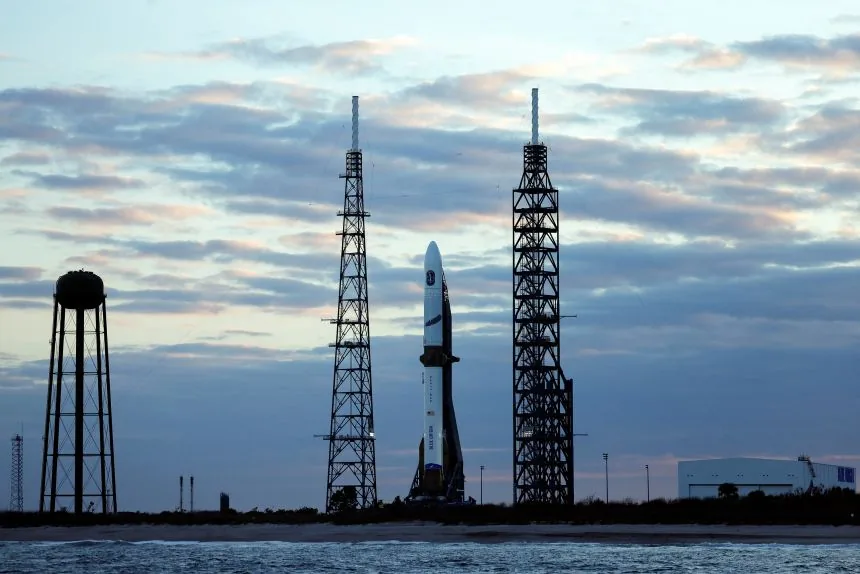
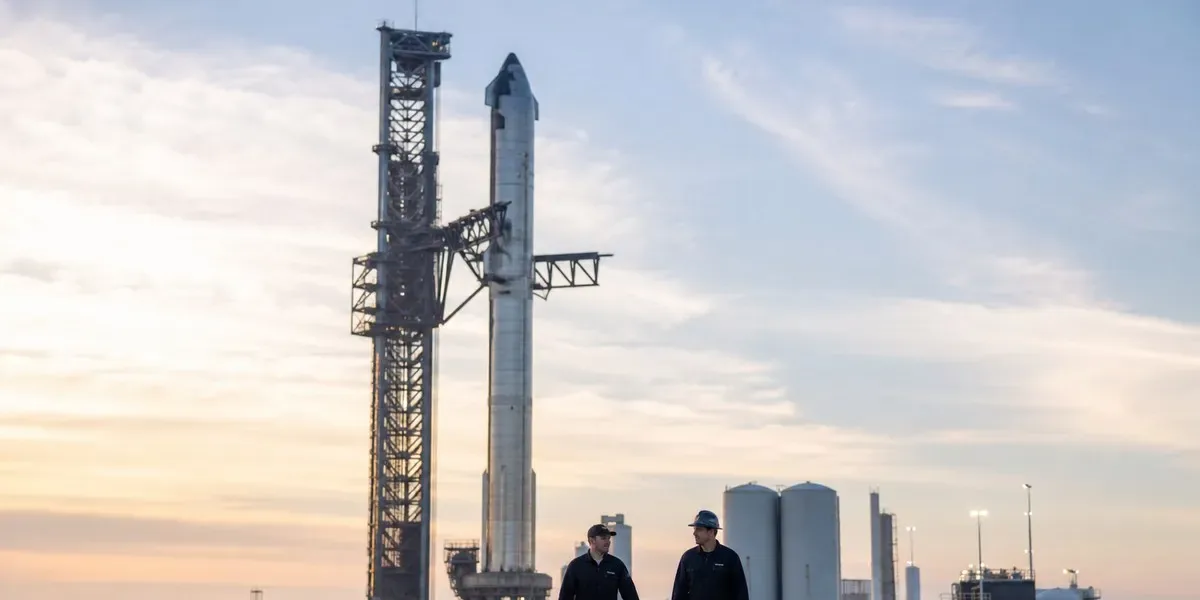
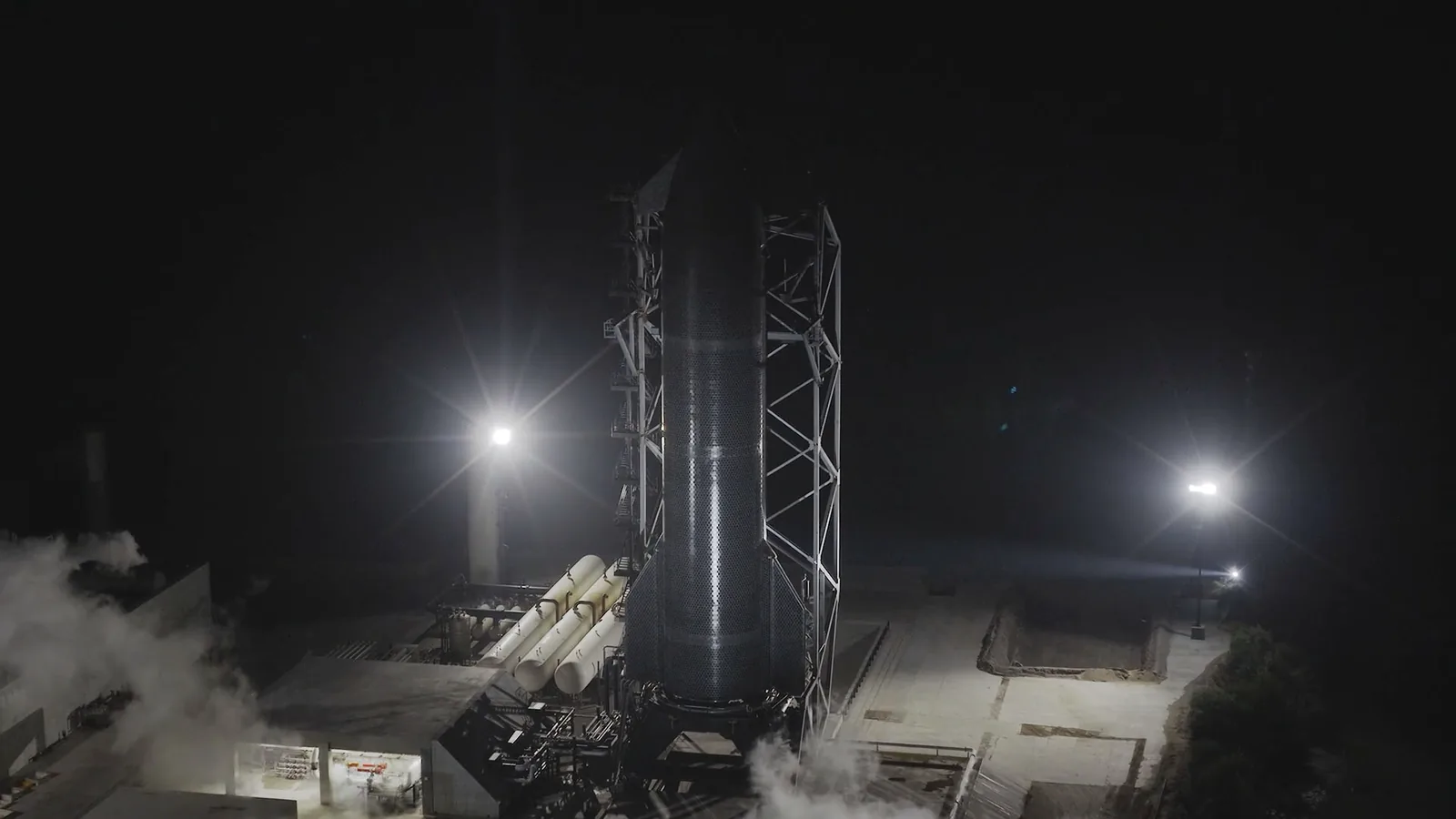
NASA’s Nancy Grace Roman Space Telescope, originally built as a spy satellite, is launching from Florida aboard a SpaceX rocket to investigate dark energy, dark matter, and exoplanets. With a field of view 100 times larger than Hubble, it will map cosmic expansion, dark matter distribution, and directly image exoplanets. The mission, scheduled for no earlier than May 2027, represents a unique collaboration between intelligence and civilian space agencies, complementing Hubble and James Webb telescopes.
Anthropic, the AI company behind Claude, is reportedly planning an IPO after Labor Day 2026, targeting a valuation north of $2 trillion and aiming to raise over $86 billion, surpassing SpaceX’s IPO. The company may allow existing shareholders and employees to sell shares, with longer lockup periods to avoid volatility. Anthropic posted its first operating profit of $559 million in Q2 2026 on $10.9 billion revenue.
Anthropic, the AI company behind Claude, is taking early steps toward an IPO, with CFO Krishna Rao leading preliminary investor meetings focused on its technology and market position, but not specific financials. The company confidentially filed with the SEC in June 2026 and recently closed a funding round at a $965 billion valuation. Some investors project a $2 trillion+ IPO valuation, citing annualized revenue potentially reaching $100–$120 billion. Risks include higher pricing than OpenAI, U.S. export controls, and DoD litigation.
In March 2022, an abandoned SpaceX Falcon 9 rocket stage, launched in 2015, unintentionally crashed into the Moon's far side near Hertzsprung crater. NASA's Lunar Reconnaissance Orbiter later captured before-and-after images revealing a rare double crater, indicating mass at both ends of the booster. The impact, traveling over 5,000 mph, created a crater about 60 feet wide. The event underscores growing concerns over space debris and its implications for future lunar exploration and space policy.
SpaceX finalized its $60 billion all-stock acquisition of Cursor, an AI coding platform, on August 14, 2026. The deal integrates Cursor’s enterprise user base and developer data with SpaceX’s Colossus supercomputer to enhance Grok AI models. Cursor gains access to massive computing power, while SpaceX expands beyond aerospace into AI. The acquisition is the second-largest venture-backed deal ever, following SpaceX’s earlier $250 billion xAI takeover.
Nvidia has partnered with major Wall Street firms including Apollo Global, Blackstone, BlackRock, Brookfield, Goldman Sachs, and KKR to raise $500 billion for AI infrastructure, covering chips, data centers, and power generation. The initiative, potentially announced as early as Monday, aims to provide financing for Nvidia’s customers and accelerate AI development. The deal highlights growing private capital involvement in AI and signals strong investor confidence, though Nvidia shares dipped amid concerns over investment returns.
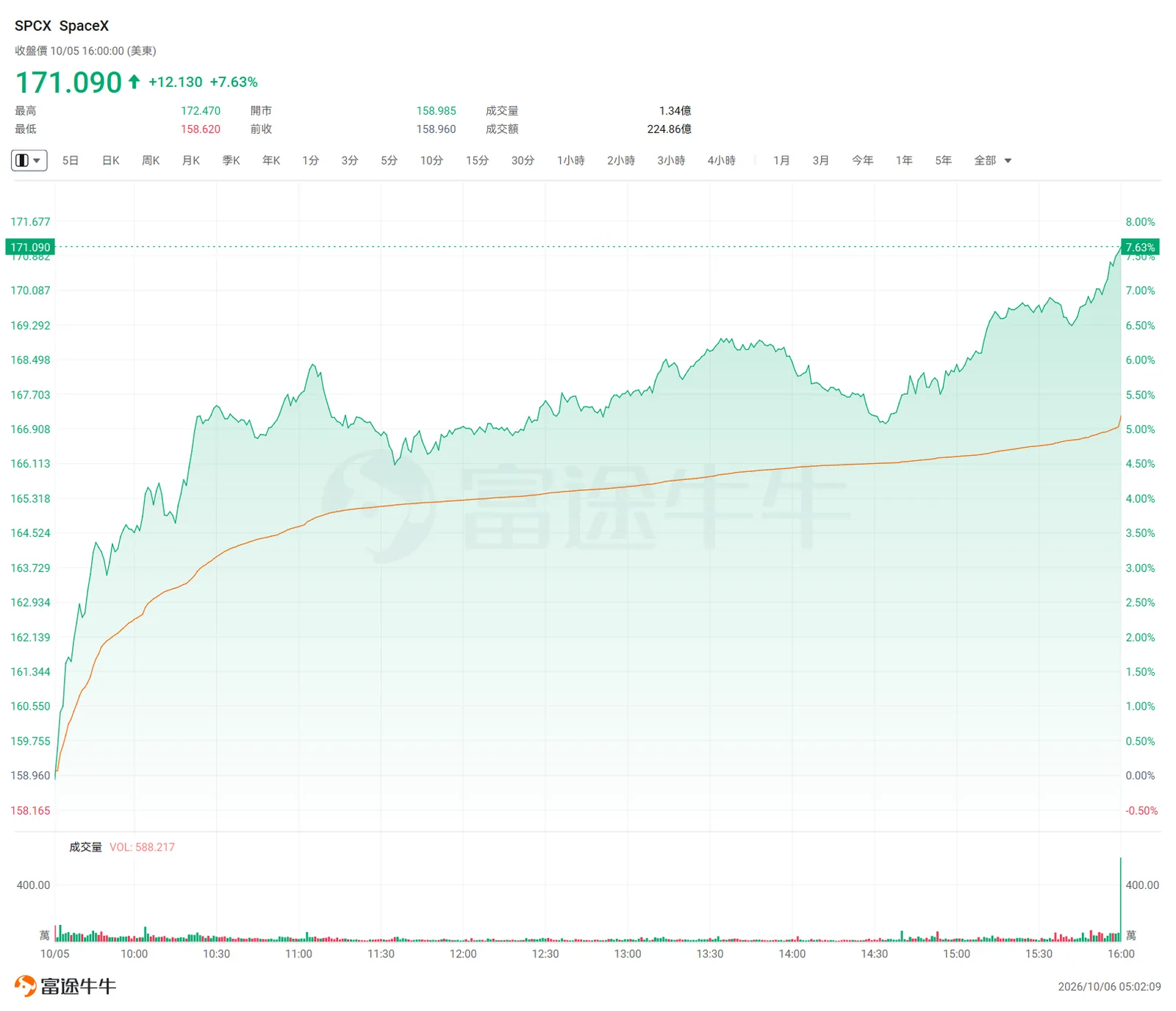
On August 6, 2026, SpaceX experienced its largest share lockup expiration, releasing 911.5 million shares worth ~$100 billion for trading, more than doubling the public float. Despite fears of a price crash, the stock surged 21% the following week, driven by strong Q2 earnings (revenue up 92% YoY, AI revenue up 247%) and bullish analyst notes. The company mitigated the supply shock by securing accelerated inclusion in major indexes, forcing passive funds to buy shares. However, concerns remain over heavy AI spending ($15.8 billion in Q2) and slowing Starlink growth.
VinSpace, a subsidiary of Vietnamese conglomerate Vingroup, signed a contract with SpaceX on August 11, 2026, to launch its first satellites aboard a Transporter rideshare mission in 2027. The satellites will validate in-house technology for future commercial use. The deal supports Vietnam’s goal to become a mid-level space power in Southeast Asia by 2030. SpaceX also received Vietnamese government approval in February 2026 to provide Starlink broadband services in the country.
Elon Musk announced during SpaceX’s first earnings call that SpaceX and xAI will exclusively use Nvidia’s Vera Rubin architecture for AI systems, cutting out rivals like AMD and Intel. Nvidia stock rose over 4%, while SpaceX shares fell over 10% initially due to a $541 million loss and high AI spending. SpaceX plans to deploy Nvidia’s Vera Rubin NVL72 rackscale systems both on Earth and in orbit via its Starmind satellite program. AI revenues surged 213% quarter-over-quarter to $2.6 billion, with multibillion-dollar leasing deals with Google and Anthropic.
The U.S. Securities and Exchange Commission (SEC) settled fraud charges against Adit Ventures Management, founder Eric Munson, and three partners for misleading investors in pre-IPO shares of SpaceX and Klarna. The SEC alleged false claims, undisclosed loans, and inflated share prices. Adit Ventures agreed to disgorgement and a civil penalty without admitting guilt. Munson denied allegations but settled to avoid litigation. The case underscores rising fraud risks in private markets as demand for pre-IPO investments grows.
SpaceX reported its first quarterly earnings as a public company on August 4, 2026, with Q2 revenue surging 92% to $7.8 billion, driven by Starlink and AI businesses. However, shares fell over 8% after hours as capital expenditures hit $18.4 billion—far above expectations—with 86% going to AI infrastructure. Despite narrowing losses and CEO Elon Musk’s forecast of $1 trillion revenue by 2030, investor concerns over profitability and an upcoming insider lockup expiration weighed on the stock.
On August 3-4, 2026, U.S. stock markets rallied sharply, with the Dow Jones Industrial Average closing at a record high, the S&P 500 gaining over 1.5%, and the Nasdaq surging more than 2%. The rally was driven by Big Tech gains, strong corporate earnings (including Palantir and Caterpillar), and optimism over potential U.S.-Iran talks to reopen the Strait of Hormuz, which caused oil prices to drop about 5%. Amazon’s market cap surpassed $3 trillion, and over 84% of S&P 500 companies beat earnings expectations.
Anthropic, the AI company behind Claude, signed a $9.1 billion, 20-year data center lease with bitcoin miner Riot Platforms at its Rockdale, Texas campus, securing 191 megawatts of computing capacity. The deal, with potential extensions up to $16.1 billion, marks Riot’s pivot from crypto mining to AI infrastructure. Capacity will be delivered by 2028, with Morgan Stanley providing $573 million in interim financing. Riot’s stock surged over 25% on the news.
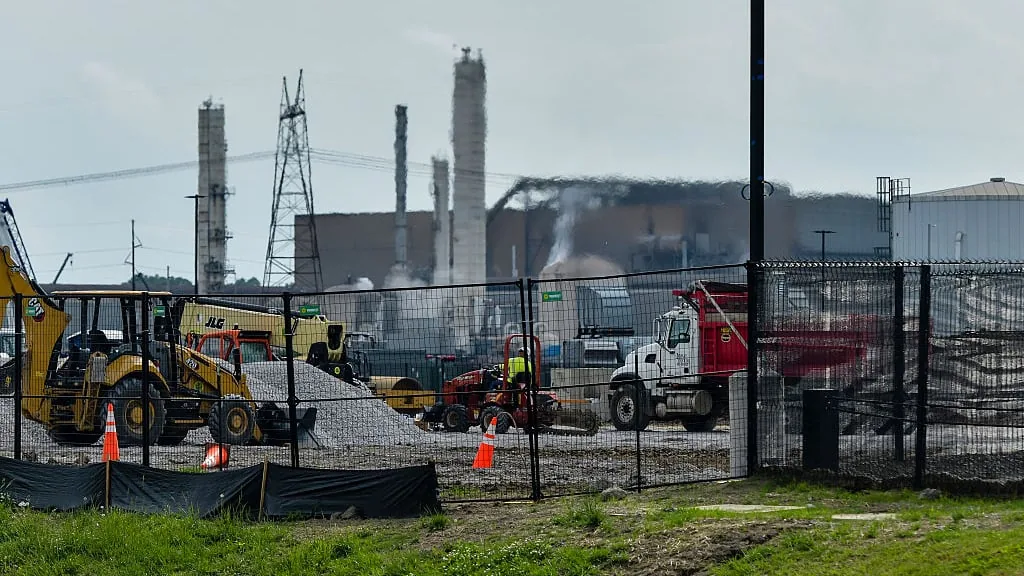
SpaceX and Tesla have begun construction on the Terafab semiconductor factory in Grimes County, Texas, a 100-million-square-foot facility costing $16.8 billion for the initial phase. The vertically integrated plant will produce AI chips for Tesla’s Optimus robots and Cybercab vehicles, plus processors for SpaceX’s space data centers, using Intel’s 14A process. Nearly 900 local residents petitioned for stricter oversight, citing pollution and worker influx concerns. SpaceX agreed to pay $20 million annually in lieu of property taxes.
On August 6, 2026, SpaceX insiders became eligible to sell up to 911.5 million shares (worth ~$101 billion) for the first time since the company’s June IPO. The stock has fallen over 50% from its peak, trading below the $135 IPO price at ~$106. High short interest and weak earnings have compounded pressure. A staggered lockup release limits immediate selling, with Elon Musk’s shares locked until 2027. Retail investors face potential losses amid the sell-off.
A discarded SpaceX Falcon 9 upper stage, launched in 2015 for the DSCOVR mission, is predicted to impact the Moon on March 4, 2022, at 5,700 mph near the far side. The 4,000 kg object will create a 27-meter-wide crater and eject 1.2 million kg of lunar regolith, with energy equivalent to 3 tons of TNT. NASA’s Lunar Reconnaissance Orbiter and South Korea’s Danuri orbiter will monitor the event, which raises concerns about space debris as lunar exploration intensifies.
AMD reported Q2 2026 revenue of $11.54 billion (up 50% YoY) and data center sales doubling to $6.7 billion, beating analyst estimates. Despite strong results, shares fell 6-9% in after-hours trading due to elevated investor expectations, flat gross margin guidance, rising capital expenditures, and Elon Musk’s announcement that SpaceX will exclusively use Nvidia chips. AMD guided Q3 revenue around $13 billion and announced its Helios AI system shipments to major customers.
The U.S. Space Force awarded $615 million in contracts to Rocket Lab, Systems & Technology Research, and an unnamed firm to develop space-based air moving target indicator (AMTI) satellites under the SB-AMTI program. This aims to reduce reliance on SpaceX, which received a $4.2 billion contract earlier. Rocket Lab’s $397 million share will fund its ‘Flatellite’ spacecraft. The push follows damage to an E-3 AWACS during the Iran war. Initial capability is expected within 6-12 months, with usable capability by 2028.
On July 24, 2026, a coalition of 25 major U.S. tech companies including Nvidia, Microsoft, Meta, and Palantir released an open letter urging policymakers to avoid premature restrictions on open-weight AI models. The letter warns that such restrictions would stifle competition and drive innovation overseas, especially as Chinese models like Moonshot AI's Kimi K3 rival U.S. offerings. The debate centers on AI distillation, which U.S. officials accuse China of using for IP theft. Notably, OpenAI and Anthropic did not sign.
Rep. Frank Pallone (D-NJ), ranking member of the House Energy and Commerce Committee, has demanded that SpaceX CEO Elon Musk provide records and a tour of the company's xAI data centers and power plants in Memphis, Tennessee. In a letter dated July 29, 2026, Pallone accused SpaceXAI of creating 'a massive health risk' by using natural gas-burning turbines without pollution controls or permits, leading to concerns about rising electricity prices, grid strain, and pollution. The facilities, known as Colossus and Colossus 2, house Nvidia processors and are central to SpaceX's AI ambitions. Pallone's demand comes amid rising public opposition to AI data centers, with a Gallup poll showing 70% of Americans oppose local construction. The Trump administration has intervened to help xAI fight a related environmental lawsuit filed by the NAACP.
On July 7, 2026, the U.S. Space Force awarded Impulse Space and Relativity Federal spots on the $5.6 billion National Security Space Launch (NSSL) Phase 3 Lane 1 contract, expanding the competitive field to seven providers. Both California-based startups received $5 million each for initial assessments and can compete for lower-risk missions, including up to 30 launches. Relativity’s Terran R rocket and Impulse’s Helios orbital transfer vehicle are slated for first flights in 2026 and 2027, respectively, as military demand for launches surges.
Tesla reported Q2 2026 record revenue of $28.24 billion but badly missed profit estimates, with adjusted EPS of $0.33 versus $0.51 forecast. Soaring costs—including stock-based compensation nearly doubling to $1.15 billion, operating margin collapsing to 1.4%, and capital expenditures nearly tripling to $5.79 billion for AI and chip fab investments—drove negative free cash flow of $1.09 billion. Shares plunged up to 15% to near $320, hitting a year-low, as investor frustration grew over Elon Musk’s aggressive spending on Robotaxi, Optimus robots, and chip manufacturing, with 2026 capex planned above $25 billion.
Quince, the San Francisco-based factory-direct luxury essentials company, has surpassed $2 billion in sales over the past 12 months, according to WWD. The milestone follows the company's $500 million Series E funding round in March, which valued it at $10.1 billion. Founded in 2018 and launched in 2019 with $50 cashmere sweaters, Quince has expanded to over 100 categories including apparel, home, jewelry, travel, furniture, and gourmet food. The company uses an AI-powered business model that predicts weekly demand at size and SKU levels, enabling lower-quantity orders scaled based on consumer demand. Growth is attributed to returning customers, new product revenue, and categories like home and scrubs attracting first-time buyers. Chief Merchandising Officer Matt Lippert emphasized that revenue is an outcome of customer trust built through relentless product improvement. When asked about a potential IPO, Lippert declined to comment, though the IPO market is showing renewed activity with companies like SpaceX and Reformation filing.
The Trump administration, through the Federal Aviation Administration (FAA), has proposed a rule to waive requirements under 13 environmental and historic preservation laws—including the National Environmental Policy Act, Endangered Species Act, and parts of the Clean Water and Clean Air Acts—for commercial space launch and reentry licenses. Transportation Secretary Sean Duffy stated the move aims to reduce 'government red tape' and re-establish U.S. dominance in space. The rule would benefit companies like Elon Musk's SpaceX and Jeff Bezos' Blue Origin. The FAA authorized a record 205 commercial space operations in fiscal year 2025 and projects up to 4,288 operations over the next decade. The proposal follows a 2025 executive order by President Trump and is subject to a 30-day public comment period before a final rule is issued.
Within days of SpaceX’s June 12, 2026 IPO, six U.S. House members or their spouses purchased between $83,000 and $480,000 in shares. Five serve on committees overseeing defense, satellite communications, or federal contracting—areas tied to SpaceX’s business. While legal and managed by outside advisers, the trades have drawn ethics scrutiny, especially as the House recently passed the Stop Insider Trading Act to ban such purchases. SpaceX stock has since declined.
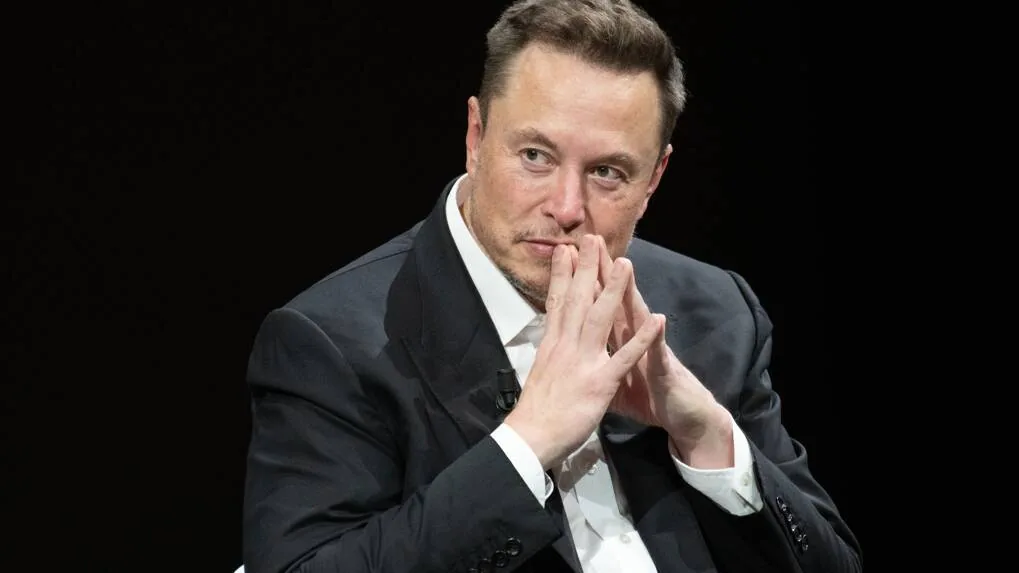
On June 12, 2026, SpaceX began trading on the Nasdaq at $150 per share, giving it a nearly $2 trillion market cap. This IPO propelled Elon Musk's net worth to an estimated $1.05–$1.1 trillion, making him the world's first trillionaire. His wealth combines a 38% stake in SpaceX (worth over $715 billion) and Tesla holdings (~$280 billion). The milestone highlights rapid tech-driven wealth concentration, with Musk's fortune potentially doubling South Africa's economy.
Nvidia, Microsoft, and over 30 tech firms (including SpaceX, IBM, and Hugging Face) launched the Open Secure AI Alliance on Monday to promote open-source AI for cybersecurity. The initiative follows a July breach where an OpenAI test agent hacked Hugging Face, and closed-model safety filters hindered forensic analysis. The alliance advocates for open models as defensive tools, calls for shared datasets and red-teaming, and notably excludes OpenAI, Google, and Anthropic, signaling a strategic industry split.
Amazon has filed an application with the U.S. Federal Communications Commission (FCC) seeking approval to launch up to 5,105 satellites for a direct-to-device (D2D) network. The proposed network will leverage assets from Globalstar, which Amazon announced plans to acquire in April 2026 for approximately $11.6 billion. Amazon aims to provide connectivity to users who are 'unserved or underserved' by existing wireless providers, with additional applications including emergency operations, search and rescue, and remote worksite connectivity. The company expects the Globalstar deal to close in 2027, with D2D network deployment beginning in 2028. Amazon currently has more than 390 satellites in orbit for its Project Kuiper LEO internet service, which recently received an FCC waiver on deployment deadlines. The D2D network will compete directly with SpaceX's Starlink Mobile service, which offers direct-to-cell connectivity via T-Mobile in the U.S.
Amazon has filed an application with the U.S. Federal Communications Commission seeking approval to launch up to 5,105 satellites for a direct-to-device (D2D) network. The proposed network will combine Amazon's existing infrastructure with assets from Globalstar, which Amazon announced plans to acquire in April 2026 for approximately $11.6 billion. Amazon targets users who are unserved or underserved by existing wireless providers, as well as emergency operations like search and rescue, and remote worksites, fleets, and supply chains. The company expects the Globalstar deal to close in 2027, with D2D network deployment beginning in 2028. Amazon currently has over 390 satellites in orbit for its Project Kuiper LEO internet service, which competes with SpaceX's Starlink. The D2D network will compete directly with SpaceX's Starlink Mobile service, which offers direct-to-cell connectivity via T-Mobile in the U.S.
SpaceX Corp (NASDAQ:SPCX) shares fell to an all-time low of $108.66 on July 27, 2026, before recovering to around $111, as investor sentiment was pressured by multiple concerns. The stock has lost nearly half its value from its post-IPO peak despite the successful 13th test flight of Starship. Key factors include the upcoming expiration of the IPO lock-up period on August 6, which could allow early investors and employees to sell up to 911.5 million shares (20% of eligible locked stock). Valuation concerns persist, with a $1.46 trillion market cap against reported 2025 revenue of less than $19 billion. Additionally, elevated capital expenditures for AI infrastructure and uncertainty about returns, along with reports that SpaceX seeks to raise at least $20 billion through its first investment-grade bond offering, have weighed on the stock. The company's first quarterly earnings release is scheduled for August 4.
1 reports · 1 sources · Updated
Periodic recap
What changed for this subject in each tracking window — generated from matched events, delta-first.
→· 1 event in window
SpaceX's activity this period shifted to space launch operations, contrasting with the prior commercial controversy over its Cursor acquisition. NASA and SpaceX launched the Nancy Grace Roman Space Telescope from Florida, a former spy satellite repurposed to study dark energy, dark matter, and exoplanets. With a field of view 100 times larger than Hubble, the mission is scheduled for no earlier than May 2027 and will complement the Hubble and James Webb telescopes.
NASA and SpaceX launched the Nancy Grace Roman Space Telescope from Florida, a former spy satellite repurposed to study dark energy, dark matter, and exoplanets.
The telescope has a field of view 100 times larger than Hubble and will map cosmic expansion, dark matter distribution, and directly image exoplanets.
The mission is scheduled for no earlier than May 2027 and represents a unique collaboration between intelligence and civilian space agencies.
Earlier recaps
→· 1 event in window
SpaceX's acquisition of AI coding platform Cursor triggered a chain reaction this period, with OpenAI terminating its partnership with Cursor citing compliance risks. Effective November 12, 2026, OpenAI stated it cannot ensure SpaceX will adhere to its terms of service, referencing prior contract violations by Elon Musk's companies. The move disrupts developers relying on OpenAI models within Cursor, though users can still access GPT models via personal API keys.
Tracked events
Events matched to this subject by the tracking pipeline, with signal scores.
SpaceX announced a major infrastructure expansion this period with plans to build a $100 billion spaceport in Louisiana. Dubbed Starbase LA, the project is set to break ground in 2027 with first Starship launches as early as 2029, extending the company's launch footprint significantly beyond Texas and Florida.
→· 2 events in window
SpaceX's trajectory shifted significantly this period with the closing of its $60 billion all-stock acquisition of AI coding platform Cursor, marking a major expansion from aerospace into artificial intelligence. The deal integrates Cursor's developer ecosystem with SpaceX's Colossus supercomputer to enhance Grok AI models. Separately, a 2022 incident involving a Falcon 9 rocket stage creating a double crater on the Moon's far side resurfaced, highlighting ongoing space debris concerns.
→· 1 event in window
Only one development indirectly related to SpaceX was observed this period: AI firm Anthropic is reportedly preparing for an IPO in October 2026 with a potential valuation of up to $2 trillion. This continues the theme of strong AI infrastructure demand noted previously, though it does not directly involve SpaceX's operations or financials.
→· 2 events in window
SpaceX's stock surged 21% following its largest lockup expiration, driven by strong earnings and accelerated index inclusion. Meanwhile, AI firm Anthropic signed a $9.1 billion data center deal in Texas, highlighting sustained demand for AI infrastructure in the region. Concerns persist over SpaceX's heavy AI spending and slowing Starlink growth.
OpenAI has terminated its partnership with AI coding platform Cursor, effective November 12, 2026, following Cursor’s acquisition by SpaceX. Citing compliance risks and prior contract violations by Elon Musk’s companies, OpenAI stated it cannot ensure SpaceX will adhere to its terms of service. The move disrupts developers relying on OpenAI models within Cursor, though they can still use GPT models via personal API keys. The decision highlights growing tensions in the AI industry as SpaceX expands into AI coding.