South Korea July births hit 24,275, highest for the month since 2019
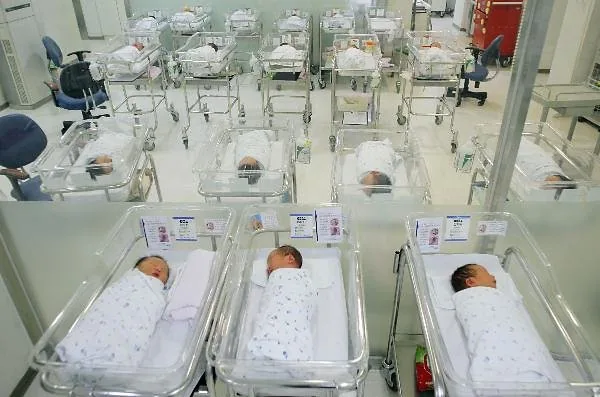
South Korea recorded 24,275 births in July 2024, an 11.1% year-on-year increase and the highest July figure since 2019, marking 25 consecutive months of growth. The total fertility rate rose to 0.89. Cumulative births for January-July reached 170,079, a 14.7% increase. Marriage registrations also rose 9.3% to 22,282 couples. However, deaths exceeded births by 4,647, continuing 81 months of natural population decline.
 Illustration
Editorial responsibility
- No named human review is recorded for this page.
- Reports are grouped by semantic similarity and deterministic rules. Language models may assist titles, summaries, translation and cross-source analysis; the page reads the event directly, while its address stays stable when the title changes.
- Summary covers the current reports
Cross-source coverage
Common ground
- South Korea's fertility rate of 0.89 is still dangerously low, and the country continues to face serious demographic challenges.
- Government policies like cash subsidies, housing support, and parental leave have contributed to a 25-month increase in births and a rise in marriages.
- Structural issues such as high housing costs, job insecurity, gender inequality, and a demanding work culture are key reasons young people delay or avoid having children.
- The gender dimension is critical, with women facing a severe pay gap and career penalties for motherhood, though paternal leave uptake has increased from 2% to 7%.
Points of contention
- One side sees the 25-month birth increase as genuine policy progress, while the other dismisses it as a temporary bounce from a catastrophic low of 0.72.
- There is disagreement on whether the marriage rise reflects real hope or just older, economically secure people making calculated, joyless decisions.
- The debate splits on whether state-led solutions can effectively address deep-rooted problems or if they are just Band-Aids on a broken social contract.
- One side accuses the other of using 'policy sovereignty' to avoid honest critique, while the other claims Western narratives unfairly frame East Asian societies as dysfunctional.
Blind spots
- Both sides focus heavily on South Korea, but the discussion overlooks how similar patterns of youth alienation and demographic decline are playing out in other regions like the Middle East.
- The debate rarely considers the emotional and psychological well-being of young people, instead centering on economic and policy metrics.
- There is little attention to how long-term cultural shifts in attitudes toward family, marriage, and individualism might outlast any policy fixes.
WorldAttention’s read
South Korea's birth rate increase from 0.72 to 0.89 over 25 months shows that targeted government policies like housing subsidies and parental leave can have a real, measurable impact. However, this is not a full recovery—it's a stabilization at a very low level. The deeper issues of gender inequality, crushing work culture, unaffordable housing, and a brutal education system remain largely unchanged. Young people are making rational choices in a system that still demands too much and offers too little security. The real lesson is that while state-led solutions can slow a demographic decline, they cannot replace the need for a fundamental rethinking of the social contract—one that makes parenthood a source of joy, not a burden.
Reporting timeline
South Korea's Births Rise for 25th Consecutive Month, Reaching Highest July Level Since 2019
According to a report by South Korea's National Data Office on July 23, cited by Yonhap News and relayed by 参考消息网 on September 26, the country's birth population in July 2024 was approximately 24,000, the highest for any July since 2019. This represents an 11.1% year-on-year increase, marking the 25th consecutive month of growth. For the first seven months of the year, cumulative births exceeded 170,000, a 14.7% rise year-on-year, the largest increase for that period on record. The total fertility rate for July was 0.89, up 0.08 from a year earlier. Marriage registrations in July rose 9.3% year-on-year to about 22,000, the highest for any July since 2015. Cumulative marriages for January-July reached approximately 147,000, the highest since 2018. However, deaths in July increased 3% to 28,900, resulting in a natural population decrease of 4,647 people, continuing a trend of natural decline for 81 consecutive months.
South Korea's Births Rise for 25th Straight Month as Government Policies Show Effect
South Korea's birth population increased for the 25th consecutive month in July 2024, with 24,275 newborns, up 11.1% year-on-year, the highest for any July since 2019. The total fertility rate rose to 0.89, up 0.08 from a year earlier, approaching the 0.9 mark but still far below the replacement level of 2.1. Marriage registrations, a leading indicator, also surged 9.3% in July to 22,282 couples, the highest for that month since 2015. A Korea National Data Office official attributed the rise to a post-COVID marriage boom and an increase in the population in their early 30s, the prime childbearing age. Despite the positive trend, deaths (28,921) still exceeded births, leading to a natural population decrease of 4,647. The government's aggressive pro-natal policies, including increased cash subsidies (up to 100 million won monthly for infants), expanded parental leave, and housing support, are credited with driving the recovery. However, structural challenges like high housing costs and job insecurity persist.
Read sourceSouth Korea July Births Hit 7-Year High, Up 11.1% Year-on-Year
According to Yonhap News Agency and data released by South Korea's National Data Office on September 23, the country recorded 24,275 births in July 2025, an 11.1% increase year-on-year and the highest July figure since 2019 (25,222 births). This marks the 25th consecutive month of year-on-year increase. The total fertility rate for July stood at 0.89, up 0.08 from the same period last year. For the January-to-July period, cumulative births reached 170,079, a 14.7% increase year-on-year, also the highest since 2019. The recent rebound in births is attributed to an increase in the number of marriages, a rise in the population in their 30s, and an improvement in people's willingness to have children.
Show 2 older updatesHide older updates
South Korea July births exceed 24,000, highest for the month since 2019
According to data released by South Korea's National Data Service on September 23, the number of births in July 2024 reached 24,275, an 11.1% increase compared to the same month last year. This marks the highest July figure since 2019. For the first seven months of 2024, cumulative births totaled 170,079, a 14.7% increase year-on-year, setting a record for the largest growth rate in the same period. The total fertility rate for July stood at 0.89, up 0.08 from a year earlier. The data suggests a temporary rebound in South Korea's chronically low birth rate, though the fertility rate remains below 1.0, indicating continued demographic challenges.
South Korea July births exceed 24,000, highest for the month since 2019
According to data released by the South Korean National Statistics Office on September 23, the number of births in July 2024 reached 24,275, an increase of 11.1% year-on-year, marking the highest July figure since 2019. For the first seven months of 2024, cumulative births surpassed 170,000, totaling 170,079, a 14.7% increase year-on-year, the largest such gain on record. The total fertility rate for July stood at 0.89, up 0.08 from the same month last year. The data, sourced from Caixin, indicates a notable but still low rebound in South Korea's birth rate, which has been among the world's lowest.