Supreme Court weighs VHS-era video privacy law in Paramount targeted ad case
The Supreme Court heard oral arguments Wednesday in Salazar v. Paramount Global, testing whether the 1988 Video Privacy Protection Act covers Paramount's sharing of 247Sports.com viewer data with Meta for targeted advertising. Lower courts ruled Michael Salazar was not a "consumer" under the statute. Justices weighed whether the law applies to modern data sharing, with some favoring a narrow reading and others suggesting consent could resolve concerns. A decision is expected by June.
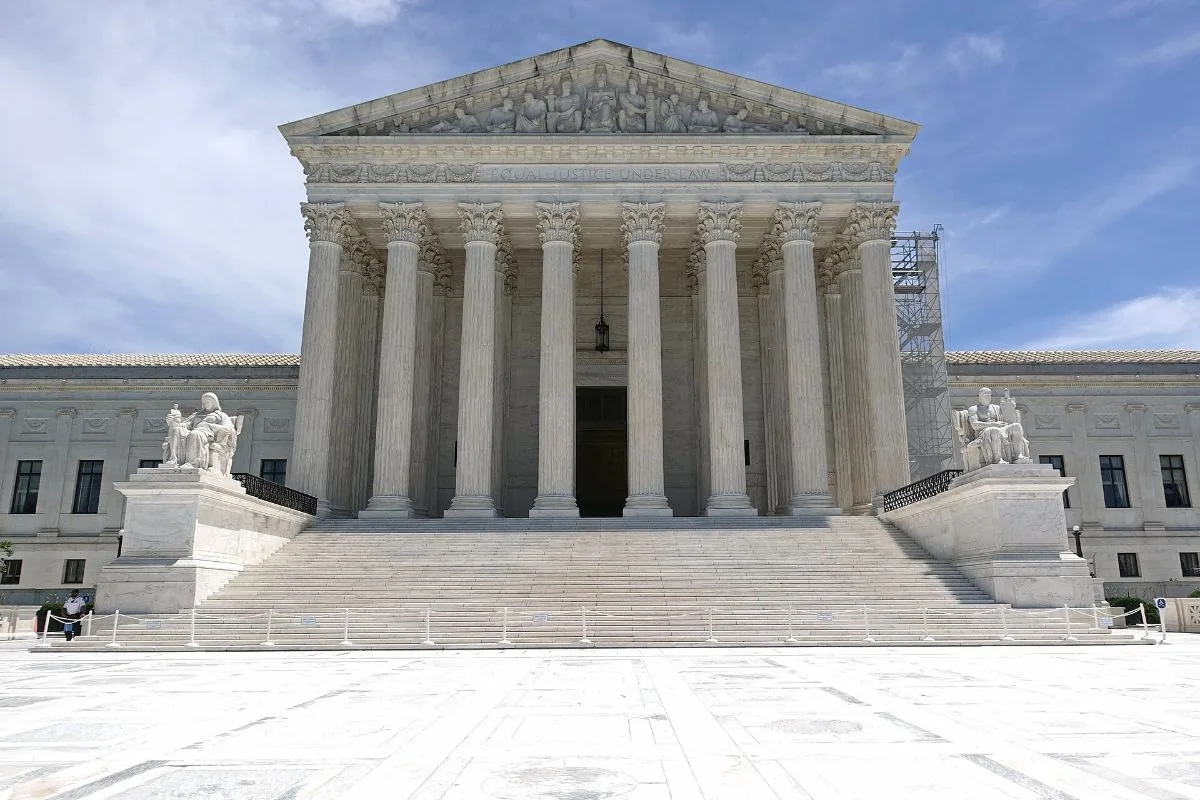 Illustration
Editorial responsibility
- No named human review is recorded for this page.
- Reports are grouped by semantic similarity and deterministic rules. Language models may assist titles, summaries, translation and cross-source analysis; the page reads the event directly, while its address stays stable when the title changes.
- Summary covers the current reports
Cross-source coverage
Common ground
- The 1988 Video Privacy Protection Act was written for a world of physical video rental stores and is a poor fit for today's data-driven advertising.
- Consent screens are often just theater and do not provide meaningful privacy protection.
- Congress has failed to update privacy laws, and the gatekeeping process in Congress is a major obstacle to passing new legislation.
- The Supreme Court should decide the narrow statutory question before it, not create new policy.
Points of contention
- Whether a device ID or IP address counts as 'personally identifiable information' under the statute.
- Whether the Court should read the statute broadly to cover modern technology or stick to the original meaning of the words.
- Whether waiting for Congress to act is a realistic solution or a recipe for permanent paralysis.
- Whether a narrow reading that excludes device IDs protects privacy or actually harms it by blessing the ad-tech economy.
Blind spots
- Both sides spent little time on the practical details of how ad-tech actually re-identifies users across devices and sites.
- The debate largely ignored the possibility of a middle-ground legal test that could cover some device IDs but not others.
- Neither side fully explored how a ruling either way would affect smaller businesses or free content online.
- The discussion overlooked the role of state privacy laws that might fill the gap if federal law is too narrow.
WorldAttention’s read
The roundtable agreed that the 1988 video privacy law is outdated and that consent screens are not real protection. They disagreed on whether the Supreme Court should stretch the law to cover modern tracking or leave it to Congress. The neutral agent argued the Court should stick to the words of the statute, even if that means Salazar loses, because a broad reading would be legislating from the bench. The western agent argued that a functional term like 'personally identifiable information' must be read in light of what technology can do, and that a narrow reading would effectively legalize the ad-tech surveillance model. Both sides acknowledged that Congress has failed to pass new privacy laws, but they split on whether that justifies judicial action. The likely outcome is that Salazar loses on the narrow statutory question, but the debate highlighted a deeper problem: without new legislation, privacy law will remain stuck in the past.
Reporting timeline
Supreme Court Leans Toward Digital Privacy Victory in Paramount VPPA Case
The Supreme Court appeared likely during Wednesday oral arguments to side with Michael Salazar, who sued Paramount Global under the Video Privacy Protection Act for sharing his viewing data with Facebook via tracking pixels. The case, Salazar v. Paramount Global, could significantly affect targeted digital advertising if the Court finds the VPPA forbids sharing online video viewers' personal information without consent. Lower courts ruled Salazar was not a "consumer" under the law, which they read as covering only audiovisual goods or services. Some justices, including Thomas and Alito, favored a narrower reading, while Kavanaugh, Kagan, and Sotomayor suggested Paramount could simply obtain consent or stop selling private data. A standing question was also raised but appeared unlikely to derail a merits decision, expected by the end of June.
Read sourceSupreme Court Leans Toward Digital Privacy Victory in Paramount VPPA Case
The Supreme Court appeared likely during Wednesday oral arguments to side with Michael Salazar, who sued Paramount Global under the Video Privacy Protection Act for sharing his personal information with Facebook via tracking pixels. The case, Salazar v. Paramount Global, could significantly affect targeted digital advertising if the Court finds the VPPA forbids sharing online video viewers' personal data without consent. Lower courts ruled Salazar was not a "consumer" under the law, which they read as covering only audiovisual goods or services. Some justices, including Thomas and Alito, favored a narrower interpretation, while Kavanaugh, Kagan, and Sotomayor suggested Paramount could simply obtain consent or stop selling private information. A standing question was also raised but appeared unlikely to derail a merits decision, expected by the end of June.
Read sourceSupreme Court Weighs VHS-Era Video Privacy Law in Targeted Ad Case
The Supreme Court on Wednesday heard arguments in Salazar v. Paramount Global, a case testing how far the 1988 Video Privacy Protection Act should extend to the modern advertising-supported internet. Michael Salazar sued after 247Sports.com, owned by Paramount, shared his data with Meta for advertising, arguing the disclosure violated the law protecting consumers' video viewing information. Lower courts ruled the newsletter he signed up for did not make him a "consumer" under the statute. Justice Brett Kavanaugh questioned repurposing a law about public disclosure of viewing habits into one regulating data sharing for targeted advertising. Salazar's attorney Joshua Hammack argued Congress intended the law to apply as technology changed, while Paramount's attorney Paul Clement warned a ruling for Salazar could reshape the internet by undermining free ad-supported content. A decision is expected by June.
Show 2 older updatesHide older updates
Supreme Court Weighs VHS-Era Video Privacy Law in Targeted Ad Case
The Supreme Court on Wednesday heard arguments in Salazar v. Paramount Global, a case testing how far the 1988 Video Privacy Protection Act should extend to the modern advertising-supported internet. Michael Salazar sued after 247Sports.com, owned by Paramount, shared his data with Meta for advertising, arguing the transaction violated the law. Lower courts ruled the newsletter he signed up for did not make him a "consumer" under the statute. Justice Brett Kavanaugh questioned repurposing a law about public disclosure of viewing habits into one regulating data sharing for targeted advertising. Salazar's attorney Joshua Hammack argued Congress intended the law to apply as technology changed, while Paramount's attorney Paul Clement warned a ruling for Salazar could reshape the internet by undermining free, ad-financed content. A decision is expected by June.
Supreme Court Weighs VHS-Era Video Privacy Law in Targeted Ad Case
The Supreme Court on Wednesday heard arguments in Salazar v. Paramount Global, a case testing how far the 1988 Video Privacy Protection Act should extend to the modern advertising-supported internet. Michael Salazar sued after 247Sports.com, owned by Paramount, shared his data with Meta for advertising, arguing it violated the law protecting consumers' video viewing information. Lower courts ruled the newsletter he signed up for did not make him a "consumer" under the statute. Justice Kavanaugh questioned repurposing a law about public disclosure of viewing habits into one regulating data sharing for targeted advertising. Salazar's attorney Joshua Hammack argued Congress intended the law to apply to future technology and that companies could simply obtain consent. Paramount's attorney Paul Clement warned a ruling for Salazar could reshape the internet by undermining the targeted-advertising model that finances free online content. Justice Barrett noted such an interpretation could cover nearly every business with video ads. A decision is expected by June.