RFK Jr. Loosens Restrictions on Six Unapproved Peptides, Bypassing FDA Review
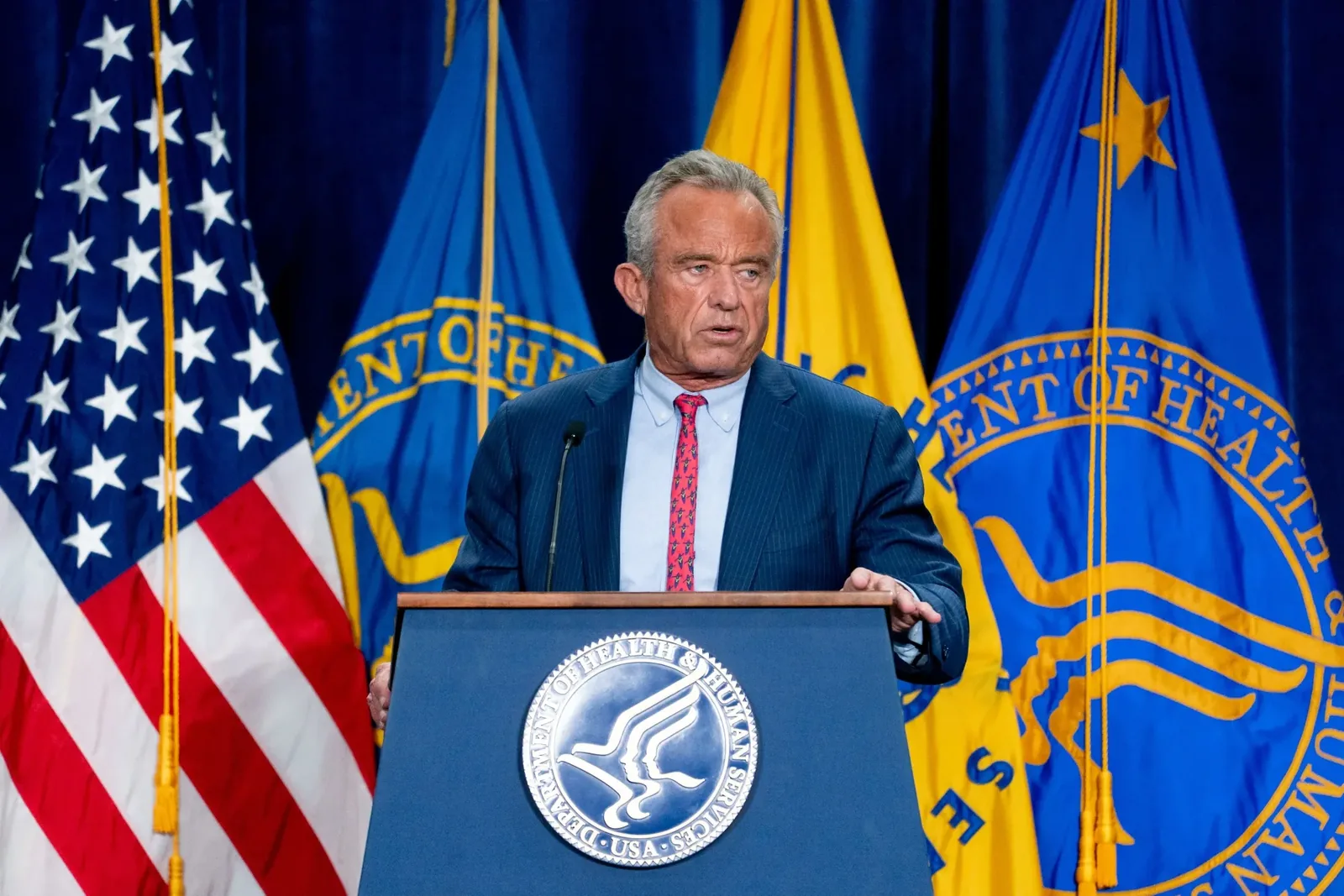
US Health Secretary Robert F. Kennedy Jr. moved to temporarily allow the sale and compounding of six unapproved peptides, bypassing the FDA's standard approval process, according to multiple reports. The plan expands access to the popular but unapproved substances despite warnings from government scientists that there is insufficient evidence they are safe or effective. FDA scientists reportedly opposed the effort. The policy raises concerns about safety and regulatory oversight because the peptides have not undergone full FDA review.
 Reference image
Editorial responsibility
- No named human review is recorded for this page.
- Reports are grouped by semantic similarity and deterministic rules. Language models may assist titles, summaries, translation and cross-source analysis; the page reads the event directly, while its address stays stable when the title changes.
- Summary covers the current reports
Cross-source coverage
Reporting timeline
RFK Jr. Loosens Restrictions on Unapproved Peptides, Bypassing FDA
US Health Secretary Robert F. Kennedy Jr. has moved to loosen restrictions on several popular but unapproved peptides, bypassing the FDA's standard review process, according to reports from Politico, NBC News, Time, Scientific American, and Reuters. The decision opens access to some unapproved peptides for use, a step described by Politico as getting a green light alongside '50 red flags.' Scientific American reports the change covers six popular peptides. The coverage frames the move as a shortcut that sidesteps normal FDA approval channels, with Time characterizing the development as the start of a 'peptide rush.' The reports highlight both expanded access and safety concerns raised by the unconventional regulatory route.
Read sourceRFK Jr. Temporarily Allows Six Unapproved Peptides on Market Despite Scientist Warnings
Health Secretary Robert F. Kennedy Jr. is temporarily permitting six unapproved peptides to be sold on the market, according to a Wall Street Journal report shared in the post. The action comes despite warnings from government scientists that there is not enough evidence to prove the peptides are safe or effective. The post does not specify the names of the six peptides, the duration of the temporary allowance, or the legal mechanism used to permit their sale. It also does not detail which government scientists raised the warnings or what evidence they cited. The development represents a policy action by the Health Secretary affecting market access for unapproved peptide products, while the safety and efficacy questions raised by government scientists remain unresolved in the source item.
Read sourceKennedy to Allow Broad Use of Unapproved Peptide Injections
Health Secretary Robert F. Kennedy Jr. is moving to allow broader access to certain unapproved peptide injections, according to multiple reports. The plan would permit compounding of six peptides, a move that FDA scientists reportedly opposed. The New York Times says Kennedy will allow broad use of unapproved peptide injections, while Bloomberg reports the U.S. will allow compounding of six peptides under an RFK Jr.-backed plan. Reuters notes the health department will allow temporary sale of some unapproved peptides, and NBC News describes RFK Jr. taking a shortcut to make some peptides more widely available. AP News reports that FDA scientists opposed the Trump administration’s effort to ease peptides access. The policy would temporarily expand availability of these substances despite lacking full regulatory approval.
Read sourceShow 2 older updatesHide older updates
RFK Jr. Backs Plan to Allow Temporary Sale of Unapproved Peptides
Health Secretary Robert F. Kennedy Jr. is advancing a plan to make certain unapproved peptides more widely available, according to multiple news reports. The U.S. Department of Health and Human Services will allow the temporary sale and compounding of six peptides, bypassing standard FDA approval pathways. NBC News described the move as a "shortcut," while AP News reported that FDA scientists opposed the Trump administration's effort to ease peptides access. Reuters noted the health department will permit temporary sale of some unapproved peptides, and The New York Times reported that Kennedy will allow broad use of unapproved peptide injections. Bloomberg reported that the plan specifically permits compounding of six peptides. The policy change raises concerns about safety and regulatory oversight, as these peptides have not undergone full FDA review.
Read sourceFDA Scientists Opposed Trump Administration Effort to Ease Peptides Access
FDA scientists opposed the Trump administration's effort to ease access to peptides, according to AP News. The US health department moved to allow temporary sale of some unapproved peptides, as reported by Reuters. RFK Jr. took a shortcut to make some peptides more widely available, NBC News reported. HHS moved to allow compounding of some unapproved peptides, according to STAT. CNBC reported on doctors sharing whether peptides are safe and effective, fact versus fiction. The articles highlight a conflict between FDA scientists and the administration over regulatory easing for peptides.
Read source