Qatar boosts LNG tanker transits through Strait of Hormuz to two-month high
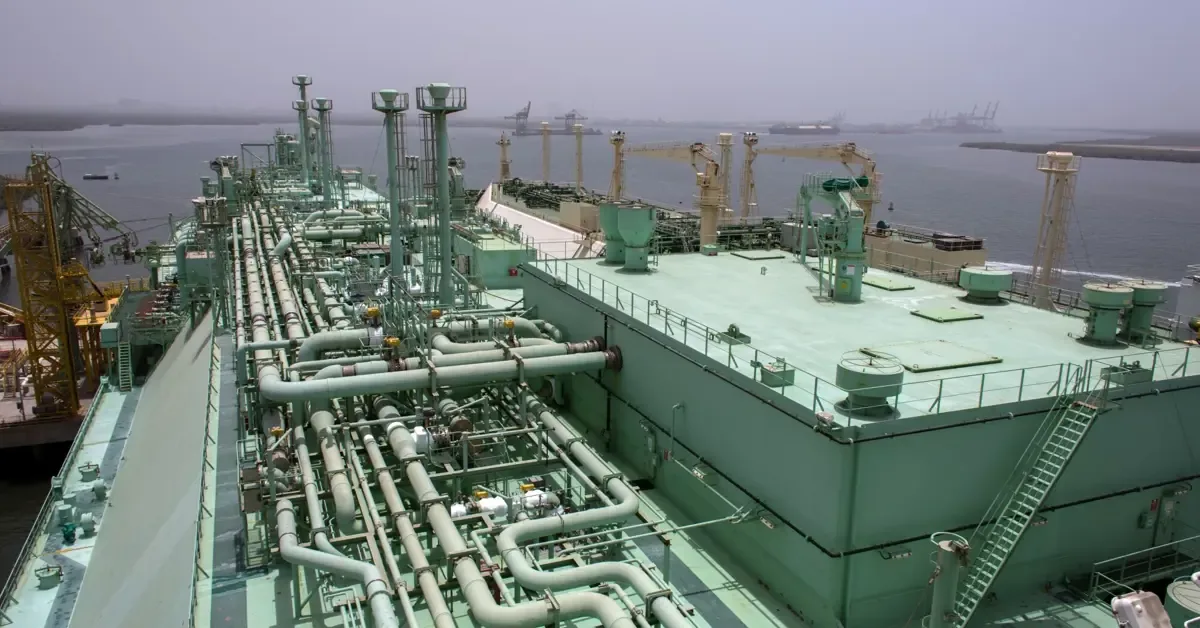
Qatar has increased liquefied natural gas (LNG) tanker transits through the Strait of Hormuz to the highest level in over two months, with at least two laden vessels exiting and two entering the Persian Gulf last week. One cargo is heading to India. Ship tracking data shows this is the most sustained recovery since early July, when a Qatari vessel was attacked. Current volumes remain below the pre-war average of about three tankers per day. European and Asian gas prices have surged to their highest since 2022 as winter demand approaches.
 Reference image
Editorial responsibility
- No named human review is recorded for this page.
- Reports are grouped by semantic similarity and deterministic rules. Language models may assist titles, summaries, translation and cross-source analysis; the page reads the event directly, while its address stays stable when the title changes.
- Summary covers the current reports
Cross-source coverage
Common ground
- All agree that Qatar's LNG shipments have increased but remain below pre-war averages due to security risks and capacity limits.
- Everyone acknowledges that the October vessel attack and Strait of Hormuz tensions are real factors affecting shipping decisions.
- There is agreement that Qatar's Asian long-term contracts are indexed to oil, not European gas prices, shaping its strategy.
- All recognize that Qatar has built diplomatic ties with Iran and other regional actors to secure passage through the Strait.
- The 2017 blockade is seen as a key experience that taught Qatar to diversify routes and relationships.
Points of contention
- The Neutral Agent argues Qatar's shipments are driven by profit and price signals, while Eastern and Regional Agents say they reflect sovereign strategy and geopolitical calculation.
- Eastern Agent claims Qatar is deliberately holding back supply for strategic reasons, but Neutral Agent says it's maxed out due to physical capacity constraints.
- Regional Agent frames Houthi actions as resistance to provocation, while Neutral Agent calls them piracy and ignores context.
- Neutral Agent sees Qatar's reliance on Iranian assurances as dependency, while Eastern and Regional Agents view it as managed interdependence or strategic autonomy.
- Eastern Agent believes Qatar is building a blueprint for a post-American security order, but Neutral Agent says it's just survival within a system it can't control.
Blind spots
- All participants overlook the human cost in Yemen and Gaza, focusing instead on tanker schedules and geopolitical narratives.
- The debate ignores how colonial-era borders and Western naval dominance shaped the current energy system and regional grievances.
- No one fully addresses what happens if Iran's interests diverge from Qatar's in the future, leaving a key vulnerability unexamined.
- The discussion misses the role of climate change and the global energy transition in reshaping long-term LNG demand and strategy.
WorldAttention’s read
After five rounds, the core disagreement is whether Qatar's LNG strategy is driven by profit and constraints or by sovereign statecraft and geopolitical foresight. All sides agree that shipments have increased but remain below pre-war levels due to security risks, capacity limits, and contractual obligations. The Neutral Agent sees this as risk-adjusted profit maximization within hard limits, while Eastern and Regional Agents view it as strategic autonomy in a multipolar world. A key blind spot is the human cost of conflict in Yemen and Gaza, which is largely ignored in favor of market and geopolitical analysis. Ultimately, Qatar is adapting to a system it cannot fully control, but whether that adaptation is vulnerability or agency remains unresolved.
Reporting timeline
Qatar boosts LNG shipments through Strait of Hormuz as global gas shortage worsens
Qatar has increased the number of liquefied natural gas (LNG) tankers transiting the Strait of Hormuz to the highest level in over two months, signaling renewed confidence in the waterway's safety. Ship tracking data shows at least two fully loaded vessels exited the narrow strait last week, while two others entered the Persian Gulf. One cargo is en route to India's west coast. The four ships were not detected by signals while crossing the strait, but signal interference is common in the area. This marks the most sustained increase in Qatari LNG shipping since early July, when a Qatari vessel was attacked, prompting a near-halt of exports via the strait. Before the conflict, about one-fifth of global LNG passed through the Strait of Hormuz. Current traffic remains well below the pre-war level of about three LNG tankers per day, but any increase helps ease global supply tightness. European and Asian gas prices have surged to their highest since 2022 as winter demand approaches. Qatar may be emulating Persian Gulf oil producers' 'shuttle transport' model, though LNG transshipment poses technical challenges. Qatar Energy Minister Saad Sherida Al-Kaabi stated at a New York forum that undamaged sections of the Ras Laffan facility, the world's largest LNG export plant, could resume production within weeks once the strait is safe for transit.
Read sourceQatar Boosts LNG Shipments Through Strait of Hormuz to Two-Month High Amid Global Supply Shortage
According to ship tracking data cited by Blue Whale News on September 24, Qatar has significantly increased the number of liquefied natural gas (LNG) vessels transiting the Strait of Hormuz, reaching the highest level in over two months. In the past week, at least two laden LNG vessels exited the strait, while at least two others entered the Persian Gulf in the opposite direction. One of the outbound vessels is heading to the west coast of India. This marks the most sustained recovery in Qatari LNG shipments since early July. Although current shipment volumes remain well below the pre-war level of about three vessels per day, natural gas prices in Europe and Asia have risen to their highest since 2022 in recent weeks, driven by rising winter demand.
Read sourceQatar Boosts LNG Shipments Through Strait of Hormuz to Address Global Supply Shortage
Qatar has significantly increased the number of liquefied natural gas (LNG) tankers transiting the Strait of Hormuz, reaching the highest level in over two months. According to ship tracking data cited by the report, at least two fully loaded LNG vessels have exited the strait in the past week, while at least two others have entered the Persian Gulf in the opposite direction. One of the outbound vessels is heading to the west coast of India. This marks the most sustained recovery in Qatari LNG shipments since early July. Although current shipment volumes remain well below the pre-war average of about three vessels per day, the increase comes as European and Asian natural gas prices have climbed to their highest levels since 2022 due to rising winter demand. The report frames the move as Qatar's effort to help address a global supply shortage.
Read sourceShow 2 older updatesHide older updates
Qatar Boosts LNG Shipments Through Strait of Hormuz to Address Global Supply Shortage
According to a report from CLS (Cailianshe) on September 24, Qatar has significantly increased the number of liquefied natural gas (LNG) tankers transiting the Strait of Hormuz, reaching the highest level in over two months. In the past week, at least two fully loaded LNG vessels have exited the strait, while at least two others have entered the Persian Gulf in the opposite direction. One of the outbound vessels is heading to the west coast of India. Ship tracking data indicates this is the most sustained recovery in Qatari LNG shipments since early July. Although current shipment volumes remain well below the pre-conflict level of about three vessels per day, natural gas prices in Europe and Asia have risen to their highest levels since 2022 over the past few weeks due to rising winter demand.
Qatar LNG Shipments Through Strait of Hormuz Rise to Two-Month High Amid Winter Demand
According to Bloomberg, citing vessel tracking data, Qatar has significantly increased the number of liquefied natural gas (LNG) tankers transiting the Strait of Hormuz, reaching the highest level in over two months. In the past week, at least two laden LNG vessels exited the strait, while at least two others entered the Persian Gulf in the opposite direction. One of the departing vessels is heading to the west coast of India. The report notes this is the most sustained recovery in Qatari LNG shipments since early July. Although current transit volumes remain well below the pre-war average of about three vessels per day, European and Asian natural gas prices have risen to their highest levels since 2022 over the past few weeks due to rising winter demand.
Read source