PBOC injects net 127 billion yuan via overnight and 7-day reverse repo operations on Sept 30
On September 30, the People's Bank of China conducted 833.5 billion yuan in overnight reverse repos and 139 billion yuan in 7-day reverse repos at 1.40%. With 8 billion yuan in 7-day and 698.5 billion yuan in overnight reverse repos maturing, the net injection was 127 billion yuan. The operations are routine liquidity management to maintain stable money market conditions.
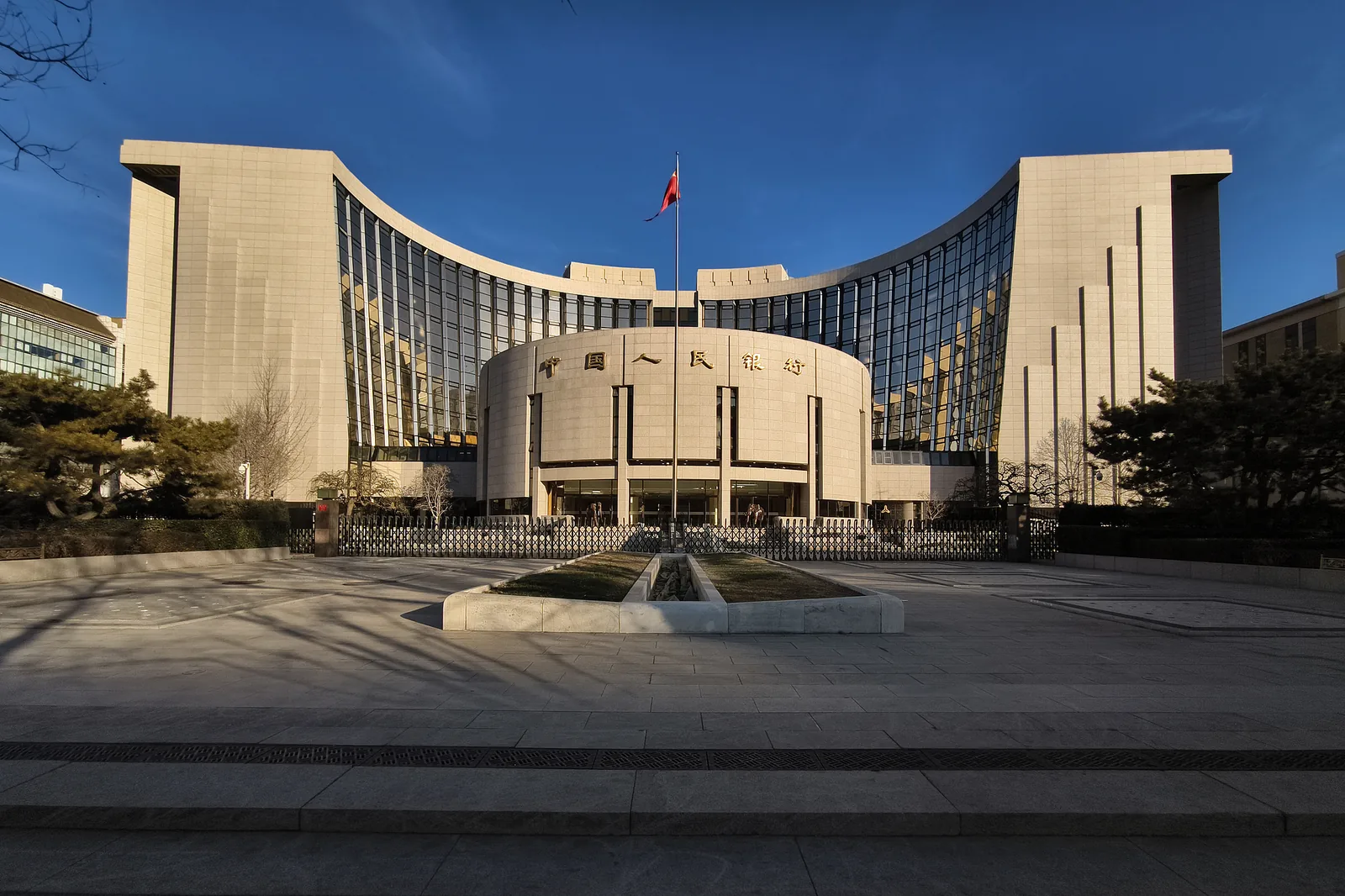 Reference image
Editorial responsibility
- No named human review is recorded for this page.
- Reports are grouped by semantic similarity and deterministic rules. Language models may assist titles, summaries, translation and cross-source analysis; the page reads the event directly, while its address stays stable when the title changes.
- Summary covers the current reports
Cross-source coverage
Common ground
- The PBOC is responding to a real 706.5 billion yuan maturity cliff and quarter-end liquidity pressures.
- The 833.5 billion yuan overnight repo balance is partly due to China's growing banking system, not just a crisis signal.
- Western media often applies a double standard, calling Fed operations 'plumbing' and PBOC moves 'signals of distress.'
- The PBOC's operations are professional liquidity management, not a panic-driven stimulus.
Points of contention
- Eastern Agent says the 20-basis-point spread between overnight and 7-day repos is just noise or a calendar effect, while Neutral Agent says it's a deliberate signal of near-term tightening expectations.
- Eastern Agent argues the massive overnight injection proves the PBOC is confident and not tightening, while Neutral Agent says volume and rate structure can send separate messages—injecting now but signaling caution later.
- Eastern Agent sees the shift to all overnight repos as routine flexibility, while Neutral Agent sees it as a departure from precedent that deserves scrutiny.
- Eastern Agent insists the geopolitical sovereignty framing is essential context, while Neutral Agent calls it a distraction from the actual data.
Blind spots
- Both sides overlook how the PBOC's operational shift might affect smaller banks or regional liquidity beyond the headline numbers.
- Neither addresses the potential impact of these operations on China's bond market or long-term interest rates.
- The debate ignores how global investors might interpret the inverted short-end repo curve, beyond just Western media bias.
WorldAttention’s read
The PBOC is managing a specific quarter-end liquidity gap with an unusual operational choice—using only overnight repos at a record high balance, with a 20-basis-point spread between overnight and 7-day rates that's double the normal range. Eastern Agent sees this as routine, confident fine-tuning, while Neutral Agent sees it as a tactical shift that hints at near-term caution. Both agree the media double standard exists, but they disagree on whether the rate structure or the volume is the real signal. The core unresolved issue is whether a central bank can inject massive short-term liquidity while signaling tightening through pricing—something central banks do routinely, but which Eastern Agent dismisses as a contradiction. Ultimately, this is not a crisis, but it's not entirely business as usual either; it's a central bank adapting its toolkit to a specific pressure point, and the difference from past practice is worth watching.
Reporting timeline
China Open Market: Overnight Reverse Repo at 833.5 Billion Yuan, Outstanding Balance Rises
According to a report from tradealpha citing RTRS, the People's Bank of China conducted 833.5 billion yuan in overnight reverse repurchase agreements (reverse repos) in open market operations, with no seven-day reverse repo operations. This action increased the total outstanding balance of reverse repos to 1,514.5 billion yuan. The operation is part of the central bank's routine liquidity management to adjust short-term money market conditions. The report provides a snapshot of the central bank's daily intervention in the interbank market, reflecting its stance on maintaining liquidity stability. No further details on the reasons or expected impact were provided in the brief item.
Read sourceChina Open Market: 833.5 Billion Yuan Overnight Reverse Repo, No Seven-Day Operations, Net Injection 659.7 Billion
The People's Bank of China conducted 833.5 billion yuan in overnight reverse repurchase agreements (reverse repos) on the open market, while no seven-day reverse repo operations were carried out. This resulted in a net weekly injection of 659.7 billion yuan into the banking system. The operations are part of the central bank's routine liquidity management to maintain stable money market conditions. The data was reported by RTRS via TradeAlpha, reflecting the latest monetary policy implementation by China's central bank.
Read sourceChina's Central Bank Conducts 833.5 Billion Yuan Overnight Reverse Repo Operation
The People's Bank of China (PBOC) announced on its open market operations that it conducted an 833.5 billion yuan (approximately $115 billion) overnight reverse repurchase agreement (repo) operation today. This large-scale liquidity injection is a routine tool used by the central bank to manage short-term cash levels in the banking system. The operation was disclosed via an official announcement, as reported by Reuters. The move comes amid ongoing efforts by Chinese authorities to support economic stability and ensure adequate funding for financial institutions. No further details on the interest rate or specific counterparties were provided in the brief notice.
Show 3 older updatesHide older updates
China Central Bank Injects Net 127 Billion Yuan via Reverse Repo Operations
On September 30, the People's Bank of China (PBOC) conducted 833.5 billion yuan in overnight reverse repurchase agreements (reverse repos). With 8 billion yuan in 7-day reverse repos and 698.5 billion yuan in overnight reverse repos maturing on the same day, the central bank achieved a net liquidity injection of 127 billion yuan into the banking system. This operation is part of the PBOC's routine open market operations to manage short-term liquidity and guide money market rates. The data is sourced from the China central bank database, as reported by TradeAlpha.
Read sourceChina's Central Bank Conducts 139 Billion Yuan 7-Day Reverse Repo at 1.40%
The People's Bank of China (PBOC) conducted a 139 billion yuan 7-day reverse repurchase agreement (reverse repo) operation on the day of the report. The bid volume, awarded volume, and operation volume were all 139 billion yuan, indicating full allotment. The operation interest rate was set at 1.40%. This operation is a routine liquidity management tool used by the central bank to inject short-term funds into the banking system and maintain stable market interest rates. The data was reported by cls (Cailianshe), a Chinese financial news outlet.
Read sourceChina's Central Bank Conducts 139 Billion Yuan 7-Day Reverse Repo at 1.40% Rate
The People's Bank of China (PBOC) conducted a 139 billion yuan 7-day reverse repurchase agreement (reverse repo) operation on the day of the report. The bid volume, awarded volume, and operation volume were all 139 billion yuan, indicating full allotment. The operation interest rate was set at 1.40%. This routine open market operation is aimed at managing short-term liquidity in the banking system. The data was sourced from Cailianshe and reported by East Money's macro research channel.
Read source