PBOC Q3 meeting vows moderate easing, stronger counter-cyclical adjustment, forex warning
The People's Bank of China's Monetary Policy Committee held its Q3 2026 regular meeting on September 19, deciding to continue a moderately loose monetary policy and strengthen counter-cyclical adjustment. The committee noted a complex external environment with weak global growth and domestic challenges including weak demand relative to supply. It pledged to flexibly use monetary tools to maintain ample liquidity, lower financing costs, and warned against herd behavior in the foreign exchange market. The meeting also expanded financial support to include 'six networks' infrastructure projects.
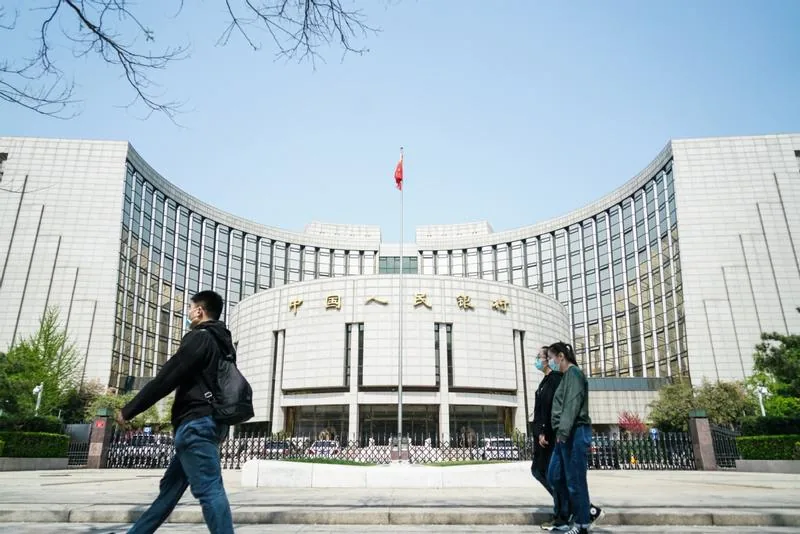 Reference image
Editorial responsibility
- No named human review is recorded for this page.
- Reports are grouped by semantic similarity and deterministic rules. Language models may assist titles, summaries, translation and cross-source analysis; the page reads the event directly, while its address stays stable when the title changes.
- Summary covers the current reports
Cross-source coverage
Reporting timeline
China's central bank vows to flexibly use monetary tools, warns against herd behavior in forex market
The People's Bank of China (PBOC) held its Q3 2026 monetary policy committee meeting, pledging to continue a moderately accommodative monetary policy and increase counter-cyclical adjustments. The meeting emphasized the need to 'comprehensively use and timely adjust monetary policy tools' to maintain ample liquidity, aligning with the July Politburo meeting. Analysts at CITIC Securities interpreted the shift from 'counter-cyclical and cross-cyclical' to solely 'counter-cyclical' as a response to persistent weak domestic demand in consumption, investment, and credit, despite strong exports. The statement added a new warning against 'herd effects and self-reinforcing irrational expectations' in the foreign exchange market, as the yuan recently strengthened to its highest since January 2023, breaking the 6.7 level against the dollar. The PBOC also pledged to improve the design and management of structural monetary tools, adding support for 'six networks' infrastructure projects to accelerate the formation of physical workload. The meeting called for better coordination between monetary and fiscal policies to stabilize growth and promote reasonable price recovery.
Read sourceChina central bank committee urges中小 banks to focus on core business, boost capital
The Monetary Policy Committee of the People's Bank of China held its third-quarter 2026 regular meeting on September 19, according to a September 24 statement on the central bank's website. The committee discussed the main direction for monetary policy in the coming period, recommending that incremental and existing policies work together to enhance policy foresight, flexibility, and targeting. It called for comprehensive use and timely adjustment of monetary policy tools to maintain ample liquidity, aligning social financing and money supply growth with economic growth and price level targets. The committee also urged reform of the monetary policy operational framework, standardization of credit market behavior, reduction of intermediary financing costs, and promotion of low comprehensive social financing costs. From a macro-prudential perspective, it will observe and assess bond market operations and monitor long-term yield changes. The committee emphasized guiding large banks to serve as the main force for financial support of the real economy, pushing small and medium banks to focus on their core responsibilities, and enhancing bank capital strength. It also stressed using structural monetary policy tools, improving tool design, and strengthening financial support for domestic demand expansion, technological innovation, small and micro enterprises, and the 'six networks' construction. The meeting called for maintaining stable financial market operations and advancing high-level two-way financial opening while improving risk management capabilities.
Read sourceChina's central bank monetary policy committee says financial markets stable this year
On September 24, the People's Bank of China (PBOC) released a statement from its Monetary Policy Committee's third-quarter 2026 regular meeting, held on September 19. The committee assessed that since the start of the year, macroeconomic policies have been more proactive and effective, with a moderately loose monetary policy that strengthened counter-cyclical and cross-cyclical adjustments. Multiple monetary policy tools were used to create a favorable monetary and financial environment for sustained economic improvement. The meeting noted that loan prime rate reform effects continued to be released, the deposit rate market-based adjustment mechanism functioned effectively, monetary policy transmission efficiency improved, and social financing costs remained at historically low levels. The foreign exchange market saw basic balance of supply and demand, with the renminbi exchange rate fluctuating in both directions and remaining basically stable at a reasonable and balanced level. Financial markets overall operated smoothly. The committee analyzed domestic and international economic and financial conditions, stating that the external environment has become more complex and volatile, with weak global economic growth momentum, frequent geopolitical conflicts and trade frictions, divergent economic performance among major economies, and uncertainty in inflation trends and monetary policy adjustments. China's economy is generally running smoothly, with momentum shifting toward innovation and structure improving, achieving new results in high-quality development, but still facing challenges such as strong supply and weak demand, structural divergence, and external shocks. The committee decided to continue implementing moderately loose monetary policy, increase counter-cyclical adjustment intensity, better leverage the aggregate and structural functions of monetary policy tools, strengthen coordination between monetary and fiscal policies, and promote stable economic growth and reasonable price recovery.
Read sourceShow 17 older updatesHide older updates
China's central bank vows to continue moderately loose monetary policy to support growth
The People's Bank of China (PBOC) announced on September 24 that its Monetary Policy Committee held its third-quarter 2026 regular meeting, deciding to continue implementing a moderately loose monetary policy. The PBOC stated it will strengthen counter-cyclical adjustments, better utilize both aggregate and structural functions of monetary policy tools, and enhance coordination between monetary and fiscal policies to promote stable economic growth and a reasonable recovery in prices. The meeting analyzed domestic and international economic and financial conditions, noting that the external environment has become more complex and volatile, with weak global growth, frequent geopolitical conflicts and trade frictions, divergent performance among major economies, and uncertainty in inflation trends and monetary policy adjustments. Domestically, China's economy is operating generally smoothly with improving momentum and structure, achieving new progress in high-quality development, but still facing challenges including weak demand relative to supply, structural divergence, and external shocks. Regarding future monetary policy, the meeting recommended integrating incremental and existing policies, enhancing policy foresight, flexibility, and targeting, and appropriately managing the intensity, pace, and timing of policy implementation based on domestic and international conditions and financial market operations. The PBOC also emphasized maintaining the market's decisive role in exchange rate formation, enhancing forex market resilience, stabilizing expectations, preventing herd behavior and self-reinforcing irrational expectations, and keeping the renminbi exchange rate basically stable at a reasonable and balanced level. Additionally, the central bank called for guiding large banks to play a leading role in serving the real economy, pushing small and medium-sized banks to focus on their core business, strengthening bank capital, and using various structural monetary policy tools to support key areas including domestic demand expansion, technological innovation, small and micro enterprises, and the construction of six major infrastructure networks (water, new power grid, computing power, next-generation communications, urban underground pipelines, and logistics networks).
Read sourceChina's Central Bank Vows to Support Economy, Maintain Financial Stability at Q3 Meeting
The Monetary Policy Committee of the People's Bank of China held its third-quarter 2026 regular meeting on September 19. The meeting emphasized guiding large banks to play a leading role in serving the real economy, while urging small and medium-sized banks to focus on their core business and strengthen capital. The committee pledged to use various structural monetary policy tools, improve tool design and management, and implement the 'five key areas' of financial services. It will enhance financial support for expanding domestic demand, technological innovation, small and micro enterprises, and the construction of the 'six networks.' The central bank also committed to sustaining financial services for the development and growth of the private economy, maintaining stable financial market operations, and advancing high-level two-way financial opening while improving risk management capabilities under open conditions. The statement was sourced directly from the People's Bank of China.
Read sourceChina's Central Bank Pledges Stronger Counter-Cyclical Adjustment to Support Growth
The People's Bank of China (PBoC) announced on September 24 that it will continue a moderately loose monetary policy and increase counter-cyclical adjustment, according to a statement from its third-quarter 2026 monetary policy committee meeting. The committee emphasized better utilizing both the aggregate and structural functions of monetary policy tools, and strengthening coordination with fiscal policy to promote stable economic growth and a reasonable recovery in prices. It called for integrating the effects of incremental and existing policies, enhancing policy foresight, flexibility, and targeting, and adjusting the intensity, pace, and timing of policy implementation based on domestic and international economic and financial conditions. The PBoC plans to maintain ample liquidity and align money supply and social financing growth with economic growth and price expectations. The committee also pledged to regulate credit market behavior, reduce financing costs, and keep overall social financing costs low. On the exchange rate, it reiterated the market's decisive role in rate formation while preventing herd behavior and stabilizing expectations to keep the yuan basically stable. Structural tools will support domestic demand expansion, technological innovation, small businesses, and infrastructure. The meeting also stressed balancing aggregate supply and demand, accelerating the transition to new growth drivers, and strengthening the domestic economic cycle.
Read sourceChina's central bank calls for integrated incremental and existing policies, enhanced forward-looking flexibility
The People's Bank of China (PBOC) Monetary Policy Committee held its Q3 2026 regular meeting on September 19, chaired by Governor Pan Gongsheng. The meeting assessed that proactive macro policies and moderately loose monetary policy have created a favorable financial environment for economic improvement. It noted that external conditions are more complex, with weak global growth, frequent geopolitical conflicts and trade frictions, and uncertainty over major economies' inflation and monetary policy. Domestically, the economy is stable with structural improvements but faces challenges including weak demand relative to supply, structural divergence, and external shocks. The committee decided to maintain moderately loose monetary policy, strengthen counter-cyclical adjustments, and enhance coordination between monetary and fiscal policies to support stable growth and reasonable price recovery. For the next phase, it recommended integrating the effects of incremental and existing policies, improving policy forward-lookingness, flexibility, and targeting, and adjusting the pace, intensity, and timing of policy implementation based on domestic and international conditions. Specific measures include keeping liquidity ample, aligning money supply and credit growth with economic and price targets, reforming the monetary policy operational framework, lowering financing costs, monitoring long-term bond yields from a macro-prudential perspective, and maintaining basic stability of the renminbi exchange rate. The committee also called for guiding large banks to serve as main forces for the real economy, focusing small and medium banks on their core business, and strengthening financial support for domestic demand, tech innovation, SMEs, and infrastructure construction.
Read sourceChina's Central Bank Monetary Policy Committee Holds Q3 2026 Meeting, Emphasizes Counter-Cyclical Adjustment
The People's Bank of China (PBOC) Monetary Policy Committee held its third-quarter 2026 regular meeting, deciding to continue a moderately loose monetary policy. Unlike the previous quarter's emphasis on strengthening both counter-cyclical and cross-cyclical adjustments, this meeting focused solely on 'strengthening counter-cyclical adjustment' to better leverage the aggregate and structural functions of monetary policy tools and enhance coordination with fiscal policy. The meeting assessed that the macro policy has been more proactive and effective this year, with social financing costs at historically low levels and the renminbi exchange rate remaining basically stable. For the next phase, the committee recommended integrating incremental and existing policies, enhancing policy foresight and flexibility, and maintaining ample liquidity. It stressed expanding domestic demand, optimizing supply, and accelerating the transition between old and new growth drivers. Notably, the meeting added a call to prevent market 'herd behavior' and self-reinforcing irrational expectations in the foreign exchange market, and expanded financial support priorities to include the 'six networks' infrastructure construction alongside domestic demand, tech innovation, and SMEs.
Read sourceChina's central bank vows to continue moderately loose monetary policy in Q3 meeting
The People's Bank of China (PBOC) Monetary Policy Committee held its third-quarter 2026 regular meeting on September 19, according to a statement released on the central bank's website. The meeting assessed that the macro policy has been more proactive and effective this year, with moderately loose monetary policy and strengthened counter-cyclical and cross-cyclical adjustments. The committee noted that external conditions have become more complex, with weak global growth, frequent geopolitical conflicts and trade frictions, and divergent economic performance among major economies. Domestically, the economy is operating steadily with structural improvements but faces challenges including weak demand relative to supply, structural divergence, and external shocks. The committee decided to continue implementing a moderately loose monetary policy, increase counter-cyclical adjustment, and better utilize both aggregate and structural functions of monetary policy tools. It emphasized enhancing coordination between monetary and fiscal policies to promote stable economic growth and reasonable price recovery. The meeting also called for maintaining ample liquidity, ensuring social financing and money supply growth align with economic growth and price expectations, and keeping the renminbi exchange rate basically stable at a reasonable and balanced level.
Read sourceChina's central bank monetary policy committee holds Q3 2026 meeting, pledges适度宽松 policy
The Monetary Policy Committee of the People's Bank of China held its third-quarter 2026 regular meeting on September 19, according to a statement published by Xinhua Finance on September 24. The committee assessed that the external environment has become more complex and volatile, with weak global growth, frequent geopolitical conflicts and trade frictions, and divergent economic performance among major economies. Domestically, the economy is running steadily with structural improvements but faces challenges including weak demand relative to supply, structural divergence, and external shocks. The committee decided to continue implementing a moderately accommodative monetary policy, strengthen counter-cyclical adjustments, and better utilize both the aggregate and structural functions of monetary policy tools. It emphasized enhancing coordination between monetary and fiscal policies to promote stable economic growth and reasonable price recovery. The committee also called for maintaining ample liquidity, ensuring that the growth of social financing and money supply matches economic growth and price expectations, and keeping the renminbi exchange rate basically stable at a reasonable and balanced level. It urged large banks to play a leading role in serving the real economy and small and medium banks to focus on their main business, while using structural monetary policy tools to support domestic demand, technological innovation, small and micro enterprises, and infrastructure construction.
Read sourceChina's Central Bank Says Macro Policy More Proactive, Monetary Policy Moderately Loose
The Monetary Policy Committee of the People's Bank of China (PBOC) held its third-quarter 2026 regular meeting on September 19. The meeting assessed that since the beginning of the year, macro policies have become more proactive and effective, with monetary policy maintaining a moderately loose stance. The PBOC has strengthened counter-cyclical and cross-cyclical adjustments, employing a variety of monetary policy tools to create a suitable monetary and financial environment for sustained economic improvement. The meeting noted that the reform of the loan prime rate (LPR) mechanism continues to release its effectiveness, the market-based adjustment mechanism for deposit rates is functioning, and the transmission efficiency of monetary policy has improved, resulting in historically low social financing costs. The foreign exchange market saw a basic balance of supply and demand, with the renminbi exchange rate fluctuating in both directions and remaining broadly stable at a reasonable and balanced level. Overall, financial markets are operating smoothly.
Read sourceChina's Central Bank Q3 2026 Meeting Stresses Support for Real Economy, Financial Stability
The Monetary Policy Committee of the People's Bank of China held its third-quarter 2026 regular meeting (the 114th in total) on September 19. The meeting issued guidance for large banks to play a leading role in serving the real economy, while urging small and medium-sized banks to focus on their core businesses and strengthen their capital bases. The committee emphasized the effective use of various structural monetary policy tools, with continuous improvement in tool design and management. It called for solid implementation of the 'five key areas' of financial work, enhancing financial support for key sectors including domestic demand expansion, technological innovation, small and micro enterprises, and the construction of the 'six networks.' The meeting also stressed sustained financial services to support the growth and expansion of the private economy, maintaining stable financial market operations, and advancing high-level two-way financial opening. It highlighted the need to improve economic and financial management capabilities and risk prevention abilities under open conditions.
Read sourceChina's Central Bank Vows to Support Private Economy, Maintain Financial Stability
On September 24, People's Financial Information reported that the People's Bank of China's Monetary Policy Committee held its third-quarter 2026 regular meeting (the 114th in total) on September 19. The meeting stated that large banks should play a leading role in serving the real economy, while small and medium-sized banks should focus on their main business and strengthen their capital. The committee pledged to use various structural monetary policy tools, improve tool design and management, and implement the 'five major articles' of financial work. It will strengthen financial support for key areas including expanding domestic demand, technological innovation, small and micro enterprises, and the construction of the 'six networks.' The central bank committed to continuously improving financial services to support the development and growth of the private economy and to maintaining the stable operation of financial markets. It also called for promoting high-level two-way financial opening and improving economic and financial management capabilities and risk prevention capabilities under open conditions.
China's central bank says it will continue moderately loose monetary policy, step up counter-cyclical adjustment
The Monetary Policy Committee of the People's Bank of China (PBOC) held its third-quarter 2026 regular meeting on September 19, chaired by Governor Pan Gongsheng. The meeting assessed that the external environment has become more complex and volatile, with weak global growth, frequent geopolitical conflicts and trade frictions, and divergent economic performance among major economies. Domestically, the economy is operating steadily with structural improvements but faces challenges including weak demand relative to supply, structural divergence, and external shocks. The committee decided to continue implementing a moderately loose monetary policy and step up counter-cyclical adjustment, better leveraging both the aggregate and structural functions of monetary policy tools while strengthening coordination with fiscal policy to promote stable economic growth and reasonable price recovery. The meeting outlined plans to maintain ample liquidity, ensure growth in social financing and money supply matches economic growth and price expectations, reform the monetary policy operational framework, regulate credit market behavior, lower financing costs, monitor long-term bond yields from a macro-prudential perspective, and maintain basic stability of the renminbi exchange rate at a reasonable and balanced level. It also emphasized supporting large banks as main forces for serving the real economy, focusing中小 banks on their main business, and enhancing financial support for domestic demand, technological innovation, small and micro enterprises, and key infrastructure construction.
Read sourceChina's Central Bank Vows Continued Moderate Easing, Stronger Counter-Cyclical Adjustment
The Monetary Policy Committee of the People's Bank of China (PBOC), at its Q3 2026 meeting on September 19, assessed the domestic and international economic landscape. It noted a more complex external environment with weak global growth, frequent geopolitical conflicts and trade frictions, and divergent performances among major economies. Domestically, the economy is operating steadily with improving structure and quality, but faces challenges including weak demand relative to supply, structural imbalances, and external shocks. The committee decided to continue a moderately loose monetary policy and strengthen counter-cyclical adjustments to better utilize the aggregate and structural functions of monetary policy tools. It emphasized enhancing coordination between monetary and fiscal policies to promote stable economic growth and a reasonable recovery in prices. The committee outlined plans to improve the monetary policy operational framework, maintain ample liquidity, and ensure that the growth of social financing and money supply aligns with economic growth and price level targets. It also stressed the need to observe long-term bond yields from a macro-prudential perspective, maintain a basically stable RMB exchange rate at a reasonable and balanced level, and prevent market herd behavior and self-reinforcing irrational expectations.
Read sourceChina's central bank vows to regulate credit markets, lower financing costs
The Monetary Policy Committee of the People's Bank of China (PBOC) held its third-quarter 2026 regular meeting on September 19, chaired by Governor Pan Gongsheng. The meeting assessed that China's macro policies have been more proactive and effective this year, with moderately loose monetary policy and ample liquidity supporting economic improvement. It noted that social financing costs are at historically low levels. However, the committee acknowledged a complex external environment with weak global growth, frequent geopolitical conflicts and trade frictions, and domestic challenges including supply-demand imbalance and structural divergence. The committee decided to continue moderately loose monetary policy, strengthen counter-cyclical adjustments, and enhance coordination between monetary and fiscal policies to promote stable growth and reasonable price recovery. Key measures include regulating credit market behavior, reducing intermediary financing fees to keep comprehensive social financing costs low, monitoring long-term bond yields from a macro-prudential perspective, and maintaining basic stability of the renminbi exchange rate. The committee also emphasized guiding large banks to support the real economy, helping small and medium banks focus on their core business, and using structural monetary policy tools to support domestic demand, technological innovation, and small enterprises.
Read sourceChina's Central Bank Warns Against Market Herd Effect, Non-Rational Expectations
The People's Bank of China (PBOC) Monetary Policy Committee held its third-quarter 2026 regular meeting on September 19. The committee stated it will regulate credit market behavior, reduce intermediary financing costs, and promote low overall social financing costs. It will observe and assess bond market operations from a macro-prudential perspective and monitor changes in long-term yields. The PBOC pledged to smooth monetary policy transmission mechanisms and improve fund usage efficiency. Regarding the foreign exchange market, the committee emphasized adhering to the market's decisive role in exchange rate formation, enhancing forex market resilience, and stabilizing market expectations. Crucially, it warned of the need to prevent market 'herd effects' and the self-reinforcement of non-rational expectations, aiming to keep the renminbi exchange rate basically stable at a reasonable and balanced level.
Read sourceChina's central bank vows to maintain moderately loose monetary policy, boost counter-cyclical adjustment
The Monetary Policy Committee of the People's Bank of China held its third-quarter 2026 regular meeting on September 19. The meeting assessed that the external environment has become more complex and volatile, with weak global growth momentum, frequent geopolitical conflicts and trade frictions, divergent economic performance among major economies, and uncertainty in inflation trends and monetary policy adjustments. Domestically, China's economy is operating generally stably, with new momentum and improved structure, achieving new results in high-quality development. However, it still faces problems and challenges such as strong supply versus weak demand, structural divergence, and external shocks. The committee decided to continue implementing a moderately loose monetary policy, increase the intensity of counter-cyclical adjustments, better leverage the aggregate and structural dual functions of monetary policy tools, and strengthen coordination between monetary and fiscal policies to promote stable economic growth and a reasonable recovery in prices.
Read sourceChina's central bank says monetary policy transmission efficient, financing costs at historic lows
The People's Bank of China (PBOC) Monetary Policy Committee held its third-quarter 2026 regular meeting on September 19, according to a September 24 report. The meeting assessed that since the start of the year, macro policy has become more proactive and effective, with monetary policy remaining moderately accommodative. The PBOC has strengthened counter-cyclical and cross-cyclical adjustments, employing a variety of monetary policy tools to create a suitable monetary and financial environment for sustained economic improvement. The committee stated that the efficiency of loan prime rate (LPR) reform continues to be realized, the deposit rate market-based adjustment mechanism is functioning effectively, monetary policy transmission efficiency has increased, and overall social financing costs are at historically low levels. The foreign exchange market is broadly balanced in supply and demand, with the renminbi exchange rate moving in both directions and remaining basically stable at an adaptive and equilibrium level. Financial markets are operating smoothly overall.
Read sourceChina's central bank calls for integrated policy effects and flexible monetary tools
The People's Bank of China (PBOC) Monetary Policy Committee held its third-quarter 2026 regular meeting on September 19, according to a September 24 report. The meeting discussed the main direction for monetary policy in the coming period. The committee recommended leveraging the integrated effects of both incremental and existing policies, and enhancing the forward-looking, flexible, and targeted nature of policy. It advised calibrating the intensity, pace, and timing of policy implementation based on domestic and international economic and financial conditions as well as financial market operations. The PBOC plans to comprehensively use and timely adjust monetary policy tools to maintain ample liquidity, ensuring that the growth of social financing and money supply aligns with economic growth and the expected target for the general price level. The meeting also called for advancing reforms to improve the monetary policy operational framework.
Read source