Novo Nordisk shares fall 7% after unveiling $23 billion pipeline plan to fend off obesity drug rivals
Novo Nordisk announced at a Capital Markets Day in London plans to launch over five blockbuster drugs by 2030 and target pipeline sales exceeding 150 billion Danish kroner ($23 billion) by 2035. The company also aims to expand oral GLP-1 production capacity tenfold by 2030. Despite the ambitious targets, shares fell up to 7.7% in European trading as investors expressed disappointment over a lack of specific near-term catalysts, with CEO Mike Doustdar acknowledging the need to work harder and explore acquisitions.
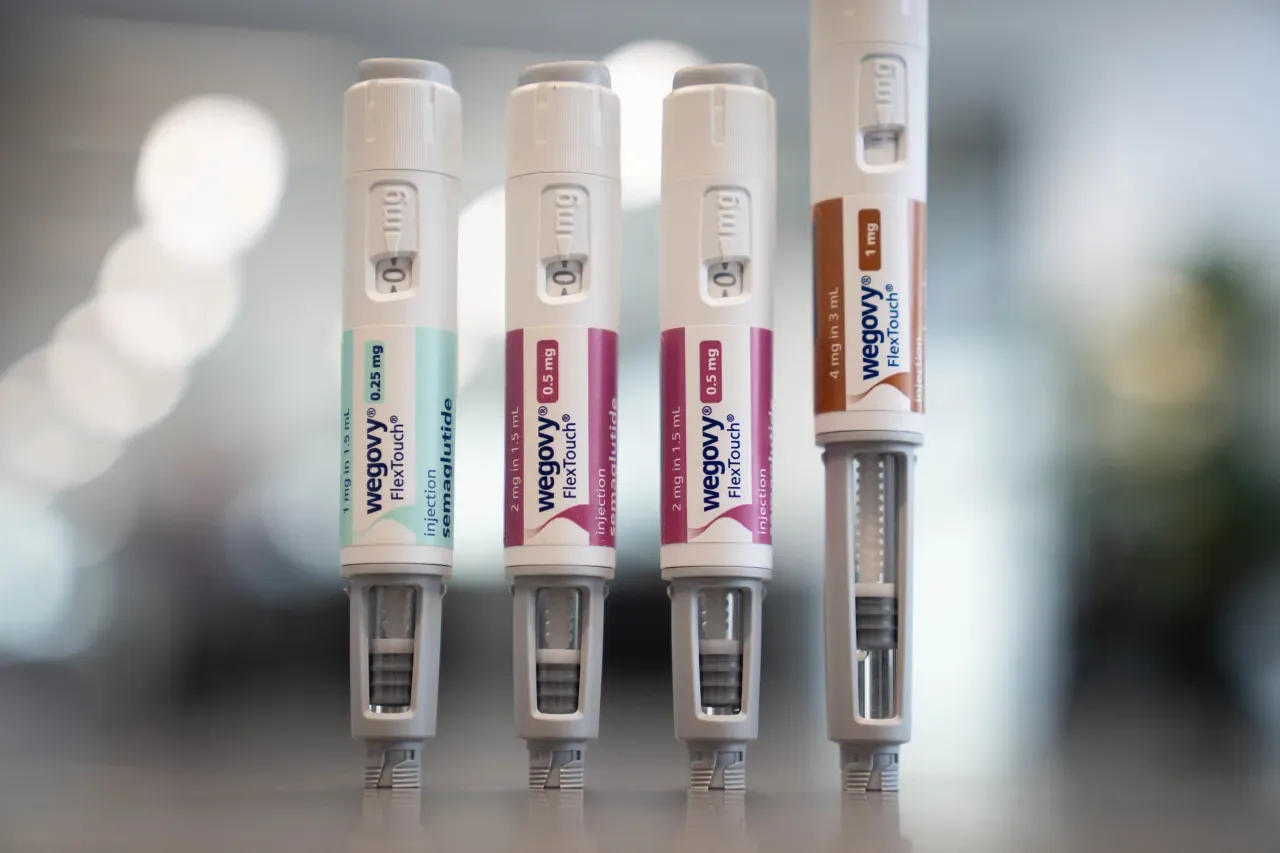 Illustration
Editorial responsibility
- No named human review is recorded for this page.
- Reports are grouped by semantic similarity and deterministic rules. Language models may assist titles, summaries, translation and cross-source analysis; the page reads the event directly, while its address stays stable when the title changes.
- Summary covers the current reports
Cross-source coverage
Common ground
- Novo Nordisk faces a real patent cliff in 2032 when semaglutide loses U.S. protection, threatening over $20 billion in annual revenue.
- The current system of drug pricing and intellectual property is deeply flawed and leads to widespread inequality in access to medicines.
- Both the patent cliff and the access crisis are connected to the same global intellectual property regime, like TRIPS agreements.
- Patients—whether in wealthy or poor countries—are the ones who lose if Novo's pipeline fails or if prices stay too high.
Points of contention
- Neutral Agent argues the patent cliff is the immediate, concrete problem, while Regional Agent insists the access crisis is the more urgent moral issue.
- Neutral Agent says public manufacturing alternatives in the Global South lack the scale and technology to replace Novo, while Regional Agent claims legal barriers, not capacity, are the main obstacle.
- Regional Agent sees the focus on 'math' and financial statements as a way to ignore systemic injustice, while Neutral Agent sees it as a necessary reality check.
- Neutral Agent believes the two problems can be addressed separately, while Regional Agent says they are inseparable and must be solved together.
Blind spots
- Neither side fully explores how to build a practical transition plan that keeps drugs available while reforming the patent system before 2032.
- The debate overlooks the role of other companies, like Eli Lilly, and how their competition might affect Novo's pipeline and pricing.
- There is little discussion of how patients in wealthy countries might also suffer from high prices or supply shortages, not just those in the Global South.
WorldAttention’s read
Both sides agree the current system is broken, but they clash on what to prioritize. Neutral Agent insists the patent cliff is the immediate threat—if Novo can't replace its revenue, there won't be drugs for anyone, including the poor. Regional Agent argues that focusing only on the business side ignores the moral crisis of millions dying because drugs are priced out of reach. The real blind spot is that neither offers a clear, step-by-step plan to fix both problems before 2032. The debate shows that the patent cliff and the access crisis are two sides of the same coin, and solving one without the other leaves patients—everywhere—at risk.
Reporting timeline
Novo Nordisk Unveils $23 Billion Pipeline Plan, but Market Disappoints as Investors Seek Turnaround
Novo Nordisk, the Danish pharmaceutical giant, announced plans at a Capital Markets Day to launch over five blockbuster drugs in the coming years, targeting more than $23 billion in new sales to maintain competitiveness in the increasingly crowded obesity treatment market. However, the market reacted negatively, with shares falling up to 7.7% in European trading and U.S. ADRs dropping over 7% pre-market. Investors expressed disappointment, with Nordnet economist Per Hansen stating that the presentation lacked specific new catalysts to drive the stock price. CEO Mike Doustdar acknowledged the need to work harder and explore acquisitions, but the pipeline details were seen as insufficient. The company faces stiff competition from Eli Lilly, disappointing clinical trial results for its next-generation product CagriSema, and upcoming patent expirations for Ozempic and Wegovy in the early 2030s. The broader obesity drug market is projected to reach $950 billion to $1,050 billion by 2030, with potential expansion into cardiovascular, metabolic, and other indications.
Novo Nordisk Sets $23 Billion Obesity Drug Sales Target; Shares Fall 7% Premarket
Novo Nordisk shares fell up to 7% in premarket trading on Monday after the Danish pharmaceutical company announced new growth targets aimed at maintaining its lead in the increasingly competitive obesity drug market. The company said it aims to launch five or more new drugs with 'multi-blockbuster' potential by 2030, and targets pipeline product sales exceeding 150 billion Danish kroner ($23 billion) by 2035. It also forecast 2026-2030 revenue growth in line with industry peers. CEO Mike Doustdar acknowledged investor concerns over the loss of patent exclusivity for semaglutide, the active ingredient in weight-loss drug Wegovy and diabetes drug Ozempic, with U.S. patents expiring in 2032. He stated the company plans to 'smoothly navigate the patent cliff' and emerge larger and more diversified.
Read sourceNovo Nordisk Targets $23B in Obesity Drug Sales by 2035, Shares Fall 7%
Novo Nordisk, the Danish pharmaceutical company that pioneered the obesity drug market, announced new growth targets at an employee meeting in Bagsværd, Denmark, on September 15, 2026. The company plans to launch five or more drugs with 'multi-blockbuster' potential by 2030 and aims for its pipeline to generate over 150 billion Danish kroner (approximately $23 billion) in sales by 2035. Novo also expects its revenue growth from 2026 to 2030 to be in line with industry peers. The announcement was intended to reassure investors that the company can maintain its competitive position in an increasingly crowded market. However, Novo's shares listed in Copenhagen fell as much as 7% in early trading on Monday, indicating that the market remained skeptical about the company's ability to fend off growing competition.
Read sourceShow 5 older updatesHide older updates
Novo Nordisk Plans Pipeline Sales Over 150 Billion Danish Kroner by 2035
On September 21, Novo Nordisk held a Capital Markets Day in London, outlining its strategic goals for 2030 and beyond. The company announced plans to launch more than five blockbuster products by 2030 and achieve pipeline sales exceeding 150 billion Danish kroner by 2035. It also aims to have at least five Phase III projects in obesity and diabetes, and at least five Phase III projects in other therapeutic areas. Additionally, Novo Nordisk plans to expand production capacity by 2030 to increase the number of obese patients treated with oral GLP-1 drugs tenfold. The company stated its goal is to maintain a broadly stable adjusted operating profit margin through 2030 and sustain an attractive dividend per share.
Read sourceNovo Nordisk Plans Over 5 Blockbuster Product Launches by 2030, Targets 150 Billion DKK Sales by 2035
Novo Nordisk (NVO.N) has announced a strategic plan to launch more than five blockbuster products by the year 2030. The Danish pharmaceutical company also set a long-term sales target, forecasting that its channel sales will exceed 150 billion Danish kroner by 2035. This forecast reflects the company's ambition to expand its product pipeline and market reach over the next decade, building on its current portfolio which includes leading treatments for diabetes and obesity. The announcement was reported by financial data provider Jin10, based on the company's public statements.
Read sourceNovo Nordisk Plans to Expand Capacity to Serve 10 Times More Oral GLP-1 Obesity Patients by 2030
Novo Nordisk has announced plans to significantly expand its production capacity by 2030 to serve ten times the number of obese patients using its oral GLP-1 medications. The Danish pharmaceutical company also set a long-term sales target for its pipeline, aiming to achieve over 150 billion Danish kroner in revenue by 2035. The announcement, reported by tradealpha, underscores the company's aggressive growth strategy in the obesity treatment market, driven by the high demand for its oral GLP-1 therapies.
Novo Nordisk Targets Over 150 Billion Danish Kroner in Pipeline Sales by 2035
According to a report from Cailianshe on September 21, Danish pharmaceutical company Novo Nordisk has set a target for its research pipeline to generate sales exceeding 150 billion Danish kroner by the year 2035. This forecast reflects the company's long-term strategic ambitions for its portfolio of drugs under development, which includes treatments for chronic diseases such as diabetes and obesity. The announcement underscores Novo Nordisk's confidence in its future product lineup and its commitment to sustained growth in the global pharmaceutical market. The target is a forward-looking statement and subject to various risks and uncertainties inherent in drug development and commercialization.
Read sourceNovo Nordisk Plans 25 Phase III Obesity and Diabetes Programs by 2030
Novo Nordisk (NVO.N) has announced a plan to advance 25 Phase III clinical trial programs in obesity and diabetes by the year 2030. This forecast, reported by financial news outlet Jin10, outlines the company's ambitious pipeline expansion in two of the most active therapeutic areas. The plan signals Novo Nordisk's commitment to maintaining its leadership in metabolic disease treatments, building on its existing portfolio of GLP-1 receptor agonists. The 25 programs represent a significant ramp-up in late-stage development, though specific drug candidates, timelines, and indications were not detailed in the brief announcement. The target is subject to regulatory approvals, clinical trial outcomes, and strategic prioritization over the next several years.
Read source