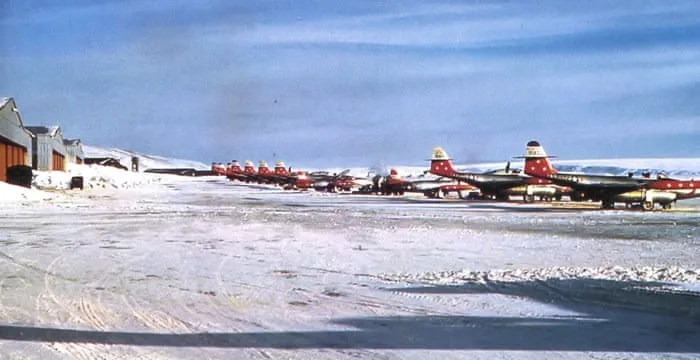
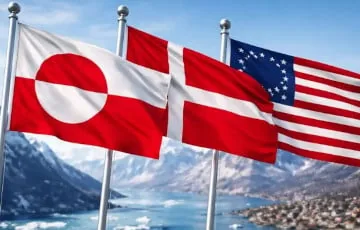
On September 22, 2026, the United States, Denmark, and Greenland signed a trilateral security agreement in New York, amending the 1951 Defense of Greenland Agreement. The deal expands US military access, authorizing new defense areas at Narsarsuaq and Mestersvig and allowing submerged submarine transit. It bars non-NATO countries from investing in sensitive sectors and commits a future independent Greenland to remain in NATO. The agreement emerged from a crisis involving US acquisition talk and tariff threats in early 2026.
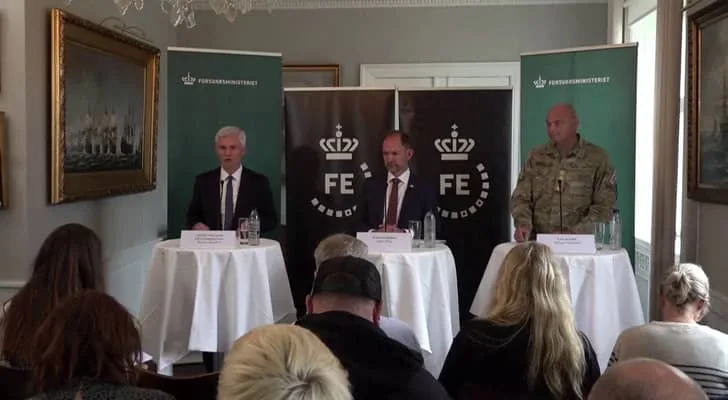
Denmark’s Defense Intelligence Service (DDIS) has warned that Russia is expected to intensify hybrid warfare operations in the coming months, including sabotage, cyberattacks, and disinformation. A nine-page assessment states that while the overall risk remains low, the likelihood of a limited military attack against one or several NATO countries is increasing. The warning follows Germany’s accusation of a Russian drone attack on Leipzig/Halle Airport. European nations are struggling to formulate a unified response.
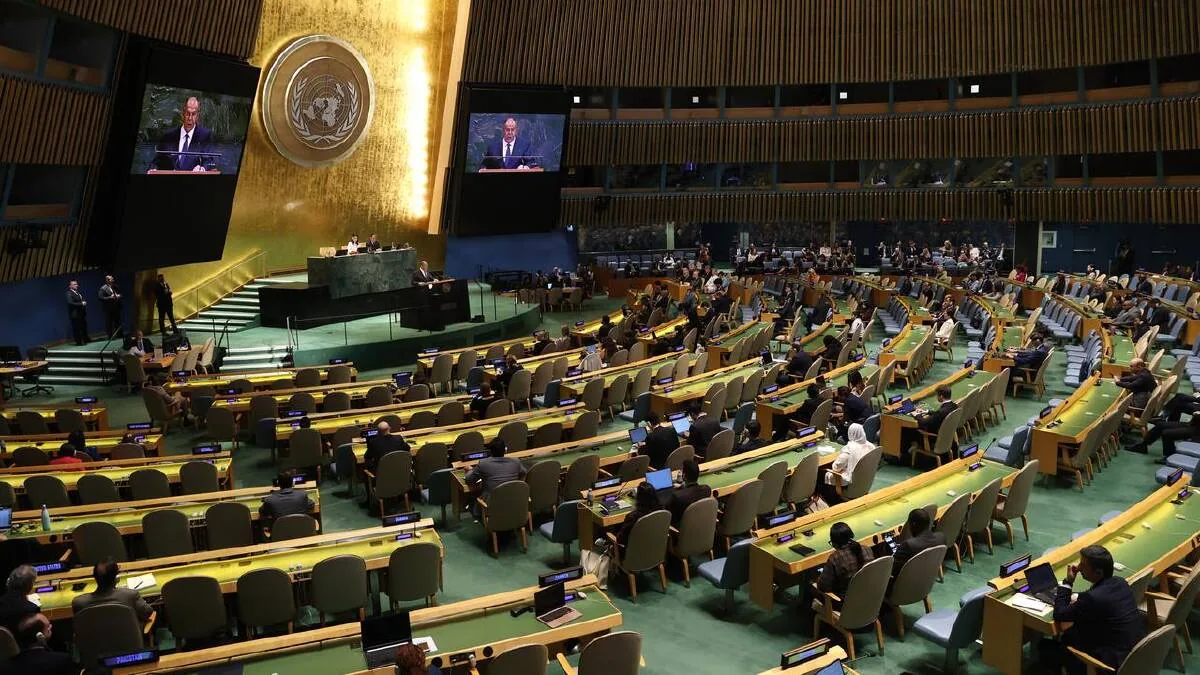
The United States, Denmark, and Greenland signed a security agreement on September 22-23, 2026, at the UN General Assembly in New York, amending the 1951 defense pact. The deal allows the US to build two new military bases at Narsarsuaq and Mestersvig, modernize Pituffik Space Base, and bars non-NATO nations from establishing military installations or making sensitive investments in Greenland. The agreement reaffirms Danish sovereignty and Greenland's self-determination rights.
Polish Deputy Prime Minister Krzysztof Gawkowski stated that a fire at a Starlink satellite station in Wola Krobowska, central Poland, was a deliberate act of sabotage designed to disrupt internet access for the Ukrainian army. The station, owned by state telecom Exatel, remains operational. Gawkowski said the incident fits a pattern of hybrid warfare. The Kremlin has not commented. Separately, Denmark’s intelligence service warned of a low but growing risk of a limited Russian military attack against NATO countries.
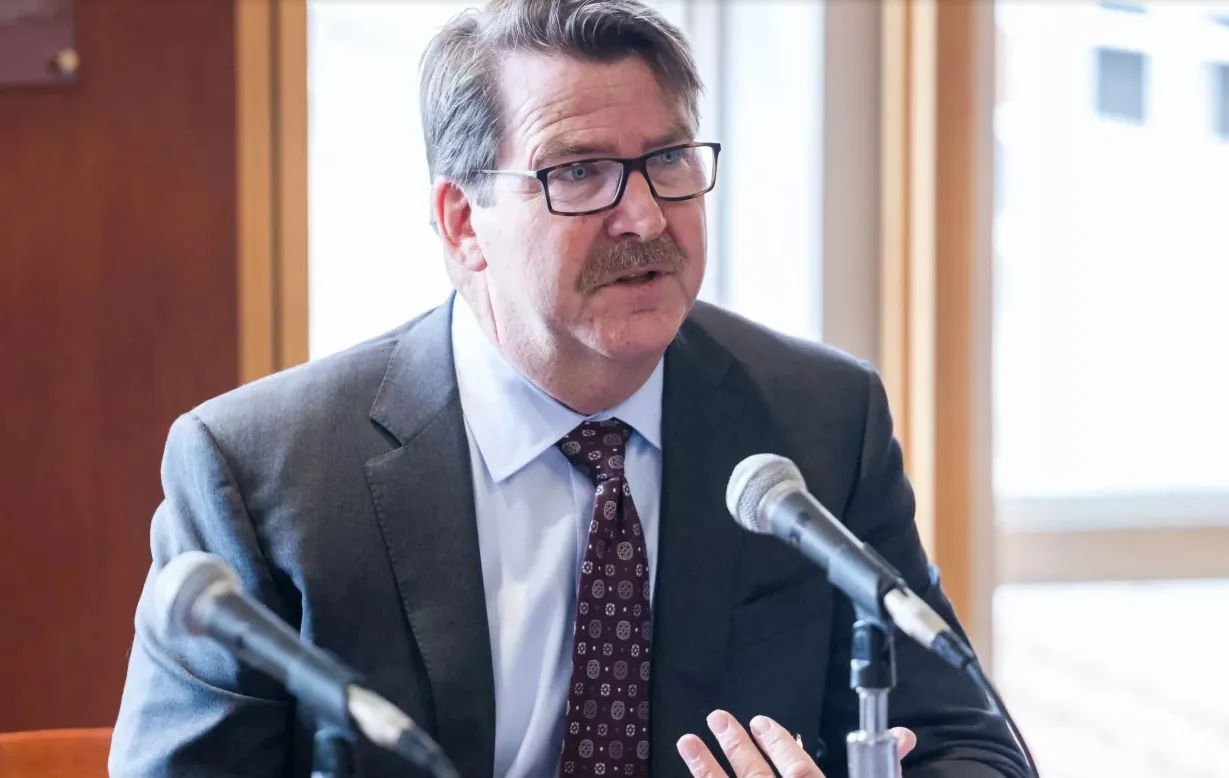
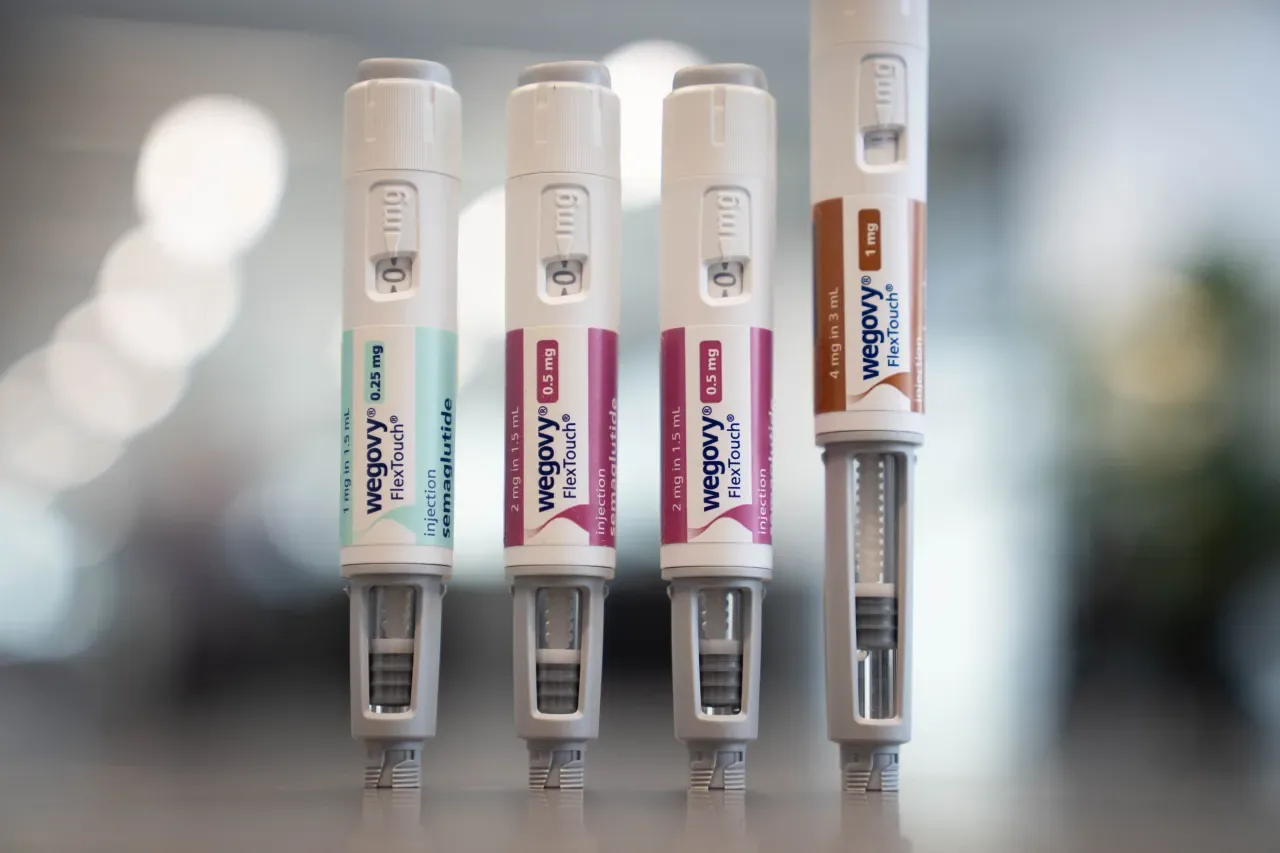
On September 21, 2026, Novo Nordisk held its Capital Markets Day in London, unveiling a 2030 strategy to launch over five blockbuster drugs and achieve over $23 billion in pipeline sales by 2035. The market reacted sharply, with shares falling up to 8% in US and European trading, as investors were disappointed by the lack of short-term catalysts and the company's projection of 2026-2030 revenue growth in line with industry peers. CEO Mike Doustdar acknowledged the looming patent cliff for semaglutide in 2032 and the need to rebuild investor trust. The company also disclosed 13,000 job cuts from restructuring.
The United States, Denmark, and Greenland have signed a military pact allowing the US to reopen Cold War-era bases at Narsarsuaq and Mestersvig, expanding its Arctic presence. The agreement, struck at the UN General Assembly, ends anxiety over President Trump's previous annexation threats but leaves many Greenlanders distrustful. The deal places Arctic security under NATO oversight and requires US activity to respect Greenlandic traditions.
The United States, Denmark, and Greenland signed a security agreement in New York on September 22, updating the 1951 Greenland Defense Agreement. The pact allows the US to establish new military bases in Greenland without prior Danish consent, granting permanent access and overflight rights. US President Donald Trump claimed the deal gives America "permanent control" over Greenland's security, while Danish and Greenlandic officials emphasized it respects sovereignty and self-determination. The agreement does not transfer territory. Greenland-linked stocks surged following the announcement.
The United States, Denmark, and Greenland have reached a security agreement granting the US permanent control over Greenland's security, with plans to sign it at the UN General Assembly. US President Donald Trump claims the deal bars adversaries from military presence or sensitive investments without US approval. Denmark and Greenland emphasize the agreement respects Danish sovereignty and Greenlandic self-determination. NATO welcomed the deal as advancing Arctic stability. Key details, including differences from the 1951 defense agreement, remain undisclosed.
56 reports · 14 sources · Updated
Illustration
Periodic recap
What changed for this subject in each tracking window — generated from matched events, delta-first.
· 2 events in window
Denmark's Defence Intelligence Service issued an assessment warning that Russia could launch a limited military strike against a NATO member within months, while escalating hybrid warfare operations. The warning coincides with a deliberate sabotage of a Starlink station in Poland, reportedly aimed at disrupting internet access for the Ukrainian military. European officials see no imminent conventional attack, but concerns over sabotage activities are rising.
Denmark's DDIS warned that Russia could launch a limited military strike against a NATO country within months to disrupt Western support for Ukraine.
The intelligence service also assessed that Russia is escalating hybrid warfare, including cyberattacks, disinformation, and sabotage.
Poland's deputy PM stated that a fire at a central Starlink station was deliberate sabotage aimed at disrupting internet access for the Ukrainian army.
Earlier recaps
· 2 events in window
Denmark's developments this period centered on the Greenland security agreement. The US, Denmark, and Greenland signed an Arctic security pact in New York on September 22, with Trump claiming permanent US control over Greenland's security, while the Danish PM emphasized the deal recognizes Danish sovereignty and Greenlandic self-determination. Separate reports revealed US plans to reopen a Cold War-era base in southern Greenland and establish a new military presence on the east coast under the agreement, with Arctic security placed under NATO oversight.
· 2 events in window
Denmark's activity picked up slightly this period with two substantive developments. Novo Nordisk outlined strategic goals at its London Capital Markets Day, planning multiple blockbuster launches and significant production expansion. Separately, the US, Denmark, and Greenland reached a security agreement granting the US permanent control over Greenland's security, triggering a surge in Greenland-linked stocks and concerns from local residents.
· 2 events in window
Denmark saw only two developments in this period, with activity remaining low. Prime Minister Frederiksen expressed optimism about resolving Greenland-related issues diplomatically with the US, noting that a high-level working group is still in progress. A separate defense-related event was reported by multiple sources but lacked disclosed details. The overall situation continued the previous pattern of low activity.
· 1 event in window
Denmark’s DALO awarded Rheinmetall a contract to supply MASS decoy launcher systems for five frigates, enhancing the fleet’s defensive capabilities. The agreement includes training and a 20-year framework for ammunition and maintenance, reflecting the Royal Danish Navy’s ongoing modernization. Activity remained low, with this being the only development in the period.
· 1 event in window
Denmark-related activity remained low in this period, with only one indirectly linked event. The European Union launched a €5-10 billion call for tenders to build seven AI gigafactories across member states, with Denmark among the 18 countries that have expressed interest. No other developments involving Denmark directly or domestically were reported.
Tracked events
Events matched to this subject by the tracking pipeline, with signal scores.
 Reference image