Novo Nordisk faces US lawsuits alleging GLP-1 drugs caused vision loss; shares down 70%
Dozens of US patients have filed lawsuits against Novo Nordisk and Eli Lilly, alleging their GLP-1 drugs semaglutide and tirzepatide caused non-arteritic anterior ischemic optic neuropathy (NAION), a rare condition that can lead to blindness. Over 90 lawsuits have been filed in New Jersey state court, with cases consolidated into multidistrict litigation MDL 3163 in Pennsylvania federal court. The European Medicines Agency classified NAION as a "very rare" side effect of semaglutide in June 2025. Novo Nordisk denies a causal link, citing its own trial data.
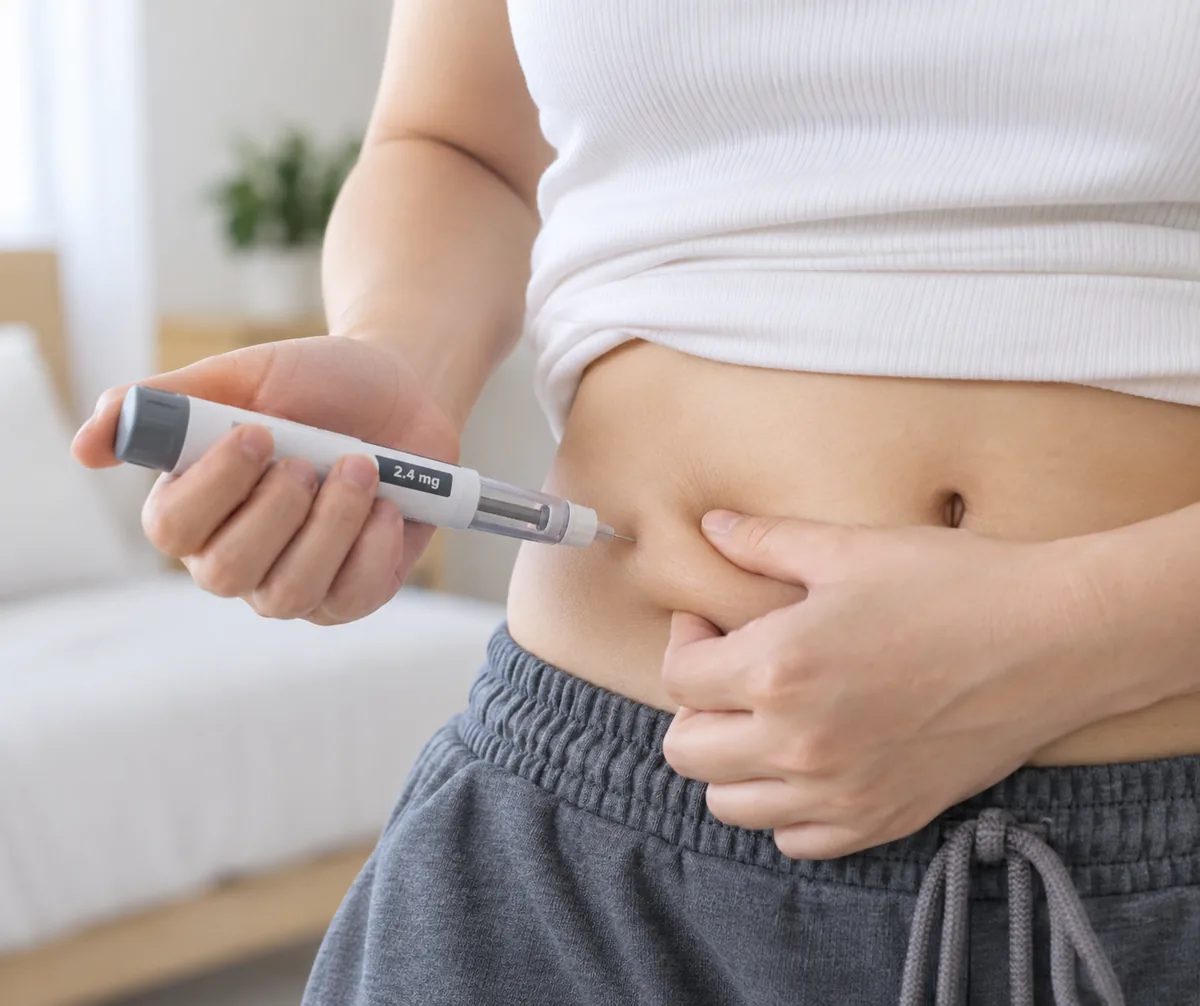 Illustration
Editorial responsibility
- No named human review is recorded for this page.
- Reports are grouped by semantic similarity and deterministic rules. Language models may assist titles, summaries, translation and cross-source analysis; the page reads the event directly, while its address stays stable when the title changes.
- Summary covers the current reports
Cross-source coverage
Common ground
- Both sides agree that patient safety and informed consent are important, and that the cases of vision loss like Michelle Fennell's are real tragedies.
- There is agreement that the Danish no-fault system approved 4 out of 5 initial claims, though they interpret this differently.
- Both acknowledge that GLP-1 drugs like semaglutide have significant benefits for weight loss and cardiovascular health for most patients.
Points of contention
- The Neutral Agent argues the evidence for a causal link between GLP-1 drugs and NAION is weak, based on one observational study and no imbalance in randomized trials, while the Regional Agent says the Danish approvals and monitoring flags show a real pattern of harm.
- The Neutral Agent believes the 70% stock drop is driven by patent cliffs and competition, not patient safety, while the Regional Agent sees it as reflecting genuine liability risk from lawsuits.
- The Regional Agent claims the Global South has inadequate warnings and a double standard in safety, while the Neutral Agent says this is a separate issue from the US and EU lawsuits.
Blind spots
- Both sides overlook the possibility that the true risk of NAION might be higher than reported due to underreporting in all regions, not just the Global South.
- Neither fully addresses how the drug's use for weight loss in non-diabetic patients changes the risk-benefit calculation, since those patients have a lower baseline risk of NAION.
- The debate misses the role of social media and direct-to-consumer advertising in shaping patient expectations and the informed consent process.
WorldAttention’s read
This debate highlights a fundamental tension between statistical evidence and individual patient harm. The Neutral Agent makes a strong case that the current data does not prove GLP-1 drugs cause NAION, and that the benefits for most patients outweigh a tiny risk. The Regional Agent rightly emphasizes that for those who lose their sight, statistics offer no comfort, and that corporate accountability and informed consent—especially in less regulated markets—are serious concerns. The truth likely lies in the middle: the risk is real but very small, and the lawsuits may have some merit, but the market panic and media frenzy risk scaring patients away from life-changing medications. Moving forward, the focus should be on better post-market surveillance, clearer warnings for all patients regardless of where they live, and honest communication about both the benefits and the uncertainties.
Reporting timeline
Novo Nordisk faces US lawsuits over vision damage from weight-loss drugs, shares down 70%
Danish pharmaceutical giant Novo Nordisk is facing multiple legal and operational challenges. Dozens of US patients have filed lawsuits alleging that the company's semaglutide-based drugs (Ozempic, Wegovy, Rybelsus) caused non-arteritic anterior ischemic optic neuropathy (NAION), a condition leading to vision impairment. Patients report symptoms such as blurred vision and seeing spots. The cases are being consolidated in US federal court. Separately, Denmark's patient compensation body has received 88 related claims, with 27 approved. The European Medicines Agency has classified NAION as a 'very rare' side effect of semaglutide, while the FDA is still investigating. Novo Nordisk denies a causal link, citing its own trial data. The company also faces patent expirations starting in 2026 and intensifying competition from Eli Lilly's tirzepatide. At a September 21 capital markets day, Novo Nordisk outlined a 2030 strategy but saw its shares fall nearly 8%, bringing the decline from a June 2024 peak to over 70%, with $440 billion in market value erased.
Read sourceNovo Nordisk faces US lawsuits over vision loss claims; shares down 70% from peak
Novo Nordisk, the pharmaceutical giant behind the blockbuster weight-loss and diabetes drugs Ozempic, Wegovy, and Rybelsus, is facing dozens of US patient lawsuits alleging that the drugs' active ingredient, semaglutide, caused severe vision damage, specifically non-arteritic anterior ischemic optic neuropathy (NAION). The cases are being consolidated in US federal court. Prior to the US litigation, 88 similar compensation claims were filed in Denmark, with 27 already approved. In June 2025, the European Medicines Agency classified NAION as a 'very rare' side effect of semaglutide, citing studies showing roughly double the risk in users. The World Health Organization also issued a safety alert. Novo Nordisk denies a causal link, citing its own trial data. Separately, the company faces significant business pressures: semaglutide patents are expiring in key markets starting in 2026, and competitor Eli Lilly's Zepbound has captured 71% of new US weight-loss prescriptions. At a September 21 capital markets day, Novo Nordisk outlined a 2030 strategy to launch five potential blockbuster drugs, but its stock fell nearly 8% that day. The company's market capitalization has dropped over 70% from its June 2024 high, losing $440 billion to stand at $175.8 billion.
US Lawsuits Target Novo Nordisk, Eli Lilly Over GLP-1 Drug Eye Safety Risk
A wave of lawsuits in the United States has brought renewed industry attention to the safety of GLP-1 drugs. According to foreign media reports, since 2025, a law firm has filed over 90 lawsuits on behalf of patients in the New Jersey State Court against Novo Nordisk, the manufacturer of the blockbuster GLP-1 drug semaglutide. The plaintiffs allege that after using the diabetes version of semaglutide, they were diagnosed with non-arteritic anterior ischemic optic neuropathy (NAION), a rare eye condition that can cause sudden and permanent vision loss. The report also notes that Eli Lilly's GLP-1 drug tirzepatide faces similar lawsuits from patients regarding NAION risk. The reporter contacted Novo Nordisk and Eli Lilly for comment but had not received an official response by the time of publication.
Read sourceShow 2 older updatesHide older updates
Novo Nordisk, Eli Lilly face US lawsuits over GLP-1 drugs linked to rare eye condition NAION
A growing number of US patients are suing Novo Nordisk and Eli Lilly, alleging that their GLP-1 weight-loss drugs (semaglutide and tirzepatide) caused non-arteritic anterior ischemic optic neuropathy (NAION), a rare condition that can lead to blindness. Over 90 lawsuits against Novo Nordisk have been filed in New Jersey, and a multi-district litigation (MDL 3163) has been consolidated in Pennsylvania federal court. The European Medicines Agency classifies the risk as extremely rare (up to 1 in 10,000 patients), while some studies suggest a doubled risk in diabetic patients. Denmark's no-fault compensation scheme has awarded about 880,000 Danish kroner to four patients. Novo Nordisk calls the lawsuits baseless, citing a randomized trial showing no increased risk. Analysts warn that the litigation could shift the GLP-1 market from rapid growth to a more rational trajectory, potentially affecting sales and valuations.
Read sourceLawsuits Claim GLP-1 Weight Loss Drugs May Cause Blindness; Novo Nordisk, Eli Lilly Sued
A U.S. law firm has filed over 90 lawsuits in New Jersey state court since 2025 against Novo Nordisk and Eli Lilly, alleging that their GLP-1 drugs semaglutide and tirzepatide can cause non-arteritic anterior ischemic optic neuropathy (NAION), a condition that may lead to blindness. The lawsuits target the manufacturers of the popular weight-loss and diabetes medications. Novo Nordisk called the claims 'without merit' and said it is defending vigorously. Eli Lilly stated it will continue reviewing data, including ophthalmology data. The article notes that product labels already list numerous side effects, including thyroid C-cell tumor warnings. In February 2026, the UK's MHRA updated semaglutide product information to note 'very rare' NAION cases. A medical professional quoted in the report emphasized that these are prescription drugs requiring professional guidance, and that awareness of side effects should promote rational use rather than fear.
Read source