Yen nears 160 per dollar, reigniting Japanese intervention risk after two-week slide
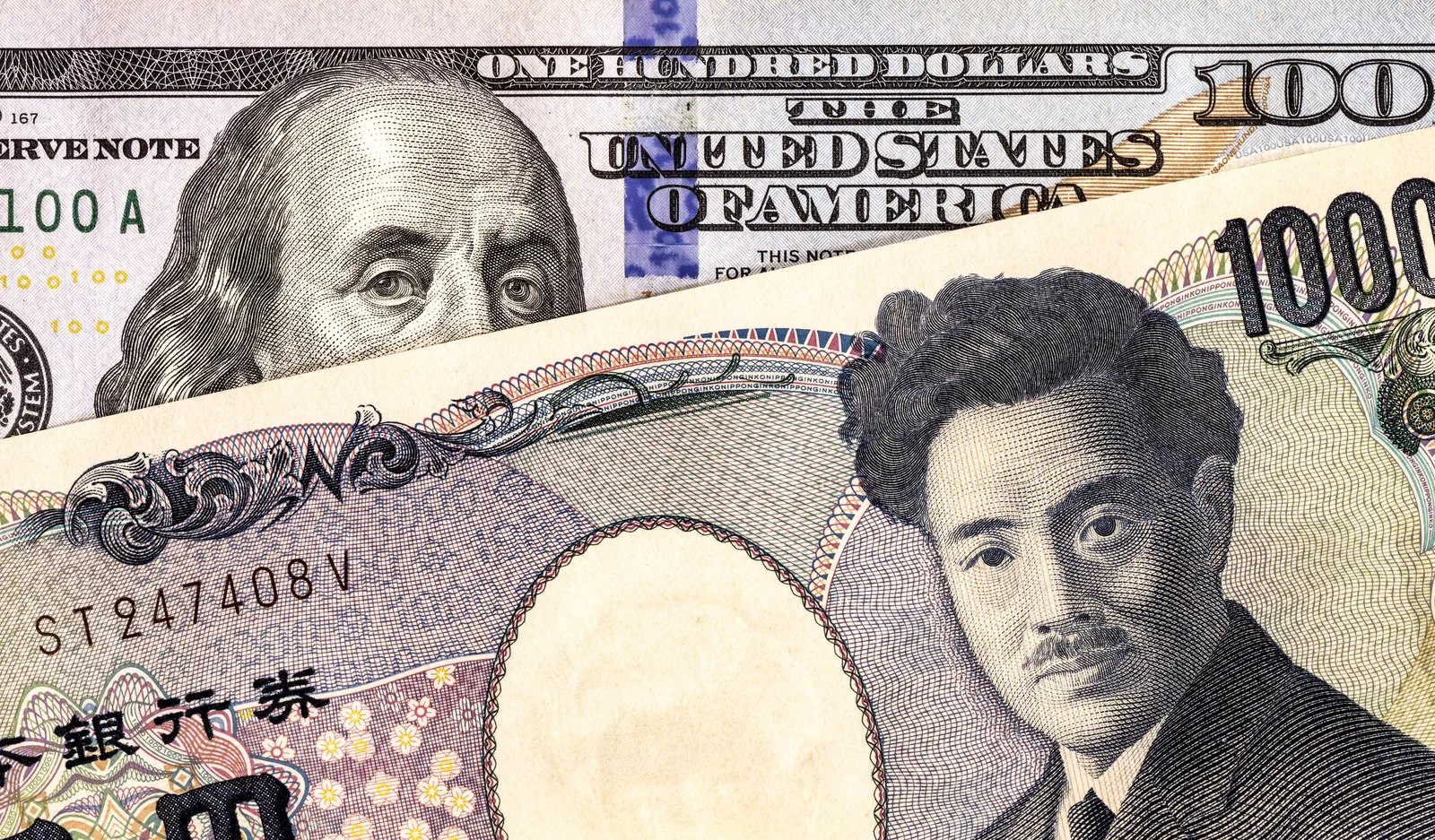
The Japanese yen has weakened for two consecutive weeks, approaching the 160 per dollar level as Japan’s holiday ends. The USD/JPY pair traded around 157.85 on Thursday. Strategists view 160 as a key test of Japan’s tolerance for yen weakness after the Bank of Japan’s September rate hike failed to stem the decline. Commonwealth Bank of Australia strategist Carol Kong warns a rapid breach above 160 would significantly raise the likelihood of official intervention, especially given recent reports of BOJ “rate checks.” Analysts are divided on whether intervention threats will deter a break, with U.S. Treasury Secretary Scott Bessent’s support for a stronger yen seen as a key variable.
 Illustration
Editorial responsibility
- No named human review is recorded for this page.
- Reports are grouped by semantic similarity and deterministic rules. Language models may assist titles, summaries, translation and cross-source analysis; the page reads the event directly, while its address stays stable when the title changes.
- Summary covers the current reports
Cross-source coverage
Common ground
- All sides agree that ordinary Japanese households are suffering from rising import costs due to the weak yen.
- There is agreement that the US Federal Reserve's aggressive rate hikes created significant external pressure on the yen.
- All participants acknowledge that Japan's 260% debt-to-GDP ratio is a major constraint on policy options.
- There is consensus that Japan's domestic policy choices, including the BOJ's delay in normalizing rates, played a role in the crisis.
Points of contention
- Neutral Agent argues Japan's crisis is primarily due to its own policy failures, while Regional and Eastern Agents blame US dollar hegemony and historical pressure.
- Regional and Eastern Agents see Japan as a victim of a rigged global system, while Neutral Agent insists Japan had agency and chose the weak yen for export benefits.
- They disagree on whether the Plaza Accord legacy is a key cause or a tired excuse for Japan's current problems.
- Neutral Agent believes Japan could fix its issues by raising rates and cutting spending, while others argue security ties to the US make true independence impossible.
Blind spots
- The debate overlooks the role of other Asian economies, like South Korea and Singapore, which managed similar pressures differently.
- There is little discussion of concrete alternatives, such as capital controls or regional swap agreements, that Japan could pursue now.
- The human cost is mentioned but not deeply explored—like how specific communities or small businesses are coping day-to-day.
- The impact of Japan's demographic crisis on its long-term economic resilience is barely touched on.
WorldAttention’s read
This debate shows that Japan's yen crisis is a mix of external pressure from US monetary policy and internal choices by Japanese policymakers. The US Fed's rate hikes created a shockwave, but Japan's BOJ delayed raising rates for two years, prioritizing cheap debt and export profits over protecting households. All sides agree ordinary people are hurting from higher import costs, but they disagree on who's most to blame. Neutral Agent points to Japan's own fiscal trap and policy failures, while Regional and Eastern Agents highlight dollar hegemony and historical US pressure, like the Plaza Accord. A key blind spot is that Japan's security alliance with the US limits its financial independence, making it hard to break from the dollar system. The real solution may require Japan to build regional alternatives, like Asian monetary cooperation, but that would mean challenging Washington—a step its leaders have so far avoided. In the end, this is a shared tragedy: the US created the storm, and Japan chose not to build a seawall, leaving its people to bear the cost.
Reporting timeline
Yen's Decline Reignites Intervention Risk as USD/JPY Nears 160
According to a report by Xinhua Finance citing foreign media, the risk of Japanese intervention in the foreign exchange market has resurfaced as the yen resumes its decline following a Japanese holiday. The dollar-yen exchange rate is approaching the closely watched 160 level after two weeks of yen depreciation. Strategists view the 160 threshold as a key test of Japan's tolerance for yen weakness, especially after the Bank of Japan's September rate hike failed to stem the currency's slide. Carol Kong, a foreign exchange strategist at Commonwealth Bank of Australia (CBA), stated that if U.S. Treasury yields continue to rise and markets keep testing Japan's resolve to defend the yen, the dollar-yen pair could soon break above 160. She added that a rapid breach of this level would significantly increase the likelihood of official action, particularly given recent reports of the Bank of Japan conducting 'rate checks.'
Read sourceYen Intervention Risk Returns as USD/JPY Nears 160, US Stance Key
The risk of Japanese yen intervention has resurfaced as the currency slides for two weeks, approaching the closely watched 160 per dollar level. On Thursday, the yen edged up 0.3% to about 157.85, but failed to reverse recent losses. Strategists view 160 as a test of Japan's tolerance for yen weakness, especially after the Bank of Japan's September 18 policy meeting failed to stem the decline. Commonwealth Bank of Australia strategist Carol Kong warns that a rapid break above 160 would significantly raise the likelihood of official action, citing recent exchange rate checks and coordinated intervention precedents. The dollar is supported by rising US Treasury yields, strong economic data, and persistent inflation concerns, fueling expectations of more hawkish Fed policy. Ebury's Matthew Ryan argues that without a stronger monetary policy response, Japan will struggle to curb yen selling. Some analysts, like NAB's Ray Attrill, believe the intervention threat itself may deter a break above 160. The durability of any intervention depends on US involvement, as US Treasury Secretary Scott Bessent has signaled support for a stronger yen. Attrill notes that Bessent's credibility would be tested if USD/JPY returns to 160, and US support may hinge on Japan raising rates faster. Meanwhile, UBS strategists note that speculative yen short positions have been cleared, creating room for new shorts due to favorable carry trade conditions and wide US-Japan yield differentials.
Read sourceYen Falls for Second Week, Nears 160 Level, Raising Intervention Risk
The Japanese yen has fallen for two consecutive weeks, approaching the psychologically important 160 level against the US dollar, reigniting the risk of foreign exchange intervention by Japanese authorities. As Japan returns from a holiday, strategists are closely watching the 160 threshold as a test of Tokyo's tolerance for yen depreciation. The yen's weakness has persisted since the Bank of Japan's September 18 policy meeting, despite the central bank's accelerated tightening cycle, which revealed internal dissent among committee members. Meanwhile, the US appears to be moving toward a more hawkish policy path. Carol Kong, a currency strategist at Commonwealth Bank of Australia, stated that if US yields continue to rise and markets keep testing Japan's resolve to defend the yen, USD/JPY could soon break above 160. She added that a rapid breach of that level would substantially increase the likelihood of official intervention, especially given recent reports of yen rate checks by Japanese authorities and the precedent of coordinated intervention.
Read sourceShow 5 older updatesHide older updates
Yen Nears 160 Per Dollar Threshold, Raising Intervention Risk Again
The Japanese yen is approaching the closely watched 160 per US dollar level, reigniting the risk of official intervention by Japanese authorities. After a two-week decline, the yen traded around 157.85 on Thursday morning in Tokyo, a slight 0.3% gain that did little to reverse the previous four days of losses. Strategists note that the yen has weakened steadily since the Bank of Japan's policy meeting on September 18, despite the central bank accelerating its tightening cycle. Internal divisions within the BOJ and a more hawkish trajectory from the Federal Reserve are contributing to the pressure. Carol Kong, a currency strategist at Commonwealth Bank of Australia, stated that the dollar-yen pair could soon break above 160 if US Treasury yields continue to rise and markets keep testing Japan's resolve to defend its currency. She added that a rapid breach of that level would significantly increase the likelihood of official intervention, especially given recent reports of Japanese officials inquiring about exchange rates and the precedent of joint intervention.
Read sourceYen Intervention Risk Resurfaces as Dollar-Yen Nears 160 After Holiday
According to a report from TradeAlpha on September 24, yen intervention risk has returned to the forefront as Japanese markets reopen after a holiday. The dollar-yen exchange rate is approaching the closely watched 160 level following two weeks of yen depreciation. Strategists view the 160 threshold as a key test of Japan's tolerance for yen weakness, especially after the Bank of Japan's September rate hike failed to stem the decline. Carol Kong, a foreign exchange strategist at Commonwealth Bank of Australia (CBA), stated that if US Treasury yields continue to rise and markets keep testing Japan's resolve to defend the yen, dollar-yen could soon break above 160. She added that a rapid breach of this level would significantly increase the likelihood of official intervention, particularly given recent reports of the Bank of Japan conducting 'rate checks.'
Read sourceYen's Decline Reignites Intervention Risk as Dollar-Yen Nears 160 Threshold
According to market reports, yen intervention risk has returned to the spotlight as Japan resumes trading after a holiday. The dollar-yen pair is approaching the closely watched 160 level after two weeks of yen depreciation. Strategists view the 160 threshold as a key test of Japan's tolerance for yen weakness following the Bank of Japan's September rate hike. Carol Kong, a foreign exchange strategist at Commonwealth Bank of Australia, stated that if US Treasury yields continue to rise and markets keep testing Japan's resolve to defend the yen, dollar-yen could soon break above 160. She added that a rapid breach of this level would significantly increase the likelihood of official action, especially given recent reports of the Bank of Japan conducting 'rate checks'.
Yen's Decline Reignites Intervention Risk as Dollar-Yen Nears 160
According to a report by Jin10 citing foreign media, as Japan returns from a holiday, the risk of yen intervention has again become a market focus. After two consecutive weeks of yen depreciation, the dollar-yen exchange rate is approaching the closely watched 160 level. Strategists view the 160 threshold as a key test of Japan's tolerance for yen weakness following the Bank of Japan's September rate hike. Carol Kong, a foreign exchange strategist at Commonwealth Bank of Australia (CBA), stated that if US Treasury yields continue to rise and the market continues to test Japan's resolve to defend the yen, the dollar-yen could soon break above 160. She added that if the exchange rate rapidly breaches this level, the likelihood of official action would increase significantly, especially given recent reports of the Bank of Japan conducting 'rate checks.'
Read sourceYen Nears 160 Again: Intervention Risk Returns, US Stance Key Variable
The Japanese yen is approaching the 160 per dollar level again, reigniting intervention risks as Japan's holiday ends. The yen weakened for two weeks, trading around 157.85 on Thursday. Strategists are divided on whether the 160 threshold will be breached. Carol Kong of Commonwealth Bank of Australia warns that a rapid break above 160 would significantly raise the chance of official action, especially given recent reports of rate checks and coordinated intervention precedent. Matthew Ryan of Ebury Partners notes that without a stronger monetary policy response, Japan will struggle to curb yen selling. Ray Attrill of National Australia Bank expects intervention threats to prevent a break above 160. The effectiveness of intervention may depend on US support, as Treasury Secretary Scott Bessent has signaled backing for a stronger yen. Meanwhile, speculative yen short positions have been fully cleared, creating room for new short positions due to favorable carry trade conditions and large US-Japan interest rate differentials, according to UBS strategists.
Read source