Hubei issues computing power vouchers, expands subsidies to AI models and tokens
On September 21, 2024, the Hubei Provincial People's Government issued a policy package to stabilize economic growth in the third and fourth quarters. Key measures include issuing "computing power vouchers" with increased subsidy ratios, expanding coverage to AI models and tokens to lower computing costs for small enterprises and tech teams. The policy also supports green electricity direct connections, infrastructure construction, and logistics projects.
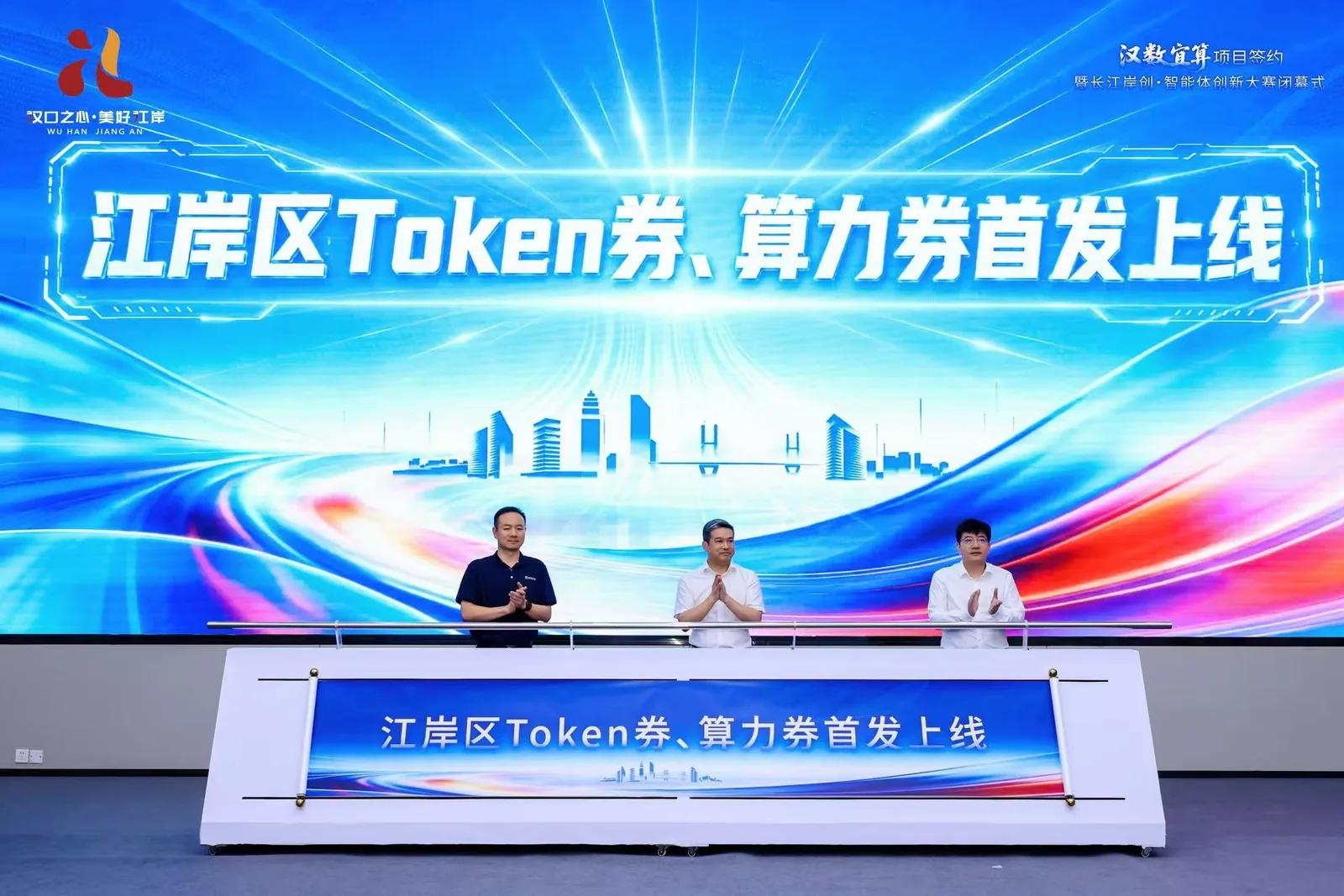 Reference image
Editorial responsibility
- No named human review is recorded for this page.
- Reports are grouped by semantic similarity and deterministic rules. Language models may assist titles, summaries, translation and cross-source analysis; the page reads the event directly, while its address stays stable when the title changes.
- Summary covers the current reports
Cross-source coverage
Reporting timeline
Hubei Issues Computing Power Vouchers, Raises Subsidies for AI Models and Tokens
The Hubei Provincial People's Government has issued a set of measures to stabilize and improve the economy for the third and fourth quarters of the year. Among the key initiatives is the issuance of 'computing power vouchers' with increased subsidy ratios. The policy expands the scope of subsidies to include services such as AI models and tokens (word elements), aiming to significantly lower the cost of accessing computing power for small and micro enterprises and technology innovation teams. Other measures include supporting the construction of 'six networks' infrastructure, encouraging public-private partnerships in urban underground pipeline networks, reforming state-owned water resources and water engineering assets to develop a modern green water economy, and supporting new loads and export-oriented enterprises in directly connecting to green electricity. Fiscal funds will also be allocated to support multimodal transport systems, urban-rural logistics, emergency supply chains, and supply chain innovation.
Read sourceHubei Province Issues 'Computing Power Vouchers', Expands Subsidies to AI Models and Tokens
The Hubei Provincial People's Government has issued a set of measures to stabilize and improve the economy for the third and fourth quarters of the year. Among the key initiatives is the issuance of 'computing power vouchers' (算力券) with increased subsidy ratios. The scope of subsidies has been expanded to include services such as AI models and tokens (词元), aiming to lower the barrier to computing power for small, medium, and micro enterprises as well as tech innovation teams. The measures also include supporting new loads and export-oriented enterprises in directly connecting to green electricity from nearby renewable energy sources, and allocating fiscal funds for logistics and supply chain projects. The policy is part of a broader effort to advance the construction of six major infrastructure networks.
Read sourceHubei Province Issues 'Computing Vouchers', Expands Subsidies to AI Models and Tokens
On September 21, the Hubei Provincial People's Government issued a set of measures aimed at stabilizing and improving the economy for the third and fourth quarters. The policy package includes a push to accelerate the construction of 'six networks' of infrastructure, establishing a project reserve bank and annual major project list, and allocating provincial budget funds to support major projects. It encourages local governments to explore integrated 'plant-network' and 'supply-drainage' management models, as well as特许经营 (franchise) models, to attract private investment in urban underground pipeline networks. The province also plans to deepen the assetization reform of state-owned water resources and water engineering to foster a modern green water economy. A key technology-focused measure is the issuance of 'computing vouchers' (算力券) with increased subsidy ratios, expanding the subsidy scope to include services such as AI models and tokens (词元). This is intended to lower the barrier to computing power for small, micro, and tech startup teams. Additionally, the policy supports new loads and export-oriented enterprises with green power demand to directly connect to nearby renewable energy sources.
Read sourceShow 2 older updatesHide older updates
Hubei Province Issues Computing Vouchers, Expands Subsidies to AI Models and Tokens
On September 21, the Hubei Provincial People's Government General Office issued a set of measures aimed at stabilizing economic growth in the third and fourth quarters. The measures include accelerating the construction of six major infrastructure networks, establishing a project reserve bank and annual major project list, and allocating provincial budget investment for preliminary work fees to support major projects. The province encourages exploration of integrated factory-network and supply-drainage management models, as well as franchising for urban underground pipeline networks. It also promotes reform of state-owned water resources and water engineering assets to develop a modern green water economy. Notably, Hubei will issue 'computing vouchers' (算力券) and increase subsidy ratios, expanding coverage to include AI models and tokens (词元) to lower computing costs for small and micro enterprises and tech startups. Additionally, new loads, export-oriented enterprises, and industrial parks with green electricity demand can use nearby renewable energy sources for direct green electricity connections.
Hubei Issues Computing Vouchers, Raises Subsidies for AI Models and Token Services
The Hubei provincial government has announced a new policy package to stabilize economic growth in the third and fourth quarters, which includes measures to boost the digital economy. According to a document issued by the Hubei Provincial People's Government on September 21, the province will issue 'computing vouchers' (suanli quan) and increase subsidy ratios, expanding the scope of subsidies to include services such as AI models and tokens. The policy aims to lower the threshold for small and micro enterprises and tech innovation teams to access computing power. Other measures include supporting green electricity direct connections for new loads and export-oriented enterprises, and allocating fiscal funds for multimodal transport, logistics, and supply chain projects.
Read source