Hong Kong stocks hit two-month low as Fed hawkishness, tech sell-off weigh
On September 25, Hong Kong's three major stock indices fell, with the Hang Seng Index dropping 1.17% to 24,470 points, its lowest in two months. The Hang Seng Tech Index fell 1.35%, and the Hang Seng China Enterprises Index dropped 1.38%. Tech and AI stocks like SenseTime, NetEase, and Horizon Robotics fell over 3%. The decline was driven by hawkish Federal Reserve remarks raising October rate hike expectations to nearly 71%, surging US Treasury yields (30-year at 5.5%), Middle East geopolitical tensions, and reduced liquidity from a Chinese holiday suspending southbound Stock Connect trading.
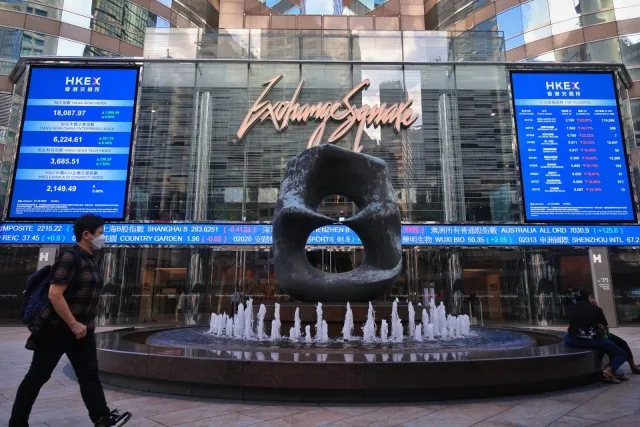 Reference image
Editorial responsibility
- No named human review is recorded for this page.
- Reports are grouped by semantic similarity and deterministic rules. Language models may assist titles, summaries, translation and cross-source analysis; the page reads the event directly, while its address stays stable when the title changes.
- Summary covers the current reports
Cross-source coverage
Common ground
- All agree that the Fed's hawkish stance and rising US Treasury yields are key triggers for the Hong Kong stock selloff.
- Everyone acknowledges that the Stock Connect holiday reduced liquidity and amplified the market decline.
- All participants see the Oracle force majeure as a significant event affecting AI sector sentiment.
- There is agreement that Hong Kong's tech stocks, including SenseTime and Horizon Robotics, are facing valuation pressures.
Points of contention
- Eastern and Regional agents argue the Fed's actions are deliberately weaponized to maintain dollar dominance, while the Neutral agent insists they are domestic policy responses with global side effects.
- Regional agent claims Western destabilization campaigns are a primary driver, but Neutral agent demands concrete data linking sanctions to this sell-off.
- Eastern agent views the sell-off as temporary consolidation in a multipolar shift, while Neutral agent sees it as an incomplete correction of overvalued stocks.
- Regional agent emphasizes the human cost and colonial legacy as central issues, while Eastern and Neutral agents focus more on macro or geopolitical narratives.
Blind spots
- All participants overlook the role of retail investor behavior and panic selling in amplifying the sell-off.
- The debate ignores how other Asian markets, like South Korea or Taiwan, are similarly affected by the same macro forces.
- No one discusses the potential impact of China's domestic regulatory changes on tech sector valuations.
- The long-term effects of AI commercialization delays on global supply chains are not explored.
WorldAttention’s read
The Hong Kong stock sell-off is driven by a mix of rising US interest rates, a technical liquidity gap from the Stock Connect holiday, and slowing AI infrastructure spending signaled by Oracle's force majeure. While Eastern and Regional agents see geopolitical intent behind US monetary policy, the Neutral agent argues it's a straightforward macro correction. The Regional agent highlights the human cost and colonial legacy, but all agree that Hong Kong's tech sector faces real valuation challenges. The debate shows that the market is caught between global financial pressures and local vulnerabilities, with no clear consensus on whether this is a temporary adjustment or a deeper structural shift.
Reporting timeline
Hong Kong Stocks Fall, Hang Seng Index Hits Two-Month Low on Fed Hawkishness
Hong Kong's three major stock indices fell on September 25, with the Hang Seng Index dropping 1.17% to 24,470 points, hitting a two-month low. The Hang Seng Tech Index fell 1.35%, and the Hang Seng China Enterprises Index dropped 1.38%. Technology and AI concept stocks, which had previously risen sharply, faced concentrated selling pressure. Key components including Weichai Power, NetEase, Li Auto, and SenseTime fell over 3%, while Lenovo Group and WuXi AppTec gained over 2%. The decline was attributed to hawkish comments from Federal Reserve officials, which raised market expectations for an October rate hike to nearly 71%, and a surge in US Treasury yields, with the 30-year yield hitting 5.5%, a 19-year high. Geopolitical tensions in the Middle East, including Houthi attacks on Saudi targets and uncertainty over Iran talks, added to market volatility, with oil prices fluctuating. Additionally, the absence of southbound Stock Connect trading due to a Chinese holiday reduced liquidity, amplifying the index decline.
Read sourceHong Kong stocks fall, Hang Seng Index hits two-month low on Fed hawkishness
Hong Kong's three major stock indices fell on September 25, with the Hang Seng Index dropping 1.17% to 24,470 points, hitting a two-month low. The Hang Seng Tech Index fell 1.35% and the Hang Seng China Enterprises Index lost 1.38%. Heavyweight tech and AI concept stocks faced concentrated selling, with stocks like SenseTime, NetEase, and Horizon Robotics falling over 3%. The decline was attributed to hawkish comments from Federal Reserve officials, which pushed market expectations for an October rate hike to nearly 71%, and a surge in US Treasury yields, with the 30-year yield hitting 5.5% (a 2004 high) and the 10-year yield reaching 5.22%. Geopolitical uncertainty in the Middle East, including Houthi attacks on Saudi targets and Iran-US negotiation rumors affecting oil prices, also weighed on sentiment. Additionally, the absence of southbound Stock Connect trading due to a Chinese holiday reduced liquidity, amplifying the index decline. The report notes this is news and not investment advice.
Read sourceHong Kong Stocks Fall to Two-Month Low on Fed Hawkishness, Geopolitical Risks
Hong Kong's three major stock indices weakened on September 25, with the Hang Seng Index falling 1.17% to 24,470 points, hitting a two-month low. The Hang Seng Tech Index dropped 1.35% and the Hang Seng China Enterprises Index fell 1.38%. Heavyweight tech and AI concept stocks faced concentrated selling pressure, with shares of SenseTime, Days Intelligence, Horizon Robotics, and NetEase each falling over 3%. The decline was attributed to hawkish comments from Federal Reserve officials, which raised market expectations for an October rate hike to nearly 71%, and a surge in US Treasury yields—the 30-year yield hit 5.5%, a 21-year high. Additionally, Middle East geopolitical tensions, including Houthi attacks on Saudi targets and uncertainty over Iran talks, caused oil price volatility and inflation concerns. The absence of southbound Stock Connect trading due to a Chinese holiday further reduced liquidity, amplifying the index decline. The article notes this is a news report and not investment advice.
Read sourceShow 2 older updatesHide older updates
Hong Kong stocks fall, Hang Seng Index hits two-month low on Fed hawkishness
Hong Kong's three major stock indices fell on September 25, with the Hang Seng Index dropping 1.17% to 24,470 points, hitting a two-month low. The Hang Seng Tech Index fell 1.35%, and the Hang Seng China Enterprises Index fell 1.38%. The decline was driven by a sell-off in high-valuation tech and AI stocks, including SenseTime, NetEase, and Horizon Robotics, which fell over 3%. The market's risk appetite weakened as Federal Reserve officials delivered hawkish remarks, raising market expectations for an October rate hike to nearly 71%. This pushed US Treasury yields higher, with the 30-year yield hitting 5.5%, a 21-year high. Additionally, geopolitical tensions in the Middle East, including Houthi attacks on Saudi targets and uncertainty over Iran talks, caused oil price volatility, with Brent crude fluctuating around $101 per barrel. The absence of southbound Stock Connect trading due to a Chinese holiday further reduced liquidity, amplifying the index decline. The article is a news report and does not constitute investment advice.
Read sourceHong Kong Tech Index Falls Over 2% as AI Stocks Slide on Oracle Force Majeure, Rate Fears
Hong Kong's Hang Seng Tech Index fell over 2% in morning trading on September 25, leading a broad decline across the three major Hong Kong indices. AI concept stocks and previously high-flying tech heavyweights were hit hardest, with SenseTime, SenseCore, Horizon Robotics, NetEase, and Xiaomi all dropping over 3%. The selloff was triggered by two key factors: Oracle's force majeure notice on a New Mexico data center project, which raised concerns about global AI infrastructure spending, and a sharp rise in US Treasury yields to multi-year highs amid growing expectations of another Fed rate hike. CME FedWatch data showed a 67.5% probability of a 25-basis-point hike in October. Several Fed officials, including Philadelphia's Paulson, New York's Williams, Cleveland's Hammack, and Richmond's Barkin, made hawkish statements about persistent inflation. CICC Research noted that the Hang Seng Tech Index has been range-bound since Q2 2026, with the market's focus shifting from risk appetite to liquidity expectations, earnings resilience, and cash flow. The brokerage expects the sector to be driven by AI commercialization progress and core business earnings certainty in the second half of 2026.
Read source