Fed Minutes Show Most Officials Expect Another Rate Hike by Year-End
The Federal Reserve's September meeting minutes, released on October 8, reveal that most officials anticipate another interest rate increase before the end of 2023 to combat persistent inflation. The minutes show a hawkish consensus behind the September rate hike, with officials expressing concern that inflation pressures could spread. However, the document provides no clear signal on the timing of the next move, emphasizing a data-dependent approach and no appetite for a series of rapid hikes.
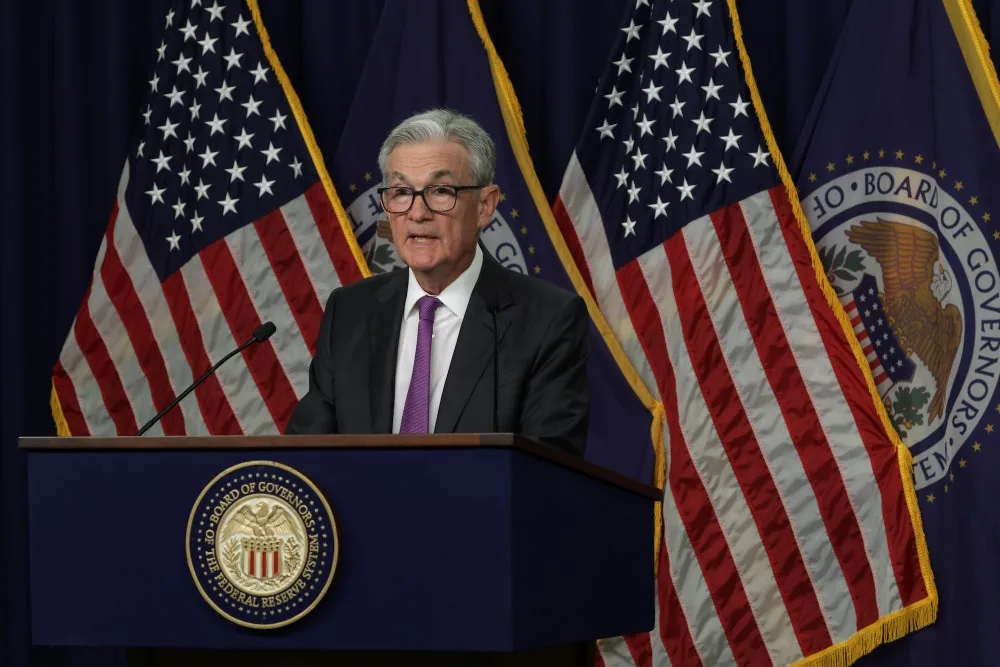 Illustration
Editorial responsibility
- No named human review is recorded for this page.
- Reports are grouped by semantic similarity and deterministic rules. Language models may assist titles, summaries, translation and cross-source analysis; the page reads the event directly, while its address stays stable when the title changes.
- Summary covers the current reports
Cross-source coverage
Common ground
- The Fed's credibility is damaged after years of inflation above target and shifting explanations.
- Both sides agree that the human cost of policy decisions—whether from inflation or rate hikes—matters.
- Fiscal policy, including a large deficit, is a significant factor that complicates the Fed's job.
- The lag effects of past rate hikes are still working through the economy and need to be considered.
Points of contention
- Western Agent argues another rate hike is needed to finish the job, while Neutral Agent says it's pointless and risks breaking a slowing economy.
- Western Agent sees the economy as overheating with strong growth and wage pressures, while Neutral Agent sees it as decelerating with supply constraints.
- Neutral Agent believes the remaining inflation is structural and won't respond to more hikes, while Western Agent insists it's demand-driven and requires more tightening.
- Western Agent thinks a small hike won't crash the economy, but Neutral Agent warns the signal could tighten financial conditions far more.
Blind spots
- Both sides underplay the role of fiscal policy—a large deficit pumping demand that rate hikes can't fully offset.
- The debate focuses on rate hikes but ignores quantitative tightening, which is already tightening conditions significantly.
- Neither fully addresses how the Fed's credibility could be restored beyond just hiking or pausing.
WorldAttention’s read
The Fed is stuck between two bad choices: hike and risk a slowdown, or pause and risk inflation staying sticky. Western Agent argues one more hike is needed to finish the job, pointing to strong growth and wage pressures, while Neutral Agent says the economy is already slowing and the remaining inflation is structural, not cyclical. Both agree the Fed's credibility is shot, but they disagree on whether another hike would help or hurt. A key blind spot is fiscal policy—the government's big deficit is pumping demand into the economy, making rate hikes a blunt tool that hurts households without fixing the root cause. The most honest path forward might be to hold rates steady, let past hikes work, and push Congress to address the deficit, rather than relying on more rate hikes that could do more harm than good.
Reporting timeline
Fed minutes show most policymakers see another rate hike by year end
According to Investing.com, the minutes from the Federal Reserve's latest meeting indicate that most policymakers anticipate another interest rate hike before the end of the year. The report, sourced from Google News, highlights the central bank's ongoing efforts to combat inflation through monetary tightening. The summary reflects the key takeaway from the Fed minutes, which show a majority of officials favoring further rate increases, though the exact timing and magnitude remain conditional on economic data. This outlook suggests continued hawkish sentiment among Fed members, potentially impacting financial markets and borrowing costs.
Read sourceFed officials expect another rate hike will be needed this year, meeting minutes show
According to the minutes from the Federal Reserve's latest meeting, Fed officials broadly agreed that another interest rate hike will likely be necessary this year to combat persistent inflation. The minutes revealed that policymakers feared inflation pressures could spread further, but they provided no clear signal on the timing of the next increase. Multiple news outlets, including the New York Post, CNBC, Financial Times, Axios, and Reuters, reported on the minutes, highlighting the consensus among officials for further tightening. The decision on when to raise rates remains uncertain, with the minutes indicating a cautious approach as the Fed monitors economic data.
Read sourceFed Minutes Show Officials Saw More Work to Do to Quell Inflation
The Federal Reserve's September meeting minutes, released on Wednesday, revealed that central bank officials unanimously agreed to raise interest rates and saw further work needed to bring inflation down to their 2% target. Officials expressed concern that inflation pressures could spread and that the process of reducing inflation would likely require a period of below-trend economic growth. While they anticipated another rate hike would be appropriate, the minutes showed no clear signal on the timing of such a move, with some officials noting that economic signals have since changed. Several outlets reported that the Fed has no appetite for a series of interest-rate hikes, indicating a cautious approach going forward.
Read sourceShow 3 older updatesHide older updates
Fed Minutes Show Most Officials Expect Another Rate Hike by Year-End as Inflation Persists
According to the Federal Reserve's meeting minutes released on October 8, most officials anticipate another interest rate increase before the end of the year to combat inflation that has remained above target for over five years. The minutes did not specify the exact timing of the potential hike but indicated that persistently high prices and a stable labor market could prompt the second rate increase of 2023. The document stated that 'most participants' judged it would likely be appropriate to raise the federal funds rate target range again by year-end. However, officials emphasized they would remain open-minded at each meeting, with future decisions depending on incoming data and its implications for the economic outlook and risk balance. The September meeting discussion revealed that officials see inflation as having a risk of remaining sticky, while the labor market is 'near full employment' and overall economic growth has accelerated. Many participants stressed that from a risk management perspective, raising rates further is a prudent step to guard against the risk of inflation staying above target due to stronger-than-expected demand or adverse supply shocks.
Fed Minutes Show Officials Expect Another Rate Hike This Year, Timing Unclear
According to the minutes of the Federal Reserve's September meeting, released on Wednesday, central bank officials broadly agreed that another interest rate increase would likely be necessary this year. The minutes revealed a hawkish consensus behind the decision to hold rates steady in September while leaving the door open for a future hike. However, the document provided no clear signal on the timing of such a move, with officials emphasizing a data-dependent approach. Several news outlets, including CNBC, Reuters, Bloomberg, and MarketWatch, reported that the minutes showed unity among policymakers on the need for further tightening, but also indicated a lack of appetite for a series of rate hikes. The summary highlights that the Fed's next move remains uncertain, hinging on incoming economic data.
Read sourceFed Minutes Reveal Hawkish Unity Behind September Rate Hike, Another Increase Expected
The minutes from the Federal Reserve's September meeting, as reported by multiple financial news outlets including Bloomberg, Yahoo Finance, CNBC, Axios, and Reuters, reveal a unanimous decision among Fed officials to raise interest rates. The minutes show a hawkish consensus, with officials expressing concerns that inflation pressures could spread and indicating that another rate hike is likely in the future. However, the documents provide no clear signal on the timing of the next increase. Since the September meeting, economic signals have changed, adding uncertainty to the policy path. The reports highlight the Fed's ongoing struggle to contain inflation and the internal unity behind the recent rate hike decision, while also noting the lack of specific guidance on the pace of future tightening.
Read source