Fed’s Williams Signals Likely Rate Hike; Wall Street Forecasts 2027 Cuts
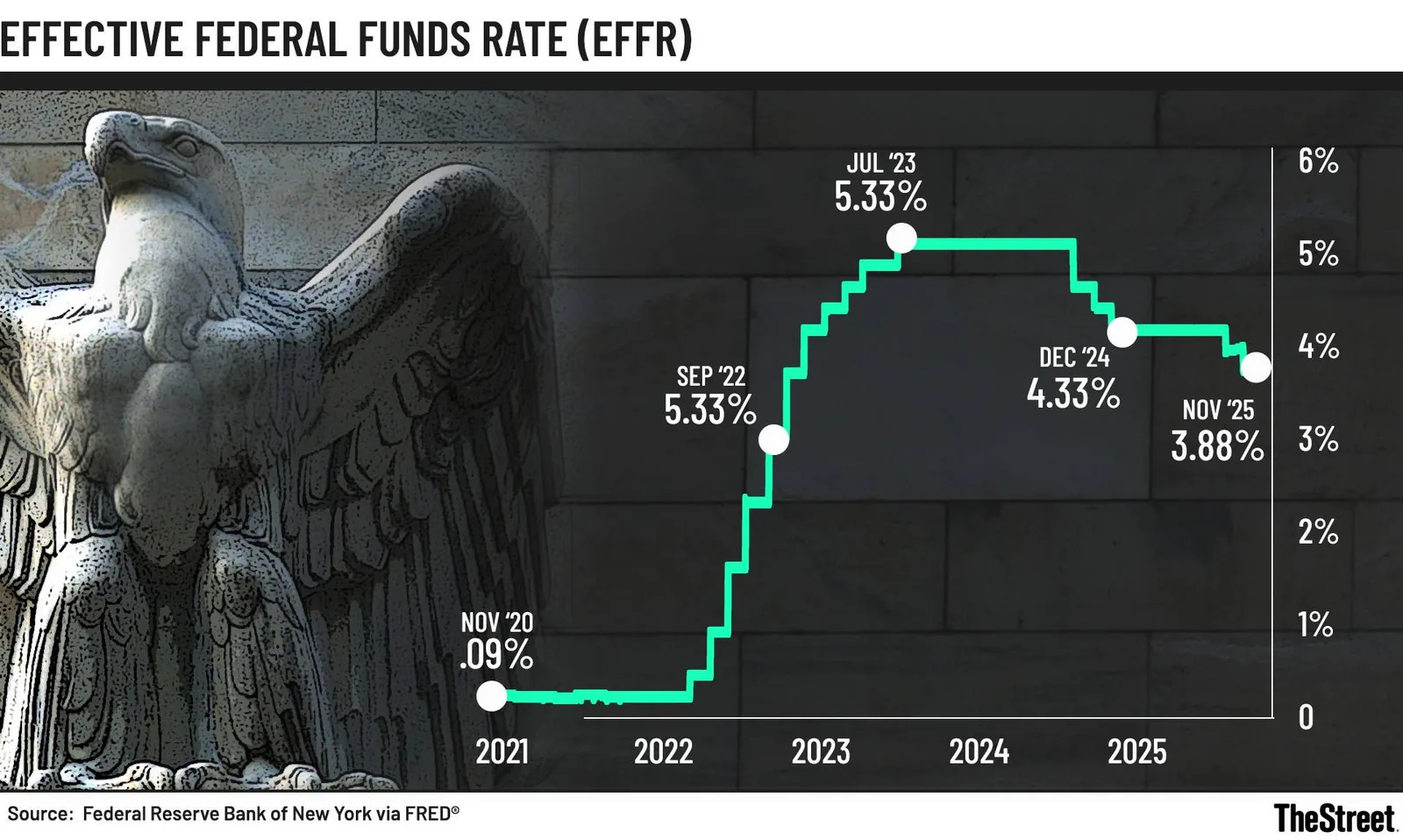
New York Fed President John Williams stated another rate hike by year-end is reasonable, with market odds for an October increase near 70%. This triggered a selloff in U.S. equities and bonds, with the 10-year Treasury yield hitting 5.148%, a 2007 high. Meanwhile, several Wall Street firms—including Goldman Sachs, Pantheon Macroeconomics, Morningstar, and Citi—project the Fed will begin cutting rates in 2027, citing consumer fatigue, slowing job growth, and easing inflation. White House economic adviser Kevin Hassett criticized further tightening.
 Reference image
Editorial responsibility
- No named human review is recorded for this page.
- Reports are grouped by semantic similarity and deterministic rules. Language models may assist titles, summaries, translation and cross-source analysis; the page reads the event directly, while its address stays stable when the title changes.
- Summary covers the current reports
Cross-source coverage
Common ground
- The contradictory forecasts about Fed rate cuts are confusing and unreliable.
- The human cost of US monetary policy in the Global South is real and severe.
- The current global financial system was designed by Western powers and doesn't account for the needs of developing nations.
- The Fed's decisions have massive spillover effects on other countries, but the Fed has no mandate to consider them.
- Political pressure on the Fed, whether real or anticipated, undermines the idea of independent central banking.
Points of contention
- Whether the contradictory forecasts are just bad journalism or a symptom of a system losing its grip.
- Whether the Fed's actions are structural violence or just unintended consequences of a flawed design.
- Whether de-dollarization is actually happening fast enough to matter or is mostly wishful thinking.
- Whether the solution is to reform existing institutions like the IMF or build entirely new systems outside the dollar.
- Whether local elites in countries like Egypt deserve some of the blame for their own crises, or if the focus should stay on global power structures.
Blind spots
- The debate focused almost entirely on the Fed and Wall Street, with little discussion of what other major central banks (like the ECB or Bank of Japan) are doing.
- There was almost no mention of climate change or how environmental shocks might affect future monetary policy and global financial stability.
- The role of technology, like AI displacing jobs, was brought up but never fully explored as a long-term economic shift.
- No one discussed what a fairer global financial system would actually look like in practical terms, beyond vague calls for reform or revolution.
WorldAttention’s read
This roundtable revealed a deep divide between those who see the confusing Fed forecasts as a technical error and those who see them as proof that the whole system is rigged. Everyone agreed that the human cost in the Global South is devastating, but they couldn't agree on whether the problem is bad data, bad design, or bad intentions. The real blind spot was that the conversation stayed stuck on diagnosing the problem—the Fed's power and the dollar's dominance—without ever getting into the hard work of imagining a workable alternative. In the end, the group was united in frustration but split on what to do about it, leaving the core question unanswered: can the system be fixed from within, or does it need to be replaced entirely?
Reporting timeline
Fed's Williams Says Further Rate Hike Likely; Stocks and Bonds Tumble
New York Fed President John Williams stated that further interest rate hikes are reasonable to bring inflation back to target, with market pricing now showing nearly 70% probability of a rate increase by October. This triggered a selloff in both equities and bonds, with the Dow futures falling 0.4%, S&P 500 futures down 0.64%, and Nasdaq 100 futures dropping over 1%. The 30-year U.S. Treasury yield rose to its highest since 2004 at 5.442%, while the 10-year yield hit 5.148%, a level not seen since 2007. Meanwhile, several Wall Street banks issued dovish forecasts for next year. Goldman Sachs expects one more rate hike in October, then the cycle ends, with rate cuts starting in late 2027. Pantheon Macroeconomics predicts the Fed will cut rates to 3.125% by end of 2024. Morningstar's Preston Caldwell forecasts two rate cuts in the second half of 2027 and four more in 2028. White House National Economic Council Director Kevin Hassett publicly questioned the need for further rate hikes, criticizing Fed officials for being too hawkish and partisan.
Read sourceFed's Williams Says Further Rate Hike Likely This Year; Markets Tumble
New York Fed President John Williams stated that the central bank needs to bring inflation back to target in a timely manner and that another rate hike by the end of the year is reasonable. Market expectations for a rate hike in October have risen to nearly 70%. This triggered a sell-off in both stocks and bonds, with the Dow futures falling 0.4%, S&P 500 futures down 0.64%, and Nasdaq 100 futures dropping over 1%. The 30-year U.S. Treasury yield hit its highest since 2004 at 5.442%, and the 10-year yield reached 5.148%, a level not seen since 2007. However, several Wall Street banks are forecasting rate cuts next year. Goldman Sachs expects one more hike in October and then rate cuts starting in late 2027. Pantheon Macroeconomics predicts the Fed will cut rates to 3.125% by the end of next year. Morningstar's Preston Caldwell also forecasts two rate cuts in the second half of 2027 and four more in 2028. The article also notes criticism from White House economic advisor Kevin Hassett, who questioned the need for further rate hikes given that core inflation is around 2%.
Read sourceFed's Williams Says Further Rate Hike Likely; US Stocks, Bonds Slide
New York Fed President John Williams stated that the central bank needs to bring inflation back to target and that another rate hike by year-end is reasonable. Market expectations for a rate hike in October have risen to nearly 70%. This triggered a sell-off in US equities and bonds, with the Dow futures down 0.4%, S&P 500 futures down 0.64%, and Nasdaq 100 futures down over 1%. The 30-year US Treasury yield hit its highest since 2004 at 5.442%, and the 10-year yield reached 5.148%, a 2007 high. Looking ahead, several Wall Street banks forecast rate cuts next year. Goldman Sachs expects one more hike in October, then rate cuts starting in late 2027. Pantheon Macroeconomics predicts the Fed will cut rates to 3.125% by end of 2025. Morningstar's Preston Caldwell forecasts two rate cuts in the second half of 2027 and four more in 2028. White House economic adviser Kevin Hassett criticized the Fed's recent rate hike, questioning the need for further tightening given core inflation near 2%.
Read sourceShow 14 older updatesHide older updates
Fed's Williams Says Further Rate Hike Likely This Year as Market Odds Near 70%
New York Fed President John Williams stated that inflation needs to be brought back to target in a timely manner and that another rate hike by the end of 2023 is reasonable. Market pricing now implies a nearly 70% probability of a hike in October. The hawkish comments triggered a selloff in U.S. equity futures, with the Dow down 0.4%, S&P 500 futures down 0.64%, and Nasdaq 100 futures down over 1%. The 30-year Treasury yield rose to 5.442%, the highest since 2004, while the 10-year yield hit 5.148%, a 2007 high. Looking ahead to 2024, several Wall Street banks issued dovish forecasts. Goldman Sachs expects one more hike in October and then rate cuts starting in late 2026, bringing rates to 3.25%-3.5%. Pantheon Macroeconomics predicts the Fed will cut rates to 3.125% by end-2024. Morningstar's Preston Caldwell forecasts two cuts in 2027 and four more in 2028, bringing the fed funds rate to 2.50%-2.75%. The article also notes that White House economic adviser Kevin Hassett criticized Fed officials for continuing to advocate rate hikes, questioning the need given core inflation near 2%.
Read sourceFed's Williams Says Rate Hike This Year Reasonable; Wall Street Forecasts 2027 Cuts
New York Fed President John Williams stated that inflation needs to be brought back to target in a timely manner and that another rate hike by the end of this year is reasonable. Market pricing now implies a nearly 70% probability of a rate increase in October. U.S. stock futures fell and bond yields surged to multi-year highs on the hawkish comments. However, several major Wall Street banks are projecting rate cuts in 2027 and beyond. Goldman Sachs forecasts one more hike in October 2027, then stable rates until rate cuts begin in late 2027, bringing the federal funds rate to 3.25%-3.5%. Pantheon Macroeconomics expects the Fed to ease next year, cutting rates to 3.125% by end-2028. Morningstar's Preston Caldwell predicts two rate cuts in the second half of 2027 and four more in 2028, bringing the rate to 2.50%-2.75%. The article also notes that White House economic adviser Kevin Hassett criticized Fed officials for advocating further tightening, questioning the need for rate hikes given core inflation near 2%.
Read sourceFed's Williams Says Further Rate Hike This Year Reasonable; Wall Street Forecasts 2027 Cuts
New York Fed President John Williams stated that inflation needs to be brought back to target in a timely manner and that another rate hike before the end of 2025 is reasonable. Market pricing now implies a nearly 70% probability of a rate increase in October. U.S. equity futures fell sharply, with the Nasdaq 100 futures dropping over 1%, while the 30-year Treasury yield hit its highest since 2004 and the 10-year yield reached levels not seen since 2007. Looking further ahead, several major Wall Street banks issued dovish forecasts. Goldman Sachs expects one more hike in October 2025, after which the tightening cycle will end, with rate cuts beginning in late 2027. Pantheon Macroeconomics predicts the Fed will ease policy in 2026, cutting the federal funds rate to 3.125% by year-end. Morningstar's Preston Caldwell also forecasts two rate cuts in the second half of 2027 and four more in 2028. Separately, White House National Economic Council Director Kevin Hassett publicly questioned the need for further rate hikes, criticizing Fed officials for being overly hawkish and accusing the central bank of partisanship under Chairman Warsh.
Read sourceGoldman Sachs Sees One More Fed Rate Hike; Wall Street Predicts 2023 Pivot to Cuts
On September 16, the Federal Reserve raised its benchmark interest rate by 25 basis points to a target range of 3.75% to 4.00%. According to CME FedWatch, markets assign a 69.7% probability of another 25-basis-point hike at the October meeting, and a 54.8% probability of cumulative 50-basis-point hikes by December. Goldman Sachs predicts the Fed will deliver its final rate hike of the cycle at the October 27 meeting, contingent on oil prices falling to $85 per barrel by December to help curb inflation. Pantheon Macroeconomics forecasts the Federal Open Market Committee will pivot to rate cuts in 2023, lowering the federal funds rate to 3.125% by year-end, but warns that surging energy costs still pose a risk of another 25-basis-point hike. Pantheon notes that historically, the average gap between the last rate hike and first cut in the past 40 years is only six months. Citigroup expects the Fed to hold rates steady in October and December as inflation data softens, then begin cutting rates in June 2027. Other Wall Street firms predict rate cuts beginning in 2027, with the federal funds rate potentially falling to 2.50%-2.75% by 2028.
Read sourceWall Street Turns Dovish: Fed Expected to Cut Rates in 2027 After Tightening Cycle Ends
According to a report from cfi_forex citing multiple Wall Street forecasts, the Federal Reserve's tightening cycle may end this year, with a pivot to rate cuts expected in 2027. Pantheon Macroeconomics predicts the FOMC will adopt substantial easing, lowering the federal funds rate from 3.75%-4.00% to 3.125% by end of 2027, though it warns of a possible 25-basis-point hike this year due to rising energy costs. The firm attributes the expected dovish turn to consumer fatigue, noting that strong household spending was fueled by tax refunds and stock gains, but low-income households face growing financial pressure as support fades and Medicaid/SNAP eligibility tightens. Core PCE inflation is expected to remain stable through late 2026 before moving toward 2% in 2027. Goldman Sachs forecasts a final rate hike on October 27, ending the cycle, contingent on oil prices cooling. Morningstar expects two rate cuts in the second half of 2027, while Citigroup predicts the Fed will hold rates steady in October and December, resuming cuts in June 2027. The report also notes that historically, the average gap between the last rate hike and first cut is six months, and that Fed Chair Warsh, appointed by a rate-cut-advocating president, may facilitate consensus on easing.
Read sourceCiti Forecasts Fed to Hold Rates in Oct, Dec, Resume Cuts in June 2027
According to a report from Citi, the investment bank expects the Federal Reserve to maintain its current interest rate at both its October and December meetings. Citi analysts believe the Fed will hold rates steady in October to assess the impact of a previous 25-basis-point rate hike, and then again in December, as a series of moderate inflation data should provide sufficient evidence that price pressures are easing. Looking further ahead, Citi forecasts that as inflation continues to cool, the Fed will resume its rate-cutting cycle in June 2027. The forecast is attributed to Citi and is based on the expectation of sustained disinflationary trends.
Read sourceWall Street turns dovish: Pantheon, Goldman, Citi predict Fed rate cuts by 2027
A growing number of Wall Street forecasters are predicting the Federal Reserve will end its current tightening cycle and begin cutting interest rates by 2027. Pantheon Macroeconomics projects the FOMC will lower the federal funds rate from 3.75%-4.00% to 3.125% by end of 2027, driven by consumer fatigue, low-income household financial stress from expiring tax rebates and tighter Medicaid/SNAP eligibility, and a slowing labor market with monthly job gains potentially as low as 25,000. However, Pantheon warns that surging energy costs could still trigger one more 25-basis-point hike this year. Goldman Sachs expects the final hike in October 2025, contingent on oil prices staying low to curb inflation. Citi forecasts the Fed will hold rates steady through late 2025 and begin cutting in June 2027 as inflation moderates. Morningstar also expects two rate cuts in the second half of 2027. The article notes that historically, the average gap between the last hike and first cut in tightening cycles over the past 40 years is only six months, and that Fed Chair Warsh, appointed by a pro-rate-cut president, may facilitate consensus on easing.
Read sourceWall Street Turns Dovish: Pantheon, Goldman, Citi See Fed Rate Cuts Starting in 2027
A growing number of Wall Street forecasters are predicting the Federal Reserve will end its current tightening cycle soon and begin cutting interest rates in 2027. Pantheon Macroeconomics projects the FOMC will lower the federal funds rate from 3.75%-4.00% to 3.125% by end of 2027, citing consumer fatigue as low-income households face financial pressure from expiring tax refunds and stricter Medicaid and SNAP eligibility. However, Pantheon warns that surging energy costs could still trigger one more 25-basis-point rate hike this year. Goldman Sachs expects the Fed to deliver its final hike in October 2025, ending the tightening cycle, contingent on oil prices continuing to fall. Morningstar forecasts two rate cuts in the second half of 2027, with further reductions bringing the rate to 2.50%-2.75% by end of 2028. Citi predicts the Fed will hold rates steady in October and December 2025, then begin cutting in June 2027 as inflation data softens. The article also notes that Fed Chair Warsh, appointed by a president favoring lower rates, and the fading of fiscal stimulus may facilitate a consensus for easing.
Read sourceMorningstar Forecasts Two Fed Rate Cuts in Second Half of 2027, Further Reductions in 2028
According to a report from CLS (Cailianshe) citing Morningstar, the investment research firm expects the Federal Reserve to implement two interest rate cuts in the second half of 2027. The forecast further anticipates additional rate reductions in 2028, which would bring the federal funds rate down to a range of 2.50% to 2.75% by the end of 2028. This long-term projection from Morningstar outlines a gradual easing cycle starting in late 2027, well beyond the current market focus on near-term Fed policy moves.
Read sourceWall Street Turns Dovish: Fed Expected to Cut Rates in 2027, Pantheon Forecasts
A growing number of Wall Street analysts predict the Federal Reserve will shift to a dovish monetary policy stance and begin cutting interest rates in 2027. Pantheon Macroeconomics forecasts the FOMC will lower the federal funds rate from the current 3.75%-4.00% range to 3.125% by end of 2027, driven by consumer fatigue, slowing job growth, and easing inflation. However, Pantheon warns of a risk of one more 25-basis-point rate hike in 2025 due to energy costs pushing up core goods prices. Goldman Sachs expects the Fed to deliver its final rate hike in October 2025, contingent on oil prices remaining low. Morningstar projects two rate cuts in the second half of 2027, with further reductions bringing the rate to 2.50%-2.75% by end of 2028. Citi anticipates the Fed will hold rates steady through late 2025 and resume cuts in June 2027 as inflation cools. The report also notes that Fed Chair Warsh, appointed by a president favoring lower rates, and the fading boost from fiscal policy could facilitate a consensus on easing.
Read sourceWall Street Turns Dovish: Pantheon, Goldman, Citi See Fed Rate Cuts Starting in 2027
A growing number of Wall Street forecasters predict the Federal Reserve will pivot to monetary easing by 2027, ending the current tightening cycle. Pantheon Macroeconomics projects the FOMC will cut the federal funds rate from 3.75%-4.00% to 3.125% by end of 2027, driven by consumer fatigue, low-income household financial strain, and slowing job growth. However, Pantheon warns that surging energy costs could still trigger one more 25-basis-point hike this year. Goldman Sachs expects the Fed's final hike in October 2025, contingent on oil prices falling to curb inflation. Morningstar forecasts two rate cuts in the second half of 2027, with further reductions bringing the rate to 2.50%-2.75% by end of 2028. Citi predicts the Fed will hold rates steady through 2026, then resume cuts in June 2027 as inflation data softens. The article also notes that historically, the average gap between the last hike and first cut in tightening cycles is only six months, and that Fed Chair Warsh, appointed by a president favoring lower rates, may facilitate consensus on easing.
Wall Street Turns Dovish: Pantheon, Goldman, Citi Predict Fed Rate Cuts by 2027
A growing number of Wall Street analysts are forecasting that the Federal Reserve will end its current tightening cycle and begin cutting interest rates in 2027. Pantheon Macroeconomics predicts the Fed will cut the federal funds rate from 3.75%-4.00% to 3.125% by the end of 2027, citing consumer fatigue, slowing job growth, and easing inflation. However, Pantheon warns of a potential final 25-basis-point rate hike this year due to rising energy costs. Goldman Sachs expects the Fed's last hike in October 2027, contingent on oil prices falling to curb inflation. Morningstar forecasts two rate cuts in the second half of 2027, with further reductions in 2028. Citi predicts the Fed will hold rates steady in October and December, then resume cuts in June 2027 as inflation data softens. The forecasts are attributed to specific conditions including low-income household financial strain, the impact of AI on employment, and the political context of Fed Chair Warsh's appointment by a pro-rate-cut president.
Wall Street Turns Dovish: Pantheon, Goldman, Citi Predict Fed Rate Cuts Starting 2027
This article from 财联社, published on September 24, reports a growing consensus among Wall Street analysts that the Federal Reserve's current tightening cycle may end soon, with rate cuts expected in 2027. Pantheon Macroeconomics forecasts the FOMC will shift to substantial easing, cutting the federal funds rate from 3.75%-4.00% to 3.125% by end of 2027, but warns of a possible 25-basis-point hike this year due to energy costs. The firm attributes the expected 'dovish pivot' to consumer fatigue, as strong household spending from tax refunds and stock gains fades, and low-income households face financial pressure from reduced government benefits. Goldman Sachs predicts the Fed's last hike in October 2025, contingent on oil prices falling. Morningstar expects two rate cuts in the second half of 2027, with further cuts in 2028. Citi forecasts the Fed will hold rates steady in October and December 2025, then resume cuts in June 2027 as inflation cools. The article also notes that historically, the average gap between the last rate hike and first cut is six months, and that Fed Chair Warsh, appointed by a pro-rate-cut president, may facilitate consensus on easing.
Wall Street Turns Dovish: Pantheon, Goldman, Citi Predict Fed Rate Cuts by 2027
A growing number of Wall Street analysts are forecasting that the Federal Reserve will end its current tightening cycle and begin cutting interest rates by 2027. Pantheon Macroeconomics predicts the Fed will cut the federal funds rate to 3.125% by end of 2027, down from the current 3.75%-4.00% range, citing consumer fatigue, slowing job growth, and easing inflation. However, Pantheon warns of a possible 25-basis-point rate hike this year due to energy costs. Goldman Sachs expects the Fed's final hike in October 2027, contingent on oil prices falling. Morningstar forecasts two rate cuts in the second half of 2027, with further reductions through 2028. Citi predicts the Fed will hold rates steady through late 2027, then resume cuts in June 2027 as inflation cools. The article notes that historically, the average gap between the last rate hike and first cut is six months, and that political factors—such as Fed Chair Warsh being appointed by a president favoring lower rates—may ease consensus for cuts.