Fed Plans to Raise Bank Asset Thresholds, Easing Rules for Mid-Sized Lenders
The Federal Reserve is developing a plan to raise the asset-size thresholds that trigger stricter regulatory oversight for large banks, according to Reuters sources. The current thresholds, set in 2019, require enhanced scrutiny at $100 billion, $250 billion, and $700 billion. The Fed is considering raising the top threshold to approximately $1 trillion and the lower threshold to about $150 billion, adjusting for inflation and economic growth. The move, part of a broader Trump administration regulatory reform effort, could benefit banks like U.S. Bancorp, Capital One, PNC, and Truist, and may spur mid-sized bank mergers. Critics warn of reduced competition and increased systemic risk. The Fed is expected to propose adjustments later this year.
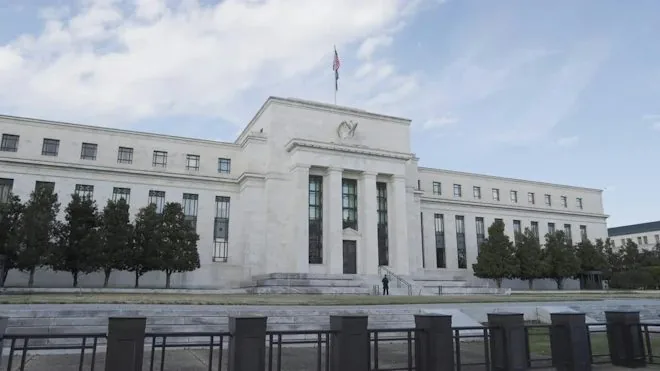 Reference image
Editorial responsibility
- No named human review is recorded for this page.
- Reports are grouped by semantic similarity and deterministic rules. Language models may assist titles, summaries, translation and cross-source analysis; the page reads the event directly, while its address stays stable when the title changes.
- Summary covers the current reports
Cross-source coverage
Common ground
- The Fed's move to raise asset thresholds is not a neutral technical adjustment but a strategic decision with significant consequences.
- The $100 billion to $150 billion jump is a 50% real increase that goes far beyond inflation indexing and is clearly deregulation.
- Regional banks are under pressure from bad commercial real estate loans and unrealized losses, and this move allows them to merge rather than fail.
- The process lacks transparency and public debate, with the change being announced quietly rather than through open hearings.
- This policy creates moral hazard by rewarding banks that made risky loans instead of holding them accountable.
Points of contention
- Whether the $700 billion to $1 trillion adjustment is a reasonable inflation update or part of a broader deregulatory strategy.
- Whether this move strengthens or weakens U.S. global financial dominance and the dollar's credibility.
- Whether the primary driver is regulatory capture by Wall Street or a pragmatic response to prevent a wave of bank failures.
- Whether the global implications for emerging markets and de-dollarization are a central concern or a distraction from domestic issues.
- Whether this represents a failure of democracy or the system working as designed with bank lobbying and regulatory compliance.
Blind spots
- The debate largely ignored the specific impact on small businesses and consumers who face fewer lending options and higher fees from bank consolidation.
- No one addressed how this policy interacts with other financial regulations, like the Basel III endgame rules, which could offset or amplify the effects.
- The discussion missed the role of credit rating agencies and market discipline in constraining bank risk-taking, even with looser oversight.
- There was little consideration of alternative solutions, such as forcing banks to raise capital or sell bad loans, instead of allowing mergers.
WorldAttention’s read
The Fed's decision to raise asset thresholds is a calculated move that blends a defensible inflation adjustment for the $700 billion cap with a clear deregulatory giveaway at the $100 billion level. While the immediate trigger is a commercial real estate time bomb—regional banks hold 40% of those loans and face $500 billion in unrealized losses—the deeper issue is moral hazard. The Fed is choosing to let troubled banks merge their way out of trouble rather than face failure or recapitalization, which concentrates bad debt into larger, more fragile institutions. This isn't neutral technocracy; it's a backdoor bailout that rewards reckless lending. The process lacks democratic accountability, happening with little public debate, and it sends a damaging signal globally that the U.S. financial system can't handle market discipline. While the Global South is indeed watching and accelerating de-dollarization, this move weakens rather than strengthens U.S. financial dominance by undermining credibility. Ultimately, this is regulatory capture disguised as reform, and the real cost will be borne by taxpayers and small businesses when the next crisis hits.
Reporting timeline
Fed Plans to Raise Asset Thresholds for Stricter Bank Regulation, Sources Say
According to a report from Reuters, the Federal Reserve is developing a plan to increase the asset-size thresholds that trigger stricter regulatory oversight for large banks. The current thresholds, set in 2019, require banks with $100 billion in assets to face more stringent rules, with further requirements at $250 billion and $700 billion. The Fed is considering raising the highest threshold to approximately $1 trillion and the lower threshold to around $150 billion, adjusting for inflation and economic growth. The proposed changes, which could be proposed later this year, are part of a broader Trump administration effort to reform bank regulation. Banks argue the current thresholds are outdated and impose significant compliance costs. The plan could benefit institutions like U.S. Bancorp, Capital One, PNC Financial, and Truist, which are near the $700 billion mark, and may stimulate mergers among mid-sized banks. Critics warn that reduced regulation could weaken competition and increase systemic risk. The Fed has not officially commented since Vice Chair for Supervision Michelle Bowman mentioned considering such adjustments in January.
Read sourceFed Weighs Raising Bank Asset Thresholds, Easing Rules for Mid-Sized Lenders
The Federal Reserve is considering re-indexing the asset thresholds that trigger stricter regulatory oversight for large banks, a move that could allow some mid-sized institutions to avoid significant compliance costs and fuel consolidation in the sector. According to Reuters, citing sources, the Fed is expected to propose adjusting the thresholds to reflect inflation and economic growth, with a plan potentially unveiled later this year. Currently, banks face escalating rules at $100 billion, $250 billion, and $700 billion in assets. The Fed is reportedly considering raising the top threshold to near $1 trillion and the lower trigger to around $150 billion. Banks like U.S. Bancorp, Capital One, PNC, and Truist, which are near the $700 billion mark, would gain more room to grow without triggering the strictest rules, including certain requirements in upcoming capital rules. Smaller banks like Western Alliance and Zions could exceed $100 billion without facing all current requirements. The plan is part of a broader Trump administration effort to reform bank regulation, which officials argue is stifling lending and economic growth. While the easing could spur M&A among regional banks, some worry it may reduce competition and increase systemic risk.
Read sourceFed Plans to Raise Asset Thresholds for Stricter Bank Regulation, Sources Say
According to a Reuters report cited by Chinese financial media 券商中国, the U.S. Federal Reserve is developing a plan to raise the asset-size thresholds that trigger stricter bank supervision. The current thresholds, set in 2019, require banks with $100 billion in assets to face enhanced rules, with further requirements at $250 billion and $700 billion. The Fed is considering adjusting the highest threshold to near $1 trillion and the lower threshold to about $150 billion, to account for inflation and economic growth. Banks like U.S. Bancorp, Capital One, PNC Financial, and Truist could benefit by gaining more room to grow without triggering the most stringent rules. The plan is part of a broader Trump administration effort to reform bank regulation, which officials say is stifling lending and growth. Analysts expect the changes could spur mergers among mid-sized banks, which have been hesitant due to regulatory concerns. Critics warn that reduced oversight could weaken competition and increase systemic risk. The Fed is expected to propose the adjustments later this year.
Read sourceShow 2 older updatesHide older updates
Fed Plans to Raise Asset Thresholds for Stricter Bank Regulation, Sources Say
According to a report by Reuters cited by 券商中国, the Federal Reserve is developing a plan to raise the asset-size thresholds that trigger stricter bank supervision. The current thresholds, set in 2019, require enhanced oversight at $100 billion, $250 billion, and $700 billion in assets. The Fed is considering raising the highest threshold to approximately $1 trillion and the lower threshold to about $150 billion, adjusting for inflation and economic growth. Banks argue the current thresholds are outdated and impose costly compliance burdens. The proposed changes could benefit regional banks like U.S. Bancorp, Capital One, PNC, and Truist, allowing them to grow without triggering the most stringent rules. The move is part of a broader Trump administration effort to reform bank regulation, with Fed Vice Chair Michelle Bowman indicating support for indexation to nominal GDP. Analysts expect the changes could spur mergers among mid-sized banks, though critics warn of reduced competition and increased systemic risk. The Fed is expected to propose the adjustments later this year.
Fed Plans to Raise Asset Thresholds for Stricter Bank Regulation, Sources Say
The Federal Reserve is reportedly planning to raise the asset-size thresholds that trigger stricter bank regulations, according to multiple sources cited by Reuters. The current thresholds, set in 2019, require banks with $100 billion in assets to face enhanced scrutiny, with further requirements at $250 billion and $700 billion. The Fed is considering raising the highest threshold to approximately $1 trillion and the lower threshold to about $150 billion, adjusting for inflation and economic growth. This move, part of a broader Trump-era regulatory reform effort, could benefit banks like U.S. Bancorp, Capital One, PNC Financial, and Truist by giving them more room to grow without triggering the most stringent rules. It may also spur M&A among mid-sized banks, which have been hesitant to acquire due to threshold concerns. Critics warn that reduced regulation could weaken competition and increase systemic risk. The Fed has not commented on the timeline, but sources expect proposals later this year.
Read source