EU new car registrations rise 4.5% in August, seventh straight month of growth
New car registrations in the European Union rose 4.5% year-on-year in August to 708,211 units, marking the seventh consecutive month of growth, according to the European Automobile Manufacturers' Association (ACEA). Battery electric vehicles (BEVs) accounted for 21.7% of registrations through August, up from 15.8% a year earlier. Chinese automakers BYD and Chery posted triple-digit growth, while traditional brands like Ford and Renault saw declines.
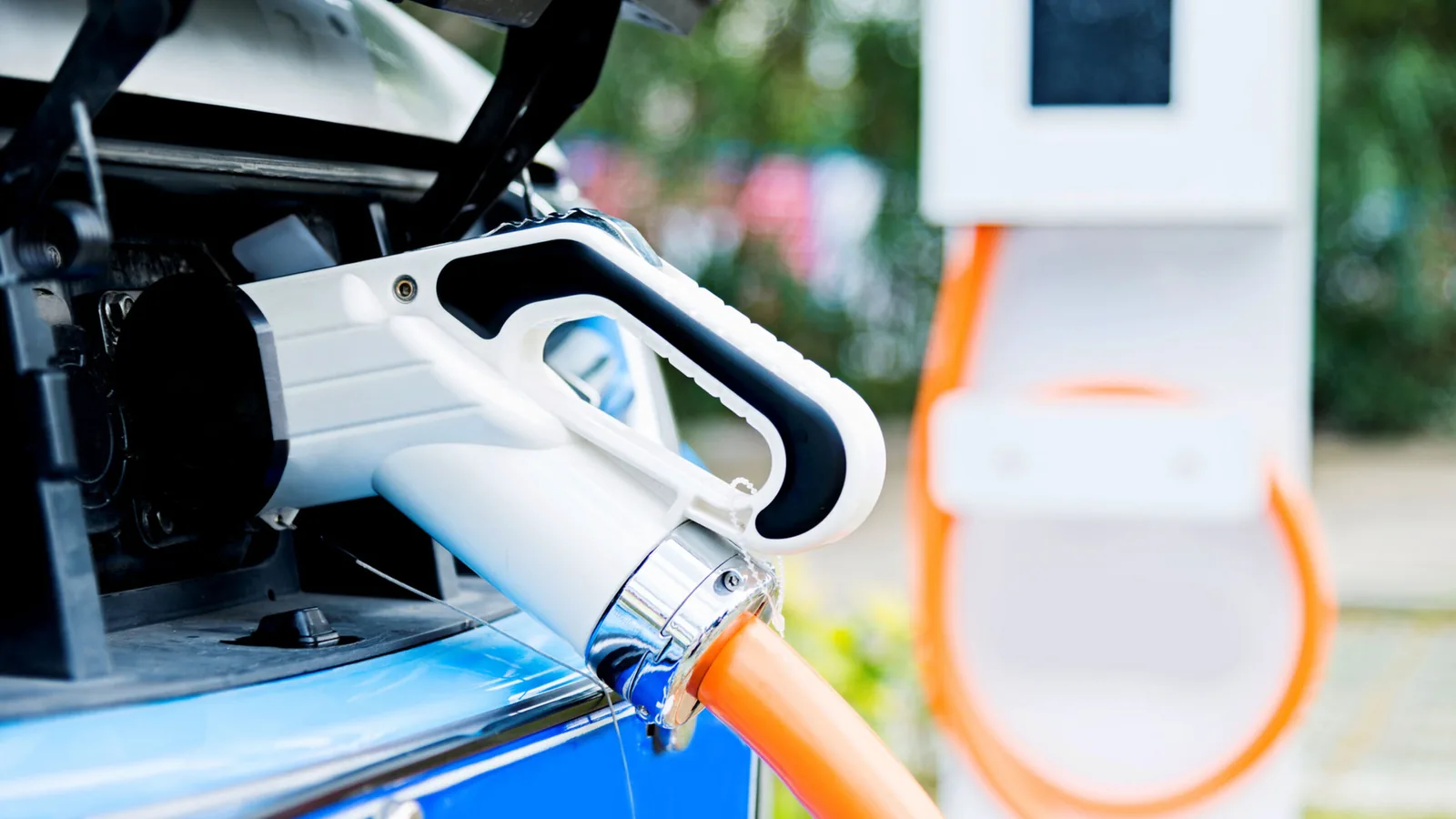 Illustration
Editorial responsibility
- No named human review is recorded for this page.
- Reports are grouped by semantic similarity and deterministic rules. Language models may assist titles, summaries, translation and cross-source analysis; the page reads the event directly, while its address stays stable when the title changes.
- Summary covers the current reports
Cross-source coverage
Common ground
- Chinese brands are growing fast in Europe, with sales tripling from a small base and market share rising notably.
- Localization efforts like building factories in Hungary and Spain are a real and strategic move by Chinese automakers.
- European automakers face genuine challenges from rapid electrification and new competitors, including Tesla.
- Subsidies exist in all major economies, but China's approach is more targeted and state-directed.
Points of contention
- Whether Chinese brands are a 'beachhead' or a 'conquest'—Neutral Agent sees them as still small, while Eastern Agent sees a structural shift.
- Whether Chinese success is due to genuine innovation or heavy state subsidies—Neutral Agent emphasizes subsidies, Eastern Agent says results matter more.
- Whether Tesla is an American or Chinese-enabled success—Neutral Agent says it's American, Eastern Agent says its supply chain is deeply Chinese.
- Whether profitability matters now—Neutral Agent says thin margins are unsustainable, Eastern Agent says it's a strategic investment for long-term gain.
Blind spots
- Both sides overlooked the role of European service networks, brand loyalty, and regulatory ties that incumbents still control.
- The debate ignored how Chinese localization makes tariffs hurt European consumers and workers, not just Chinese companies.
- Neither side fully addressed the impact of Tesla's dominance in the premium EV segment on the overall market dynamics.
WorldAttention’s read
The European auto industry is under real pressure from rapid electrification and Chinese entrants building local factories, but it's not a collapse. Chinese brands are growing fast from a small base and are investing in permanent infrastructure in Europe, which changes the game. However, European incumbents still have advantages like brand loyalty and service networks. The biggest blind spot is that this isn't just China vs. Europe—Tesla, with its global supply chain, is a major player too. The future will likely be more integrated, with Chinese technology and capital embedded in European production, rather than a simple takeover.
Reporting timeline
EU New Car Registrations Rise 4.5% in August, Seventh Straight Month of Growth
According to data released by the European Automobile Manufacturers' Association (ACEA) on Thursday, new car registrations in the European Union rose 4.5% year-on-year in August to 708,211 units, marking the seventh consecutive month of growth. The pace accelerated from July's 3% increase, with all four major EU markets posting gains: Spain led with 11.8%, followed by France (7.4%), Italy (3.2%), and Germany (2.6%). For the first eight months of 2026, registrations grew 5.3% despite ongoing geopolitical uncertainty and rising energy prices. The ACEA attributed the continued strength in electric vehicle (EV) demand to market support measures and a wider range of available models. Battery electric vehicles (BEVs) accounted for 21.7% of new EU registrations through August, up from 15.8% a year earlier, while hybrids held the largest share at 36.6%. Among Chinese automakers, Chery saw a 250.9% surge in registrations to 116,318 units, and BYD grew 163% to 177,752 units. Tesla's sales rose 65.9% to 142,165 units. Among traditional automakers, Volkswagen Group grew 1.3%, Stellantis rose 5.2%, while Ford fell 17.7%.
Read sourceEuropean car sales rise 5.3% in August as electric vehicle demand offsets petrol and diesel decline
According to data released on September 24 by the European Automobile Manufacturers Association (ACEA), new car registrations in Europe rose 5.3% year-on-year in August to 832,637 units. The growth was driven by surging demand for electrified vehicles, which offset a sharp decline in petrol and diesel car sales. Battery electric vehicle registrations surged 52.2%, plug-in hybrids rose 13.5%, and conventional hybrids increased 3.4%, collectively accounting for over 73% of all new cars. In contrast, petrol and diesel car registrations fell 23.5% and 23.1%, respectively. Among major automakers, Renault and Volkswagen saw registrations drop 4.4% and 3.6%, while Stellantis posted a 3.5% gain; their combined market share slipped from 52% to 49.8%. Chinese brands including BYD, Chery, and Leapmotor nearly tripled their sales year-on-year, while Geely and SAIC posted gains of over 25% and 32%, respectively. The combined market share of Chinese automakers rose from 7.1% to 11.3%.
Read sourceEU car registrations rise 4.5% in August to 708,000 units, ACEA reports
According to a report from the European Automobile Manufacturers Association (ACEA), total vehicle registrations in the EU, EFTA, and the UK rose 5.3% year-on-year in August, reaching 833,000 units. Within the EU alone, registrations increased by 4.5% to 708,000 vehicles. Among major automakers, performance varied significantly. Volkswagen Group saw a 3.6% decline in August sales, though its year-to-date figure is up 0.9%. Stellantis posted a 3.5% gain for the month and a 4.7% increase year-to-date. Hyundai Group experienced a sharp 9.2% drop in August, with year-to-date sales down 1.9%. Renault Group fell 4.4% in August and 3.3% year-to-date. BMW Group sales slipped 0.3% in August but are up 4% for the year. Toyota Group grew 4.2% in August and 0.5% year-to-date. Mercedes-Benz saw a 7.6% increase in August and a 3.4% rise year-to-date. Ford suffered a 14.3% decline in August and a 14.4% drop year-to-date. Nissan fell 0.7% in August and 9.7% year-to-date. Tesla's registrations rose 4% in August, with a strong 43.3% year-to-date increase. BYD posted exceptional growth, surging 127.9% in August and 144.1% year-to-date.
Read sourceShow 2 older updatesHide older updates
Chinese car brands surpass Renault and Audi in European sales in August
According to a report by European Automotive News cited by Granite, Chinese car brands sold over 97,000 vehicles in Europe in August, a 111% year-on-year increase, capturing an 11.7% market share. This volume surpassed traditional European brands Renault and Audi. The overall European new car market grew about 5% to approximately 835,000 units in August. Electric vehicle sales were strong, with pure electric vehicles (BEVs) reaching 245,000 units (up 52%) and plug-in hybrid electric vehicles (PHEVs) surging to about 94,000 units. Chinese brands' PHEV sales roughly doubled year-on-year to about 33,000 units, with models like BYD Seal U, Chery's Jaecoo J7, and SAIC's MG HS ranking among the top ten PHEV models in Europe. The report indicates that electrified vehicles remain a key growth driver in the European market, and Chinese brands are transitioning from merely entering the market to establishing a solid foothold.
Read sourceEU New Car Registrations Rise 4.5% in August, Seventh Straight Month of Growth; EV Share Hits 21.7%
The European Automobile Manufacturers' Association (ACEA) reported on Thursday that new car registrations in the European Union rose 4.5% year-on-year in August to 708,211 units, marking the seventh consecutive month of growth. The pace accelerated from July's 3% increase, with all four major EU markets posting gains: Spain led with 11.8%, followed by France at 7.4%, Italy at 3.2%, and Germany at 2.6%. For the first eight months of 2026, registrations grew 5.3% despite geopolitical uncertainty and rising energy prices. The ACEA attributed the continued strength in electric vehicle (EV) demand to market support measures and a wider range of available models. Battery electric vehicles (BEVs) accounted for 21.7% of new EU registrations through August, up from 15.8% a year earlier, while hybrids held the largest share at 36.6%. Among Chinese automakers, Chery saw a 250.9% surge to 116,318 units, and BYD rose 163% to 177,752 units. Tesla's sales climbed 65.9% to 142,165 units. Among traditional automakers, Volkswagen Group grew 1.3% to 1.99 million units, while Ford fell 17.7% and Renault dropped 4%.
Read source