Yuan Breaks 6.7 per Dollar, Wiping Out Gains for Chinese USD Deposit Investors
The Chinese yuan strengthened past 6.7 per US dollar on September 18, 2025, reaching its highest level since January 2023. This has caused significant exchange-rate losses for Chinese investors who had purchased US dollar deposits at higher rates. Individual investors report paper losses of over 10,000 yuan, as the yuan's appreciation has offset or exceeded interest income from dollar deposits offering 3-4% annually. Analysts attribute the yuan's rise to strong exports, trade surplus, corporate forex settlement demand, dollar weakness, and foreign capital inflows.
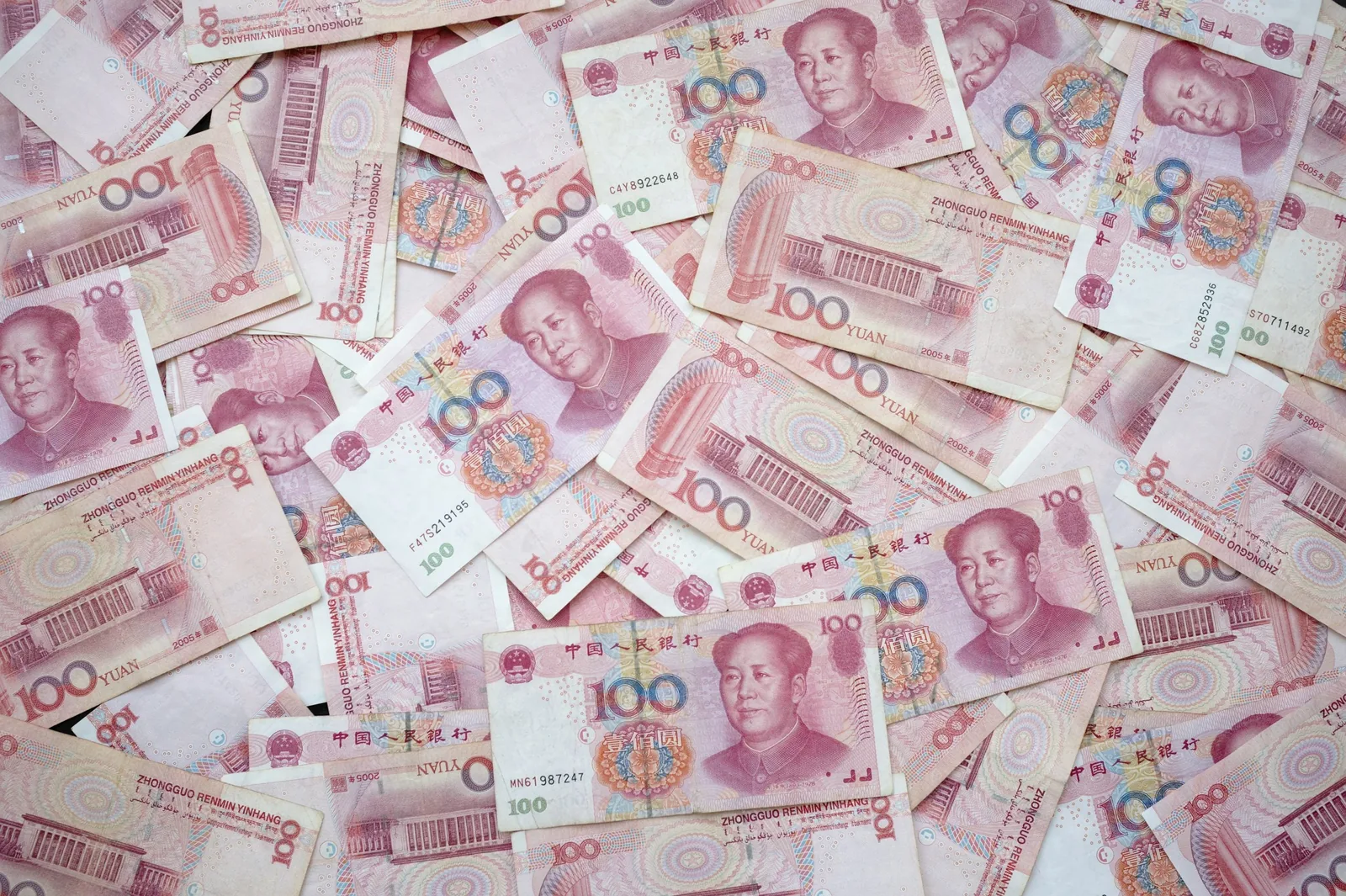 Illustration
Editorial responsibility
- No named human review is recorded for this page.
- Reports are grouped by semantic similarity and deterministic rules. Language models may assist titles, summaries, translation and cross-source analysis; the page reads the event directly, while its address stays stable when the title changes.
- Summary covers the current reports
Cross-source coverage
Reporting timeline
RMB exchange rate breaks 6.7, dollar deposit investors rue 'saving in vain'
The Chinese yuan (RMB) has strengthened past the 6.7 per dollar mark, reaching its highest level since January 2023, causing losses for investors who had bought US dollar deposits. The article profiles individual investors who converted RMB to dollars at rates around 7.13-7.27, only to see exchange rate losses nearly offset or exceed interest income from high-yield dollar deposits (3-4% annually). One investor with $60,000 in deposits reported a paper loss of over 10,000 RMB. Analysts cited include Lou Feipeng from Postal Savings Bank, who attributes the yuan's 8%+ appreciation since April 2025 to strong exports, trade surplus, corporate forex settlement demand, a weaker dollar, and foreign capital inflows. Wang Qing from东方金诚 (Golden Credit Rating) forecasts the yuan will remain stable to strong in the short term, with a core trading range of 6.7-6.9 by year-end, but warns that further appreciation could worsen exchange losses for dollar deposit holders. The article advises investors to consider exchange rate risk, not just interest rate differentials, and to treat foreign currency as a diversification tool rather than a speculative play.
Read sourceYuan Breaks 6.7, Dollar Deposit Investors See Gains Erased by Currency Losses
The Chinese yuan strengthened past 6.7 per dollar, reaching its highest since January 2023, causing losses for Chinese investors who had bought dollar deposits. Beijing resident Ms. Qiao exchanged yuan at rates between 7.13 and 7.27 two years ago, earning 5.1% and 3.1% interest on dollar deposits, but the yuan's appreciation nearly eliminated her interest income. Another investor, Qian Wei, bought $60,000 at an average cost of 7.25 and faces a 7% depreciation loss. Analysts attribute the yuan's rise to strong exports, high trade surplus, corporate forex settlement demand, dollar weakness, and foreign capital inflows. Postal Savings Bank researcher Lou Feipeng notes the yuan has appreciated over 8% since April 2025. Dongfang Jincheng chief analyst Wang Qing forecasts the yuan will trade in a 6.7-6.9 range by year-end, with a 'strengthen first, stabilize later' pattern. Lou expects continued but slower appreciation with two-way volatility. Experts warn that exchange rate losses can offset or exceed interest income on dollar deposits, advising investors to consider currency risk and avoid concentrating in single foreign currencies without corresponding foreign currency liabilities or spending needs.
RMB Breaks 6.70, USD Deposit Investors Face Principal Losses
The article reports that the Chinese yuan (RMB) strengthened past 6.70 against the US dollar on September 18, 2025, reaching a nearly three-year high, following the Federal Reserve's 25-basis-point rate hike. Despite US dollar fixed deposit rates offered by Chinese banks rising to as high as 4%, analysts warn that exchange rate fluctuations pose significant risks. A case study shows an investor who converted 4,000 USD at 7.30 in 2025 and deposited at 2.8% would lose about 1,650 yuan if converting back at 6.70, a 5.7% loss. Experts including Xue Hongyan of Suzhou Bank and Lou Feipeng of China Post Savings Bank advise that such deposits carry hidden exchange rate risk, liquidity risk, and interest rate volatility. They recommend only those with genuine USD needs or existing holdings consider such deposits, while cautioning against speculative currency conversion for higher interest. The article also notes that the People's Bank of China set the midpoint at 6.7521, and analysts forecast the yuan to trade in a 6.70-6.90 range by year-end.
Read sourceShow 2 older updatesHide older updates
RMB Breaks 6.70, Dollar Deposit Investors Face Losses as Exchange Rate Wipes Out Gains
The article reports that the Chinese yuan (RMB) strengthened past 6.70 against the US dollar on September 18, reaching a nearly three-year high, shortly after the Federal Reserve raised its benchmark rate by 25 basis points. Many Chinese banks had preemptively raised USD time deposit rates, with some offering up to 4% annually, significantly higher than RMB deposit rates. However, analysts warn that exchange rate risk is the primary hidden cost. A case study shows an investor who deposited $4,000 at 2.8% when the rate was 7.30 would lose about 1,650 yuan if converting back at 6.70, a 5.7% loss. Experts including Suzhou Bank's Xue Hongyan and China Post Savings Bank's Lou Feipeng caution that USD deposits are not risk-free arbitrage tools, as RMB appreciation can erode or exceed interest gains. They advise only those with genuine USD needs or existing holdings to consider such deposits, while warning against speculative currency conversion for high yields. The People's Bank of China set the midpoint at 6.7521, with analysts forecasting the RMB to trade in a 6.70-6.90 range through year-end.
RMB Breaks 6.70, USD Deposit Investors Face Losses as Exchange Rate Fluctuations Erode Principal
The Chinese yuan (RMB) strengthened past 6.70 against the US dollar on September 18, reaching its highest level since January 2023, as reported by Time Weekly via NetEase Finance. This comes as several Chinese banks have raised USD fixed deposit rates to as high as 4% for one-year terms, following the Federal Reserve's 25-basis-point rate hike on September 16—its first since July 2023. However, analysts warn that the high interest rates mask significant currency risk. Xue Hongyan, a special researcher at Suzhou Bank, notes that USD deposits embed exchange rate risk, which can offset or exceed interest gains. A case study illustrates an investor who converted 29,200 yuan to 4,000 USD at a 7.30 rate in 2025, earning 2.8% interest, but now faces a loss of about 1,650 yuan (5.7%) if converting back at 6.70. Lou Feipeng of the Postal Savings Bank of China advises against speculative USD deposits for those without genuine dollar needs. Forecasts from Dongfang Jincheng's Wang Qing suggest the RMB will trade in a 6.70-6.90 range through year-end, with a 'strengthen first, stabilize later' pattern.