China's Tax Revenue Grows 5.9% in First Eight Months, Slightly Outpacing GDP
China's tax revenue grew 5.9% year-on-year in the first eight months of 2024, slightly outpacing nominal GDP growth of 5.4%. Officials attributed the gap to rising producer prices, active capital markets, and tax policy adjustments. The top 10,000 enterprises contributed nearly half of total tax revenue, while small and micro businesses accounted for only about 10%.
 Illustration
Editorial responsibility
- No named human review is recorded for this page.
- Reports are grouped by semantic similarity and deterministic rules. Language models may assist titles, summaries, translation and cross-source analysis; the page reads the event directly, while its address stays stable when the title changes.
- Summary covers the current reports
Cross-source coverage
Reporting timeline
China's Top 10,000 Taxpayers Contribute Nearly Half of Total Tax Revenue in First Eight Months
According to a Financial Times report cited by Gelonhui on September 22, tax data from China's State Taxation Administration shows that tax revenue collected in the first eight months of 2024 increased by 5.9% year-on-year, slightly outpacing the 5.4% growth rate of nominal GDP for the first half of the year. Huang Lixin, director of the Tax Science Research Institute under the State Taxation Administration, commented that tax growth is broadly consistent with economic growth when calculated at current prices. Notably, the top 10,000 taxpayers by tax payment scale contributed nearly half of total tax revenue, while the top 100,000 enterprises accounted for 90% of all tax revenue. In contrast, other enterprises, including small and micro businesses, contributed only about 10% of total tax revenue. The data highlights the concentration of tax contributions among China's largest firms.
Read sourceChina's Tax Revenue Growth of 5.9% in First Eight Months Largely Matches Economic Expansion
According to tax data reported by Jin10 on September 22, China's tax revenue collected by the tax authorities grew by 5.9% year-on-year in the first eight months of 2024. This figure is slightly higher than the nominal GDP growth rate of 5.4% for the first half of the year, a difference of 0.5 percentage points. Huang Lixin, director of the Tax Science Research Institute of the State Administration of Taxation, stated that since tax revenue is calculated at current prices, the growth in tax revenue this year has generally been basically consistent with economic growth. The report also highlights a significant concentration of tax contributions: the top 10,000 enterprises by tax payment accounted for nearly half of all tax revenue, the top 100,000 enterprises accounted for 90%, while other enterprises, including small and micro businesses, contributed only about 10% of total tax revenue. The data was originally reported by the Financial Times.
Read sourceChina's tax revenue growth slightly outpaces GDP, experts say economy resilient
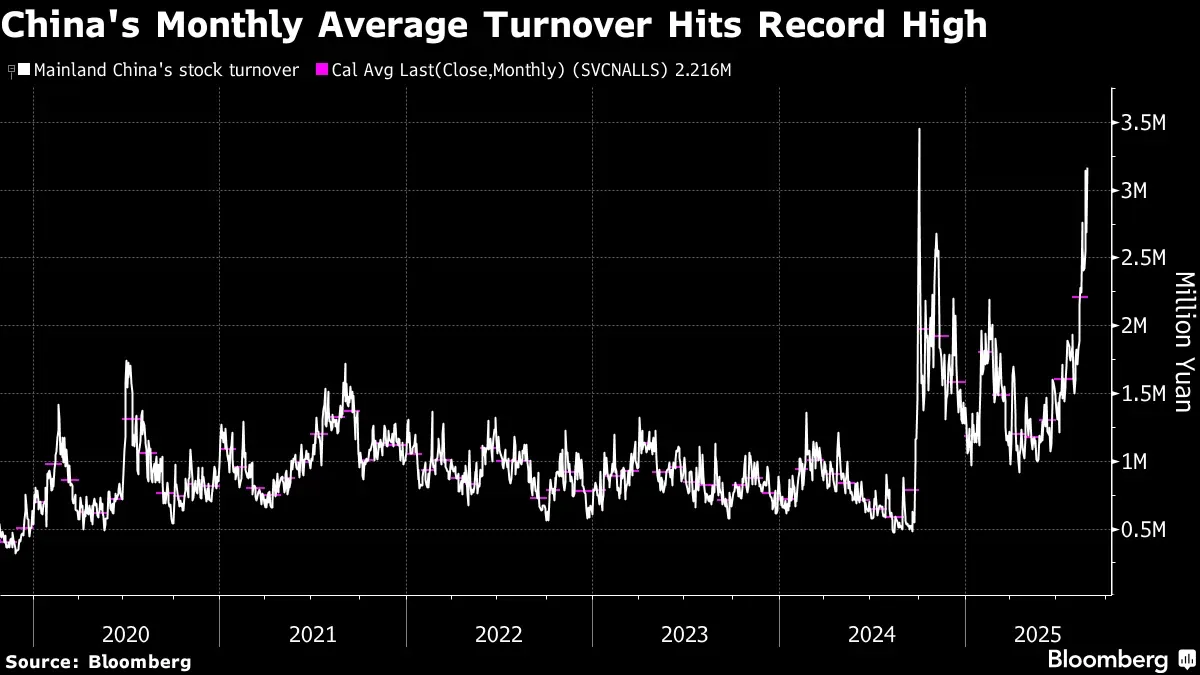
According to data released by China's State Taxation Administration on September 20, tax revenue collected by tax authorities (excluding customs-levied import VAT, consumption tax, tariffs, and tonnage tax, and before deducting export rebates) grew 5.9% year-on-year in the first eight months of 2024, slightly exceeding the 5.4% nominal GDP growth for the first half. Huang Lixin, director of the Taxation Science Research Institute under the State Taxation Administration, attributed the gap to three factors: rising producer prices (PPI turned positive in March after 41 months of decline, rising 2% cumulatively), active capital markets (A-share average daily turnover up 72.8%, driving securities transaction stamp tax up 82% and securities industry tax revenue up 65.6%), and policy adjustments including the new VAT law and tightened tax incentives. Huang emphasized that while these factors boosted tax revenue, they do not directly increase current-period GDP, and overall tax growth remains matched with economic tax sources. Separately, data showed the top 10,000 enterprises contributed nearly half of total tax revenue, while the top 100,000 contributed 90%, with small and micro enterprises accounting for about 10%. Chen Binke, vice president of Central University of Finance and Economics, noted that recent tax and fee relief policies have significantly reduced the burden on small and micro enterprises.
Show 17 older updatesHide older updates
China tax revenue growth slightly outpaces GDP, experts say largely matching
According to data released by China's State Taxation Administration on September 20, tax revenue collected by tax authorities (excluding customs duties and export rebates) grew 5.9% year-on-year in the first eight months of 2024, slightly exceeding the 5.4% growth in nominal GDP for the first half. Huang Lixin, director of the Taxation Research Institute under the State Taxation Administration, attributed the gap to three main factors: rising producer prices (PPI turned positive in March after 41 months of decline, up 2% cumulatively), active capital markets boosting securities transaction stamp tax (up 82%) and related taxes, and policy adjustments from the new VAT law and the standardization of tax incentives. Huang emphasized that overall tax growth remains largely matched with economic tax sources, reflecting China's economic resilience. Separately, data showed the top 10,000 enterprises contributed nearly half of total tax revenue, while the top 100,000 contributed 90%, with small and micro enterprises accounting for about 10%. Chen Binkai, vice president of Central University of Finance and Economics, noted that recent tax and fee relief policies have significantly reduced the burden on small businesses.
Read sourceChina's Jan-Aug Tax Revenue Growth Largely Matches Economic Expansion, Officials Say
According to tax data cited by the Economic Daily, China's tax revenue collected by the tax authorities (excluding customs duties and export tax rebates) grew 5.9% year-on-year in the first eight months of 2024, slightly outpacing the 5.4% nominal GDP growth in the first half. Huang Lixin, director of the State Administration of Taxation's Institute of Tax Science, attributed the gap to three factors: rising producer prices (PPI up 2% year-on-year in Jan-Aug), active capital markets boosting securities-related taxes (securities stamp tax up 82%, securities industry tax revenue up 65.6%), and policy adjustments from the new VAT law and the standardization of tax incentives. He noted that securities transactions and investment gains do not add to current-period GDP. Chen Binkai, vice president of Central University of Finance and Economics, added that large enterprises contribute nearly half of total tax revenue, while small firms benefit from preferential policies, keeping their tax burden low. The analysis underscores the resilience of China's economy.
Read sourceChina's Tax Revenue Growth in First Eight Months Largely Matches Economic Expansion
According to a report from the State Taxation Administration on September 20, China's tax revenue (excluding customs-imported VAT, consumption tax, tariffs, and tonnage tax, and before deducting export rebates) grew 5.9% year-on-year in the first eight months of 2024, slightly outpacing the 5.4% growth in nominal GDP for the same period. Huang Lixin, director of the Institute of Taxation Science under the State Taxation Administration, attributed the 0.5 percentage point gap to three factors: price increases, capital market activity, and policy adjustments. The Producer Price Index (PPI), closely correlated with tax revenue, turned positive in March after 41 consecutive months of decline, rising 2% cumulatively over the eight months, boosting nominal tax revenue. Meanwhile, active capital markets drove growth in securities stamp tax, corporate income tax, personal income tax, and domestic VAT; the average daily A-share stock turnover reached 2.7 trillion yuan, up 72.8% year-on-year. Chen Binkai, vice president and professor at Central University of Finance and Economics, noted that large enterprises contribute the bulk of tax revenue: the top 10,000 enterprises account for nearly half, the top 100,000 for 90%, while small and micro enterprises contribute only about 10%, due to preferential tax policies such as VAT exemption for small-scale taxpayers with monthly sales below 100,000 yuan and a reduced effective corporate income tax rate of 5% for qualifying small-profit enterprises.
Read sourceChina's Tax Revenue Growth Slightly Outpaces GDP in First 8 Months, Experts Explain Factors
According to tax data released by the Chinese government, tax revenue collected by the tax authorities in the first eight months of the year increased by 5.9% year-on-year, slightly outpacing the 5.4% growth in nominal GDP for the first half of the year. Huang Lixin, director of the Tax Research Institute of the State Administration of Taxation, attributed this to three main factors: rising producer prices (PPI up 2% on average from January to August), a buoyant capital market (A-share daily average turnover up 72.8%, driving securities transaction stamp tax up 82%), and tax policy adjustments including the implementation of the new VAT law and the standardization of tax incentives. Huang noted that securities transactions and related investment gains boost tax revenue but do not increase current GDP as they involve transfers of existing assets. Separately, Chen Binkai, a professor at Central University of Finance and Economics, highlighted that large enterprises contribute nearly half of total tax revenue, while small and micro enterprises benefit from significant tax relief policies, resulting in their tax contribution being only about 10%.
Read sourceChina's Tax Revenue Growth Slightly Outpaces GDP in First Eight Months, Officials Say
According to tax data cited by China Tax News, China's tax revenue (excluding customs duties and export rebates) grew 5.9% year-on-year in the first eight months of 2025, slightly above the 5.4% growth in nominal GDP for the same period. Huang Lixin, director of the State Taxation Administration's Institute of Tax Science, attributed the 0.5-percentage-point gap to three factors: rising producer prices (PPI turned positive in March after 41 months of decline, averaging 2% growth), a buoyant capital market (A-share daily turnover up 72.8% year-on-year, boosting securities transaction stamp tax by 82% and securities industry tax revenue by 65.6%), and tax policy adjustments under the new VAT law. Huang emphasized that overall tax growth remains broadly matched with economic tax sources, reflecting economic resilience. Chen Binkai, vice president of Central University of Finance and Economics, noted that large enterprises contribute nearly half of total tax revenue, while small firms benefit from preferential policies, with the top 100,000 firms accounting for 90% of tax revenue.
Read sourceChina's Jan-Aug Tax Revenue Up 5.9%, Slightly Outpacing GDP Growth, Officials Say
According to tax data released by the Economic Daily, China's tax revenue (excluding customs duties and export rebates) grew 5.9% year-on-year in the first eight months of 2024, slightly exceeding the 5.4% nominal GDP growth in the first half. Huang Lixin, director of the State Taxation Administration's Tax Science Research Institute, attributed the gap to three factors: rising producer prices (PPI turned positive in March, up 2% cumulatively), a booming capital market (A-share average daily turnover up 72.8%, driving securities transaction stamp tax up 82% and securities industry tax revenue up 65.6%), and tax policy adjustments including the new VAT law and the removal of certain tax incentives. Huang noted that capital market gains involve asset transfers, not current production, so they boost tax revenue but not GDP. Chen Binbin, vice president of Central University of Finance and Economics, added that large enterprises contribute nearly half of all tax revenue, while small firms benefit from preferential policies, paying only about 10% of total taxes.
Read sourceChina's Jan-Aug Tax Revenue Up 5.9%, Largely Matching Economic Growth, Official Says
According to China's State Taxation Administration, tax revenue collected by tax departments (excluding customs duties and export rebates) grew 5.9% year-on-year in the first eight months of 2024. Huang Lixin, director of the institute of tax science under the administration, attributed the growth to three factors: rising producer prices (PPI turned positive in March after 41 months of decline), a buoyant capital market (A-share average daily turnover up 72.8% year-on-year, boosting securities stamp tax by 82% and securities industry tax by 65.6%), and tax policy adjustments including the new VAT law and the removal of certain tax incentives. Huang stated that while tax growth slightly outpaced nominal GDP growth of 5.4% in the first half, it is broadly consistent with economic tax sources. Chen Binkai, a professor at Central University of Finance and Economics, noted that large enterprises contribute nearly half of all tax revenue, while small and micro enterprises benefit from preferential policies and contribute only about 10%.
Read sourceChina's Tax Revenue Growth Slightly Outpaces GDP in First Eight Months, Showing Resilience
According to tax data released by the Chinese government, tax revenue collected by the tax authorities in the first eight months of the year (excluding customs-imported VAT, consumption tax, customs duty, and tonnage tax, and before deducting export rebates) grew 5.9% year-on-year, slightly exceeding the 5.4% growth rate of nominal GDP for the first half of the year. Huang Lixin, director of the State Taxation Administration's Institute of Tax Science, attributed the 0.5 percentage point gap to three special factors: price recovery, a rebound in capital markets, and tax system optimization. The capital market's significant activity was the core incremental factor, with the average daily A-share stock turnover reaching 2.7 trillion yuan, up 72.8% year-on-year, driving securities transaction stamp tax up 82% and securities industry tax revenue up 65.6%. Huang noted that securities transactions involve asset ownership transfer, not current production, so they boost tax revenue without increasing GDP. Industrial product price recovery, with the PPI turning positive in March and rising 2% over the period, also supported tax growth. Tax system reforms, including the implementation of the VAT Law on January 1, contributed to standardized revenue collection. Chen Binkai, vice president of Central University of Finance and Economics, noted that large enterprises contribute nearly half of all tax revenue, while small and micro enterprises benefit from preferential policies, with their actual corporate income tax burden as low as 5%.
Read sourceChina's Tax Revenue Up 5.9% in First Eight Months, Official Says Growth Matches Economy
According to a report from the State Taxation Administration on September 20, China's tax revenue (excluding customs duties and export rebates) grew 5.9% year-on-year in the first eight months of 2024, slightly outpacing the 5.4% growth in nominal GDP for the first half. Huang Lixin, director of the Institute of Taxation Science under the State Taxation Administration, attributed the faster tax growth to three factors: rising producer prices (PPI turned positive in March after 41 months of decline, averaging 2% growth over eight months), a buoyant capital market (A-share average daily turnover rose 72.8% to 2.7 trillion yuan, boosting stamp duty, corporate and personal income taxes), and tax policy adjustments including the implementation of the new VAT law and the standardization of preferential policies. Huang emphasized that the tax growth is broadly consistent with economic tax sources, reflecting economic resilience. Chen Binkai, a professor at Central University of Finance and Economics, noted that large enterprises contribute nearly half of total tax revenue, while small and micro enterprises benefit from significant tax relief, paying only about 10% of total taxes.
China Tax Revenue Growth Slightly Outpaces GDP, Expert Cites Price and Market Factors
According to data released by China's State Taxation Administration on August 20, tax revenue collected by tax authorities (excluding customs-levied taxes and export rebates) grew 5.9% year-on-year in the first eight months of the year, slightly exceeding the 5.4% growth rate of nominal GDP for the same period. Huang Lixin, director of the Institute of Taxation Science under the State Taxation Administration, attributed the 0.5 percentage point gap to three main factors: rising producer prices (PPI turned positive in March after 41 months of decline, averaging 2% growth), a buoyant capital market (A-share average daily turnover up 72.8% year-on-year, driving securities stamp tax up 82% and securities industry tax revenue up 65.6%), and policy adjustments including the implementation of the new VAT law and the standardization of tax incentives. Huang emphasized that while these factors caused tax growth to slightly outpace GDP growth, the overall trend remains aligned with economic tax sources, reflecting China's economic resilience. The data also showed that the top 10,000 enterprises contributed nearly half of total tax revenue, while the top 100,000 contributed 90%, with small and micro enterprises benefiting from tax relief policies.
Three Factors Drive China's Tax Revenue Growth in Line with Economic Expansion
According to a Xinhua report citing the State Taxation Administration, China's tax revenue (excluding customs duties and export rebates) grew 5.9% year-on-year in the first eight months of 2024, slightly outpacing the 5.4% GDP growth for the first half. Huang Lixin, director of the Taxation Research Institute, attributed the faster tax growth to three factors: rising producer prices (PPI turned positive in March after 41 months of decline, rising 2% cumulatively), active capital markets boosting securities transaction stamp tax (up 82%) and related corporate taxes, and policy adjustments including the new VAT law and reduced tax incentives. He noted that capital gains from asset transfers do not add to current GDP. Chen Binkai, vice president of Central University of Finance and Economics, added that large enterprises contribute nearly half of all tax revenue, while small firms benefit from significant tax breaks, such as VAT exemptions for monthly sales under 100,000 yuan and a 5% effective corporate income tax rate for qualifying small enterprises.
Read sourceChina Tax Revenue Growth Slightly Outpaces GDP; Experts Cite Prices, Markets, Policy
According to a Beijing News Shell (BEKE) Finance report, China's tax revenues (excluding certain categories) grew 5.9% year-on-year in the first eight months of 2025, slightly outpacing the nominal GDP growth rate of 5.4% in the first half. Huang Lixin, Director of the Institute of Tax Science at the State Taxation Administration, attributed this to three factors. First, the Producer Price Index (PPI) turned positive in March after 41 months of decline, boosting tax revenues measured at current prices. Second, active capital markets drove stamp duty on securities transactions up 82% and related taxes, though these asset transfers do not significantly contribute to current GDP. Third, policy adjustments from the new Value-Added Tax Law and standardization of tax preferences increased revenues without directly stimulating GDP. Chen Binkai, Vice President at Central University of Finance and Economics, noted that large enterprises contribute nearly half of total tax revenues, while small and micro enterprises benefit from preferential policies, accounting for only about 10% of tax contributions. Huang concluded that tax growth remains broadly consistent with economic tax sources, reflecting China's economic resilience.
Read sourceChina Tax Revenue Up 5.9% in First Eight Months, Securities Stamp Duty Surges 82%
On September 20, China's State Taxation Administration released tax data for the first eight months of the year, showing national tax revenue collected by tax authorities rose 5.9% year on year. The report attributes this growth partly to a 2% cumulative increase in the Producer Price Index for Industrial Products (PPI), which boosted current-price-based tax revenue. Additionally, active capital markets contributed significantly: average daily A-share trading volume reached 2.7 trillion yuan, up 72.8% year on year. This drove sharp increases in related taxes, including stamp duty on securities transactions (up 82%), personal income tax on restricted share transfers (up 59.7%), and securities industry tax revenue (up 65.6%). Tax revenue from insurance and other financial sectors rose 14.6% and 18.5% respectively. The report also notes that the state standardized certain tax incentives inconsistent with high-quality development, further contributing to revenue growth.
Read sourceChina's Jan-Aug Tax Revenue Up 5.9%, Slightly Outpacing GDP Growth, Tax Bureau Says
China's tax revenue (excluding customs duties and export rebates) grew 5.9% year-on-year in the first eight months of 2025, slightly exceeding the 5.4% growth in nominal GDP for the first half, according to the State Taxation Administration. Huang Lixin, director of the agency's Institute of Taxation Science, attributed the gap to three factors: rising producer prices (PPI up 2% year-on-year from March), active capital markets boosting securities transaction stamp tax (up 82%) and related taxes, and policy adjustments under the new VAT law. He stated that tax growth broadly matches economic growth. Chen Binkai, a professor at Central University of Finance and Economics, noted that the top 10,000 corporate taxpayers contributed nearly half of all tax revenue, while small firms benefit from preferential policies and contribute only about 10%.
Read sourceChina Tax Revenue Up 5.9% in First Eight Months, Driven by Stock Market Activity
According to data from China's State Taxation Administration, national tax authorities collected tax revenues that increased by 5.9% year-on-year in the first eight months of this year, as reported by Jin10 Data on September 20. The Producer Price Index for Industrial Products (PPI), which is highly correlated with tax revenues, rose by a cumulative 2% during the same period, driving relatively rapid growth in tax revenues calculated at current prices. The capital market remained generally active, with average daily A-share trading volume reaching 2.7 trillion yuan, up 72.8% year-on-year. This boosted related taxes: stamp duty on securities transactions surged 82%, personal income tax on gains from restricted share transfers jumped 59.7%, and tax revenues from the securities industry grew 65.6%. Insurance and other financial sectors saw tax revenue increases of 14.6% and 18.5%, respectively. Other industries also benefited from higher returns on stock market investments. Additionally, the state standardized certain tax incentives inconsistent with high-quality development, contributing to the revenue increase. (CCTV)
Read sourceChina's tax revenue rises 5.9% in first eight months, driven by stock market and PPI gains
According to the latest tax data released by China's State Taxation Administration, tax revenue collected by tax authorities nationwide increased by 5.9% year-on-year in the first eight months of this year. The growth was driven by a 2% cumulative rise in the Producer Price Index (PPI), which boosted tax revenue calculated at current prices. Additionally, the active capital market contributed significantly, with the average daily A-share stock turnover reaching 2.7 trillion yuan, up 72.8% from the same period last year. This spurred growth in related taxes and industries: securities transaction stamp tax rose 82%, personal income tax on restricted stock transfers increased 59.7%, and securities industry tax revenue grew 65.6%. Insurance and other financial sectors saw tax revenue increases of 14.6% and 18.5%, respectively. The report also noted that the government has standardized certain tax incentives that were not aligned with high-quality development, further boosting revenue. Large enterprises contributed nearly half of total tax revenue, with the top 10,000 taxpayers accounting for close to 50%, while small and micro enterprises benefited from preferential policies such as VAT exemptions for monthly sales under 100,000 yuan and a reduced effective corporate income tax rate of 5% for qualifying small firms.
Read sourceChina Tax Revenue Growth in First 8 Months Aligns with Economic Growth, Official Says
According to a Cailian Press report on September 20, China's State Taxation Administration released tax data for the first eight months of the year. Tax revenue collected by tax authorities (excluding import VAT, consumption tax, customs duties, and vessel tonnage tax, before deducting export tax rebates) increased by 5.9% year-on-year, which is 0.5 percentage points higher than the nominal GDP growth rate of 5.4% for the first half of the year. Huang Lixin, Director of the Institute of Tax Science at the State Taxation Administration, stated that tax growth has been largely aligned with economic growth since the beginning of the year. He attributed the slightly faster tax growth to three main factors: first, price increases, as the Producer Price Index (PPI) turned positive in March after 41 months of negative growth and rose 2% cumulatively in the first eight months; second, capital market activity boosting securities transaction stamp duty, corporate income tax, individual income tax, and domestic value-added tax; and third, policy adjustments from the new Value-Added Tax Law and standardization of tax incentives, though these do not directly contribute to GDP growth.
Read source