China accelerates investment push as economists urge central fiscal expansion
Since late August, China's National Development and Reform Commission has accelerated investment deployment, holding multiple meetings on "six networks" infrastructure and 15th Five-Year Plan projects. Economists including Justin Lin Yifu and Huang Yiping argue for expanding effective investment to rebalance the economy, while Morgan Stanley's Xing Ziqiang highlights AI capex as a dominant force. An 800 billion yuan policy financial instrument has begun disbursement, but experts warn local debt pressures may hinder matching funds and urge central government borrowing to replace local debt.
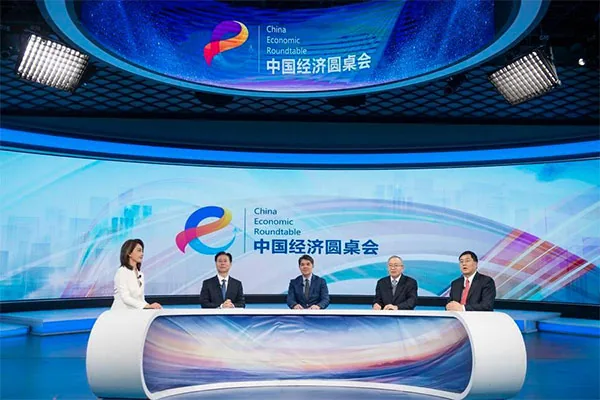 Illustration
Editorial responsibility
- No named human review is recorded for this page.
- Reports are grouped by semantic similarity and deterministic rules. Language models may assist titles, summaries, translation and cross-source analysis; the page reads the event directly, while its address stays stable when the title changes.
- Summary covers the current reports
Cross-source coverage
Reporting timeline
China Accelerates Investment Expansion as Economists Debate Fiscal Room and AI-Led Growth
Since late August, China's National Development and Reform Commission (NDRC) has accelerated deployment to expand investment, focusing on 'Six Networks' infrastructure and 15th Five-Year Plan projects. Economists including Justin Yifu Lin and Huang Yiping argue that expanding effective investment is key to rebalancing the economy amid declining investment rates and persistent supply-demand imbalances. Morgan Stanley's Xing Ziqiang forecasts that AI capital expenditure will generate $12 trillion in incremental capital expenditure over the next decade in China's Industry 5.0 transition. On funding, Li Xunlei of Zhongtai International advocates for central government borrowing to replace local debt, citing China's low-inflation environment and substantial borrowing room. Lin Yifu suggests central bond issuance to refinance local debts incurred for nationally mandated infrastructure. The article notes that 800 billion yuan in new policy-based financial instruments have been launched, tilted toward private capital and key infrastructure projects.
Read sourceChina Experts Urge Central Government to Expand Fiscal Capacity to Boost Effective Investment
Since late August, China's National Development and Reform Commission has accelerated investment expansion plans, focusing on 'effective investment' and 'expanding investment space' in recent private enterprise symposiums. At least three work meetings have been held since August 20 to advance the 'six networks' and major projects outlined in the 15th Five-Year Plan. Economists, including Peking University's Justin Lin Yifu and Huang Yiping, argue that expanding demand is essential for economic rebalancing, with investment playing a key role in developing countries. Morgan Stanley's Xing Ziqiang highlights AI capital expenditure as a dominant force in the current investment cycle, predicting $12 trillion in incremental capital spending for China's Industry 5.0 over the next decade. To fund these investments, experts like Li Xunlei of Zhongtai International advocate for central government leverage to replace local government debt, easing local fiscal pressures. The new policy financial tools, totaling 800 billion yuan, have begun disbursing funds, prioritizing private capital and projects aligned with the 'six networks' and manufacturing.
Read sourceNDRC Accelerates Investment Deployments; Experts Urge Full Use of Central Fiscal Room
Since late August, China's National Development and Reform Commission (NDRC) has accelerated efforts to expand investment, holding multiple symposiums and working meetings on major projects under the 'Six Networks' initiative and the 15th Five-Year Plan. Economists including Justin Yifu Lin argue that expanding demand through investment is key to rebalancing the economy, with developing countries benefiting from productivity-enhancing investments. Huang Yiping notes that while China's consumption rate has risen, investment demand must be restored amid local debt and real estate adjustments. Morgan Stanley's Xing Ziqiang identifies AI-related capital expenditure as the dominant force in the current investment cycle, forecasting $12 trillion in incremental capex for China's Industry 5.0 over the next decade. Zhang Ming highlights that new policy-based financial instruments totaling RMB 800 billion are being deployed, but local government debt pressures hinder matching funds, underscoring the need to fully leverage central fiscal expansion capacity.
Read sourceShow 2 older updatesHide older updates
NDRC Accelerates Investment Measures; Experts Urge Full Use of Central Fiscal Expansion Room
Since late August, China's National Development and Reform Commission (NDRC) has accelerated deployment of measures to expand investment, holding at least three working meetings on major projects under the 'Six Networks' initiative and the 15th Five-Year Plan. Economists including Justin Yifu Lin argue that developing countries like China need investment-led growth to enhance productivity, while developed economies naturally increase consumption. Huang Yiping notes China's investment rate has dropped faster than consumption rate due to local government debt and real estate adjustments, urging restoration of investment demand. Morgan Stanley's Xing Ziqiang highlights AI capital expenditure as the dominant force in the current investment cycle, estimating Industry 5.0 will generate $12 trillion in incremental capital expenditure over the next decade. Regarding funding, policy-based financial instruments totaling RMB 800 billion have been deployed, tilted toward private capital and 'Six Networks' projects. Experts including Li Xunlei and Lin Yifu emphasize that central government borrowing should replace local government debt to alleviate cash flow pressures, noting China's low-inflation environment allows further debt expansion without triggering inflation.
Read sourceChina investment expansion accelerates; experts urge full use of central fiscal space
Since late August, China's National Development and Reform Commission has accelerated investment deployment, holding private enterprise forums and at least three work meetings to advance 'six networks' infrastructure and major projects from the 15th Five-Year Plan. Economists including Lin Yifan, Huang Yiping, Yu Yongding, Li Xunlei, and Xing Ziqiang argue that expanding effective investment remains key to short-term growth and economic rebalancing. Lin Yifan states developing countries need investment to raise productivity, while developed economies focus on consumption due to lower marginal returns from innovation. Huang Yiping notes China's investment rate has fallen faster than consumption since 2018 due to local debt, property adjustments, and declining traditional industry investment. Li Xunlei advocates central government leverage expansion and replacing local debt with central bonds to ease local cash flow, citing China's low inflation and room for debt growth. A new 800 billion yuan policy financial instrument has begun disbursement, favoring private capital and infrastructure projects. However, experts warn local government debt pressures may hinder matching funds, and suggest central bond swaps for past local debts incurred under national policy.
Read source