China Launches Major Mineral Exploration Campaign to Boost Strategic Resource Self-Sufficiency
On September 22, China's Ministry of Natural Resources announced a new round of strategic mineral exploration for the 2026-2030 period, citing rigid demand growth for key resources. The plan includes a national geological mapping program, a major exploration campaign focusing on oil, iron, copper, aluminum, and rare earths, and construction of approximately 300 energy resource bases. The ministry reported adding nearly 70 million tons of oil and 610 billion cubic meters of natural gas in recoverable reserves from January to August, along with super-large discoveries at the Maoniuping rare earth mine in Sichuan and the Chating copper-gold mine in Anhui.
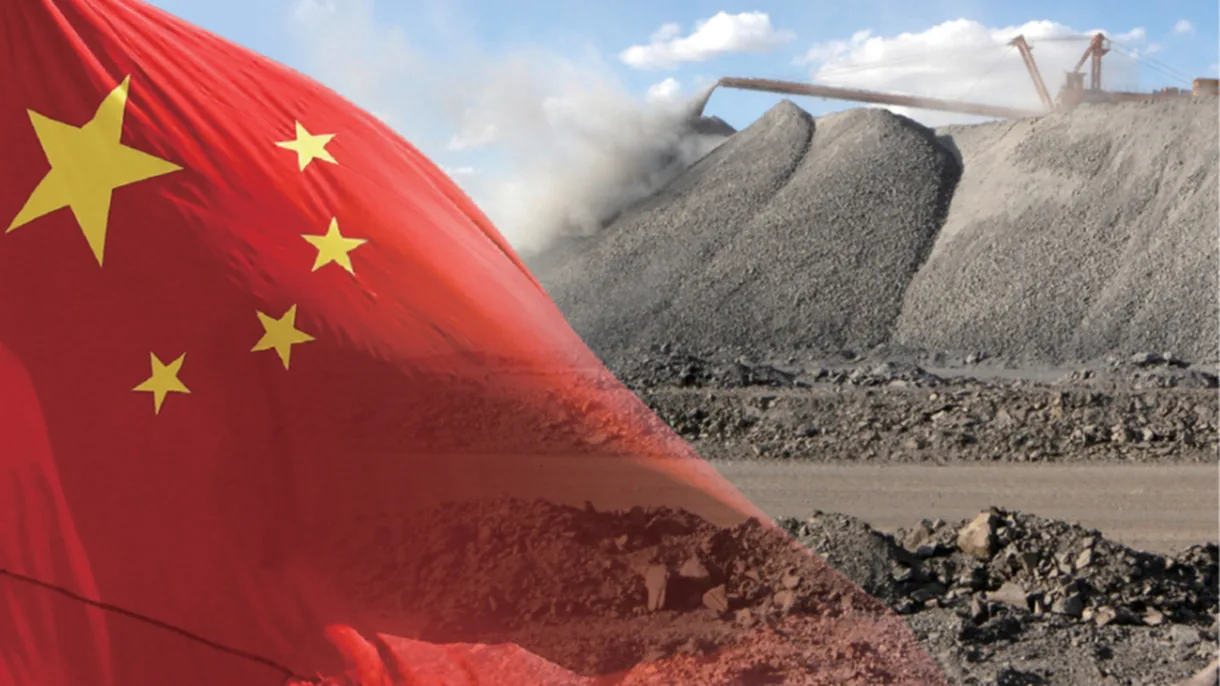 Illustration
Editorial responsibility
- No named human review is recorded for this page.
- Reports are grouped by semantic similarity and deterministic rules. Language models may assist titles, summaries, translation and cross-source analysis; the page reads the event directly, while its address stays stable when the title changes.
- Summary covers the current reports
Cross-source coverage
Reporting timeline
China's Natural Resources Ministry to Launch New Round of Mineral Exploration Campaign
On September 22, Liu Guohong, head of China's Ministry of Natural Resources, announced at a State Council press conference that the ministry will continue implementing a new round of strategic mineral exploration actions. The announcement came during a briefing on the '15th Five-Year Plan' (2026-2030) period, which the ministry framed around the keywords of safety, efficiency, and sustainability. Vice Minister Zhou Xing stated that China's demand for key mineral resources is expected to maintain rigid growth during the '15th Five-Year Plan' period. To address this, the ministry will pursue exploration breakthroughs through four measures: prioritizing geological surveys with a national geological mapping plan; increasing exploration and mining efforts; strengthening technological innovation to unlock new reserves and revitalize existing ones; and improving policies to incentivize exploration. The ministry also reported that from January to August, national exploration rights transaction value surged 133.5% year-on-year, while new oil recoverable reserves reached nearly 70 million tons and new natural gas recoverable reserves reached 610 billion cubic meters. Additionally, the ministry outlined plans to develop multiple resource industries, including promoting green and low-carbon transformation in mining, expanding forestry and grass industries such as woody grain and oil and under-forest economy, developing marine biomedical and seawater desalination industries, and leveraging geographic information data to empower traditional industries.
Read sourceChina discovers super-large rare earth mine in Sichuan, plans major mineral exploration push
On September 22, China's Ministry of Natural Resources announced at a State Council press conference that it has successfully discovered several super-large mineral deposits this year, including the Maoniuping rare earth mine in Sichuan and the Chating copper-gold mine in Anhui. The Maoniuping mine, located in Mianning County, Sichuan, saw its rare earth oxide (REO) reserves increase by 9.666 million tonnes, bringing total identified resources to 11.46 million tonnes—a 500% increase—making it the world's second-largest in-production rare earth mine. Vice Minister Zhou Xing stated that during the '15th Five-Year Plan' period, China's demand for key mineral resources will maintain rigid growth. The ministry outlined a four-pronged strategy: conducting national geological mapping to identify resource potential; launching a major prospecting campaign focusing on oil, iron, copper, aluminum, and rare earths; strengthening technological innovation including AI applications to explore deep earth and ocean resources; and improving policies under the new Mineral Resources Law to incentivize exploration investment.
China's Natural Resources Ministry Plans About 300 Energy Resource Bases to Boost Self-Sufficiency
On September 22, China's Ministry of Natural Resources spokesperson and Vice Minister Zhou Xing announced in Beijing that the ministry is steadily advancing the construction of approximately 300 energy and resource bases, aiming to significantly increase the self-sufficiency rate of strategic mineral resources. Speaking at a State Council Information Office press conference on the '15th Five-Year Plan' period, Zhou stated that demand for key mineral resources will remain rigidly growing. The ministry will continue a new round of strategic mineral prospecting actions, including a national geological mapping plan to raise 1:50,000 regional geological survey coverage to 51% and coverage of important metallogenic belts to 66%. A major prospecting campaign will focus on scarce minerals like oil, iron, copper, and aluminum, while also addressing rare earths. The goal is to discover new large and medium-sized mineral deposits and oil and gas fields, and to revitalize previously difficult-to-utilize resources. Zhou also noted that this year, super-large deposits including the Maoniuping rare earth mine in Sichuan and the Chating copper-gold mine in Anhui have been successfully proven, marking major breakthroughs in exploration and reserve increases.
Show 17 older updatesHide older updates
China's Natural Resources Ministry Says Mineral Demand to Stay Strong in 15th Five-Year Plan
On September 22, China's Natural Resources Ministry spokesperson and Vice Minister Zhou Xing stated at a State Council Information Office press conference that China, as a major manufacturing country, will maintain rigid growth in demand for important mineral resources during the '15th Five-Year Plan' period (2026-2030). To secure supply, the ministry will launch a new round of mineral prospecting breakthrough strategy, including a national geological mapping plan to increase land area 1:50,000 regional geological survey coverage to 51% and coverage of important metallogenic belts to 66%. It will also organize a 'prospecting campaign' focusing on紧缺 minerals such as oil, iron, copper, and aluminum, while also considering rare earths and other advantageous minerals. The plan includes deploying key exploration and mining projects, steadily building about 300 energy resource bases, and enhancing technological innovation to improve mining recovery rates, mineral processing recovery rates, and comprehensive resource utilization rates.
Read sourceChina to Launch Major Mineral Exploration Campaign During 15th Five-Year Plan
On September 22, China's State Council Information Office held a press conference where a Ministry of Natural Resources official announced that during the '15th Five-Year Plan' period (2026-2030), China will organize a major mineral exploration campaign. The campaign will focus on scarce minerals such as oil, iron, copper, and aluminum, while also addressing rare earths and other advantageous minerals. The plan includes deploying a number of key exploration and mining projects, aiming to discover new large and medium-sized mineral deposits and oil and gas fields, and to steadily advance the construction of approximately 300 energy and resource bases. The goal is to significantly increase the self-sufficiency rate of strategic mineral resources and enhance the country's energy and resource security. The official noted that demand for important mineral resources will maintain rigid growth during the period. In the first eight months of this year, China added nearly 70 million tons of recoverable oil reserves and 610 billion cubic meters of recoverable natural gas. The ministry will continue the new round of strategic mineral exploration actions, strengthen geological surveys, implement a national geological mapping plan, and enhance technological innovation, including the use of artificial intelligence, to explore deeper underground and marine resources.
Read sourceChina to Continue New Round of Mineral Prospecting Breakthrough Strategy
On September 22, Liu Guohong, head of China's Ministry of Natural Resources, announced at a State Council press conference that the ministry will continue its new round of mineral prospecting breakthrough strategy during the '15th Five-Year Plan' period. The announcement was made as part of a series of briefings on the plan's opening year. Data from January to August showed a 133.5% year-on-year increase in the transaction value of exploration rights, and significant new reserves of oil, natural gas, copper, and lead-zinc were discovered. Vice Minister Zhou Xing stated that demand for key minerals is expected to remain rigidly growing, and the ministry will advance prospecting through geological surveys, increased exploration, technological innovation, and policy improvements. The ministry also outlined plans to promote green transformation in mining, develop forestry and marine industries, and leverage geographic information data to support high-quality development.
Read sourceChina's Natural Resources Ministry Unveils Policies to Cut Land Costs and Boost Mineral Exploration
On September 22, China's Ministry of Natural Resources (MNR) held a press conference outlining key policies for the 15th Five-Year Plan period. MNR officials announced measures to reduce upfront land acquisition costs by optimizing land policies, adjusting payment schedules, and introducing transitional and temporary use policies. The ministry will also issue special support policies for new business forms and industries. To enhance strategic mineral self-sufficiency, MNR plans to launch a new round of mineral exploration campaigns focusing on紧缺 minerals like oil, iron, copper, and aluminum, while also considering rare earths. The goal is to discover new large and medium-sized mineral deposits and oil/gas fields, and steadily build about 300 energy resource bases. MNR aims to increase the coverage of 1:50,000 regional geological surveys to 51% and mineral geological surveys in key metallogenic belts to 66%. For the mining sector, the ministry targets over 80% of large and medium-sized mines to become green mines and seeks breakthroughs in deep-sea/deep-earth exploration, smart mining, and mineral processing. MNR also aims to push the marine economy's gross product above 13 trillion yuan, promote the authorized operation of public data like satellite navigation reference stations, and accelerate the application of BeiDou navigation to support smart driving, low-altitude economy, and embodied AI industries.
Read sourceChina's Natural Resources Ministry to Cut Land Costs, Boost Mineral Exploration and Marine Economy
On September 22, China's Ministry of Natural Resources (MNR) held a press conference outlining key policies for the 15th Five-Year Plan period. MNR head Liu Guohong reported that from January to August, China added nearly 70 million tonnes of recoverable oil reserves and 610 billion cubic meters of natural gas. Major new deposits were found at the Chating copper-gold mine in Anhui and the Zhugongtang lead-zinc mine in Guizhou. Vice Minister Zhou Xing announced a national geological mapping plan to increase 1:50,000 survey coverage to 51% and mineral survey coverage in key belts to 66%. The ministry will launch a mineral exploration campaign focusing on紧缺 (scarce) minerals like oil, iron, copper, and aluminum, while also targeting rare earths, aiming to discover new large- and medium-sized deposits and build about 300 energy resource bases to boost self-sufficiency. Zhou also said over 80% of large- and medium-sized mines should become green mines, and the marine economy should surpass 13 trillion yuan. Vice Minister Zhang Wentong stated the ministry will optimize land policies to reduce upfront land acquisition costs, including adjusting payment schedules and transitional use policies, and will support new business forms and industries through special policies. The ministry also plans to improve the land market, promote layered rights allocation, and reform land reserve systems.
Read sourceChina's Natural Resources Ministry Pledges Lower Land Costs, Boosts Mineral Exploration
On September 22, China's Ministry of Natural Resources (MNR) held a press conference outlining plans for the '15th Five-Year Plan' period. MNR head Liu Guohong reported that from January to August, China added nearly 70 million tonnes of recoverable oil reserves and 610 billion cubic meters of natural gas. Vice Minister Zhou Xing announced a national geological mapping plan to increase 1:50,000 regional geological survey coverage to 51% and mineral geological survey coverage in key belts to 66%. The ministry will launch a 'prospecting campaign' focusing on scarce minerals like oil, iron, copper, and aluminum, while also targeting rare earths, aiming to discover new large and medium-sized deposits and build about 300 energy resource bases to significantly boost self-sufficiency in strategic minerals. Zhou also said the ministry aims to have over 80% of large and medium-sized mines become 'green mines' and to push marine GDP past 13 trillion yuan. Vice Minister Zhang Wentong stated the ministry will optimize land policies to lower upfront land acquisition costs, including adjusting payment schedules and transitional use policies, and will introduce special policies to support new business forms and industries.
Read sourceChina's New Round of Mineral Prospecting Achieves Promising Breakthroughs in 2025
On September 22, 2025, China's State Council Information Office held a press conference on the '15th Five-Year Plan' start. The Ministry of Natural Resources reported significant progress in the new round of mineral prospecting. From January to August 2025, China added nearly 70 million tons of recoverable oil reserves and 610 billion cubic meters of natural gas. Major discoveries include the super-large Anhui Chating copper-gold deposit and the Guizhou Zhugongtang lead-zinc deposit. Vice Minister Zhou Xing stated that demand for key mineral resources will remain rigidly growing during the '15th Five-Year Plan' period. The ministry plans to continue the prospecting campaign, focusing on oil, iron, copper, and aluminum, while also advancing rare earths. Key measures include increasing geological survey coverage to 51% of land area, launching a 'prospecting campaign' for new large mines, building about 300 energy resource bases, applying AI technology for deep-earth and marine exploration, and reforming mining regulations to attract investment. The goal is to significantly boost self-sufficiency in strategic minerals and secure energy resource safety.
Read sourceChina discovers super-large rare earth and copper-gold deposits in Sichuan and Anhui provinces
On September 22, China's State Council Information Office held a press conference on natural resource security during the 15th Five-Year Plan period. Natural Resources Ministry spokesperson and Vice Minister Zhou Xing stated that demand for key mineral resources will remain rigidly growing. The ministry will continue a new round of mineral exploration campaigns, including a national geological mapping plan to increase 1:50,000 coverage to 51% and coverage of key metallogenic belts to 66%. A major exploration campaign will focus on紧缺 minerals like oil, iron, copper, and aluminum, as well as advantageous minerals like rare earths, aiming to discover new large and medium-sized deposits and oil/gas fields, and build about 300 energy resource bases to boost self-sufficiency. Zhou announced that this year, super-large deposits including the Sichuan Maoniuping rare earth mine and Anhui Chating copper-gold mine have been successfully proven. The 2026 China International Mining Conference saw record participation, indicating a strong start for the 15th Five-Year Plan mining work.
Read sourceChina to Build About 300 Energy Resource Bases to Boost Mineral Self-Sufficiency
China's Ministry of Natural Resources announced on September 22 that it is steadily advancing the construction of approximately 300 energy resource bases as part of a new round of strategic mineral exploration. Vice Minister Zhou Xing stated at a State Council press conference that demand for key mineral resources will remain strong during the '15th Five-Year Plan' period. The ministry plans to increase land-based 1:50,000 regional geological survey coverage to 51% and coverage of important metallogenic belts to 66%. A major exploration campaign will focus on scarce minerals such as oil, iron, copper, and aluminum, as well as advantageous minerals like rare earths, aiming to discover new large and medium-sized deposits and oil and gas fields. The goal is to significantly raise China's self-sufficiency rate in strategic minerals. The ministry also plans to boost innovation in deep-earth and marine resource extraction, re-evaluate existing resources to utilize low-grade ores, and improve mining recovery rates. Zhou noted that major discoveries have already been made this year, including the Maoniuping rare earth mine in Sichuan and the Chatting copper-gold mine in Anhui.
Read sourceChina's Ministry of Natural Resources to Continue New Round of Mineral Exploration Campaign
On September 22, China's State Council Information Office held a press conference on natural resource security for the '15th Five-Year Plan' period. Ministry of Natural Resources spokesperson and Vice Minister Zhou Xing stated that demand for key mineral resources will remain rigidly growing. The ministry will continue a new round of mineral exploration campaigns, focusing on oil, iron, copper, and aluminum, while also attending to rare earths. Plans include increasing land-based 1:50,000 geological survey coverage to 51% and key metallogenic belt coverage to 66%. The ministry will launch a 'mineral exploration campaign' to discover new large and medium-sized deposits and oil/gas fields, and steadily build about 300 energy resource bases to significantly boost self-sufficiency rates. It will also deepen innovation in exploration theory, technology, and equipment, increase AI application, and push for deeper earth and marine resources. Existing resources will be re-evaluated to utilize co-associated, low-grade, and difficult-to-use ores. The ministry will implement the new Mineral Resources Law to streamline regulations and attract investment. Data showed that from January to August, China added nearly 70 million tons of oil and 610 billion cubic meters of natural gas in recoverable reserves, and discovered super-large deposits including the Maoniuping rare earth mine in Sichuan and the Chatting copper-gold mine in Anhui.
Read sourceChina's Natural Resources Ministry Says Mineral Demand to Stay Strong in 15th Five-Year Plan Period
On September 22, China's Ministry of Natural Resources spokesperson and Vice Minister Zhou Xing stated at a State Council Information Office press conference that China, as a manufacturing powerhouse, will see rigid growth in demand for key mineral resources during the '15th Five-Year Plan' period (2026-2030). To secure supply, the ministry will launch a new round of mineral exploration breakthroughs, including a national geological mapping plan to increase land-based 1:50,000 regional geological survey coverage to 51% and coverage of key metallogenic belts to 66%. It will also organize a major exploration campaign focusing on scarce minerals such as oil, iron, copper, and aluminum, while also attending to rare earths and other advantageous minerals. The plan includes deploying around 300 key energy and resource bases to bolster energy security. Additionally, the ministry will enhance technological innovation to increase reserves and improve utilization rates, pushing mining enterprises to raise their 'three rates' (mining recovery rate, mineral processing recovery rate, and comprehensive resource utilization rate).
Read sourceChina's Natural Resources Ministry Says Mineral Demand to Stay Strong in 15th Five-Year Plan
In a press conference on September 22, China's Vice Minister of Natural Resources, Zhou Xing, stated that the country's demand for important mineral resources will maintain rigid growth during the '15th Five-Year Plan' period (2026-2030). Attributing this to China's status as a manufacturing powerhouse, Zhou outlined a series of measures to secure supply. These include a new round of mineral exploration campaigns, a national geological mapping plan to increase 1:50,000 regional geological survey coverage to 51% and coverage of important metallogenic belts to 66%, and intensified exploration and extraction efforts. The ministry will organize a 'mineral exploration campaign' focusing on紧缺 (scarce) minerals such as oil, iron, copper, and aluminum, while also considering advantageous minerals like rare earths. It plans to deploy key exploration and extraction projects and steadily advance the construction of approximately 300 energy resource bases to bolster energy security. Additionally, the ministry will enhance technological innovation to achieve incremental breakthroughs and revitalize existing reserves, pushing mining enterprises to improve their 'three rates' (mining recovery rate, mineral processing recovery rate, and comprehensive resource utilization rate).
Read sourceChina's Ministry of Natural Resources Says Mineral Demand to Stay Strong in 15th Five-Year Plan
In a press conference held by the State Council Information Office on September 22, Zhou Xing, spokesperson and vice minister of China's Ministry of Natural Resources, stated that as a major manufacturing country, China's demand for important mineral resources will maintain rigid growth during the '15th Five-Year Plan' period (2026-2030). To secure this supply, the ministry will launch a new round of strategic mineral prospecting breakthroughs. Key measures include implementing a national geological mapping plan to increase land-based 1:50,000 regional geological survey coverage to 51% and coverage of mineral geological surveys in important metallogenic belts to 66%. The ministry will also organize a major prospecting campaign focusing on紧缺 (scarce) minerals such as oil, iron, copper, and aluminum, while also considering advantageous minerals like rare earths. It plans to deploy a number of key exploration and mining projects and steadily advance the construction of approximately 300 energy resource bases to enhance the country's energy and resource security. Additionally, the ministry will strengthen technological innovation to achieve incremental breakthroughs and revitalize existing reserves, encouraging mining enterprises to improve their 'three rates' (mining recovery rate, mineral processing recovery rate, and comprehensive resource utilization rate).
China's Ministry of Natural Resources Says Mineral Demand Will Keep Growing During 15th Five-Year Plan
On September 22, at a press conference held by the State Council Information Office, Zhou Xing, spokesperson and vice minister of China's Ministry of Natural Resources, stated that as a major manufacturing country, China's demand for important mineral resources will maintain rigid growth during the '15th Five-Year Plan' period (2026-2030). To secure energy and resource supply for advanced manufacturing, the ministry will continue a new round of mineral exploration breakthrough actions. Specific measures include implementing a national geological mapping plan to raise the coverage rate of 1:50,000 regional geological surveys on land to 51% and coverage of mineral geological surveys in key metallogenic belts to 66%; intensifying exploration and mining efforts by organizing a major prospecting campaign focusing on scarce minerals such as oil, iron, copper, and aluminum, while also considering advantageous minerals like rare earths, deploying a batch of key exploration and mining projects, and steadily advancing the construction of about 300 energy and resource bases; and strengthening technological innovation to achieve incremental breakthroughs and revitalize existing reserves, pushing mining enterprises to improve their 'three rates' (mining recovery rate, mineral processing recovery rate, and comprehensive resource utilization rate).
Read sourceChina to Boost Mineral Exploration for Strategic Resources Over Next Five Years
In a press conference held by the State Council Information Office, Chinese officials announced plans for the '15th Five-Year Plan' period to ensure the secure and efficient use of natural resources. A spokesperson stated that as a major manufacturing country, China's demand for important mineral resources will maintain rigid growth. The Ministry of Natural Resources will continue a new round of strategic mineral prospecting actions to secure energy supplies for advanced manufacturing. Key measures include implementing a national geological mapping plan to increase 1:50,000 regional geological survey coverage to 51% and mineral geological survey coverage in important metallogenic belts to 66%. The ministry will also organize a major prospecting campaign focusing on紧缺 minerals such as oil, iron, copper, and aluminum, while also considering rare earths. The goal is to discover new large and medium-sized mineral deposits and oil and gas fields, and steadily advance the construction of about 300 energy resource bases to significantly increase China's self-sufficiency rate of strategic mineral resources.
Read sourceChina's Natural Resources Ministry Says Mineral Demand to Stay Strong Through 15th Five-Year Plan
On September 22, China's Ministry of Natural Resources spokesperson and Vice Minister Zhou Xing stated at a State Council Information Office press conference that as a major manufacturing country, China's demand for important mineral resources will maintain rigid growth during the '15th Five-Year Plan' period (2026-2030). To address this, the ministry will continue implementing a new round of strategic mineral exploration initiatives to secure energy supplies and support advanced manufacturing development. Key measures include: implementing a national geological mapping plan to increase land area 1:50,000 regional geological survey coverage to 51% and important metallogenic belt mineral geological survey coverage to 66%; intensifying exploration and extraction efforts through a 'mineral exploration campaign' focusing on scarce minerals such as petroleum, iron, copper, and aluminum, while also considering rare earth and other advantageous minerals, deploying key exploration and extraction projects, and steadily building approximately 300 energy resource bases; and strengthening technological innovation to achieve incremental breakthroughs and revitalize existing reserves, pushing mining enterprises to improve their 'three rates' (mining recovery rate, mineral processing recovery rate, and comprehensive resource utilization rate).
Read sourceChina's Ministry of Natural Resources to Boost Mineral Exploration and Improve Mining Rights Auction System
On September 22, Zhou Xing, spokesperson and vice minister of China's Ministry of Natural Resources, stated at a State Council Information Office press conference that China, as a major manufacturing country, will see rigid growth in demand for key mineral resources during the '15th Five-Year Plan' period. To ensure energy security and support advanced manufacturing, the ministry will implement a new round of strategic mineral prospecting actions. Zhou outlined four key areas: first, conducting geological surveys to map resource reserves, including raising the coverage rate of 1:50,000 regional geological surveys to 51% and mineral geological surveys in key metallogenic belts to 66%. Second, increasing exploration and extraction to boost reserves and production, including a 'mining campaign' focusing on oil, iron, copper, aluminum, and rare earths. Third, strengthening technological innovation to achieve new breakthroughs and revitalize existing reserves, including AI integration. Fourth, improving policies and regulations to incentivize exploration, including implementing the new Mineral Resources Law, refining competitive mining rights auctions, mining land use, and ecological restoration systems, to reduce burdens on geological teams and mining enterprises and attract more investment.
Read source