China's Hog Market Fails to Rally in 'Golden September' Peak Season, Prices Near Cost
China's hog market entered the traditional 'Golden September' consumption peak season but exhibited a 'peak season without peak' trend, with prices fluctuating weakly near production costs. As of September 21, the national average price stood at 10.66-10.69 yuan/kg, declining after a brief rebound in late August. Oversupply from large farms and weak consumer demand due to hot weather and dietary shifts kept prices under pressure, despite ongoing capacity reduction.
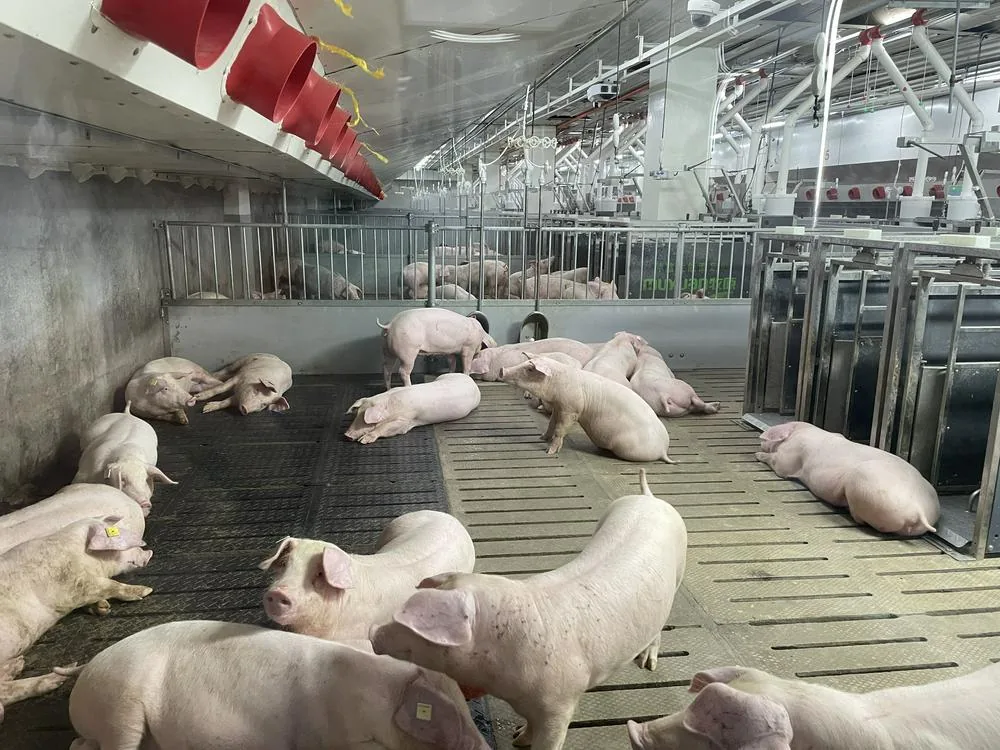 Reference image
Editorial responsibility
- No named human review is recorded for this page.
- Reports are grouped by semantic similarity and deterministic rules. Language models may assist titles, summaries, translation and cross-source analysis; the page reads the event directly, while its address stays stable when the title changes.
- Summary covers the current reports
Cross-source coverage
WorldAttention’s read
Summary generation failed: chat 500: Internal Server Error
Reporting timeline
China's September hog market disappoints; Q4 outlook hinges on supply cuts and demand recovery
This analysis from Futures Daily examines why China's hog market failed to see its traditional 'Golden September' seasonal peak, with prices hovering near production costs at 10.66-10.69 yuan/kg as of September 21. The report attributes the weakness to four factors. On supply, while sow inventories have fallen 6.5% year-on-year to 37.8 million head (near the policy target of 37.5 million), the impact is delayed by rising productivity (PSY) and planned September output increases of 1.33% from large farms. Demand has improved with school reopenings and holiday preparations, lifting slaughterhouse utilization to 31.99%, but remains below expectations due to dietary shifts and competition from cheaper poultry. High frozen pork inventories (32.23% storage rate, up 15 percentage points year-on-year) and ongoing live-weight inventory releases cap price gains. Policy measures, including a revised sow capacity target and 'four leads' requirements, aim to accelerate low-efficiency capacity elimination. The outlook sees short-term weakness persisting, with a potential recovery in Q4 as supply cuts materialize and seasonal demand peaks during holidays and curing season, allowing farms to return to profitability.
Read sourceChina's Hog Market Shows Weakness Despite Peak Season, Prices Fluctuate Near Cost
China's hog market has entered the traditional 'Golden September' consumption peak season but exhibits a 'peak season not booming' trend, with prices fluctuating weakly near production costs. As of September 21, the national average price for three-yuan external hogs was 10.66-10.69 yuan/kg, falling again after a brief rebound in late August. Supply remains ample despite ongoing capacity reduction, as sow inventory fell to 37.8 million head by mid-2026, near the policy target of 37.5 million. However, rising PSY (piglets per sow per year) and increased slaughter weights offset some reduction effects. Demand has improved with school reopenings and holiday preparations, but recovery is weaker than expected due to competition from poultry and beef, slow wholesale pork sales, and low secondary fattening activity. High frozen pork inventory (32.23% storage rate) and heavy hog weights continue to pressure prices. Policy measures, including a revised breeding sow target and stricter capacity controls, aim to accelerate low-efficiency capacity elimination. The article forecasts short-term price weakness with limited upside from holiday demand, but expects a gradual price recovery in Q4 as capacity reduction effects materialize and seasonal consumption picks up.
Read sourceChina's 'Golden September' hog market disappoints as prices weaken amid supply glut
China's domestic hog market has entered the traditional 'Golden September' consumption peak season but is exhibiting a 'peak season without peak' characteristic, with prices oscillating weakly near production costs. As of September 21, the national average price of foreign-bred three-way hogs was 10.66-10.69 yuan/kg, falling again after a brief rebound in late August. Supply-side analysis shows that while sow inventory has declined significantly (to 37.8 million head by Q2 2026, down 6.5% year-on-year), the effect of capacity reduction has not fully materialized in September due to rising PSY (piglets per sow per year) and increased planned slaughter volumes from large-scale farms. Demand has improved with school reopenings and holiday preparations, but the recovery is weaker than expected, with pork's share of meat consumption falling to about 58%. The market faces dual inventory pressure from frozen products (storage rate 32.23%, up 15 percentage points year-on-year) and live hogs (rising slaughter weights). Policy measures, including the revised 2026 swine production capacity regulation plan and the 'Four Leads' requirements, aim to accelerate low-efficiency capacity elimination. Analysts at Dayou Futures forecast short-term prices will remain weak and volatile, with a potential recovery in the medium term as capacity reduction effects materialize and seasonal demand peaks arrive.
Show 2 older updatesHide older updates
Mid-Autumn Festival fails to lift hog prices; pig farmers face a tough holiday at 5.3 yuan per jin
An article from Chinese financial news outlet cfi_futures reports that the Mid-Autumn Festival has failed to boost China's hog market, with live pig prices falling to 10.94 yuan per kilogram (about 5.3 yuan per jin) in early September 2026, a 3.14% decline. The report attributes the weakness to oversupply: large-scale pig farms increased daily slaughter by 4.7% month-on-month, and slaughter weights rose to 124.7 kg. Demand is suppressed by unseasonably hot weather in northern and central China, reducing household appetite for pork. The article cites official data showing sow inventories fell to 37.8 million head, with culling of low-efficiency sows up 42.89% month-on-month, indicating ongoing capacity reduction. Dadi Futures is quoted forecasting that fourth-quarter hog supply will remain high, with limited seasonal demand recovery, and a meaningful price rebound may not occur until late 2026 or early 2027. The short-term outlook is for a small pre-holiday rebound, consolidation during the holiday, and a post-holiday decline, with prices trading in a 10.7-11.8 yuan/kg range. A more optimistic scenario sees prices rising to 12-13.5 yuan/kg by early 2027. The article advises farmers to avoid hoarding pigs and to prioritize cash flow over betting on a holiday price surge.
Read sourceMid-Autumn Festival Fails to Boost Hog Prices; Farmers Face Tough Holiday at 5.3 Yuan per Jin
A September 21, 2026 article from cfi_futures reports that the Mid-Autumn Festival has failed to lift China's hog prices, which fell to 10.80 yuan per kilogram (about 5.3 yuan per jin), disappointing farmers. The average price in the first half of September was 10.94 yuan/kg, down 3.14% month-to-date. The primary cause is oversupply: large-scale pig farms increased daily slaughter by 4.7% in September, and slaughter weights rose to 124.7 kg. Consumer demand is weak due to hot and humid weather in northern and southern China, with slaughterhouse operating rates stuck at 32%. The article notes that historical pre-festival price rallies have failed. A positive sign is that culling of low-efficiency sows surged 42.89% month-on-month, and the national breeding sow herd has fallen to 37.8 million head, indicating ongoing capacity reduction. Dadi Futures forecasts that Q4 hog supply will remain high, with limited seasonal demand recovery, and a real turnaround may not come until late 2026 or early 2027. Short-term, the price is expected to fluctuate in a 10.7-11.8 yuan/kg range, with a possible rebound at month-end due to National Day holiday stocking. A more optimistic outlook sees prices rising to 12-13.5 yuan/kg by Q4 2026 to early 2027.
Read source