China hog prices dip pre-holiday as supply pressure outweighs weak demand
China's live hog prices fell 0.5% week-on-week to 11.48 yuan/kg in the third week of September 2026, while wholesale pork prices edged up 0.7% to 16.40 yuan/kg due to holiday stocking. The breeding sow herd dropped to 37.8 million head by end-Q2 2026, down 6.5% year-on-year. Analysts note that rising farming efficiency offsets some capacity cuts, and pork's share of meat consumption has fallen from 62% in 2018 to about 58%. Q4 price gains are expected to be limited.
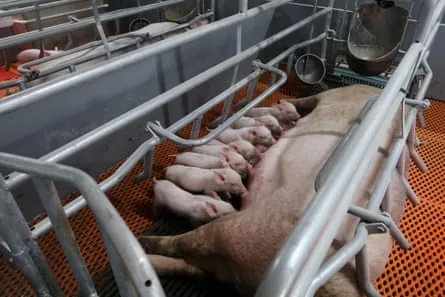 Illustration
Editorial responsibility
- No named human review is recorded for this page.
- Reports are grouped by semantic similarity and deterministic rules. Language models may assist titles, summaries, translation and cross-source analysis; the page reads the event directly, while its address stays stable when the title changes.
- Summary covers the current reports
Cross-source coverage
Reporting timeline
Hog prices continue to fall; how far is the turning point of the hog cycle?
This article from Dahe Finance Cube analyzes the current state of China's hog market, noting that despite the Mid-Autumn Festival and upcoming National Day holiday, pork prices have not seen the expected seasonal rally. As of late September, prices hover around 10 yuan/kg, with the Ministry of Agriculture reporting a 17.1% year-on-year decline for the third week of September. The primary reason is persistent supply pressure, with group farming enterprises accelerating slaughter and secondary fattening pigs entering the market faster than demand increases. The article highlights a key difference in this hog cycle: while breeding sow numbers are declining, pork supply remains high due to improved farming efficiency. Policy adjustments, including lowering the target for normal breeding sow inventory to 37.5 million heads, indicate a need for further capacity optimization. Analysts from Zhuochuang Information forecast that hog slaughter volume may drop to about 721 million heads by 2027. The article concludes that the industry is in a critical phase of capacity reduction but is still far from a true supply-demand reversal, warning against mistaking seasonal rebounds for a cyclical turning point.
Read sourceChina hog prices weak before holiday; analysts see possible Q4 rise amid supply cuts
According to data from China's Ministry of Agriculture and Rural Affairs, live hog prices fell 0.5% week-on-week to 11.48 yuan/kg in the third week of September, while pork market prices edged down 0.2% to 21.18 yuan/kg. Wholesale pork prices rose 0.7% to 16.40 yuan/kg due to holiday stocking by processors and food service firms, but terminal demand remained weak. The breeding sow herd fell to 37.8 million head by end-Q2 2026, down 6.5% year-on-year, returning to the 'green reasonable range' per the Ministry. However, analysts at Hualian Futures noted that the sow reduction from late 2025 to early 2026 will only affect pig supply from September 2026 onward, and rising PSY (productivity) offsets some cuts, keeping current supply high. Researcher Zhu Zengyong of the Chinese Academy of Agricultural Sciences said pork's share of meat consumption fell from 62% in 2018 to about 58% now, due to demographic and dietary shifts. Analyst Zou Yingji of Zhuochuang Information sees potential for Q4 price increases, citing reduced sow inventory and seasonal demand from curing and sausage-making, but cautioned that gains may be limited by rising PSY and weakening traditional demand trends.
Read sourceChina hog prices diverge before holiday; sow herd cuts raise Q4 price outlook questions
According to monitoring by China's Ministry of Agriculture and Rural Affairs, in the third week of September (September 14-20), the national live hog price was 11.48 yuan/kg, down 0.5% week-on-week, while pork wholesale prices edged up 0.7% to 16.40 yuan/kg. Analysts attribute the divergence to active pre-holiday slaughtering by farmers and increased stocking by processors and caterers, though terminal consumption remains weak. On the supply side, the sow herd has been reduced to a recent low of 37.8 million head as of Q2 2026, down 6.5% year-on-year, returning to the 'green reasonable range' per the Ministry. However, Hualian Futures notes that the production cycle means the impact of sow reductions from late 2025 to early 2026 will only affect pig supply from September 2026 onward, while current slaughter remains high. Rising PSY (over 24 heads for leading firms) offsets some capacity cuts. Researcher Zhu Zengyong from the Chinese Academy of Agricultural Sciences notes pork's share of meat consumption has fallen from 62% in 2018 to about 58% currently. Analyst Zou Yingji from Zhuochuang Information sees potential for Q4 price increases due to reduced theoretical supply and seasonal demand from curing activities, but cautions that gains may be limited by rising sow numbers from late 2025, PSY improvements, and weakening seasonal demand support.
Read sourceShow 5 older updatesHide older updates
China's Hog and Pork Prices Fluctuate Narrowly in Third Week of September
According to monitoring by China's Ministry of Agriculture and Rural Affairs across 500 county-level markets and collection points, during the third week of September (September 14-20), the national live hog price averaged 11.48 yuan per kilogram, down 0.5% week-on-week. The pork market price at fairs averaged 21.18 yuan per kilogram, down 0.2% week-on-week. However, monitoring of 200 wholesale markets showed the national average wholesale pork price was 16.40 yuan per kilogram, up 0.7% week-on-week but still 16.1% lower than the same period last year. Analysts attributed the slight decline in live hog prices to active slaughtering by farmers ahead of the Mid-Autumn Festival. Meanwhile, increased stocking by wholesalers, food processors, and catering enterprises pushed wholesale pork prices up, though overall terminal consumer demand remained weak, leading to a slight drop in retail pork market prices. The report forecasts that hog and pork prices will continue to fluctuate narrowly in the coming week.
China's Hog and Pork Prices Fluctuate Narrowly in Third Week of September
According to monitoring by China's Ministry of Agriculture and Rural Affairs across 500 county markets and collection points, during the third week of September (September 14-20), the national live hog price was 11.48 yuan per kilogram, down 0.5% week-on-week. The pork market price at fairs was 21.18 yuan per kilogram, down 0.2% week-on-week. Monitoring of 200 wholesale markets showed the national average wholesale pork price was 16.40 yuan per kilogram, up 0.7% week-on-week but 16.1% lower year-on-year. Analysts attributed the slight decline in live hog prices to active slaughtering by farmers ahead of the Mid-Autumn Festival. Increased stockpiling by wholesalers, food processors, and catering enterprises drove wholesale pork prices up, but overall terminal consumer demand provided limited support, leading to a slight decline in pork market prices at fairs. Looking ahead, prices for live hogs and pork are expected to continue fluctuating narrowly in the coming week.
Read sourceChina Hog Prices Weak Before Holiday; Analysts See Limited Q4 Recovery
According to monitoring by China's Ministry of Agriculture and Rural Affairs, the national live hog price was 11.48 yuan/kg in the third week of September, down 0.5% week-on-week, while pork market prices fell 0.2% to 21.18 yuan/kg. Wholesale pork prices averaged 16.40 yuan/kg, up 0.7% but still 16.1% lower year-on-year. Analysts attribute the pre-holiday weakness to active slaughtering by farms ahead of the Mid-Autumn Festival. On the supply side, the national breeding sow herd had fallen to 37.8 million head by end of Q2 2026, down 6.5% year-on-year, which could support prices. However, researcher Zhu Zengyong from the Chinese Academy of Agricultural Sciences notes that pork's share of total meat consumption has declined from 62% in 2018 to about 58%, reflecting structural demand weakness. Analysts from Zhuochuang Information and Huafu Futures forecast that Q4 demand may increase seasonally due to cooler weather and curing activities, but the effect may be limited by changing consumer habits and a smaller-than-expected reduction in hog supply due to rising PSY (pigs per sow per year). Overall, Q4 price gains are expected to be capped.
Read sourceChina's Hog and Pork Prices Fluctuate Narrowly in Third Week of September
According to monitoring by China's Ministry of Agriculture and Rural Affairs across 500 county-level markets and collection points, during the third week of September (September 14-20), the national live hog price averaged 11.48 yuan per kilogram, down 0.5% week-on-week. The pork market price at fairs was 21.18 yuan per kilogram, down 0.2% week-on-week. However, monitoring of 200 wholesale markets showed the national pork wholesale price averaged 16.40 yuan per kilogram, up 0.7% week-on-week but down 16.1% year-on-year. Analysts attributed the slight decline in live hog prices to active slaughtering by farmers ahead of the Mid-Autumn Festival. Increased stocking by wholesalers, food processors, and catering enterprises pushed wholesale pork prices up, but overall terminal consumer demand remained weak, leading to a slight decline in retail pork market prices. The report forecasts that hog and pork prices will continue to fluctuate narrowly in the coming week.
Read sourceChina's Live Pig Prices Dip Slightly in Third Week of September as Holiday Supply Increases
According to monitoring by China's Ministry of Agriculture and Rural Affairs across 500 county markets and collection points, during the third week of September (September 14-20), the national live pig price averaged 11.48 yuan per kilogram, down 0.5% week-on-week. The pork market price at collection points averaged 21.18 yuan per kilogram, down 0.2% week-on-week. Separately, monitoring of 200 wholesale markets showed the national average wholesale pork price was 16.40 yuan per kilogram, up 0.7% week-on-week but 16.1% lower than the same period last year. Analysts attributed the slight decline in live pig prices to active slaughtering and marketing by breeding enterprises ahead of the Mid-Autumn Festival. The wholesale price increase was linked to demand from wholesalers and food processing and catering businesses preparing for the holiday.
Read source