China approves seven national standards for building material fire tests, effective Oct 2026
China's State Administration for Market Regulation approved seven recommended national standards for testing building material combustion performance, set to take effect on October 1, 2026. The standards align with GB 8624—2025 classification indicators and cover non-combustibility, flammability, flame retardancy, single burning item tests, flooring materials, calorific value, and mass loss measurement. They form a comprehensive evaluation system for building fire protection material testing.
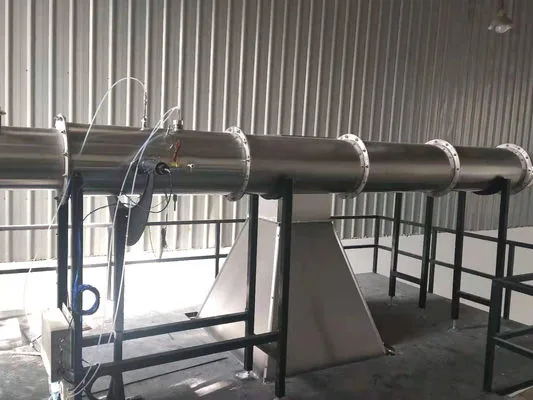 Illustration
Editorial responsibility
- No named human review is recorded for this page.
- Reports are grouped by semantic similarity and deterministic rules. Language models may assist titles, summaries, translation and cross-source analysis; the page reads the event directly, while its address stays stable when the title changes.
- Summary covers the current reports
Cross-source coverage
Reporting timeline
China Builds Complete Building Fire Material Testing System; Seven National Standards Take Effect Oct 1
China's State Administration for Market Regulation (National Standards Committee) has approved seven recommended national standards for testing the combustion performance of building materials. These standards, which have completed a six-month transition period, will officially take effect on October 1, 2026. The standards are aligned with the core classification index of GB 8624—2025 'Classification of Combustion Performance of Building Materials and Products' and cover key testing dimensions including non-combustibility, flammability, flame retardancy, single burning item, floor covering materials, calorific value, and mass loss determination. Specific standards detail optimized test devices, temperature controls, ignition methods, and judgment criteria for different material grades. For example, the non-combustibility test method establishes judgment indicators at 750°C for A-grade non-combustible materials, while the flame retardancy test method upgrades the vertical furnace device and adds a calorimeter. Once implemented, the standards will work with GB 8624—2025 to improve the applicability, accuracy, and operability of building material combustion performance classification, providing unified standards for engineering design, product R&D, certification evaluation, and supervision enforcement.
Read sourceChina Approves Seven National Standards for Building Material Fire Performance Tests
China's State Administration for Market Regulation has approved seven new recommended national standards for testing the combustion performance of building materials, which will take effect on October 1, 2026. The standards are designed to align with the core classification indicators of GB 8624—2025, the national standard for grading the combustion performance of building materials and products. They cover key test scenarios including non-combustibility, combustibility, flame retardancy, single burning item tests, floor covering materials, calorific value, and mass loss measurement. Specific improvements include optimized test apparatus and temperature control for non-combustibility tests at 750°C, refined ignition methods and flame spread criteria for combustibility tests, and upgraded vertical furnace equipment with heat release measurement for flame retardancy tests. The remaining four standards address corner fire simulation, floor material evaluation, calorific value calculation, and combustion mass loss detection. Once implemented, the standards will work together with GB 8624—2025 to improve the applicability, accuracy, and operability of building material fire performance classification, providing unified criteria for engineering design, product development, certification, and regulatory enforcement.
Read sourceChina to Implement Seven New National Standards for Building Material Fire Tests from Oct 2026
China's State Administration for Market Regulation has approved and released seven new recommended national standards for testing the combustion performance of building materials, which will take effect on October 1, 2026. The standards are centered around the core classification indicators of GB 8624—2025, the national standard for 'Classification of Combustion Performance of Building Materials and Products.' They cover multiple key testing dimensions and together form a complete evaluation system for building fire protection materials. The announcement was made on September 28 by financial media outlet Cailianshe, citing the regulator's approval.
Read sourceShow 2 older updatesHide older updates
China Approves Seven National Standards for Building Material Combustion Performance Tests
On September 28, China's State Administration for Market Regulation approved and released seven recommended national standards for test methods of building materials' combustion performance, as reported by Jin10 Data. These standards, set to take effect on October 1, 2026, are centered around the core classification indicators of GB8624—2025, the national standard for 'Classification of Combustion Performance of Building Materials and Products.' The new standards cover multiple key test dimensions, forming a comprehensive evaluation system for building fire protection material testing. The announcement was originally made by state broadcaster CCTV.
Read sourceChina builds complete testing system for building fireproof materials, seven national standards take effect Oct 1
China's State Administration for Market Regulation (SAMR) has approved and released seven national standards for building materials and products' combustion performance classification, which will take effect on October 1. The standards, reported by CNR (China National Radio) on September 28, cover key testing dimensions including non-combustibility, combustibility, flammability, single burning item, floor covering materials, calorific value, and mass loss measurement. They form a complete evaluation system for building fire protection materials. Specific standards include updated test methods for non-combustibility (with 750°C high-temperature criteria), combustibility (refining ignition methods and flame spread assessment), and flammability (upgrading vertical furnace devices with calorimetric measurement). The remaining four standards address corner fire simulation, floor material evaluation, calorific value calculation, and combustion mass loss detection. The standards will work in coordination with the GB 8624—2025 classification standard to improve the applicability, accuracy, and operability of building material combustion performance grading, providing unified criteria for engineering design, product R&D, certification, and supervision.
Read source