BYD: Strong Demand for Flash-Charging Models, Blade Battery Ramp-Up Lengthens Delivery Times
Chinese EV maker BYD responded to investor concerns on September 24, attributing 2-3 month delivery delays for some models to strong demand for its flash-charging vehicles and the ongoing production ramp-up of its second-generation blade battery. The company stated it is advancing capacity construction and optimizing production scheduling to accelerate deliveries. Regarding declining profits and falling stock price despite rising sales, BYD advised investors to rationally assess risks and refer to periodic reports.
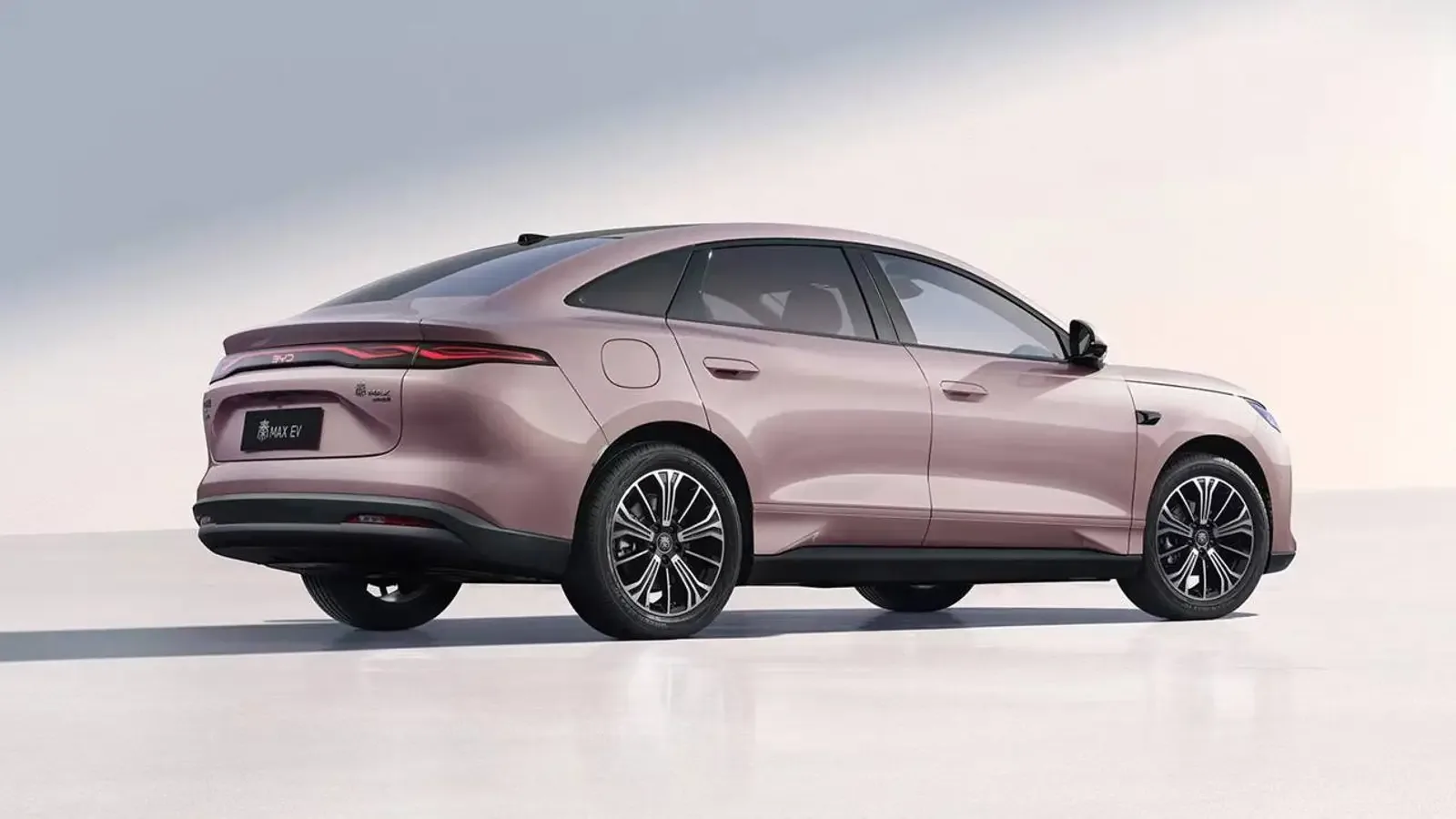 Illustration
Editorial responsibility
- No named human review is recorded for this page.
- Reports are grouped by semantic similarity and deterministic rules. Language models may assist titles, summaries, translation and cross-source analysis; the page reads the event directly, while its address stays stable when the title changes.
- Summary covers the current reports
Cross-source coverage
Common ground
- BYD's flash-charging and second-generation blade battery technologies are genuine breakthroughs that give the company a strong competitive position.
- China's integrated supply chain and manufacturing ecosystem provide BYD with real advantages in scaling production.
- The delivery delays and production bottlenecks are real challenges that need to be addressed.
- BYD is a major player in the global EV market, having surpassed Tesla in sales.
Points of contention
- Whether BYD's margin compression is a temporary R&D investment or a structural problem from price wars and production costs.
- Whether the stock price drop reflects rational risk assessment or short-term market noise.
- Whether BYD's reliance on state-backed credit is a strength or a political dependency that could backfire.
- Whether comparing BYD's ramp-up to Tesla's 2018 'production hell' is valid or misleading.
Blind spots
- Both sides downplay the risk that competitors like CATL or Tesla could leapfrog BYD's technology before it achieves full scale.
- The debate ignores how global trade barriers and tariffs might specifically impact BYD's export strategy and profitability.
- Neither side fully addresses whether flash-charging demand is a lasting trend or a temporary fad.
WorldAttention’s read
BYD is a strong company with real technological advantages and a supportive manufacturing ecosystem, but it faces genuine risks from margin compression, price wars, and geopolitical barriers. The debate shows that while BYD's long-term potential is promising, the path to dominance is narrower than optimists claim and the risks are more serious than skeptics admit. Investors should focus on concrete data like battery yield rates and unit costs rather than hype or patriotic narratives.
Reporting timeline
BYD Says Strong Demand for Flash-Charging Models, Battery Ramp-Up Extends Delivery Times
In response to an investor query on an interactive platform, BYD addressed concerns about vehicle delivery delays and declining profits. The company explained that the long wait times of 2-3 months for some models are due to strong demand for its flash-charging vehicles, while the second-generation blade battery is still in a capacity ramp-up phase, which has extended delivery cycles. BYD stated it is continuously advancing related capacity construction and dynamically optimizing production schedules to accelerate deliveries. Regarding the falling stock price amid rising sales and declining profits, BYD advised investors to rationally assess investment risks, noting that stock market performance is influenced by multiple factors, and directed them to the company's periodic reports for detailed operational data.
Read sourceBYD: Strong Demand for Flash-Charging Models, Second-Gen Blade Battery Ramp-Up Extends Delivery Times
In a response to an investor query on an interactive platform, BYD addressed concerns about vehicle delivery delays of 2-3 months and falling profits. The company stated that orders for its flash-charging models are strong, and the second-generation blade battery is still in the capacity ramp-up phase, which has lengthened delivery cycles. BYD is actively advancing capacity construction and dynamically optimizing production scheduling to accelerate deliveries. Regarding the stock price decline, BYD advised investors to rationally assess investment risks and refer to the company's periodic reports for operational data. The response attributes the delivery bottleneck to specific product demand and battery production constraints, not overall capacity shortage.
Read sourceBYD: Flash-charging model orders strong; second-gen blade battery ramp-up delays deliveries
Chinese electric vehicle maker BYD responded to investor questions on an interactive platform, explaining that delivery delays of 2-3 months for some models are due to strong demand for its flash-charging vehicles and the ongoing production ramp-up of its second-generation blade battery. The company stated it is continuously advancing related capacity construction and dynamically optimizing production scheduling to accelerate order fulfillment. Regarding a question about declining profits amid rising sales and a falling stock price, BYD advised investors to view investment risks rationally, noting that secondary market stock prices are affected by multiple factors and directing them to the company's regular reports for operational data. The response was reported by financial media outlet 财联社 on September 24.
Read sourceShow 3 older updatesHide older updates
BYD Says Strong Demand for Flash-Charge Models, Blade Battery Ramp-Up Extends Delivery Times
In a response to an investor on an interactive platform, BYD addressed questions about extended vehicle delivery times, which currently range from two to three months for some models. The company attributed the delays to strong demand for its flash-charge models and the ongoing production ramp-up of its second-generation blade battery. BYD stated it is actively expanding production capacity and dynamically optimizing scheduling to accelerate deliveries. Regarding concerns about declining profits and a falling stock price despite rising sales, BYD advised investors to rationally assess investment risks and noted that detailed operational data should be referenced in the company's periodic reports. The response provides direct insight into BYD's current production bottlenecks and market demand dynamics.
Read sourceBYD: Flash-Charging Model Orders Strong, Blade Battery Ramp-Up Extends Delivery Times
On September 24, an investor on an interactive platform asked BYD (002594) about delivery delays of 2-3 months for sold vehicles, pre-sale vehicle delivery issues, current production capacity, potential new production lines, and the company's declining profits and stock price despite rising sales. BYD responded that orders for its flash-charging models are strong, and the second-generation blade battery is still in a production capacity ramp-up phase, which has lengthened delivery cycles. The company stated it is continuously advancing related capacity construction and dynamically optimizing production scheduling to accelerate deliveries. Regarding the stock price decline, BYD advised investors to rationally view investment risks and noted that relevant operational data should be referenced from the company's periodic reports.
Read sourceBYD: Strong Demand for Flash-Charging Models, Blade Battery Ramp-Up Lengthens Delivery Times
Chinese electric vehicle maker BYD announced on its investor interaction platform that orders for its flash-charging models are strong. The company stated that its second-generation blade battery is still in the capacity ramp-up phase, which has led to a lengthening of delivery cycles. BYD is actively advancing related capacity construction and dynamically optimizing production scheduling to accelerate order fulfillment. The statement attributes the delivery delay to the battery production ramp-up and does not provide specific timelines or order figures.