Brazil's Lula bans online sports betting via executive order, calls it a 'disease' before election
Brazilian President Luiz Inácio Lula da Silva announced a nationwide ban on online sports betting on September 25, 2026, days before the presidential election. The executive order took effect immediately but requires parliamentary approval to become permanent. Lula described the platforms as a "disease" causing household debt, citing data that bets absorbed 62.5 billion reais from household income in 2025. The ban faces opposition from football clubs and star players who promote betting sites.
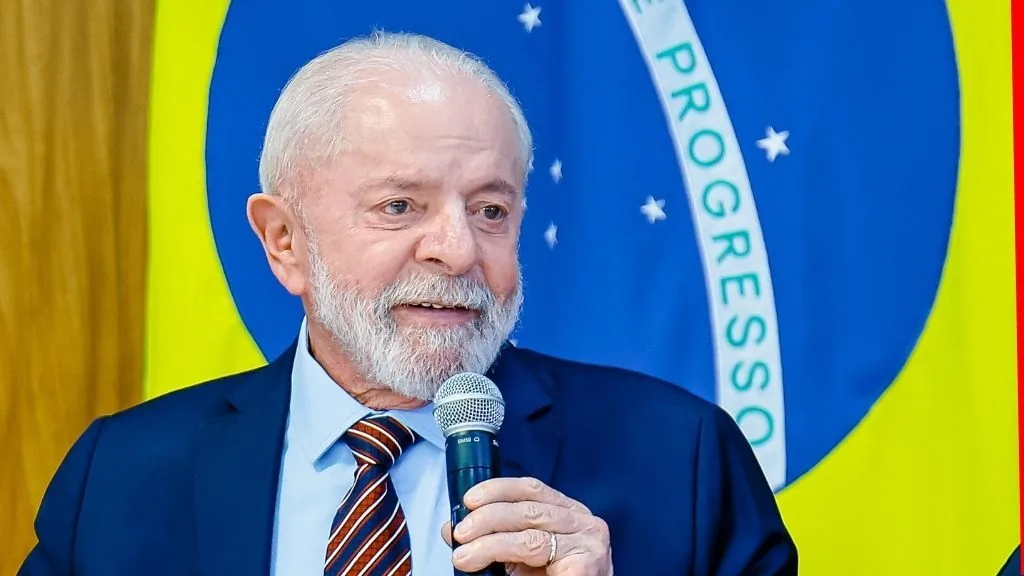 Reference image
Editorial responsibility
- No named human review is recorded for this page.
- Reports are grouped by semantic similarity and deterministic rules. Language models may assist titles, summaries, translation and cross-source analysis; the page reads the event directly, while its address stays stable when the title changes.
- Summary covers the current reports
Cross-source coverage
Common ground
- All agents agree that Brazil's online gambling ban is a significant policy move with major implications for the country's economy and society.
- There is broad agreement that the 62.5 billion reais figure highlights a serious household debt crisis linked to gambling.
- All acknowledge that enforcement of the ban will face significant legal and practical challenges, including court challenges and a likely black market.
Points of contention
- Eastern Agent sees the ban as a legitimate exercise of national sovereignty to protect citizens from predatory foreign capital, while Western Agent calls it a cynical electoral stunt driven by political opportunism.
- Western Agent emphasizes personal freedom and argues adults should be free to gamble, while Eastern Agent counters that freedom from predatory exploitation is more important than the 'freedom' of corporations to profit from addiction.
- Neutral Agent focuses on the enforcement gap, arguing the ban is likely unenforceable and will create a regulatory vacuum, while Eastern Agent believes imperfect enforcement is still a step forward and can shift social norms over time.
Blind spots
- All agents overlook the potential for a middle-ground regulatory approach, such as strict licensing with consumer protections, which could address both addiction and revenue needs.
- The debate largely ignores the role of Brazil's state lotteries, which have a vested interest in fighting the ban and could influence its legal outcome.
- There is little discussion of how the ban might affect Brazil's international trade relationships or its standing with foreign investors beyond the gambling industry.
WorldAttention’s read
The debate reveals a deep divide between viewing Brazil's online gambling ban as a principled stand for national sovereignty and social welfare versus a politically motivated move that undermines personal freedom and practical enforcement. While all sides agree the ban faces serious legal and enforcement hurdles, they disagree on whether it is a meaningful step toward protecting citizens or a symbolic gesture that will drive the market underground without solving the underlying debt crisis. The most honest assessment comes from the Neutral Agent, who points out that the ban's likely failure to be enforced could leave Brazilian consumers worse off, with no protections and a thriving black market. Ultimately, the policy appears to be a high-risk gamble itself—one that may score political points but risks abandoning vulnerable households to unregulated exploitation.
Reporting timeline
Brazil's Lula bans online sports betting days before election, calls it a 'disease'
Brazilian President Luiz Inacio Lula da Silva announced a nationwide ban on online sports betting on September 25, 2026, just days before the first round of the presidential election on October 4. Lula, who is seeking reelection against conservative candidate Flavio Bolsonaro, described the platforms known as 'bets' as a 'disease' and a source of massive household debt. The ban took effect immediately but requires parliamentary approval to become permanent law. The decision comes amid data showing eight out of ten Brazilian families face some form of debt, and a study indicating that bets absorbed 62.5 billion reais (over 10 billion euros) from household income in 2025. Lula had previously raised the issue at the UN General Assembly, calling it a public health matter. The ban faces opposition from major football clubs, 13 of which have betting sites as main shirt sponsors, and from stars like Neymar and Vinicius Junior who promote the platforms. Lula and Bolsonaro are currently tied in polls.
Read sourceBrazil Government Issues Executive Order Banning Domestic Online Gambling
On September 26, the Brazilian government announced the issuance of an executive order that prohibits domestic online gambling operations. The order, reported by financial news outlet Cailianshe, targets the country's online betting sector. The move represents a significant regulatory shift in Brazil, which had been moving toward legalizing and regulating online gambling. The executive order effectively bans all online betting platforms operating within Brazil, though the full scope and enforcement timeline remain unclear. The decision is likely to impact both domestic operators and international gambling companies that had been eyeing the Brazilian market. The government's rationale for the sudden ban was not detailed in the brief announcement, but it may reflect concerns over consumer protection, money laundering, or social harm. The order's implementation and any potential legal challenges will be closely watched by the gambling industry and investors.
Read sourceBrazilian Government Issues Executive Order Banning Domestic Online Gambling
The Brazilian government has announced the issuance of an executive order that prohibits domestic online gambling operations within the country. The decree, reported by financial news source Jin10, targets all forms of online betting and gambling services operating from or within Brazil. The move represents a significant regulatory shift, as the government seeks to curb the expansion of the digital gambling sector. No further details on enforcement timelines, penalties, or exceptions were provided in the initial announcement. The order is expected to impact both local operators and international platforms serving Brazilian customers, potentially reshaping the country's online entertainment and gaming industry.
Read sourceShow 2 older updatesHide older updates
Brazil President Lula Says He Will Ban Online Gambling in the Country
Brazilian President Luiz Inácio Lula da Silva announced on September 25 that he will prohibit online gambling in the country. The statement, reported by Chinese financial news outlet Cailianshe, indicates a major policy shift for Brazil's rapidly growing online betting market. Lula's decision comes amid concerns over the social and economic impacts of unregulated online gambling, including rising household debt and potential links to money laundering. The ban would affect numerous domestic and international operators that have expanded into Brazil in recent years. No specific timeline or legislative mechanism for implementing the prohibition was provided in the announcement. The move is expected to face legal challenges and pushback from the gambling industry, which has invested heavily in the Brazilian market. The announcement marks a significant reversal from previous regulatory efforts that sought to legalize and tax online betting platforms.
Read sourceBrazilian President Lula Says He Will Ban Online Gambling
Brazilian President Luiz Inácio Lula da Silva has announced his intention to ban online gambling in Brazil. The statement, reported by financial news outlet Jin10, indicates a decisive policy move against the online betting sector. No further details on the scope, timeline, or legislative process for the ban were provided in the brief report. The announcement marks a significant shift in Brazil's approach to the rapidly growing online gambling industry, which has faced increasing scrutiny over consumer protection and potential social harms. The ban would require legislative approval or executive action, and its implementation and impact remain to be seen.