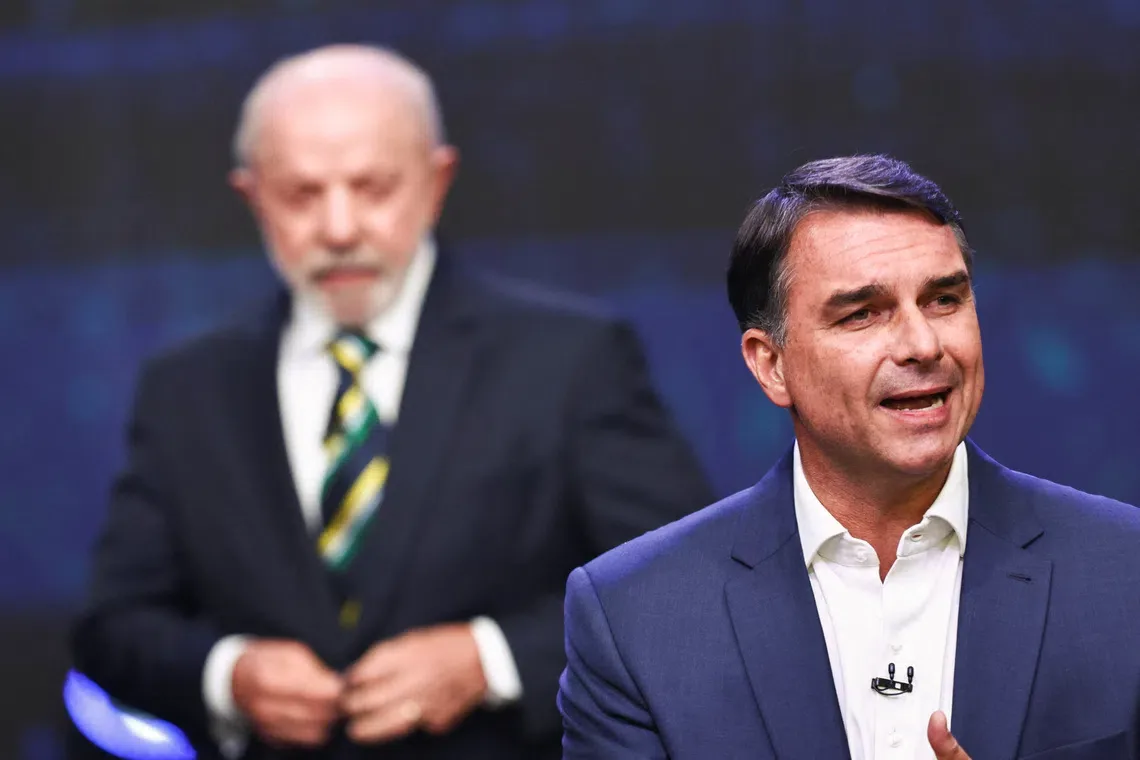
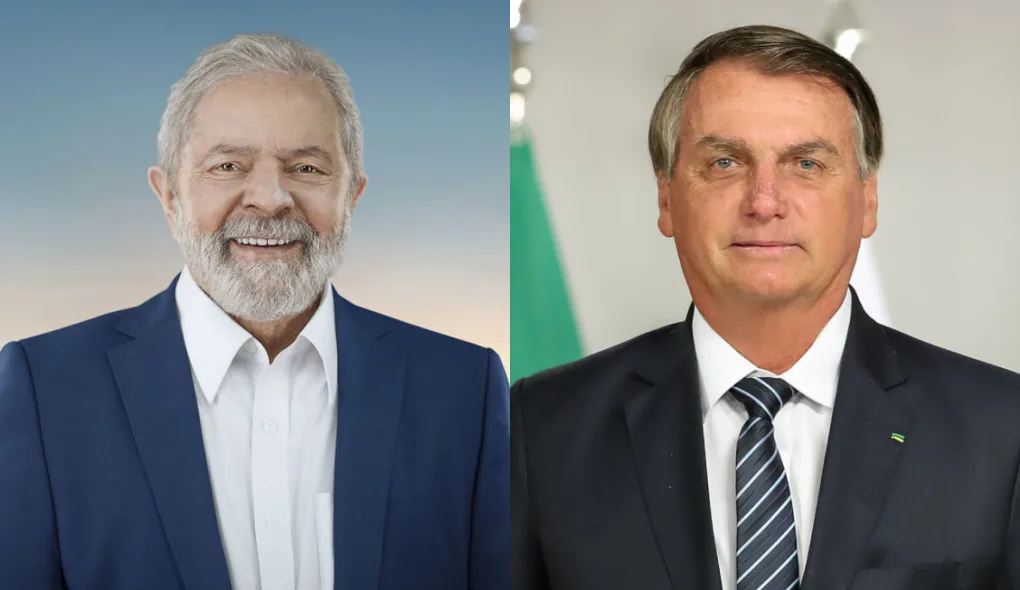
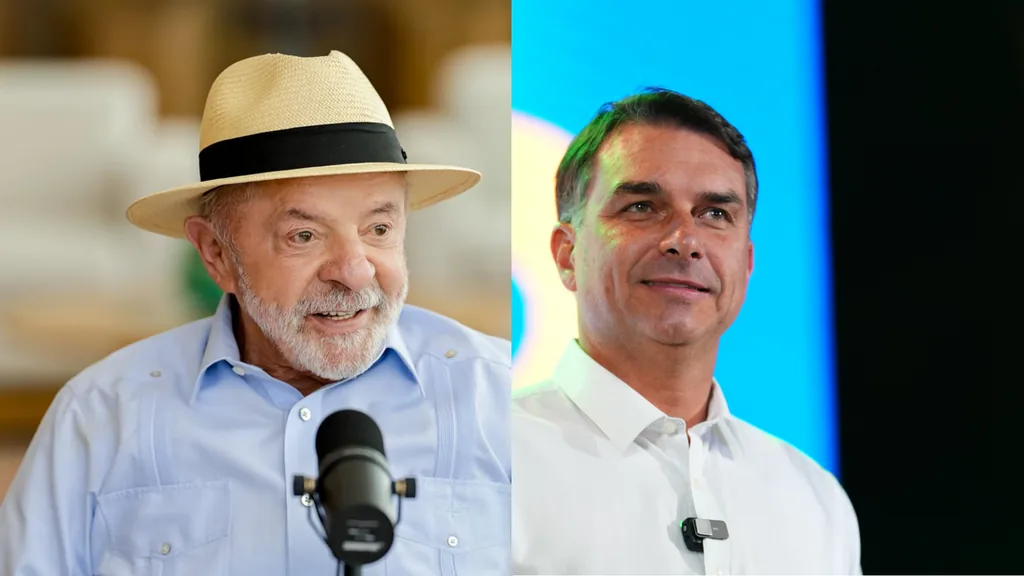
Flávio Bolsonaro, defeated in Brazil's presidential run-off against Luiz Inácio Lula da Silva, left Brazil despite a Supreme Court order to surrender his passports amid a money-laundering investigation. He traveled overland to Argentina, flew via Ecuador on a private jet and landed in Miami, where the US State Department granted visas to him and his family. He has not conceded, alleges electoral fraud without evidence, and declared himself "leader of Brazil" while vowing opposition from the US.
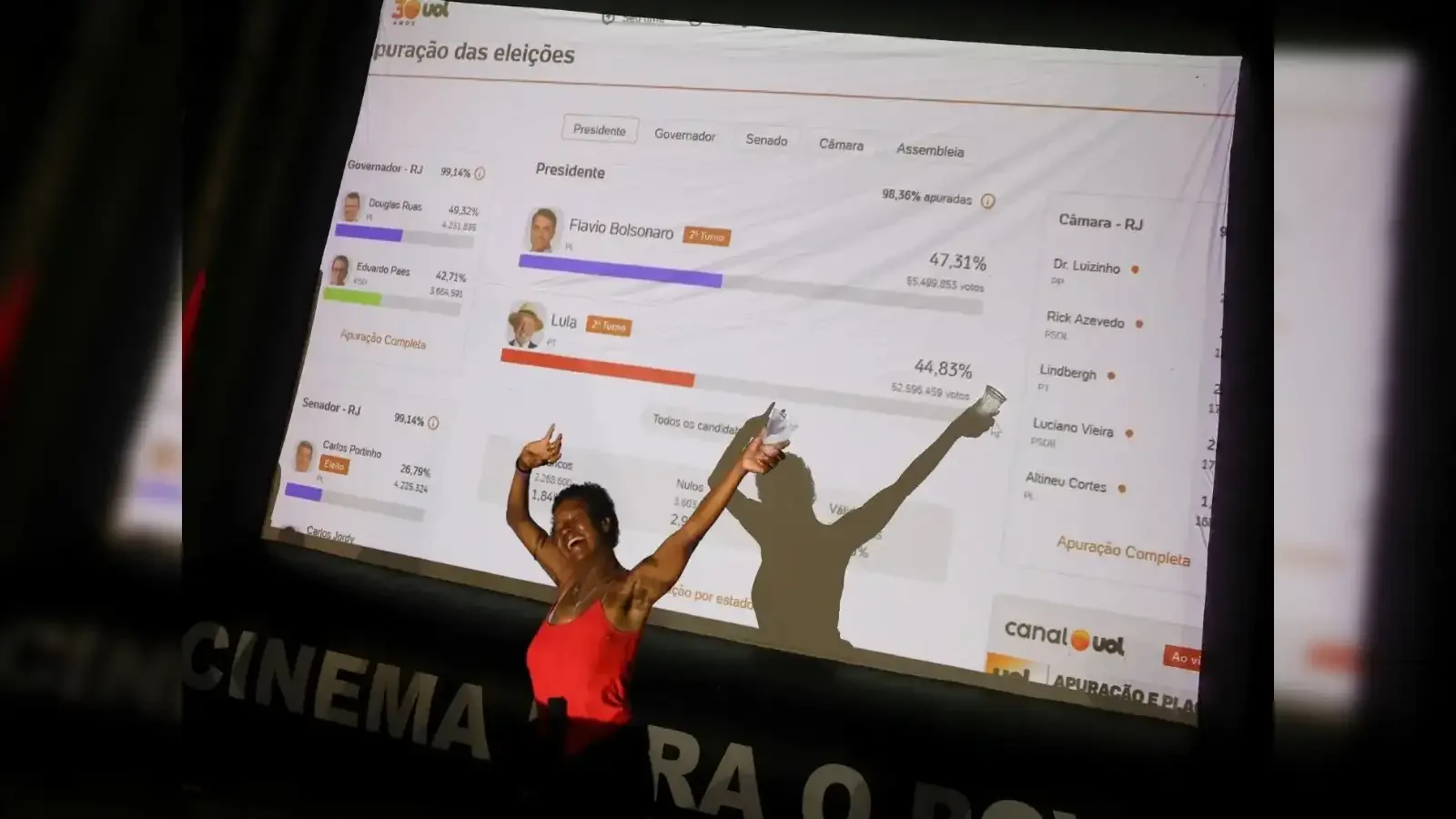
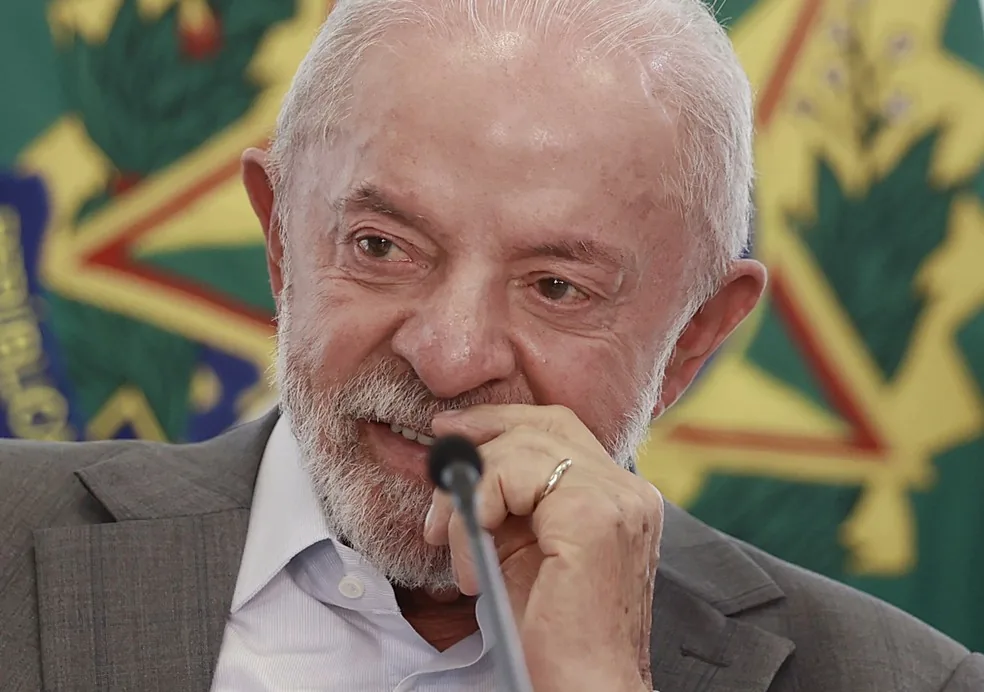
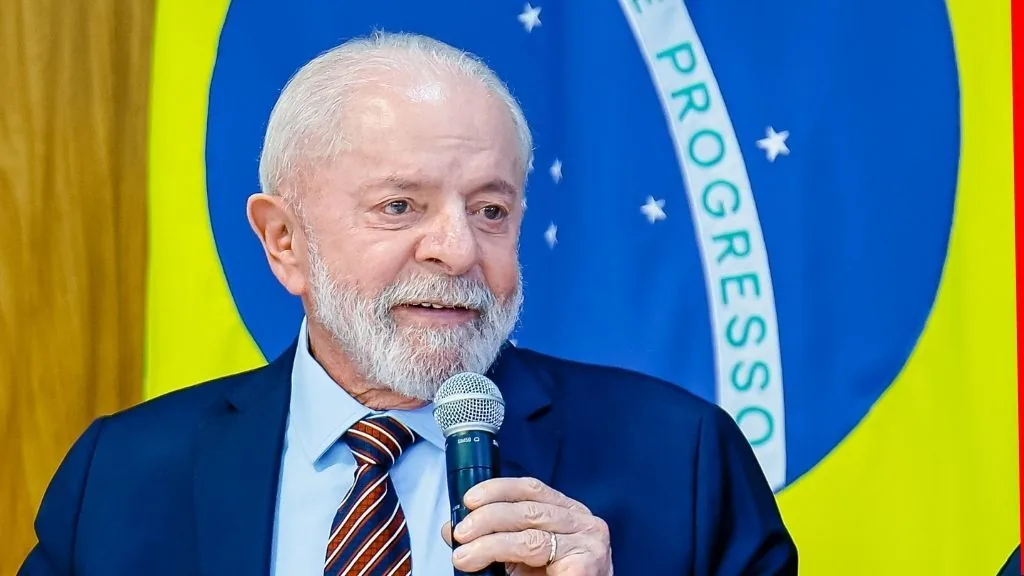
Luiz Inácio Lula da Silva won Brazil's presidential runoff with 51.79% to Flávio Bolsonaro's 48.21%, a margin of 4.4 million votes, securing a fourth term after trailing in the first round. Bolsonaro refused to recognize the result and sought annulment over a two-hour voting extension that both campaigns had requested, while his Liberal Party conditionally recognized Lula's victory. US President Donald Trump called the vote "rigged" without evidence. Lula faces a right-wing Congress, economic challenges, and strained US-Brazil ties.
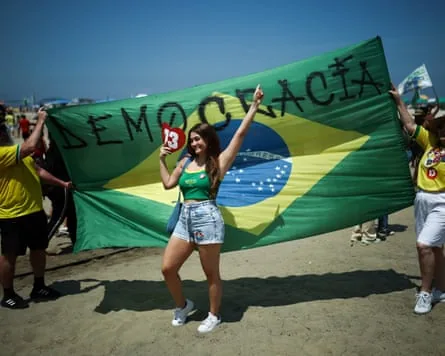
Luiz Inácio Lula da Silva won Brazil's presidential runoff, defeating Flávio Bolsonaro by roughly 51.8% to 48.2% and securing a fourth term. The Supreme Electoral Court confirmed the result, prompting celebrations across Brazil. Flávio Bolsonaro refused to recognize the outcome and said he would seek to annul the election, citing a last-minute two-hour extension of voting hours ordered by Supreme Court Justice Cristiano Zanin over transport problems. The electoral court president said the extension did not affect the result. Conservatives won majorities in both parliamentary chambers, leaving Lula to govern under divided government.
Brazil's presidential election heads to an October 25 runoff after Flávio Bolsonaro, son of jailed former president Jair Bolsonaro, led the first round with 47% to President Luiz Inácio Lula da Silva's 45%. Lula, 80 and seeking a fourth term, faces an uphill battle as right-wing third-party votes consolidate behind Bolsonaro. Analysts cite Lula's age, establishment status, corruption perceptions, and the growing evangelical vote, despite economic gains including a 40% drop in extreme poverty. Both candidates have high negatives, and Lula's path depends on turning out non-voters.
Brazil's presidential election will be decided in an October 25 runoff after right-wing Senator Flávio Bolsonaro won 47% of the first-round vote to incumbent Luiz Inácio Lula da Silva's 45%. Neither candidate secured the required majority. Bolsonaro, son of imprisoned former President Jair Bolsonaro, exceeded expectations. The election is a proxy rematch of 2022, with key issues including security, corruption, and foreign policy alignment.
Multiple polls from BTG/Nexus and Datafolha show former President Luiz Inácio Lula da Silva leading incumbent Jair Bolsonaro in both first-round and potential runoff scenarios for Brazil's presidential election. First-round polls show Lula at 42-40% and Bolsonaro at 37-36%, while runoff polls show Lula at 46-47.7% and Bolsonaro at 44-47.4%, indicating a highly competitive race.
Brazilian President Luiz Inácio Lula da Silva signed a provisional order on September 25, 2026, banning online gambling, including sports betting and online casinos, just over a week before the first round of the presidential election. Lula described the industry as a "cancer" and a public health issue. The ban takes effect immediately but requires congressional approval within 120 days to become permanent. Opponents, including candidate Flávio Bolsonaro and major football clubs, criticized the move as politically motivated and financially damaging.
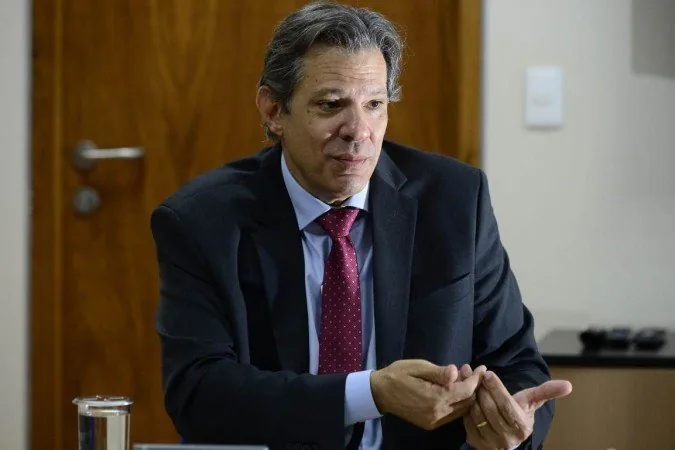
Brazil's Ministry of Finance, through its Economic Policy Secretariat, released its September Macro-Fiscal Bulletin on September 26, lowering the 2026 GDP growth forecast from 2.3% to 2.0% and the 2026 inflation forecast from 5.1% to 4.9%. The 2027 GDP growth forecast was cut from 2.5% to 2.3%, while the 2027 inflation forecast was raised from 3.6% to 3.8%. The revisions cite slower services and industrial activity, tight monetary policy, and potential El Niño impacts on agriculture. The government indicated the interest rate cutting cycle may be slower than previously anticipated.
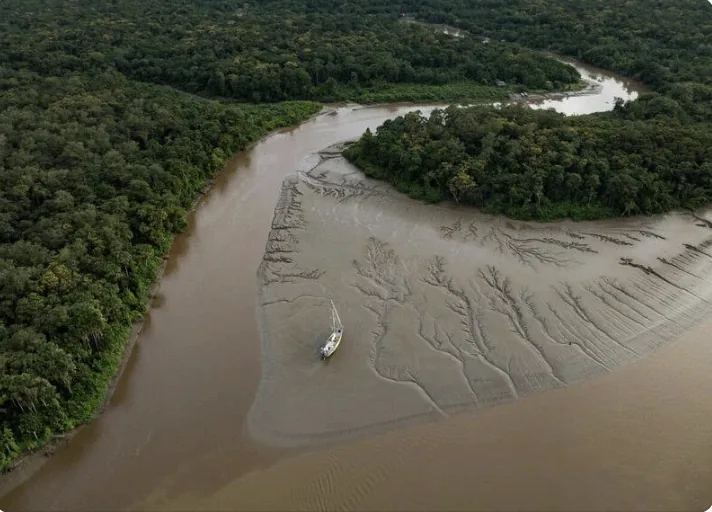
Petrobras CEO announced that drilling of the first exploratory well in the Foz do Amazonas basin is expected to be completed within days, and that analysis of an oil discovery in the region shows high-quality crude. The company also plans to begin exploration near the Morpho discovery next year, pending environmental licensing.
Multiple polls from BTG/Nexus and Datafolha show former President Luiz Inácio Lula da Silva leading Flavio Bolsonaro, son of current President Jair Bolsonaro, in Brazil’s presidential election. In first-round scenarios, Lula holds 39-42% support versus Flavio’s 36-37%. In potential runoffs, Lula leads 46-47% to Flavio’s 44-46%, indicating a tight race ahead of the election.
5 reports · 2 sources · Updated
Reference image
Periodic recap
What changed for this subject in each tracking window — generated from matched events, delta-first.
· 1 event in window
The only Brazil-related event in this window was sporting: first practice for the 2026 São Paulo Grand Prix at Interlagos, unrelated to the previous period's legal and diplomatic standoff over Flávio Bolsonaro's departure, which saw no new developments here. Lando Norris set the fastest time, while Colton Herta completed the running needed to secure his F1 superlicence.
Lando Norris set the fastest time in first practice for the São Paulo Grand Prix at 1m11.717s in an upgraded McLaren, leading newly crowned champion Kimi Antonelli by 0.082s.
Max Verstappen was third, 0.236s adrift, after radio complaints about downshifts and steering; Lewis Hamilton was fourth.
Colton Herta completed the running needed for the final superlicence point; Freddie Slater's stoppage caused a red flag and Rafael Camara made his F1 debut for Haas.
Earlier recaps
· 1 event in window
The post-election standoff has shifted: Flávio Bolsonaro reportedly left Brazil for the United States after failing to surrender his passports by a court deadline, prompting Brazilian authorities to cancel them and question his whereabouts. Some outlets reported he was headed to Florida to seek asylum, and Axios reported the U.S. was granting visas to him and his family. Neither Bolsonaro nor the U.S. State Department made a public statement, and the accounts rest on media reporting.
· 2 events in window
Brazil's presidential runoff produced a result that broke with the dead-heat polling: Lula defeated Flávio Bolsonaro 51.75% to 48.25%, securing a fourth term. Voting was extended by two hours due to public-transport problems and the severity of incidents, delaying the count. Bolsonaro refused to recognize defeat, demanded the election be annulled, and called the last-minute extension unprecedented.
· 1 event in window
Brazil's election has moved into its runoff phase, with first-round results confirming but sharpening the pre-election picture: Flávio Bolsonaro led President Lula 47% to 45%, making the October 25 runoff an uphill battle for the incumbent. Analysts describe the 80-year-old Lula as the underdog, whose only path to victory lies in turning out non-voters — a historically unprecedented feat. Experts attribute his vulnerability to antiestablishment sentiment, his establishment status, and a shift toward social and religious issues, despite economic gains. Both candidates carry high negative ratings.
· 1 event in window
Brazil held its general election on October 4, with incumbent President Lula facing right-wing challenger Flávio Bolsonaro, son of former President Jair Bolsonaro. Polls show both candidates near 40%, making an October 25 runoff highly likely. The election has overtaken the previous period's economic forecast downgrade and sports betting ban as the dominant development.
· 2 events in window
Brazil's Finance Ministry lowered its 2026 GDP growth and inflation forecasts and signaled a potentially slower pace of interest rate cuts. Meanwhile, President Lula issued an executive order banning online sports betting on the eve of the election, a move that drew opposition from the football sector.
Tracked events
Events matched to this subject by the tracking pipeline, with signal scores.
· Signal 176.8
Norris Tops Brazilian GP First Practice as Herta Secures F1 Superlicence
Lando Norris set the fastest time in first practice for the 2026 São Paulo Grand Prix at Interlagos, lapping in 1m11.717s in an upgraded McLaren to lead newly crowned champion Kimi Antonelli by 0.082s. Max Verstappen was third, 0.236s adrift, after radio complaints about downshifts and steering, with Lewis Hamilton fourth. Colton Herta completed the running needed to secure the final superlicence point, while Freddie Slater's stoppage caused a red flag and Rafael Camara made his F1 debut for Haas.
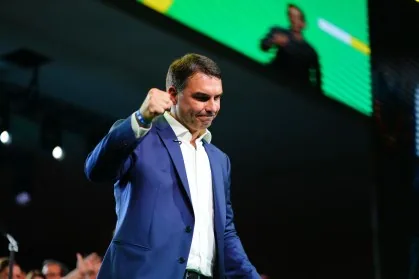 Reference image