FAA delays Boeing 737 MAX 10 certification over software glitch; shares fall 7%
Boeing identified a software glitch in the 737 MAX that can disable the autopilot navigation feature during landing after a go-around, increasing pilot workload. The FAA stated the issue is not a flight-safety risk but delayed certification of the 737 MAX 10. Boeing is rolling back software to maintain deliveries, while Southwest and United Airlines requested older software versions. A permanent fix is not expected until 2028.
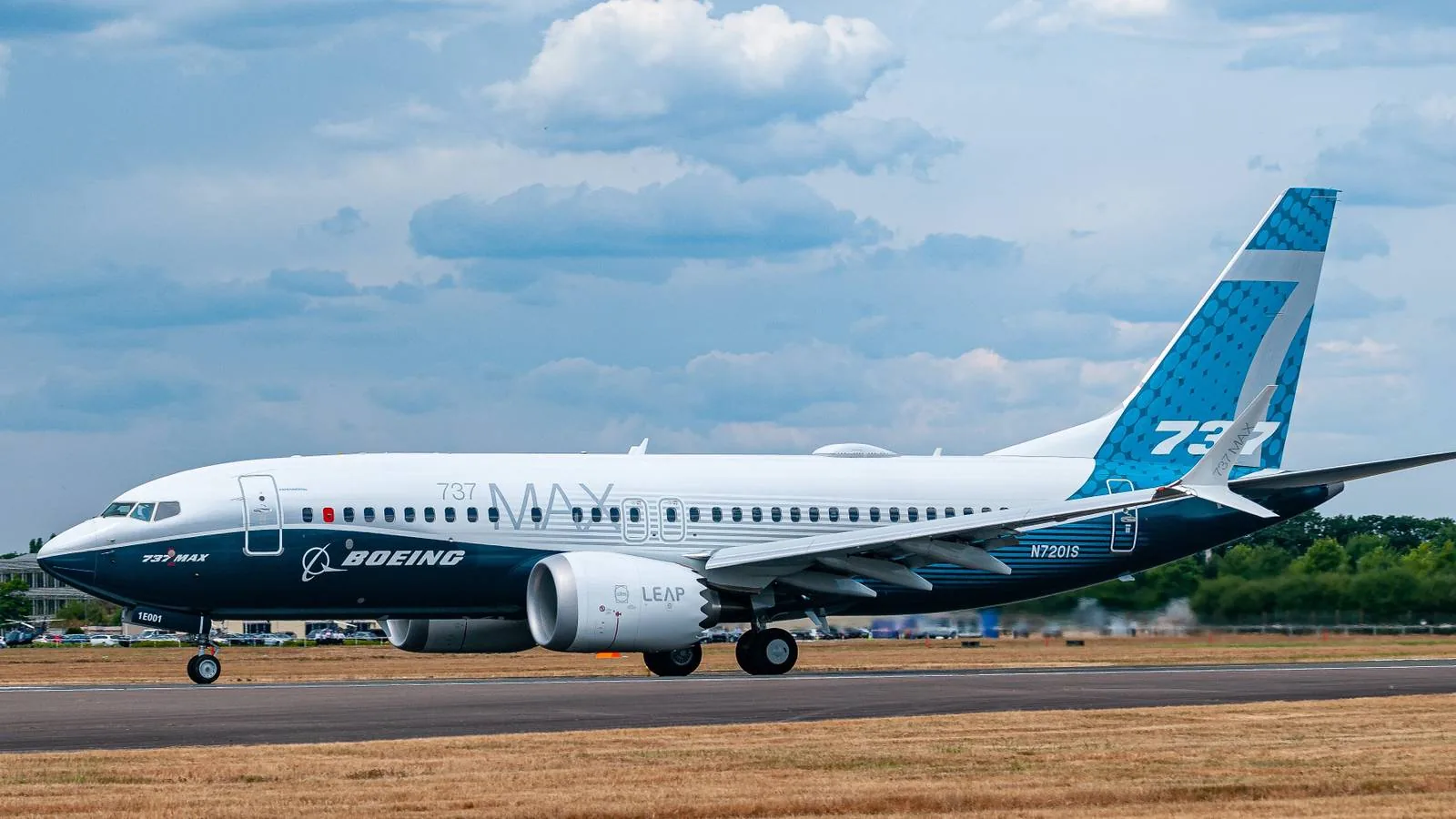 Reference image
Editorial responsibility
- No named human review is recorded for this page.
- Reports are grouped by semantic similarity and deterministic rules. Language models may assist titles, summaries, translation and cross-source analysis; the page reads the event directly, while its address stays stable when the title changes.
- Summary covers the current reports
Cross-source coverage
Common ground
- Boeing discovered the autopilot navigation fault in November 2024 but waited months to disclose it, and the permanent fix isn't scheduled until 2028, which is too slow.
- Boeing's internal culture has a pattern of treating software safety as a secondary concern, and its disclosure process is broken.
- Airlines like Southwest and United refusing new planes with the flawed software shows a lack of trust in Boeing's engineering pipeline.
- The FAA should have been involved earlier and needs to be more independent in its oversight of Boeing.
Points of contention
- Neutral Agent says this bug is a minor management problem, not a safety crisis, while Western and Eastern Agents argue it's part of a systemic safety failure that increases risk.
- Western and Eastern Agents see the airlines' refusal of new planes as a vote of no confidence in safety, while Neutral Agent says it's just an operational headache over managing different software versions.
- Eastern Agent argues the global south should diversify to alternatives like China's C919, but Neutral and Western Agents say the C919 is too immature and unproven to be a real option now.
- Western Agent focuses on fixing the US regulatory model, while Eastern Agent says the FAA is structurally captured because Boeing is a national champion too big to fail.
Blind spots
- The debate overlooks the specific technical details of the autopilot bug and how often it actually occurs in real flights.
- No one discusses the cost and logistical challenges for airlines if they had to ground planes or retrofit software immediately.
- The role of international regulators like EASA and their independent assessments is barely mentioned.
- The long-term impact on Boeing's workforce morale and engineering talent retention is not addressed.
WorldAttention’s read
The roundtable agrees that Boeing's slow disclosure and delayed fix for this autopilot bug reveal a broken software pipeline and a culture that still prioritizes schedule over safety. However, they disagree sharply on whether this specific glitch is a genuine safety crisis or just a manageable management failure. Neutral Agent insists the bug is minor and pilots can handle it manually, while Western and Eastern Agents argue that the pattern of secrecy and delay itself erodes safety margins and trust. The airlines' refusal of new planes is seen either as a practical fleet decision or a damning vote of no confidence. Eastern Agent pushes for global diversification to alternatives like the C919, but others dismiss that as premature. The blind spots include a lack of technical detail on the bug's frequency, the real-world costs of fixes, and the role of other international regulators. Ultimately, the panel agrees that Boeing must fix its internal processes and the FAA must become more independent, but they remain divided on whether this incident is a symptom of a deeper safety crisis or just a slow-moving management headache.
Reporting timeline
FAA Says Boeing 737 MAX Software Glitch Does Not Pose Safety Issue
The U.S. Federal Aviation Administration (FAA) has stated that a software glitch discovered in Boeing's 737 MAX aircraft does not pose a flight-safety issue, according to reports from the Wall Street Journal and CNBC. The FAA is set to convene a review of the software issue on Friday, as reported by Reuters. Despite the glitch not being deemed a safety concern, it has caused delays in the approval of the Boeing 737 Max 10 variant, according to Bloomberg. Aviation Week reports that Boeing is rolling back the 737 software to maintain delivery flow. The glitch is a new issue separate from the previous problems that led to the 737 MAX's grounding. The FAA's review and Boeing's software rollback are aimed at addressing the issue while keeping deliveries on track.
FAA Says Boeing 737 Max Software Glitch Not a Flight-Safety Issue, Review Convened
The U.S. Federal Aviation Administration (FAA) has stated that a newly discovered software glitch on the Boeing 737 Max is not a flight-safety issue. Despite this, the FAA is set to convene a review board on Friday to address the problem. The software issue has delayed the certification and approval of the Boeing 737 Max 10 variant. According to reports, Boeing is rolling back the software on the 737 to keep deliveries flowing while the issue is being resolved. Multiple news outlets, including CNBC, Reuters, Bloomberg, and Aviation Week, are covering the development, indicating significant industry and regulatory attention.
Read sourceFAA May Convene Review Panel on Boeing 737 Max Software Fault, Delays Max 10 Certification
The U.S. Federal Aviation Administration (FAA) is considering convening a review panel to investigate the severity of a software fault in Boeing's 737 Max aircraft. The fault could increase pilot workload during specific landing scenarios. The FAA stated it will delay certification of the 737 Max 10 until a safety review is completed. Boeing is reportedly developing a software update to address the issue. The report, sourced from tradealpha, highlights ongoing regulatory scrutiny of Boeing's flagship narrowbody jet following previous safety crises.
Read sourceShow 13 older updatesHide older updates
US FAA delays Boeing 737 MAX 10 certification, shares dive 7%
The US Federal Aviation Administration (FAA) has delayed the certification of Boeing's 737 MAX 10 aircraft, causing Boeing's shares to drop by 7%. The delay is attributed to a newly discovered software glitch in the 737 MAX that could disrupt a navigation feature. Multiple news outlets, including Reuters, the Wall Street Journal, Aviation Week, and The Seattle Times, report that Boeing is addressing the software issue as the certification deadline looms. The FAA has confirmed that the software glitch will delay the MAX 10 certification process.
Read sourceBoeing 737 Max 10 certification delayed by software issue, FAA says
The Federal Aviation Administration (FAA) has announced that certification of Boeing's 737 Max 10 aircraft will be delayed due to a newly discovered software issue. The glitch, reported by multiple outlets including CNBC, the Financial Times, and the Wall Street Journal, could disrupt a navigation feature on the aircraft. Boeing is working to address the software problem as the certification deadline for the Max 10 approaches. The delay adds to the ongoing challenges for Boeing's 737 MAX family, which has faced scrutiny and regulatory hurdles following previous safety incidents. The FAA's statement confirms the software issue will push back the approval timeline for the newest variant of the 737.
Read sourceBoeing identifies 737 MAX software glitch, delaying certification of Max 10 variant
Boeing has identified a new software glitch in its 737 MAX aircraft, which is causing a delay in the certification of the 737 Max 10 variant, according to the FAA. The Wall Street Journal reports the glitch could disrupt a navigation feature. Multiple news outlets, including KOMO, CNBC, and Aviation Week, are covering the story, with Aviation Week noting Boeing is tackling the issue as certification for the -10 model looms. The software problem is the latest in a series of technical issues for the 737 MAX family, which was previously grounded worldwide following two fatal crashes linked to a different software system. The FAA has confirmed the certification delay, and Boeing is working on a fix.
Read sourceBoeing 737 MAX Landing System Software Fault Raises Safety Concerns, FAA Involved
Boeing has disclosed a software fault in some 737 MAX aircraft that could cause the automatic landing system to fail during critical landing phases, particularly in low-altitude or adverse weather conditions. The issue, which originated from a cockpit software update, was first reported to Boeing by an airline in November 2024 but was not deemed a safety problem until February 2025. After further operator feedback, Boeing initiated a safety review and submitted findings to the U.S. Federal Aviation Administration (FAA) this month. Airlines including Southwest and United have requested that Boeing not deliver new 737 MAX planes with the faulty software, opting instead for earlier versions. Boeing stated that pilots are trained for manual landings and is working on a software fix, though completion is not expected until 2028. The exact number of affected aircraft among the approximately 2,422 737 MAX 8 and MAX 9 planes in service globally remains unclear. The fault adds to the troubled history of the 737 MAX, which was involved in two fatal crashes in 2018 and 2019 linked to flight control software issues.
Read sourceBoeing 737 MAX landing system fault may disable autopilot, FAA alerted
Boeing has disclosed a software fault in some 737 MAX aircraft that could cause the autopilot system to fail during landing, a critical phase of flight. The issue, reported by Reuters and other media on August 27, stems from a cockpit software update and may increase pilot workload, especially in low-altitude or adverse weather conditions. Boeing notified operators in late August that in certain landing scenarios, pilots might lose automatic flight guidance. The U.S. Federal Aviation Administration (FAA) is aware of the problem. Airlines including Southwest and United have requested that Boeing not deliver new 737 MAX planes with the faulty software, opting instead for an earlier version. Alaska, American, Southwest, and United also stated their current fleets do not use the affected software. Boeing first learned of the fault from an airline in November 2024 but deemed it non-safety-critical in February 2025. After further operator feedback, Boeing initiated a safety review and submitted results to the FAA this month. A software fix is not expected until 2028. The issue adds to the 737 MAX's troubled history following two fatal crashes in 2018 and 2019 linked to flight control software.
Boeing Confirms 737 MAX Navigation Software Glitch; FAA Review May Delay MAX 10 Certification
Boeing has confirmed a software issue in its 737 MAX aircraft's navigation system, which in certain landing scenarios can prevent pilots from using the autopilot guidance function, increasing workload during landing. The problem was discovered in a cockpit software update and was disclosed to operators last month. Boeing stated that existing pilot procedures can ensure safe handling. The U.S. Federal Aviation Administration (FAA) is aware of the issue and will convene a review board to determine if it poses a flight safety risk. If a safety risk is found, the certification of the new 737 MAX 10 could be delayed, and the already-approved 737 MAX 7's entry into service may also be affected. Some industry experts noted the issue could add burden during high-stress, low-altitude, or bad-weather conditions. According to the Wall Street Journal, United Airlines and Southwest Airlines have asked Boeing to deliver new 737 MAX planes with the older software version instead of the flawed update. Boeing is working on a permanent fix, originally planned for 2028 but now being accelerated, and is drafting a technical notice for pilots.
Read sourceBoeing 737 MAX Software Fault May Disable Autopilot Navigation, Company Working on Fix
Boeing has discovered a software fault in its 737 MAX aircraft that could cause the autopilot navigation system to fail, raising safety concerns during landing. The issue, first reported by The Wall Street Journal, occurs when pilots change a flight plan after a go-around, potentially requiring manual flight in low-altitude or adverse weather conditions. Boeing notified operators in August, stating it does not pose an immediate safety risk, and is developing a software fix expected by early 2028, with interim guidance due in November. The U.S. Federal Aviation Administration is investigating. Some airlines, including Southwest and United, have refused to accept new 737 MAX planes with the defective software and requested older versions. Boeing learned of the fault in November 2024 from an operator and escalated it to a formal safety review this month. The 737 MAX was grounded for nearly two years after two fatal crashes, and Boeing is under scrutiny to restore trust. Industry opinions vary; WestJet Airlines said it is not a safety issue due to existing procedures.
Read sourceBoeing flags 737 Max software glitch affecting automated approach functions
Boeing has identified a software glitch in its 737 MAX aircraft that affects some automated approach functions, specifically a landing navigation feature. The issue was reported by multiple news outlets including CNBC, Reuters, Bloomberg, Barron's, and the Wall Street Journal. The glitch could potentially disrupt the aircraft's navigation system during landing, and may prompt delays in deliveries or operations. This development presents a fresh challenge for Boeing and its investors, as the 737 MAX has faced previous safety and software issues. The exact scope of the glitch and the timeline for a fix have not been fully detailed, but the company is working to address the problem.
Read sourceBoeing discovers navigation software bug in 737 MAX after aborted landing approach
Boeing has disclosed a new software flaw in its 737 MAX aircraft that can impair automatic navigation after a go-around (aborted landing). The company confirmed the issue on Saturday following a Wall Street Journal report. Boeing stated it informed all 737 operators last month and provided existing procedures for pilots to manage the situation, while engineers work on a permanent fix. The US FAA said it is cooperating closely with Boeing and airlines and will take immediate action if safety concerns arise. According to the report, Southwest Airlines and United Airlines have requested that Boeing halt deliveries of new planes with the faulty software and instead supply an earlier version. The number of aircraft currently operating with the defective program remains unclear. Boeing has been under intense regulatory scrutiny since two fatal 737 MAX crashes in 2018 and 2019 led to a global grounding, and more recently after a fuselage panel blowout on an Alaska Airlines flight raised fresh safety concerns.
Read sourceBoeing identifies 737 MAX software glitch that could cause navigation failure during landing
Boeing has identified a software glitch in its 737 MAX aircraft that could cause an automated navigation feature to fail during the landing phase. The announcement, reported via a Polymarket post, highlights a potential safety issue with the aircraft's automated systems. The glitch specifically affects an automated navigation feature, raising concerns about landing reliability. Boeing has not yet disclosed the full scope of the issue or whether it will require a fleet-wide software update. The 737 MAX has faced intense scrutiny since two fatal crashes in 2018 and 2019, which were linked to a different automated flight control system. This latest glitch adds to the ongoing challenges for Boeing in restoring confidence in the aircraft model. Further details on the nature of the glitch and any corrective actions are expected from the company.
Read sourceBoeing 737 MAX Software Fault Could Disable Autopilot During Landing, Raising Safety Concerns
A previously undisclosed software fault in the Boeing 737 MAX, acknowledged by Boeing, could cause the autopilot to fail during landing, raising safety concerns. The fault originates from a cockpit software update and may occur when the flight crew changes the planned flight path after a missed approach. In certain scenarios, pilots might have to fly manually with reduced autopilot functions. Industry insiders warn this could add extra burden on pilots, especially during low-altitude flight in busy or adverse weather conditions. The fault was reported by US media on September 27, citing sources familiar with the matter.
Read sourceBoeing 737 MAX Software Fault Could Disable Autopilot Navigation, Raising Safety Concerns
Boeing has identified a software fault in its 737 MAX aircraft that could cause the autopilot navigation function to fail, raising concerns about potential safety risks during landing. The fault, which Boeing acknowledged but had not previously disclosed, originates from a cockpit software update and may occur when the flight crew alters the planned flight path after a missed approach. In specific circumstances, pilots may be required to fly manually with reduced autopilot functionality. Some industry insiders noted that this could add an extra burden on pilots, particularly during busy low-altitude flight phases or when dealing with adverse weather conditions. The report, published by 格隆汇 on September 27, cites unnamed industry sources and highlights the potential operational impact on flight crews.
Read sourceBoeing 737 MAX New Software Fault Could Disable Autopilot, Raising Safety Concerns
Boeing (BA.N) has identified a software fault in the 737 MAX that could cause the autopilot system to fail, raising concerns about potential safety risks during landing. The fault, which Boeing acknowledged but had not previously disclosed publicly, originates from a cockpit software update. It may manifest when flight crews alter a planned flight path after a missed approach. Under specific conditions, pilots might have to fly manually with partial autopilot functions lost. Industry insiders noted this could add extra burden on pilots, especially during already demanding low-altitude flight or in adverse weather conditions.