Beijing Adds 672 First Stores and 738 Debut Events in First Eight Months of 2025
Beijing added 672 new physical first stores and hosted 738 debut events from January to August 2025, according to the Beijing Municipal Commerce Bureau. The "first-store economy" is driving consumption growth through international brand clustering, technology integration, and diversified business formats. Dining remains the core driver, with 191 retail first stores opened, including flagships from Tiffany, Vivienne Westwood, and ADERERROR. Stores are spreading from core districts like Shuangjing and Wangfujing to suburban areas.
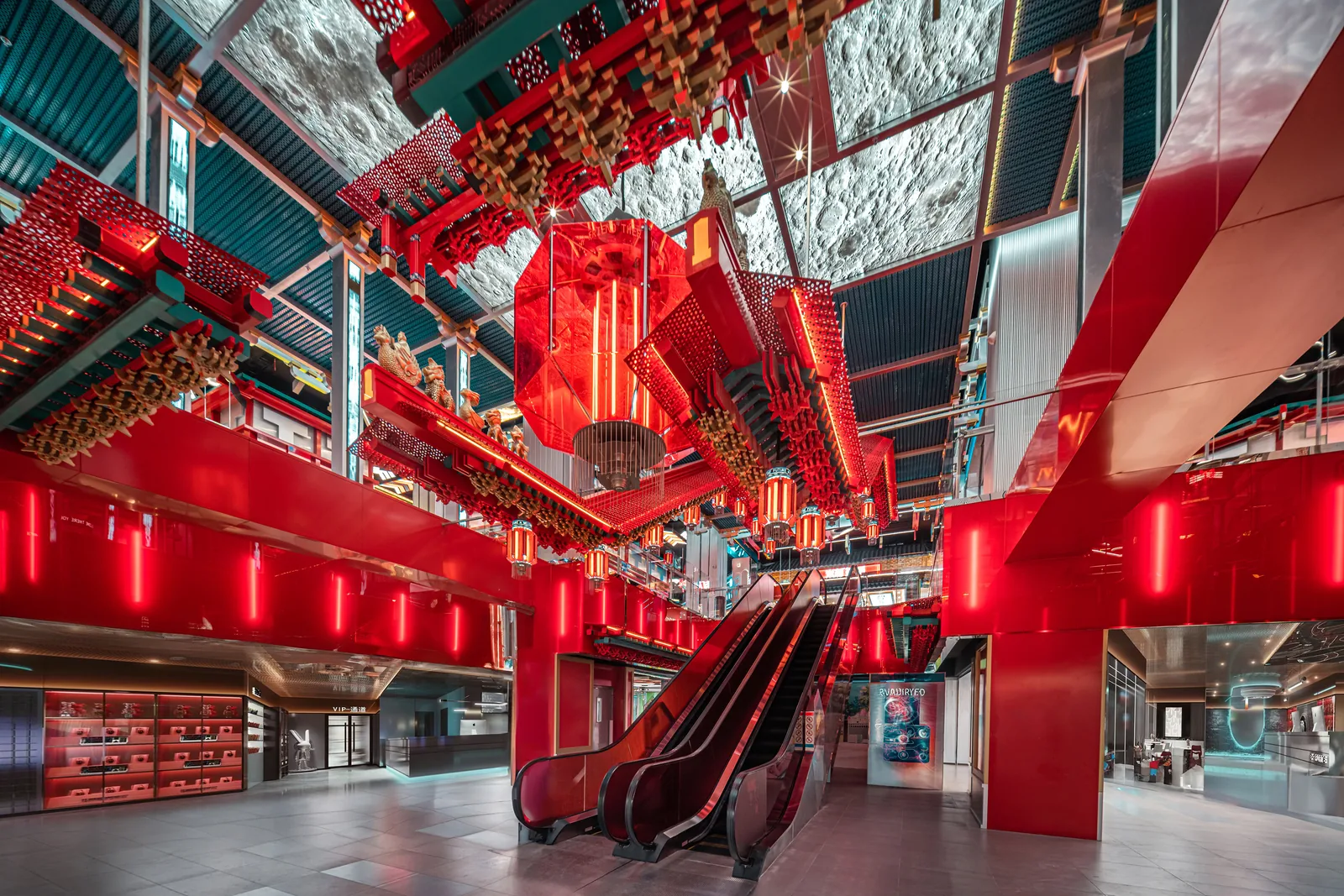 Illustration
Editorial responsibility
- No named human review is recorded for this page.
- Reports are grouped by semantic similarity and deterministic rules. Language models may assist titles, summaries, translation and cross-source analysis; the page reads the event directly, while its address stays stable when the title changes.
- Summary covers the current reports
Cross-source coverage
Reporting timeline
Beijing Adds 672 New Physical First Stores in First Eight Months of 2025, Official Data Shows
According to data released by the Beijing Municipal Commerce Bureau on September 23, Beijing added 672 new physical first stores in the first eight months of 2025, alongside 738 debut events including launches, fashion shows, exhibitions, and premieres. The report highlights that dining remains the core driver of first-store growth, with international brands such as Czech brewery Budvar and Thai Michelin-recommended Baan Phadthai opening their first China (mainland) stores, while regional Chinese cuisines also expanded into Beijing. Retail first stores totaled 191, featuring high-profile international flagships like Tiffany's global-concept standalone store and Vivienne Westwood's first 'House of Vivienne Westwood' globally, as well as domestic brands like Pop Mart and Guaxia. Store distribution is shifting toward a 'one core, multiple poles' pattern, with Shuangjing, Wangfujing, CBD, and Sanlitun leading, and suburban districts like Shijingshan and Tongzhou seeing notable growth. The city hosted 738 debut events, averaging 92 per month, including tech product launches at the 2026 World Robot Conference and fashion shows during Beijing Fashion Weeks. The article forecasts that during the upcoming Mid-Autumn Festival and National Day holidays, Beijing is expected to add approximately 50 new first stores, flagship stores, and concept stores.
Beijing's Premier Economy Shows Strong Results in First Eight Months with 672 New Stores
According to a report from Beijing Business Daily citing the Beijing Municipal Commerce Bureau, Beijing's 'premier economy' (shoufa jingji) delivered stable growth in the first eight months of 2024. From January to August, the city added 672 new physical brand-first stores (shoudian), roughly flat year-on-year, and hosted 738 premiere launches, shows, exhibitions, and performances, averaging 92 per month. The report highlights a trend of international brand clustering, cutting-edge technology integration, and diversified business formats. Dining remains the core driver, with international chains and regional Chinese cuisines expanding rapidly. Retail saw 191 new first stores, including high-profile global flagships from Tiffany, Vivienne Westwood, and ADERERROR. Service consumption expanded into children's education, elderly services, and cultural entertainment, with tech-enabled venues like a robot experience store and an immersive space complex. Geographically, first-store distribution is shifting from core business districts like Shuangjing, Wangfujing, CBD, and Sanlitun toward a multi-polar pattern encompassing areas like Shijingshan, Tongzhou, Changping, and Daxing. Looking ahead to the Mid-Autumn Festival and National Day holidays, Beijing expects to add approximately 50 new first stores, flagship stores, and concept stores, with new commercial projects and urban renewal initiatives driving further growth.
Read sourceBeijing Adds 672 New Physical First Stores in First 8 Months, Boosting Consumption
According to data released by the Beijing Municipal Commerce Bureau on September 23, Beijing added 672 new physical first stores in the first eight months of this year, along with 738 first-release, first-show, first-exhibition, and first-performance events. The city's 'first-store economy' and 'four-first activities' are jointly driving consumption growth, characterized by international resource aggregation, cutting-edge technology empowerment, and diversified business integration. The report notes that dining and beverage brands are expanding from core business districts to surrounding areas and specialty commercial spaces. Regional cuisine brands from Hangzhou, Guizhou, Shunde, and Yunnan have entered Beijing. In retail, 191 new first stores opened, including high-profile international flagship stores from Tiffany, Vivienne Westwood, ADERERROR, and Salomon, as well as domestic brands like Pop Mart and Gu Xia. Technology first-release events featured new humanoid robots from UBTech and Galaxy General, the Kimi K3 open-source large language model from Moonshot AI, and Lenovo's Tianxi AI 4.0 platform. Cultural performances included global premieres of plays and international ballet and musicals. The article attributes these developments to Beijing's strategy of converting first-mover advantages into consumption growth, injecting new momentum into the capital's consumer market.
Read sourceShow 2 older updatesHide older updates
Beijing's first-store economy shows steady growth with 672 new stores, 738 events in first 8 months
According to the Beijing Municipal Commerce Bureau, Beijing's first-store economy maintained stable growth from January to August 2024, with 672 new physical first stores and 738 first-release events including launches, shows, exhibitions, and performances, averaging 92 events per month. The report highlights a trend of international brand clustering, frontier technology empowerment, and diversified business integration. The catering sector remains the foundation, with international chains and local specialty brands opening themed and IP-focused stores. Retail saw 191 new first stores, including high-profile global flagships from Tiffany, Vivienne Westwood, and ADERERROR, alongside domestic brands like Pop Mart. Service consumption expanded into children's education, elderly services, and cultural entertainment, with technology-enabled venues such as a humanoid robot store and an immersive aerospace center. Geographically, first stores concentrated in core business districts like Shuangjing, Wangfujing, CBD, and Sanlitun, while suburban areas saw growth. For the Mid-Autumn Festival and National Day holidays, Beijing expects about 50 new first stores, flagship stores, and concept stores, including OAKLEY's first full-category flagship in China and Korean designer brand Matin Kim's first mainland China store.
Read sourceBeijing's First-Store Economy Shows Stable Growth with 672 New Stores and 738 Events in First Eight Months
According to a report from Beijing Business Daily on September 23, citing the Beijing Municipal Commerce Bureau, Beijing's 'first-store economy' demonstrated stable growth with quality improvements in the first eight months of 2024. From January to August, the city added 672 physical first stores, roughly flat year-on-year, and hosted 738 debut events including first launches, shows, exhibitions, and performances, averaging 92 per month. The report highlights a trend of international resource aggregation, frontier technology empowerment, and diversified business integration. The catering sector remained the foundation, with international chains and local flavors expanding. Retail saw 191 new first stores, including high-profile global flagships from Tiffany, Vivienne Westwood, and ADERERROR. Service consumption expanded into children's education, elderly services, and cultural entertainment, with tech-enabled venues like a humanoid robot store and an immersive aerospace center. Geographically, first stores concentrated in core business districts like Shuangjing, Wangfujing, CBD, and Sanlitun, while suburban areas saw notable growth. Looking ahead, during the Mid-Autumn Festival and National Day holidays, Beijing expects to add about 50 new first stores, flagship stores, and concept stores, with new commercial projects and urban renewal initiatives launching.
Read source